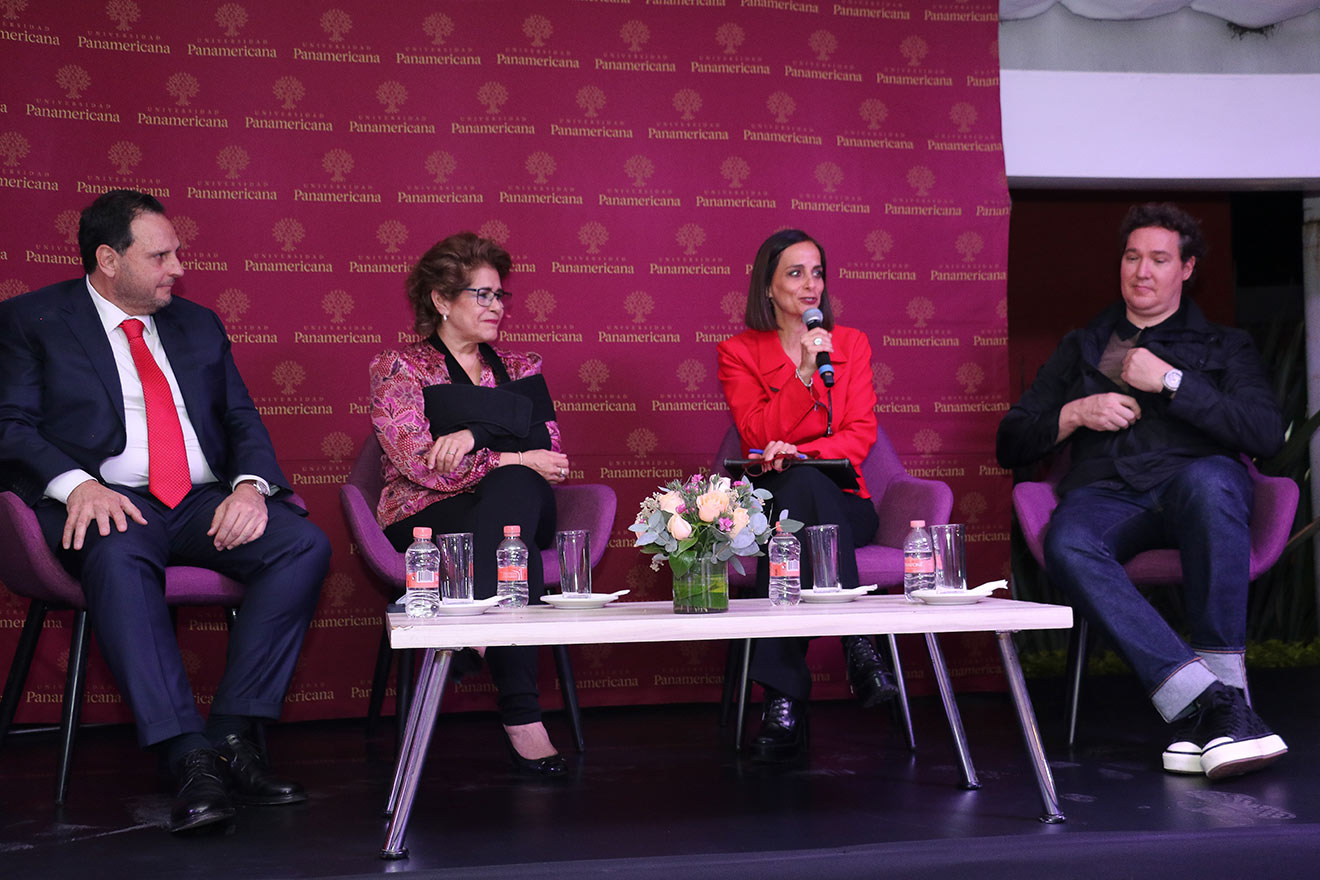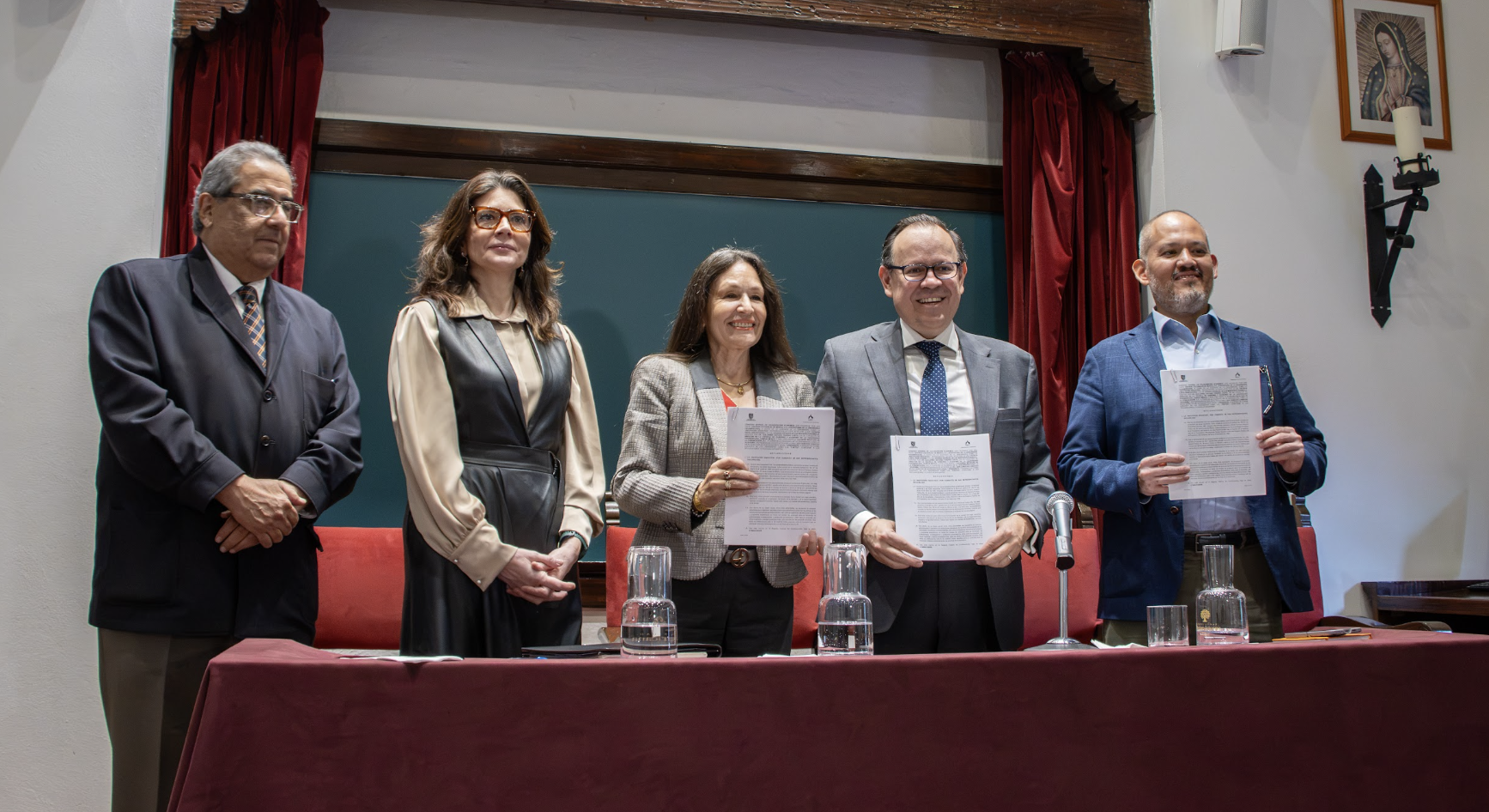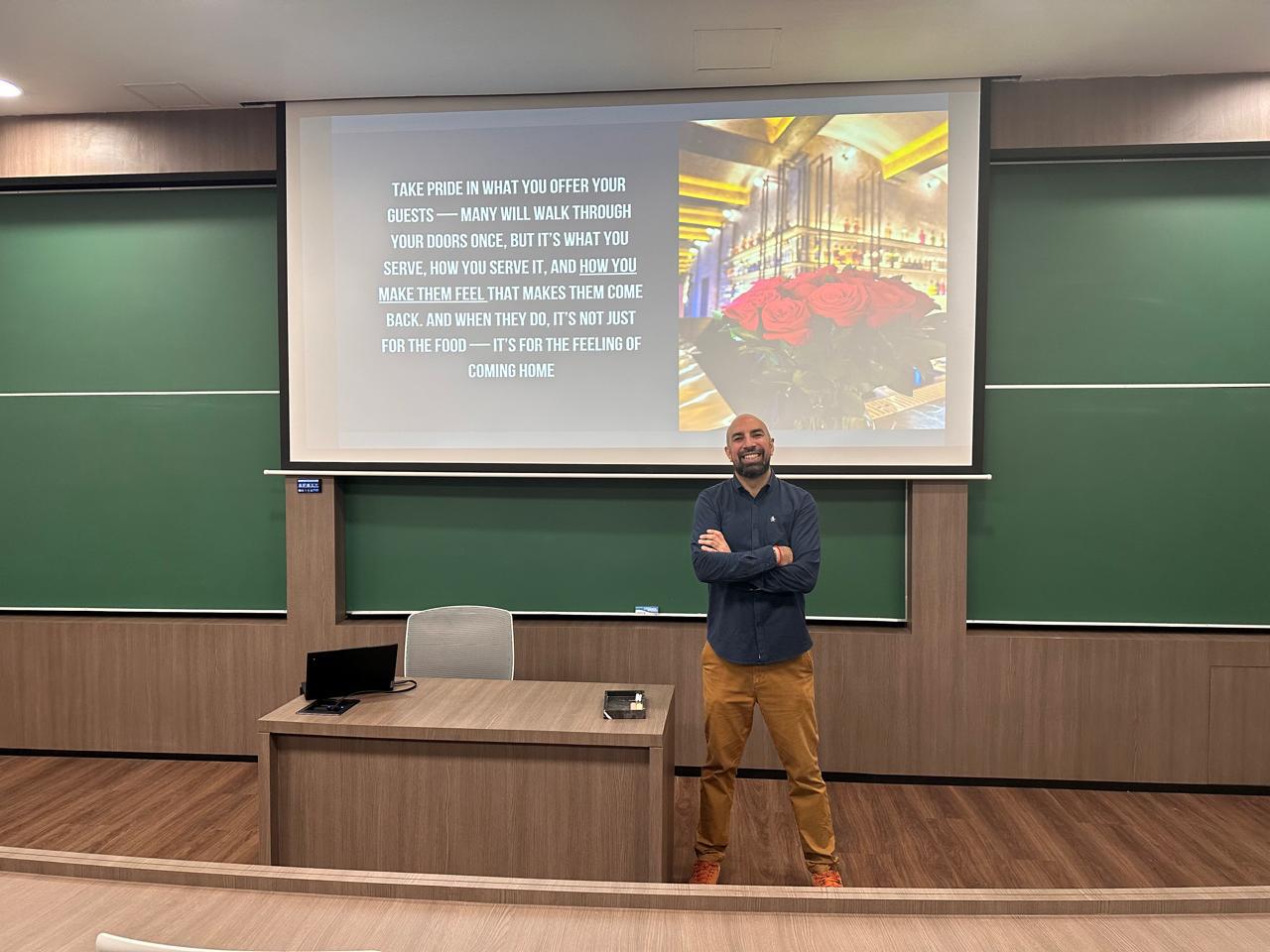
Mexico City, September 8, 2025.—On the 13th, the Universidad Panamericana welcomed Izamná Crail Romero, Head of Marketing for NFL Mexico and partner at the Copal restaurant in Oaxaca, as a special guest. She led a session titled Current Trends in Gastronomy to students in the bachelor’s degree programs at ESDAI: Gastronomy Business Management and Hospitality Management.
The event, organized by Ana Dávalos, a professor of Gastronomic Marketing, served as a forum for dynamic discussion on the intersection of gastronomy, culture, creativity, and brand strategy from a business perspective.
Izamná Crail: A Leader in Contemporary Mexican Cuisine
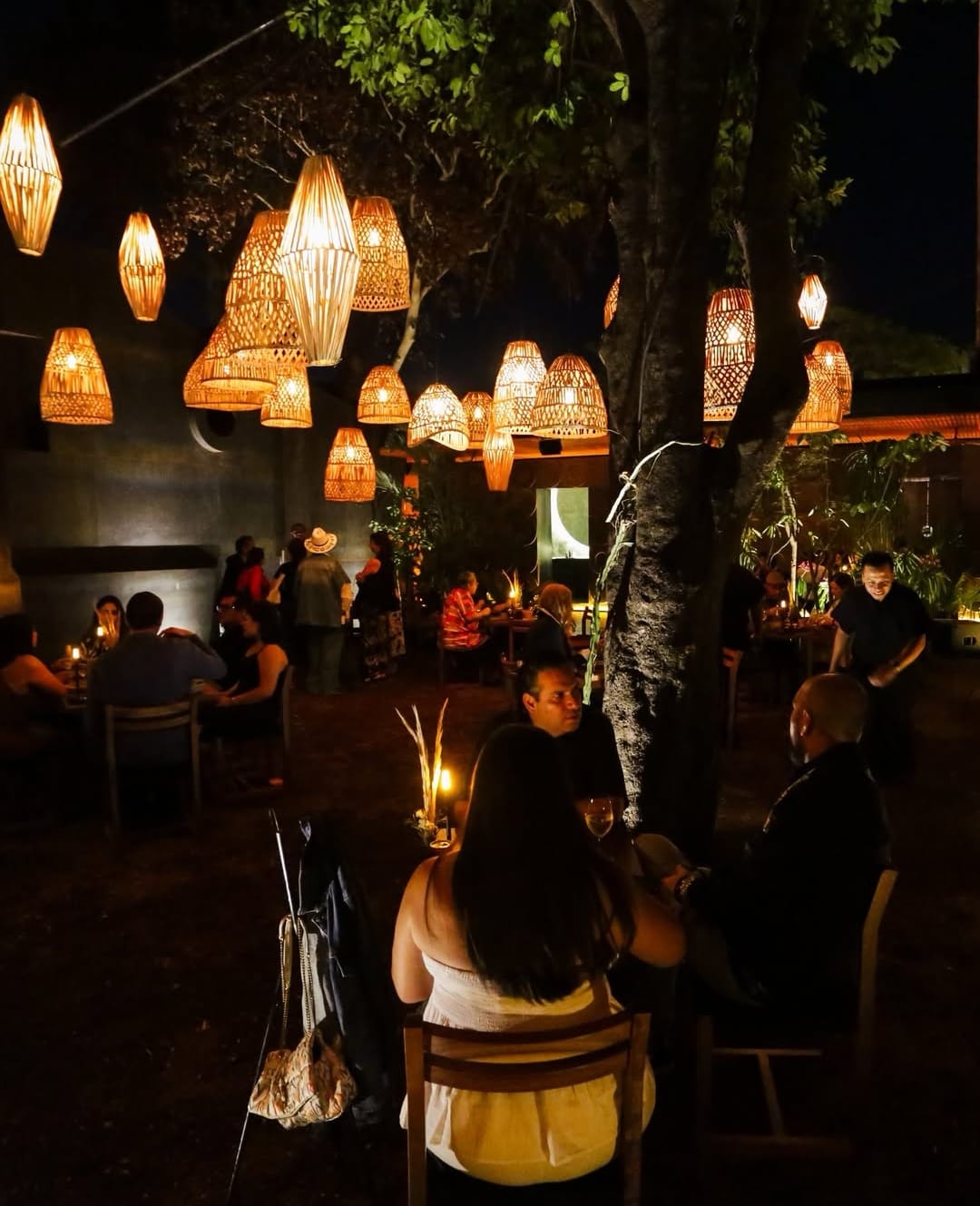
Izamná Crail, known for her track record with global brands and her ability to bridge creativity with cultural identity, shared her experience at the helm of Copal, a project that, after just three months in operation, has established itself as a benchmark for contemporary Mexican cuisine.
Drawing on his unique perspective, which blends high-performance sports marketing with hospitality, he emphasized that the success of any culinary venture stems from apowerful and clear “why.”

“The starting point cannot be ‘what’ is served or ‘how’ it is made, but rather ‘why’ the project exists. That deeper purpose is what inspires, connects with the audience, and lends authenticity to the brand,”, Izamná noted.
Key trends in the culinary scene
During the conference, the key trends shaping the culinary landscape were outlined:
- Key ingredients:thoughtful use of ingredients with a rich history, high quality, and cultural significance.
- Anticipation:the ability to identify and adapt to changes in consumer behavior before the competition does.
- Use of AI:Implementing artificial intelligence to optimize processes, experiences, and communication.
- Transparency:honestly communicating the origin, processes, and values behind the products.
- Foodies everywhere:today’s audience is more informed, demanding, and engaged.
- User-generated content:leveraging customer feedback and experiences to build and amplify the brand.
- Food tourism:designing culinary experiences that serve as a driving force to attract visitors.
- Glocalization:adapting global trends to local cultural identity and context.
But beyond the trends, Crail Romero emphasized the enduring elements of this business:
- The urgent need to understand the product within the culinary tourism ecosystem.
- Establish and maintain a clear purpose.
- Gain a deep understanding of the audience.
- Measure results to continuously adapt.

An inspiring outlook for future leaders
Ana Dávalos, M.A., highlighted the importance of bringing in industry experts: “For our students, hearing about real, contemporary success stories is invaluable. Izamná’s vision combines big-league strategy with a passion for the local community, offering an invaluable perspective for the sector’s future leaders”.
The event established itself as a space for inspiration and learning, demonstrating that gastronomy is much more than just food; it is a powerful bridge between innovation, cultural identity, and business purpose.
Learn more about ESDAI's academic programs at: https://www.up.edu.mx/educacion-universidad-esdai/