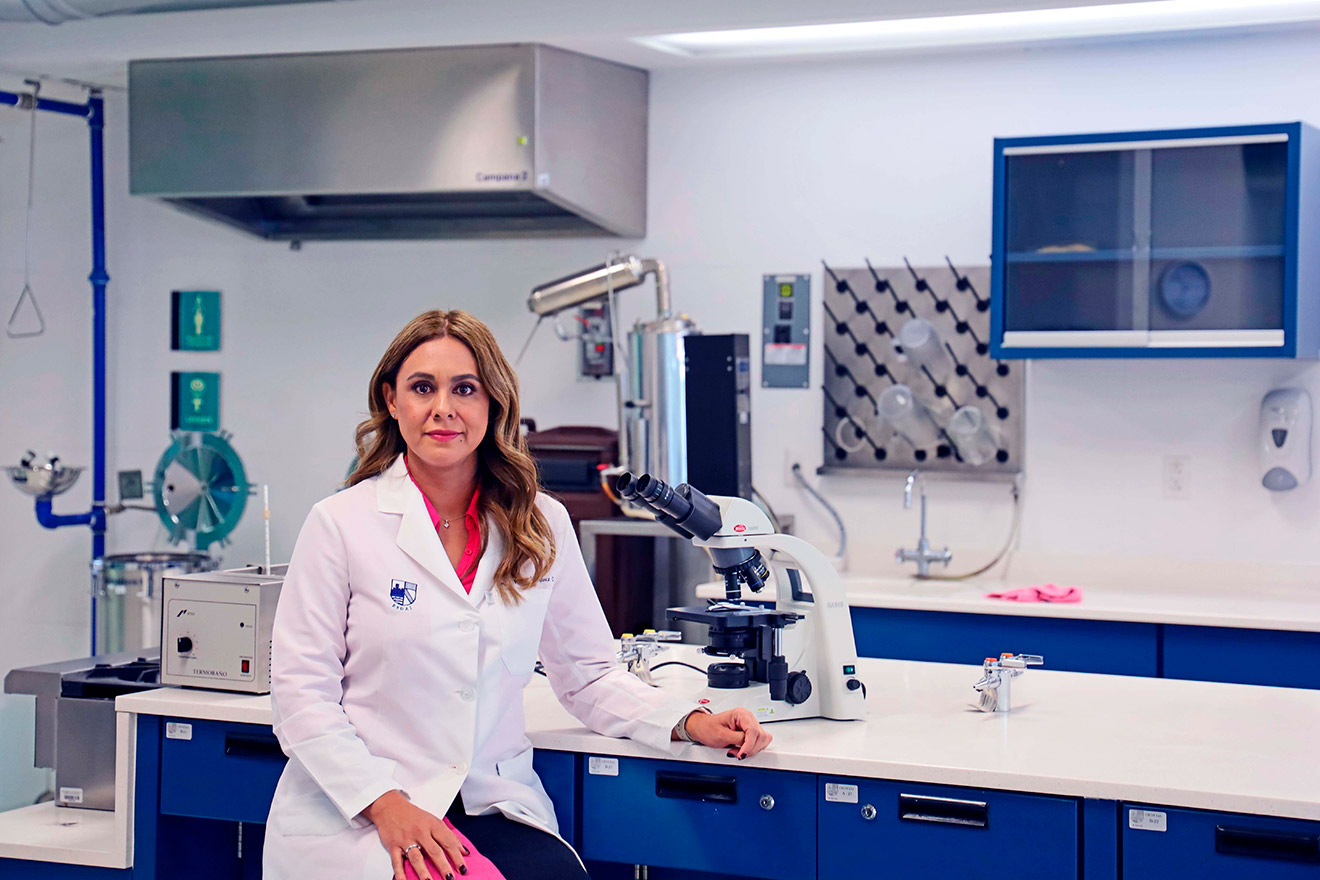
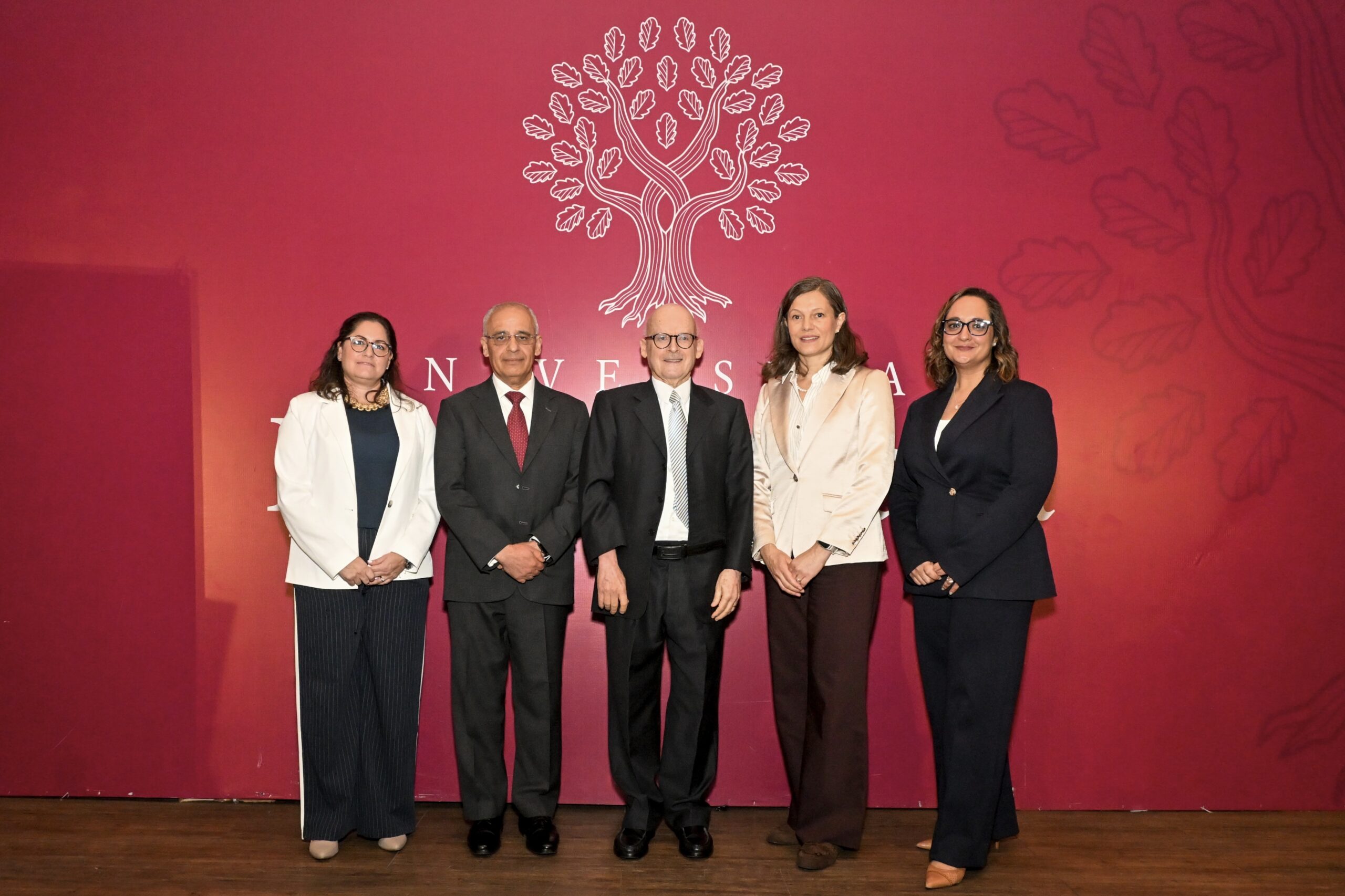
Mexico City, July 22, 2025.— Dr. Sergio Erick García Barrón, a professor and researcher at the School of Hospitality (ESDAI) at the Universidad Panamericana Mexico City Universidad Panamericana , shared the findings of his latest research on tequila, Mexico’s iconic spirit.
His work, titled Sensory Characterization and Consumer Preference of Tequila, is part of the book The Science of Tequila and was developed in collaboration with Dr. Rosa Pilar Carmona-Escutia (CIATEJ) and Dr. Oxana Lazo Zamalloa ( CIBA-IPN).

Objective and key findings
Dr. García Barrón explained that the increase in tequila consumption in recent years made it necessary to explore new tools to ensure consistent quality. “Sensory evaluation and consumer science can help us understand the factors that influence the choice of this product,”, he notes.
The main objective of the research was to examine how these disciplines can benefit the tequila industry, from sensory characterization to the non-sensory attributes that determine consumer preferences.
Among the most significant findings, the analysis reveals the sensory profiles of tequilas produced in different regions of Jalisco, which contributes to its identity as a traditional beverage. In addition, the study examined the social perception of the term “Tequila” among consumers in various cities across the country and its association with those locations.
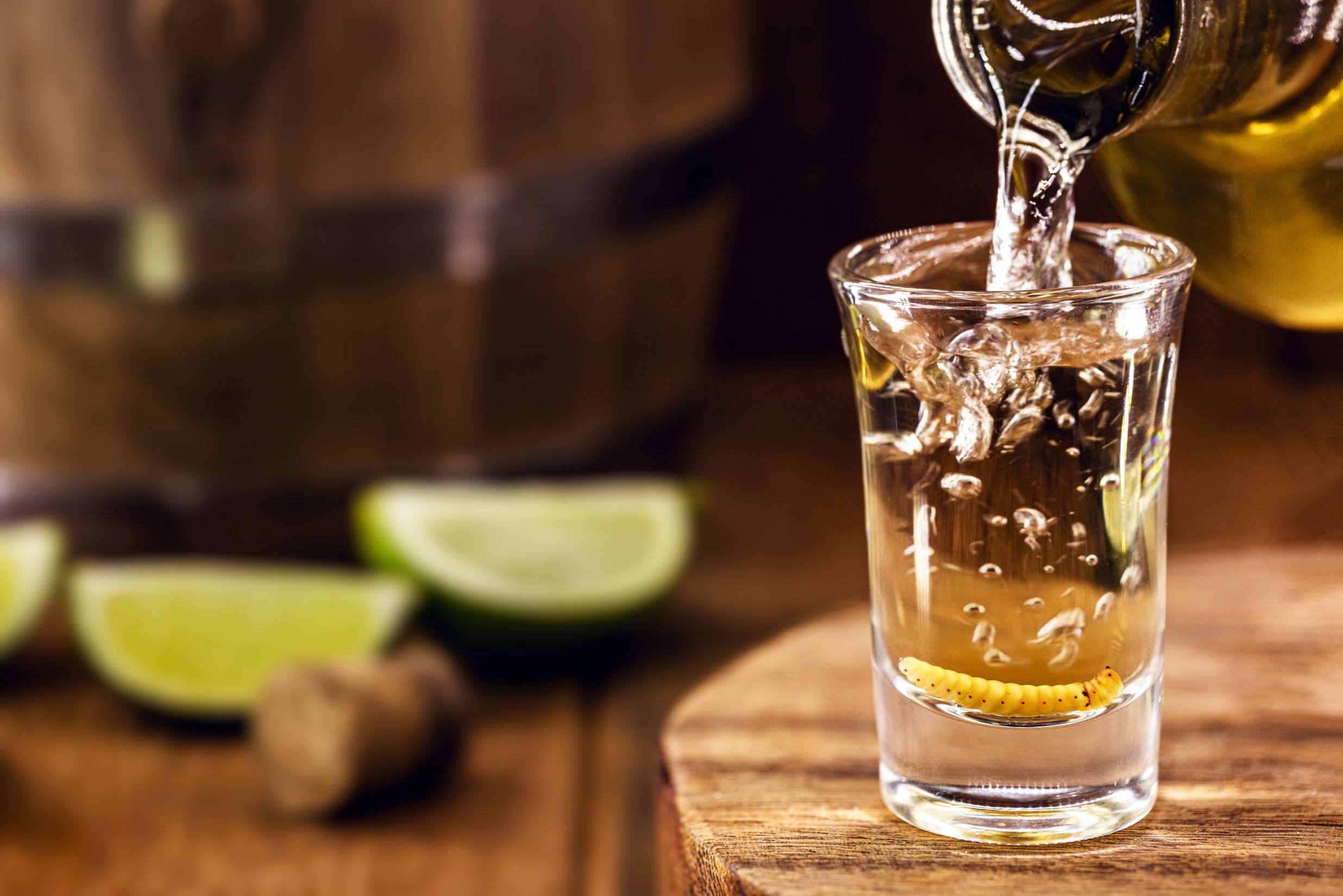
“We also identified the factors that influence the perception of tequila as a drink with deep cultural roots,”, adds the researcher.
Contributions to the hospitality and tourism industry
The analysis also explores the connection between tequila and the dining experience, providing the hospitality industry (hotels, restaurants, bars) with a scientific basis for improving its selection of traditional Mexican beverages.
“Consumption habits and the settings in which tequila is consumed can be replicated by restaurants, hotels, and hostels to meet customer demands,”, he notes.
The researcher hopes that this study will contribute to ensuring the quality of tequila and preserving its image as a traditional beverage. “It is essential to preserve and maintain traditional production processes, as they are an essential part of the product’s identity,”, he says.
A Message for Future Professionals
Finally, Dr. García Barrón shares a message for students and professionals interested in sensory analysis as applied to the food industry: “It is important to understand the tools of sensory evaluation and consumer science, as they have implications for new product development, quality control, and other key aspects of this field.”
With this scientific contribution, the Universidad Panamericana, through ESDAI, reaffirms its commitment to generating knowledge applicable to strategic sectors, such as the tequila industry, the hospitality sector, and Mexican food culture.
Learn more about the ESDAI School of Hospitality at: https://www.up.edu.mx/educacion-universidad-esdai/