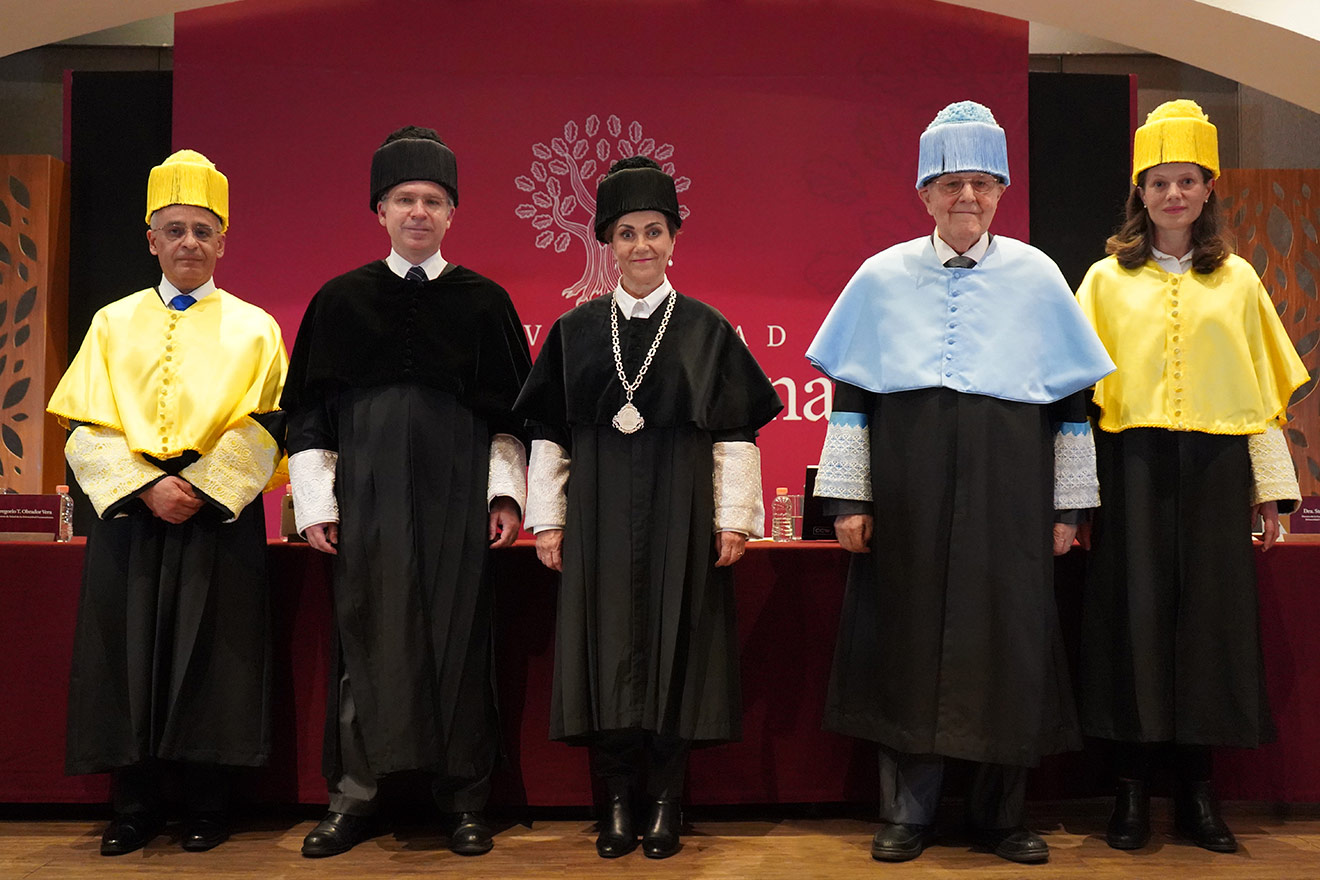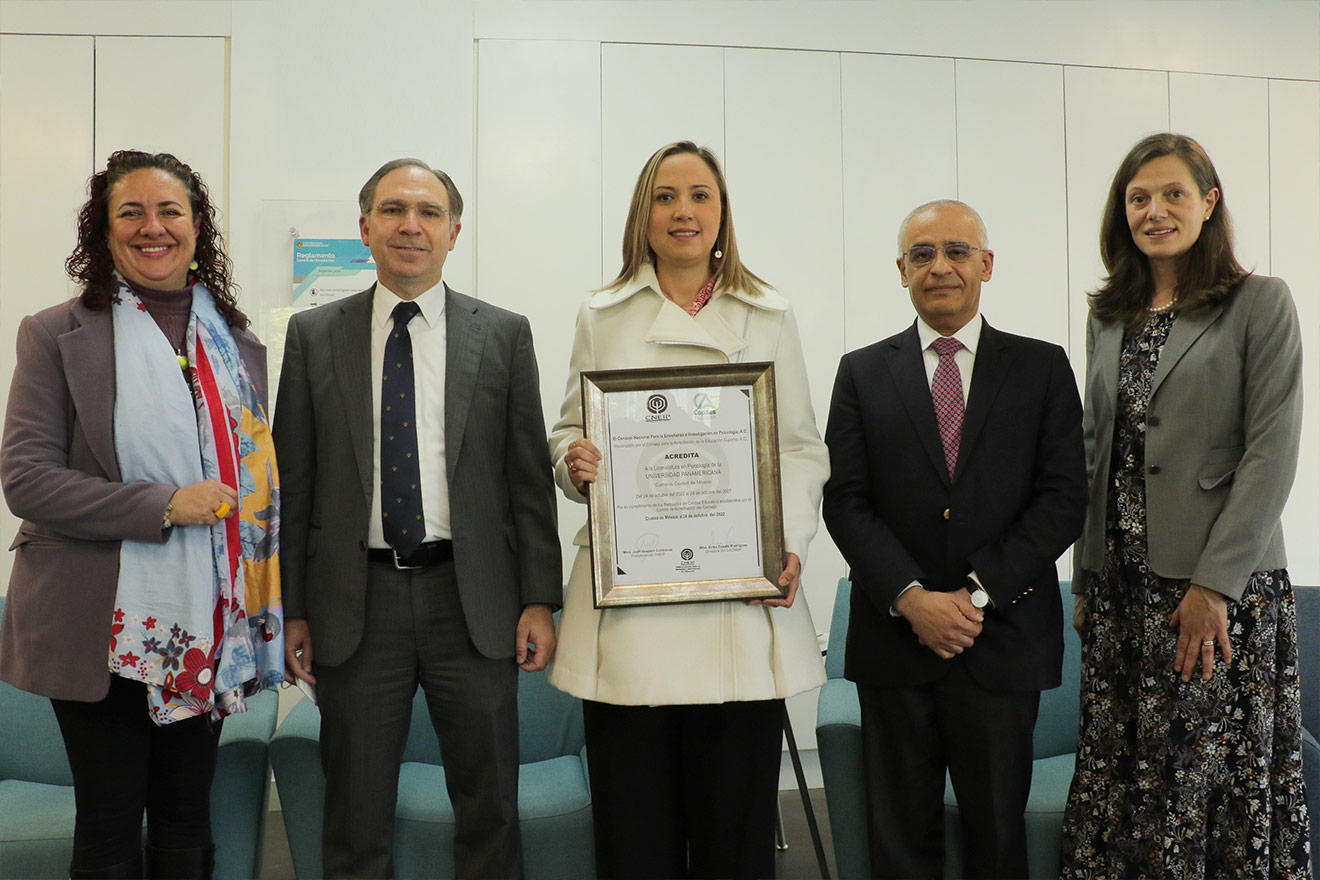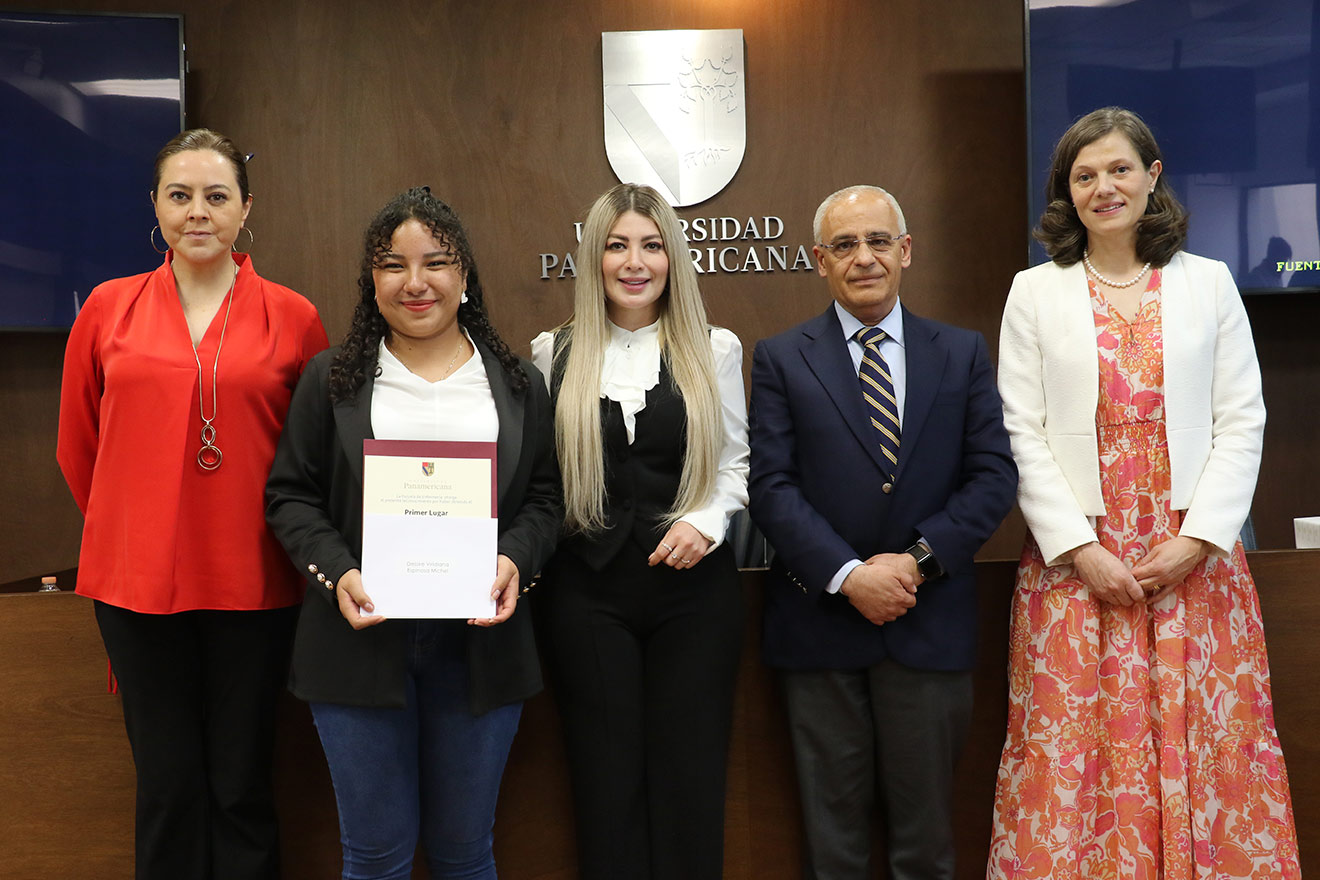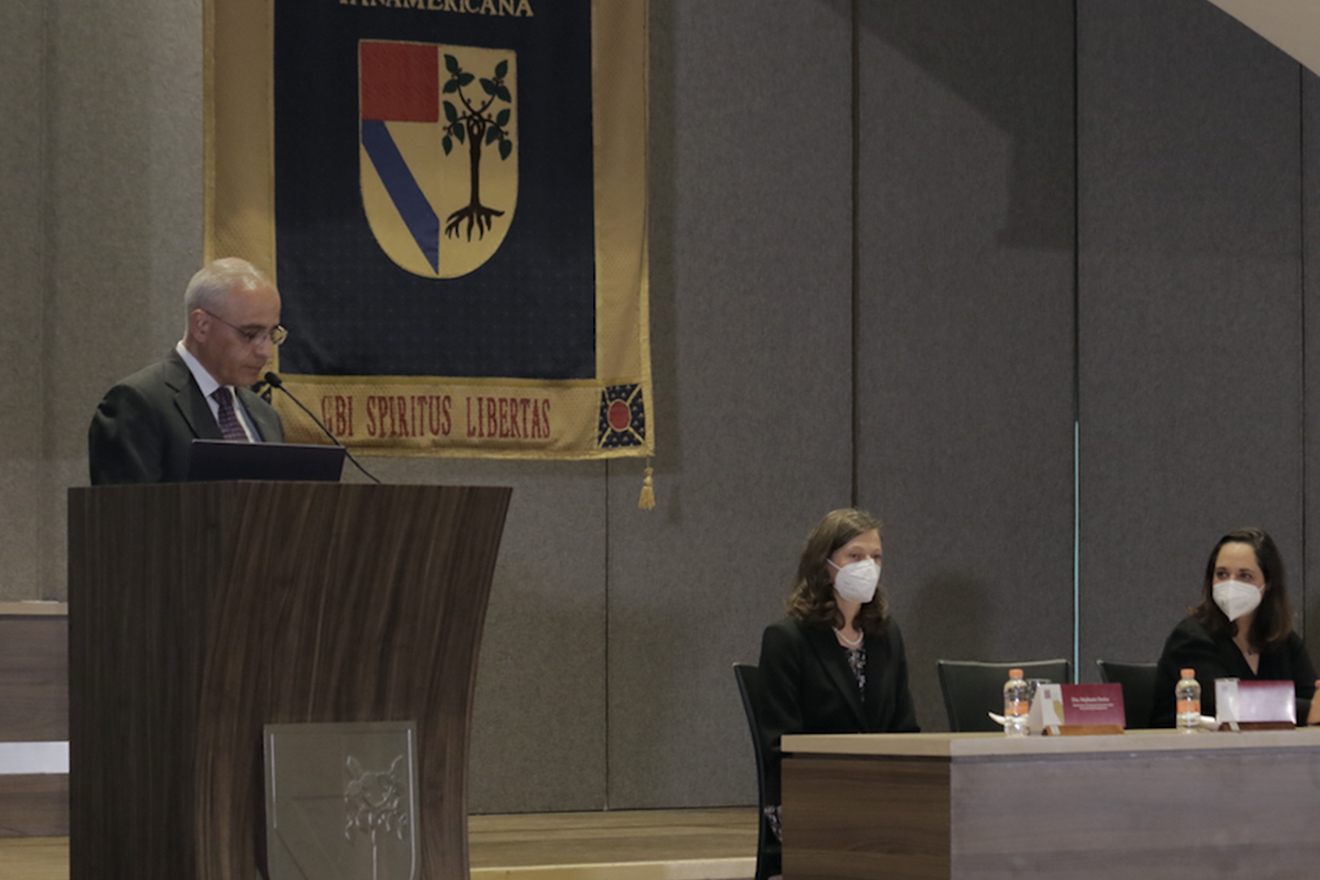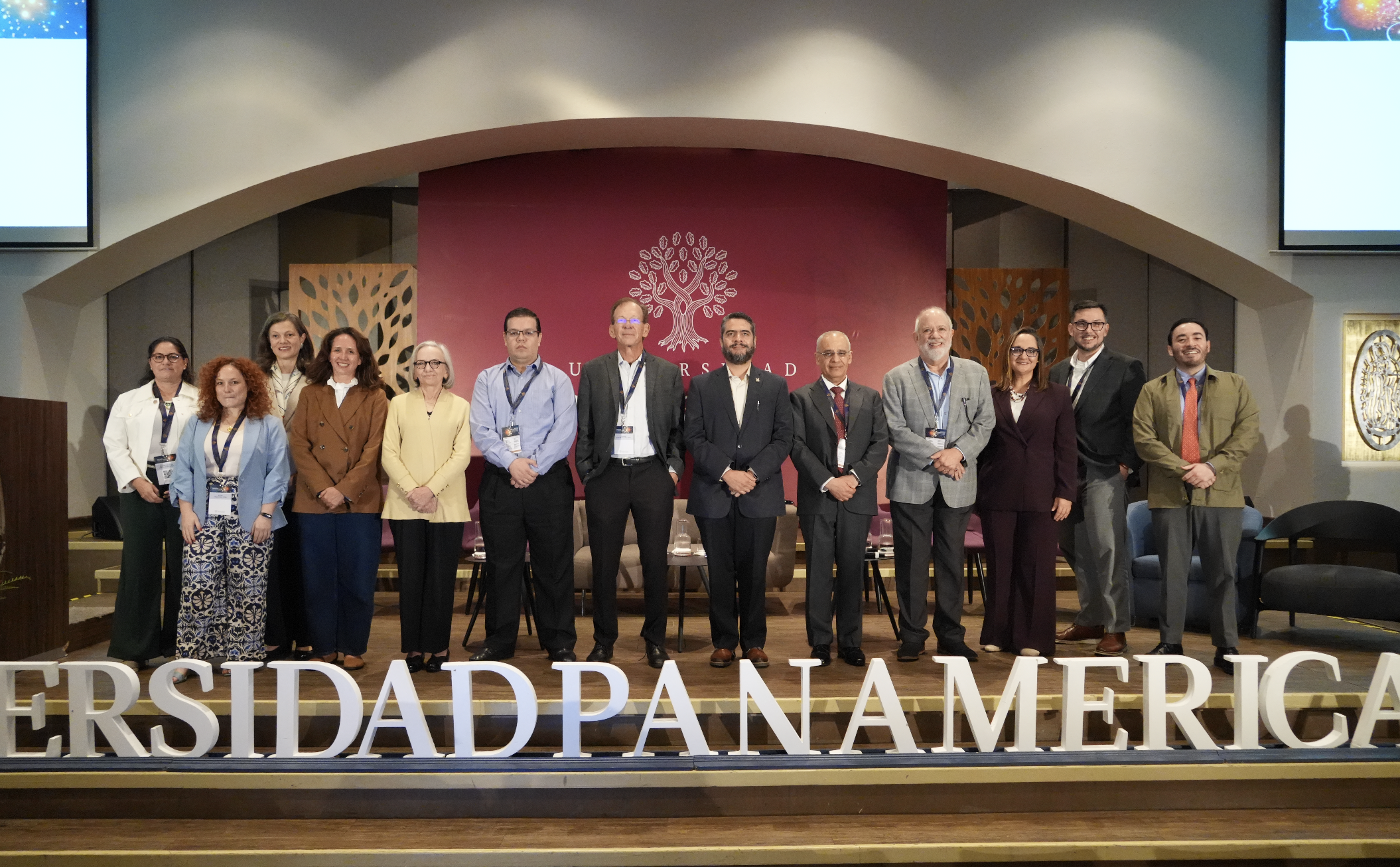
Mexico City, September 25, 2026.— Understanding the aging process and how to maintain health, independence, and quality of life was the central theme of the International Symposium on Brain Health and Healthy Aging, organized by the School of Health Sciences at the Universidad Panamericana as part of the 30th anniversary of its Schools of Medicine and Nursing.
The conference brought together experts from across the country and from the University of Texas Medical Branch (UTMB) to share scientific advances regarding one of the major challenges in health care: ensuring that increased life expectancy is accompanied by improved quality of life for older adults.
The keynote presentations covered a range of topics, from the cellular processes of aging and potential interventions to the factors that influence the health and functional capacity of older adults in Mexico.
A Scientific and Human Challenge
During his welcome remarks, Dr. Gregorio Tomás Obrador Vera, Director General of Health at the Mexico City campus of the Universidad Panamericana , emphasized that the progressive aging of the population and the increase in life expectancy pose challenges that require new solutions through research and professional training.
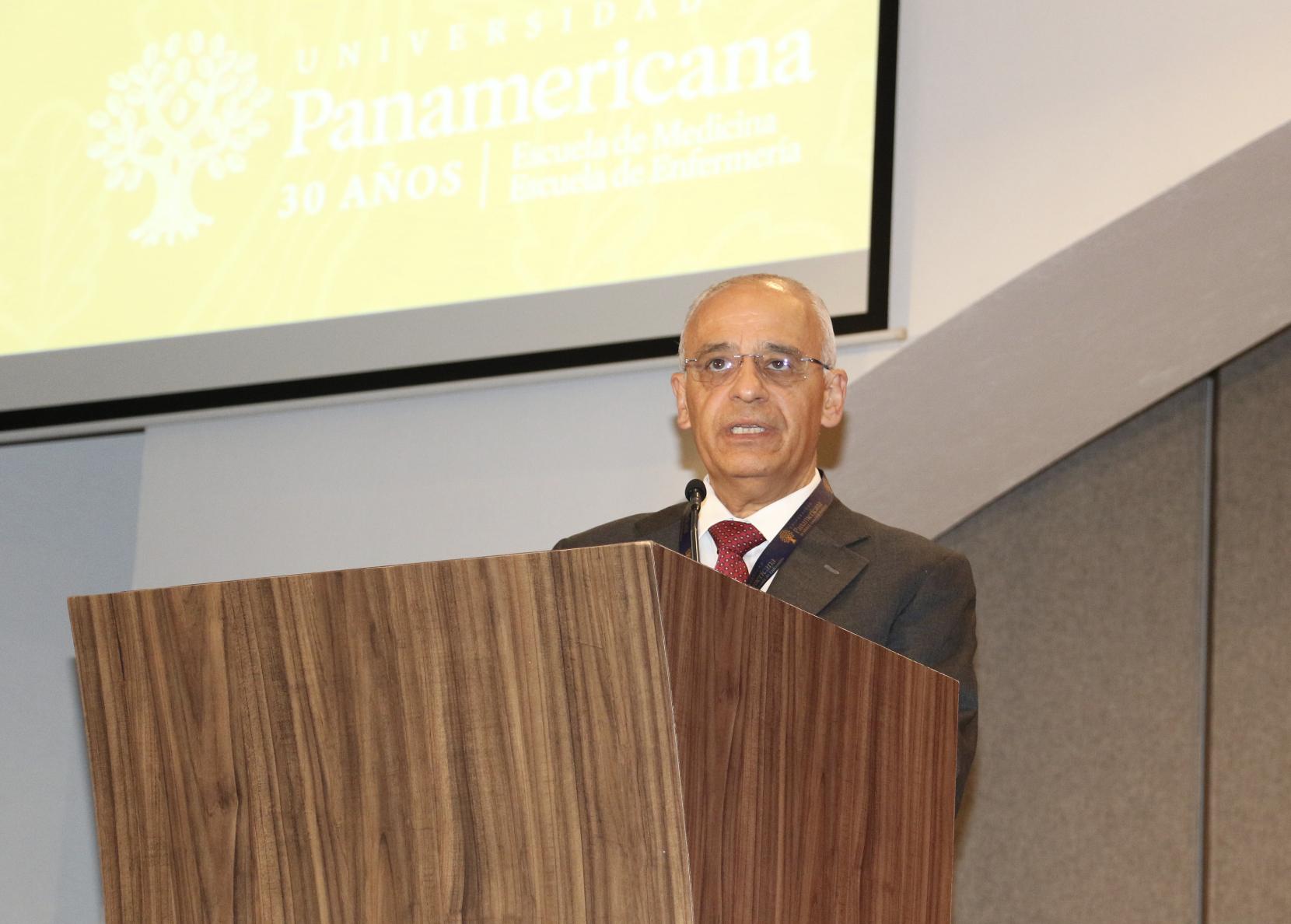
In this context, he highlighted the importance of bringing together national experts and experts from the Sealy Center on Aging at UTMB to address demographic trends, age-related mechanisms of brain damage, and advances in geriatric medicine, with the aim of promoting healthy aging and a better quality of life.
Intervening in the Aging Process
The first lecture, “Targeting Aging to Extend Healthspan: The Rise of Gerotherapeutics,” was presented by Dr. Alan Landay, vice president of Team Science and professor of Internal Medicine, Microbiology, and Immunology at UTMB.
The specialist discussed the possibility of extending healthy life and slowing brain aging, emphasizing a shift in focus toward geroscience to directly intervene in the biological process of aging rather than treating individual diseases.
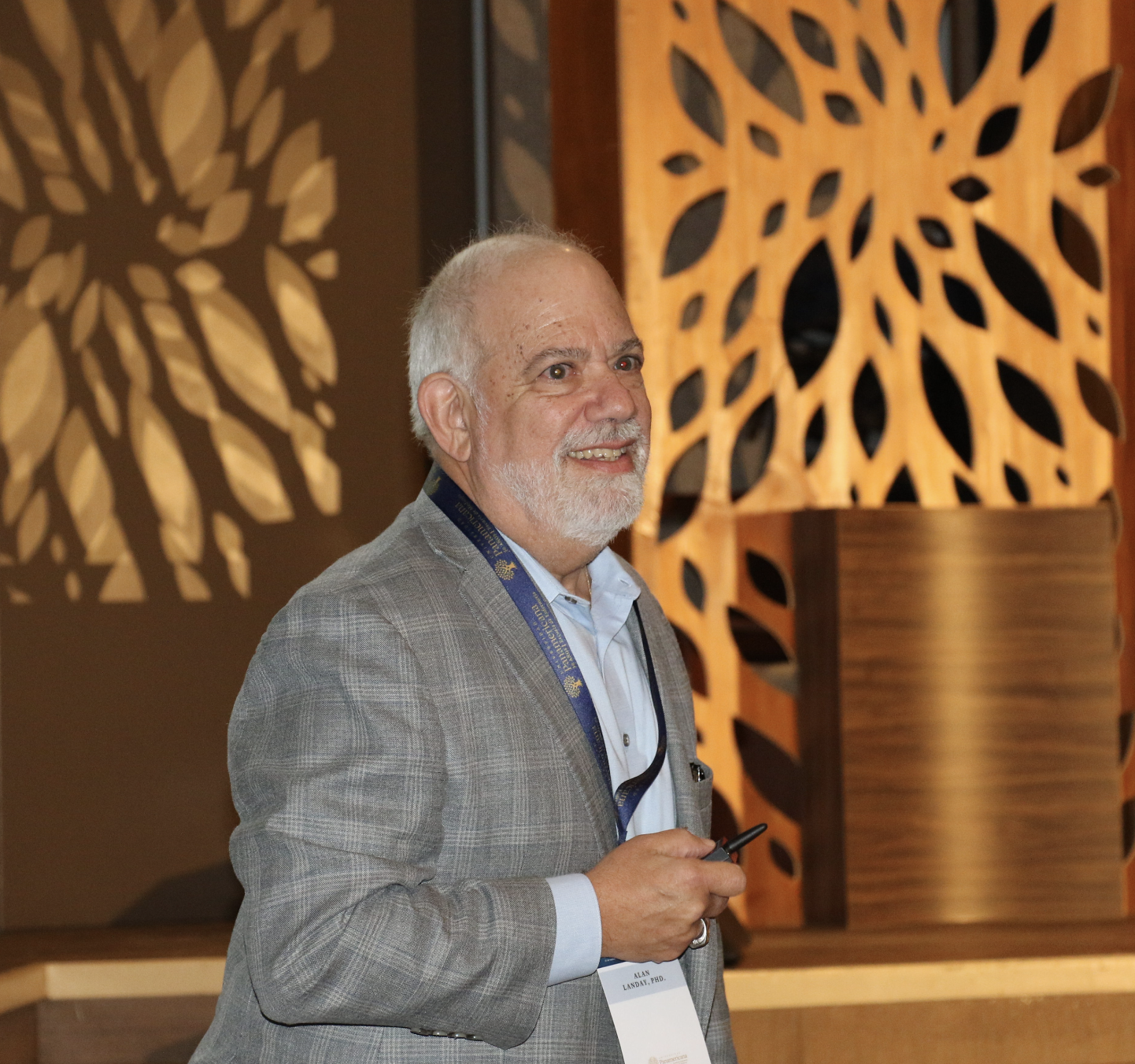
He also highlighted advances in geriatric medicine through the use of biological clocks and the repurposing of already-approved drugs (such as reverse transcriptase inhibitors) to accelerate clinical trials and prevent diseases.
His presentation introduced a new perspective: studying the processes common to different diseases could expand the possibilities for prevention and help extend healthy life expectancy. This is a field of research that seeks to translate cellular and molecular findings into new clinical applications.
More years of independence and functional ability
Dr. Thomas Blackwell, associate dean for postgraduate medical education and clinical affairs at UTMB, explored the meaning of living longer in his lecture titled“Healthy Life Extension: The Known, the Maybe, and the Unknown.”
The specialist pointed out the gap that can exist between life expectancy and the number of years lived in good health. In this regard, he emphasized the need for research to prioritize the preservation of functional capacity, so that longevity is accompanied by autonomy and well-being.
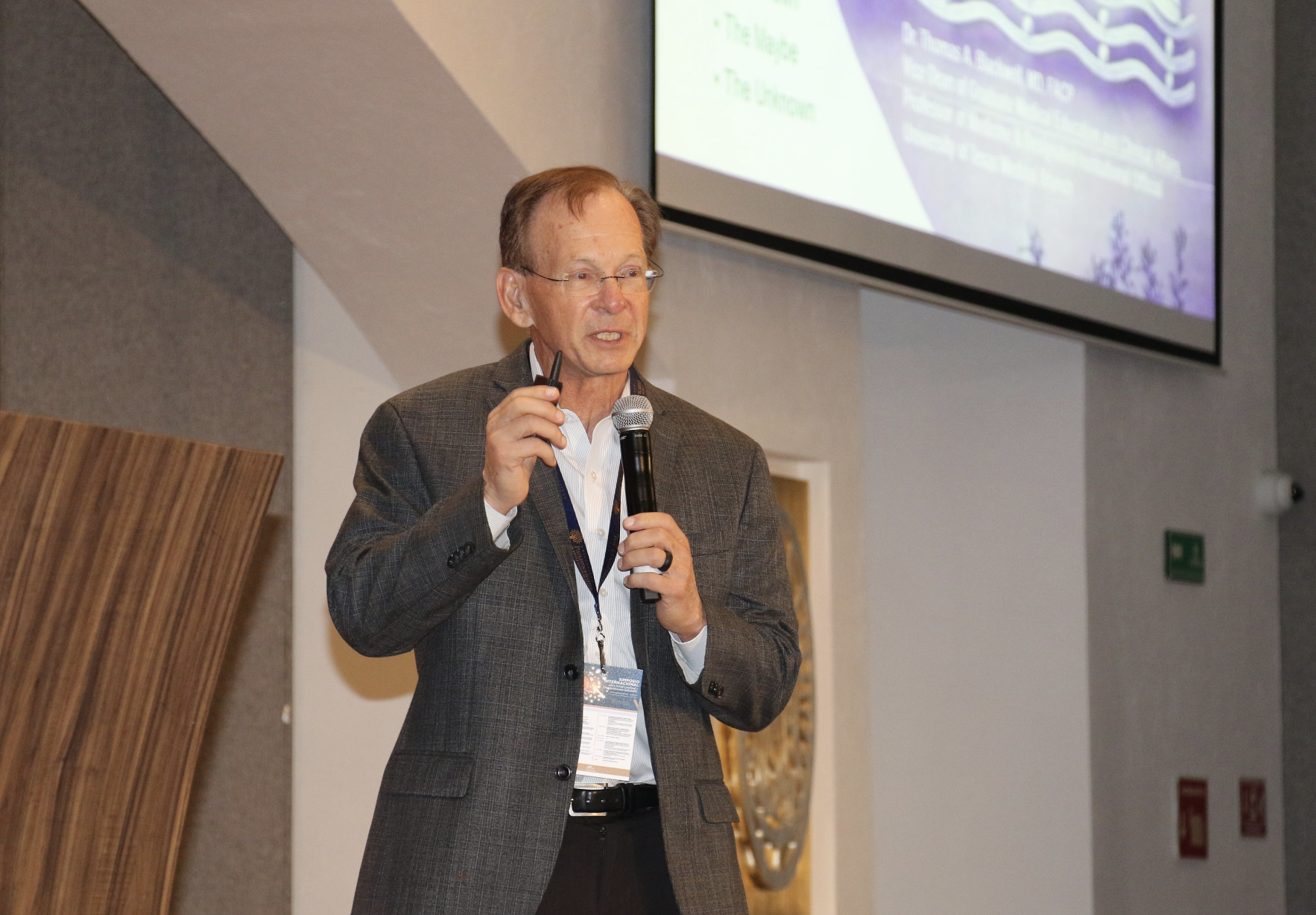
Among the factors associated with healthy aging, he discussed regular physical exercise, cardiorespiratory fitness, cognitive stimulation, social interaction, and the prevention of noncommunicable diseases.
He also presented research on medications such as SGLT2 inhibitors and GLP-1 receptor agonists, whose potential impact on the aging process is currently being evaluated in clinical trials. These possibilities are part of an emerging field, the full scope of which has yet to be determined.
Understanding How Mexico Is Aging
The event took on a national scope with the participation of Dr. Teresa Álvarez Cisneros, a “B” Medical Sciences researcher at the National Institute of Geriatrics, who presented the lecture“Highlights of the National Study on Health and Aging in Mexico.”
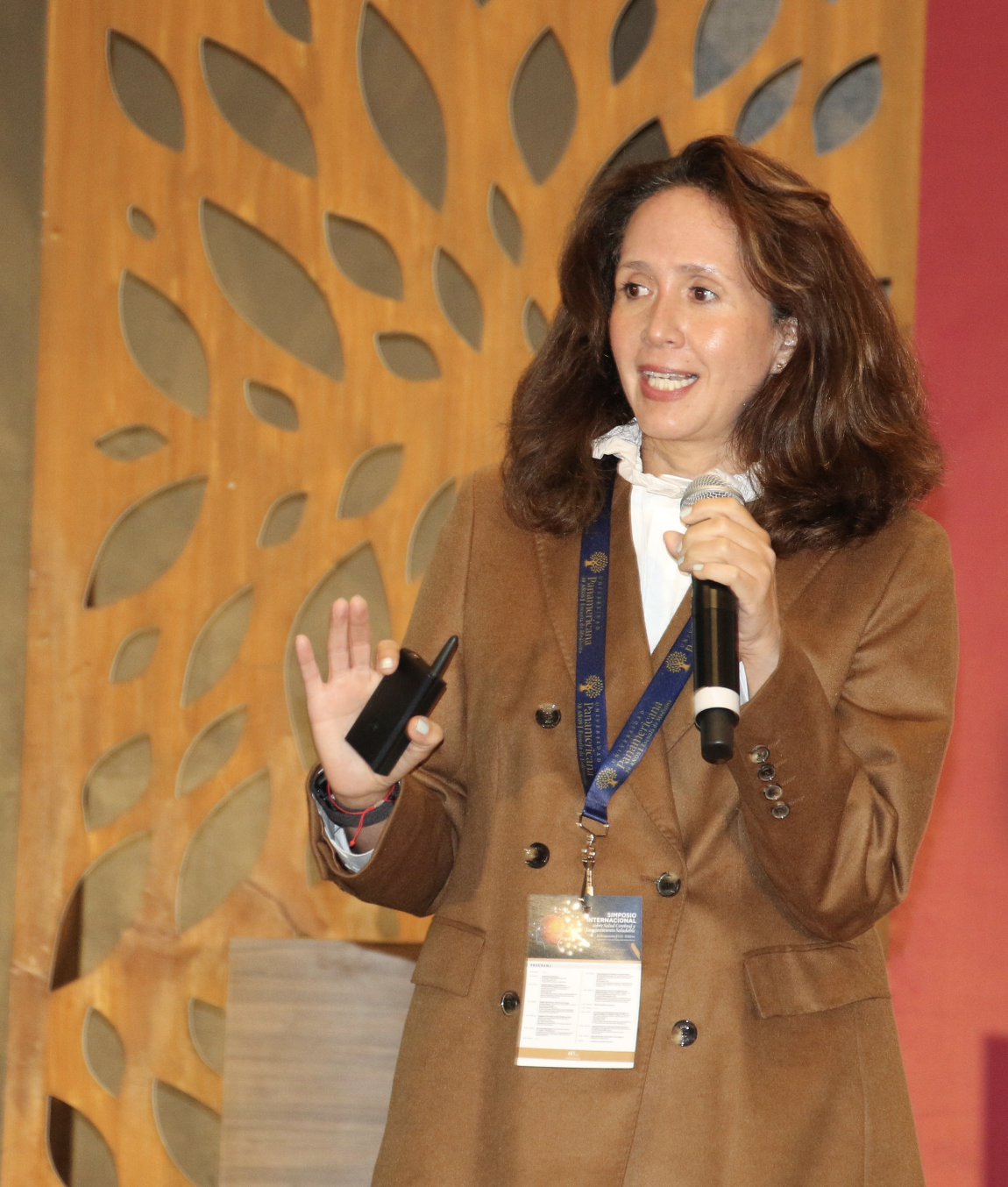
The researcher explained that the National Survey on Health and Aging in Mexico (ENASEM) contains 24 years of data on the Mexican population aged 50 and older. Its multidimensional nature makes it possible to study the relationship between health, cognition, socioeconomic conditions, and lifestyles, as well as to draw comparisons with international studies, such as the Health and Retirement Study in the United States.
The data collected make it possible to analyze how education, social support, and vulnerability are related to health as people age. Among the findings presented, Dr. Álvarez Cisneros highlighted that the most recent cohorts of older adults in Mexico show a more favorable cognitive and functional trajectory over time, as
despite bearing a greater burden of multimorbidity.
Collaboration to Transform Knowledge into Well-Being
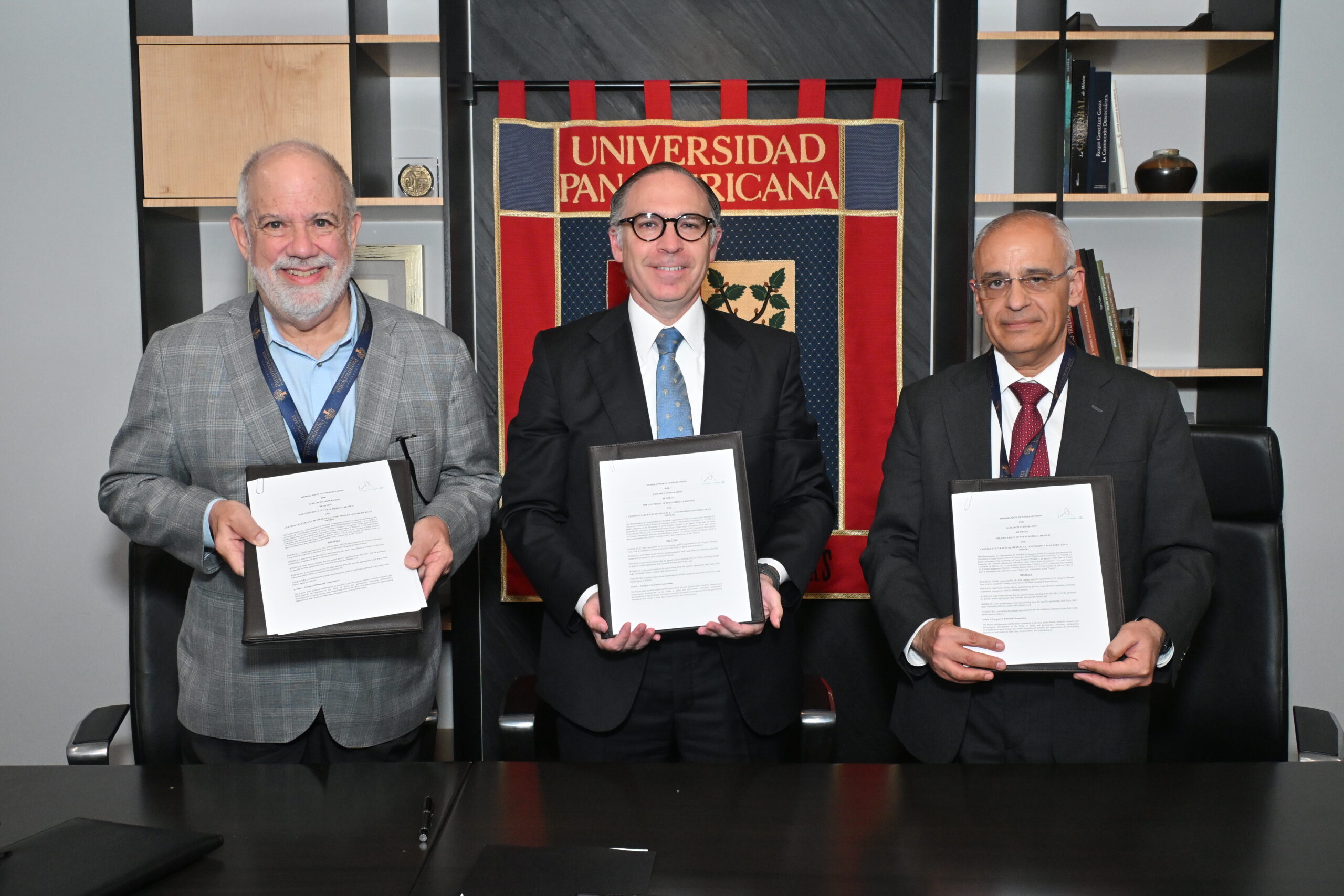
As part of the meeting, the University of the Third Age ( Universidad Panamericana ) and UTMB signed an institutional collaboration agreement to promote joint research and the exchange of information, thereby strengthening academic ties regarding challenges related to aging.
Through this symposium, the School of Health Sciences ( Universidad Panamericana ) reaffirms its commitment to an educational approach that integrates research, international collaboration, and a human touch. As the population lives longer, the challenge is to support each stage of life with knowledge, care, and opportunities to preserve autonomy and quality of life.