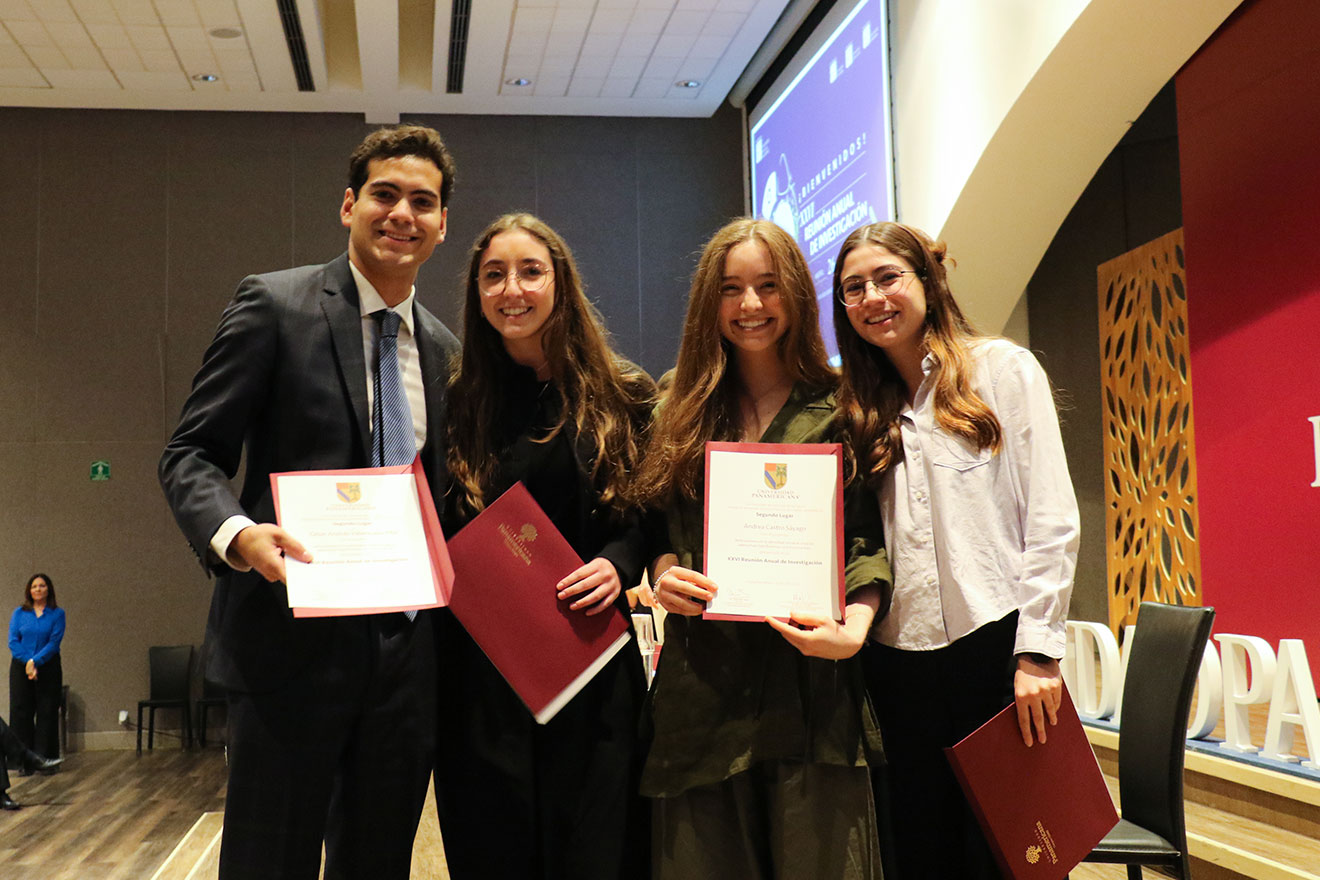
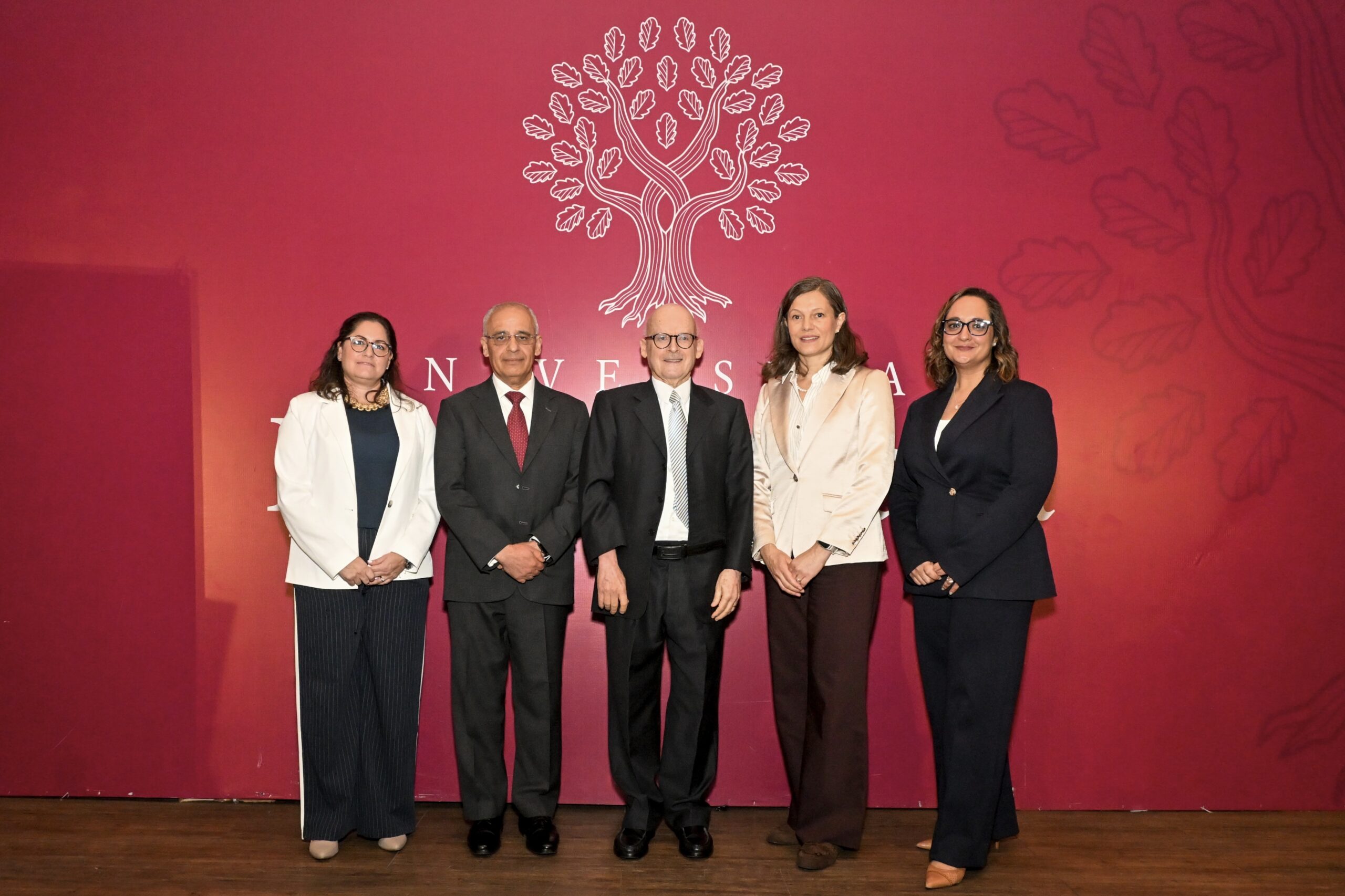
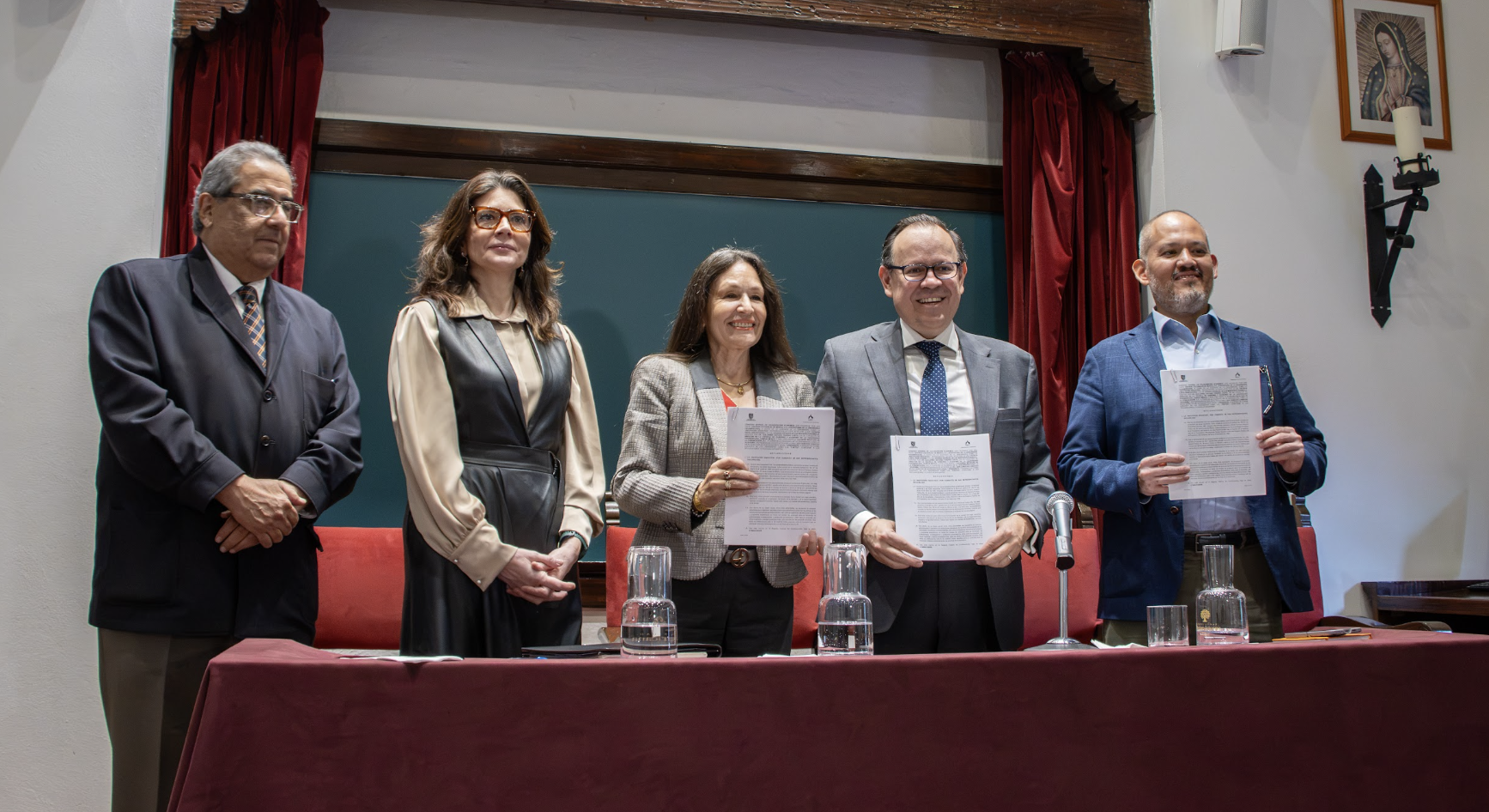
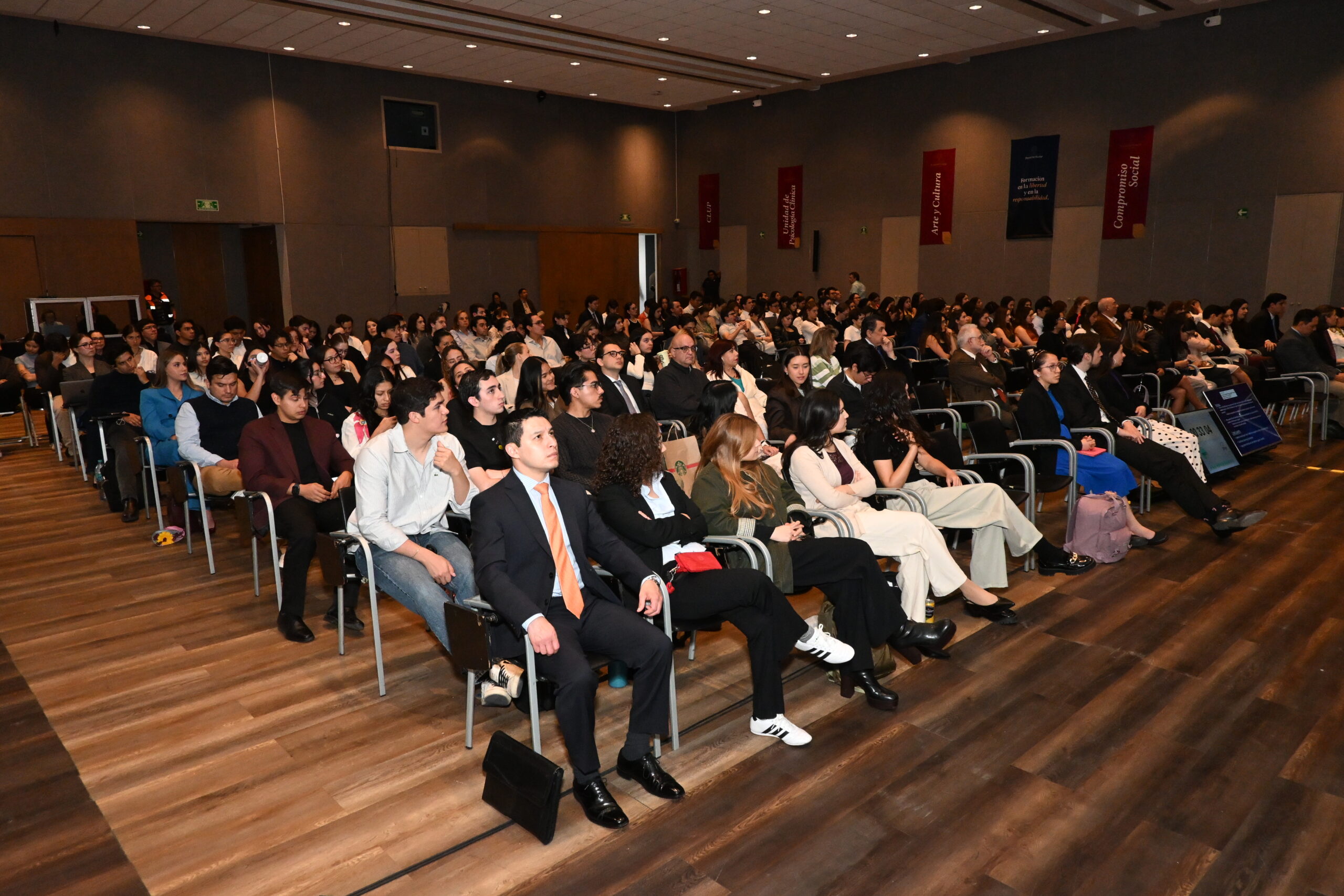
Mexico City, May 6, 2026.—The School of Health Sciences at the Universidad Panamericana its 28th Annual Research Conference, an academic event that brought together students, faculty, and researchers from its Schools of Medicine, Nursing, and Psychology to present health research projects with clinical, social, and educational impact.
This event highlighted how university health research is integrated into academic training to foster critical thinking, analytical skills, and social commitment, in line with the Universidad Panamericana mission Universidad Panamericana educate professionals with a scientific and humanistic approach.
Health Research: Academic Training with Real-World Impact
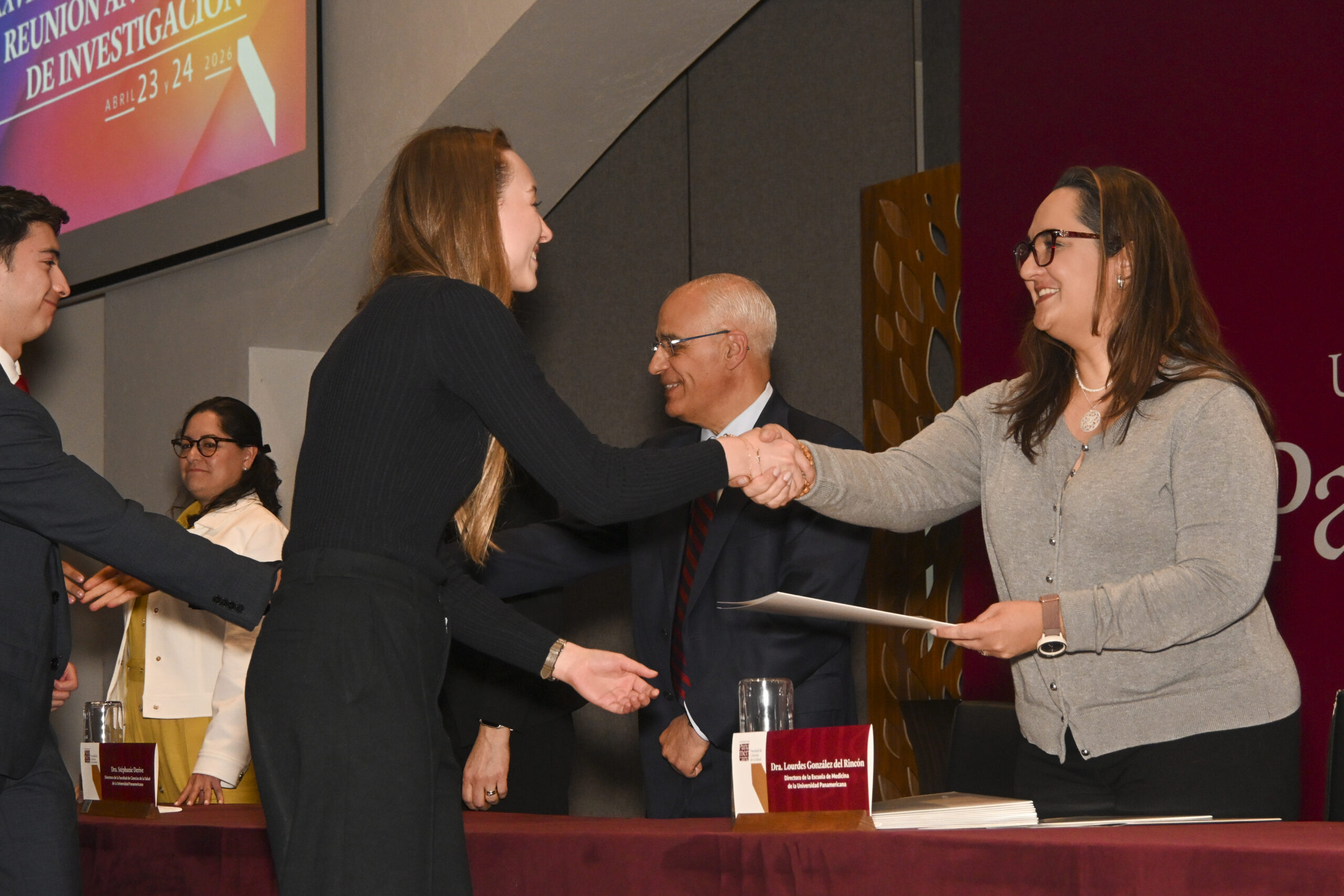
The meeting took place on April 23 and 24, 2026, as part of the 30th anniversary celebrations of the Schools of Medicine and Nursing. During her remarks, Dr. Stephanie Derive, dean of the School of Health Sciences, highlighted the role of research as a key pillar of academic training, as it fosters community, strengthens students’ holistic development, and consolidates a professional practice grounded in science, humanism, and service.
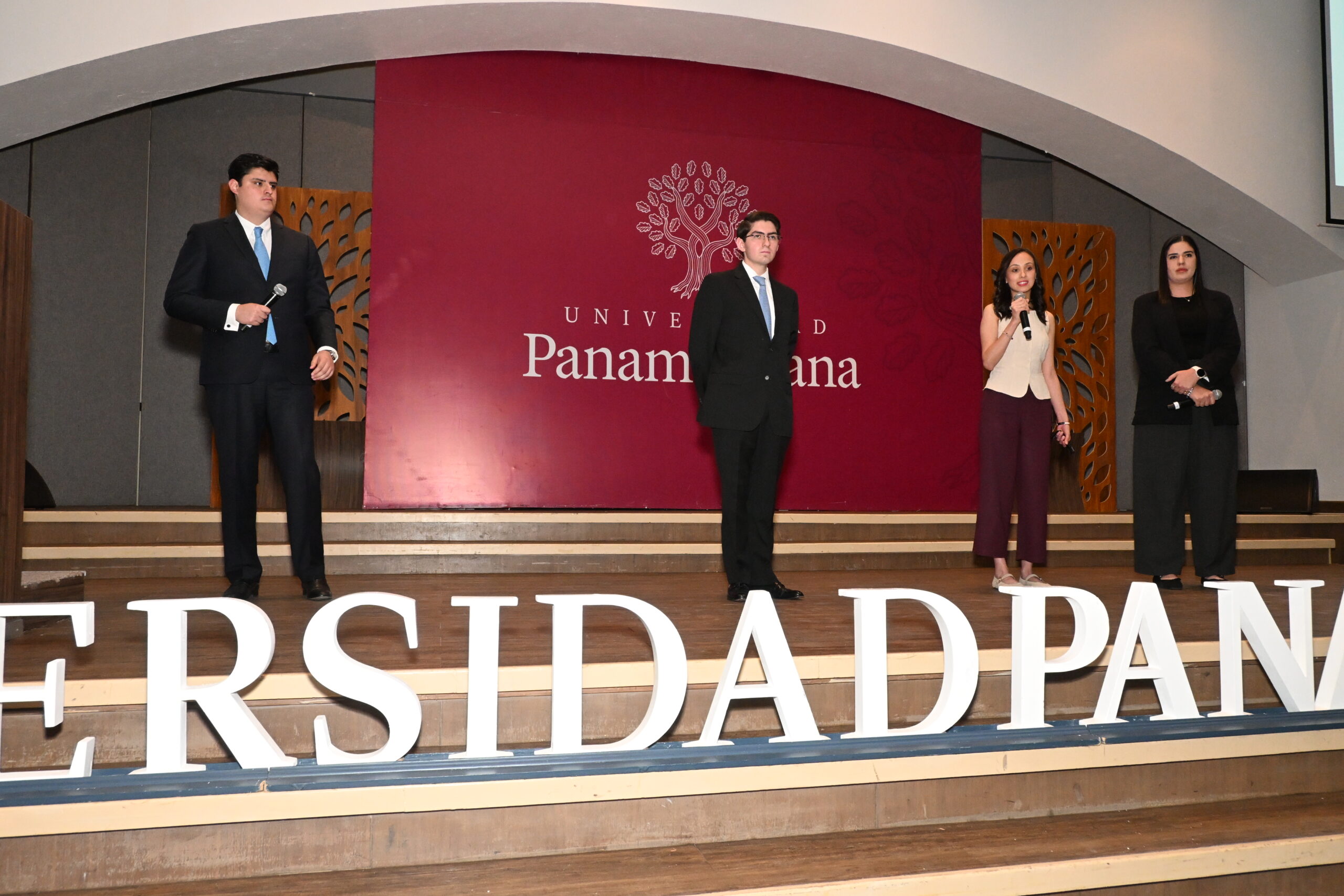
“The Annual Research Meeting reflects the commitment of our students and faculty to research that begins in the classroom, is strengthened through academic guidance, and addresses the specific needs of patients and their communities,”he said.
During the event, projects were presented in oral and poster formats on priority topics such as:
- Mental health
- Chronic diseases
- Clinical Care and Patient Safety
- Oncology, Pediatrics, and Women's Health
- Health Education and Palliative Care
These projects demonstrate the students' ability to bridge the gap between theory and clinical practice and address the real needs of society.
Mental Health and Well-being: Research in Psychology
The School of Psychology presented research focused on high-impact issues. Notable projects included studies on cognitive-behavioral therapy for trauma in adult women with adverse childhood experiences, predictive models of suicide, and magnetic stimulation for addiction.
The keynote address It’s Not Just Hormonal, delivered by Dr. Dannia Islas Preciado, addressed the importance of raising awareness of mental health conditions in women, including premenstrual dysphoric disorder, from a scientific and contextual perspective.
In addition, the students addressed issues that have a direct impact on various settings, such as schools, families, and clinical practice.
Notable among these are the normalization of psychological violence in intimate partner relationships, the relationship between metacognition and academic performance in elementary school children, the use of LEGO-based therapy for the neuro-rehabilitation of pediatric patients with autism spectrum disorder, as well as the association between resilience, morningness, and burnout in medical residents.
Medicine: Clinical Research to Improve Healthcare
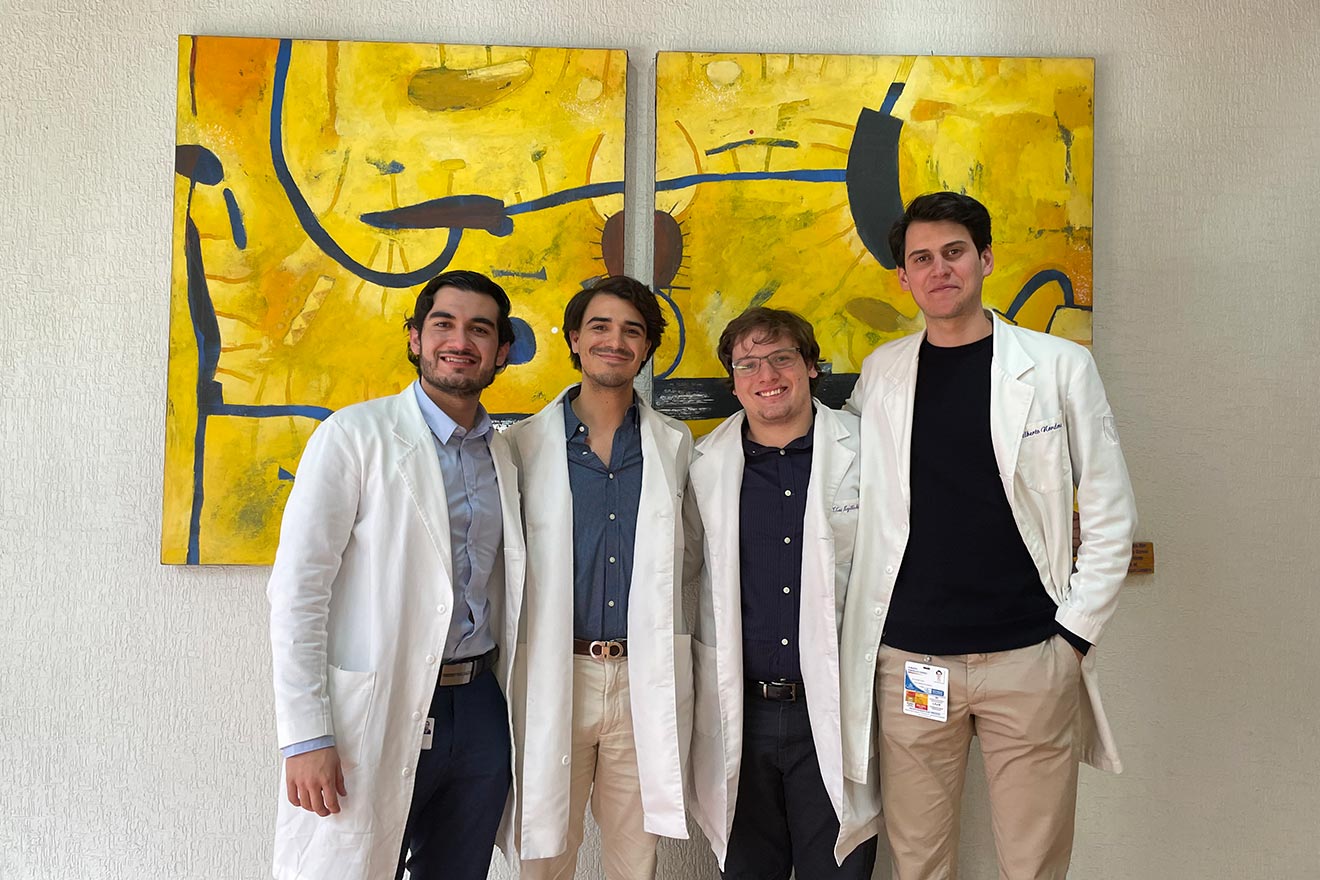
The School of Medicine presented projects developed by eighth-semester students and social service interns in the field of research, focusing on areas such as basic sciences, clinical medicine, and epidemiology.
According to Dr. Stephanie Derive, these studies reflect advances in fields such as internal medicine, hematology, oncology, gastrointestinal surgery, ophthalmology, pediatrics, gynecology, and obstetrics.
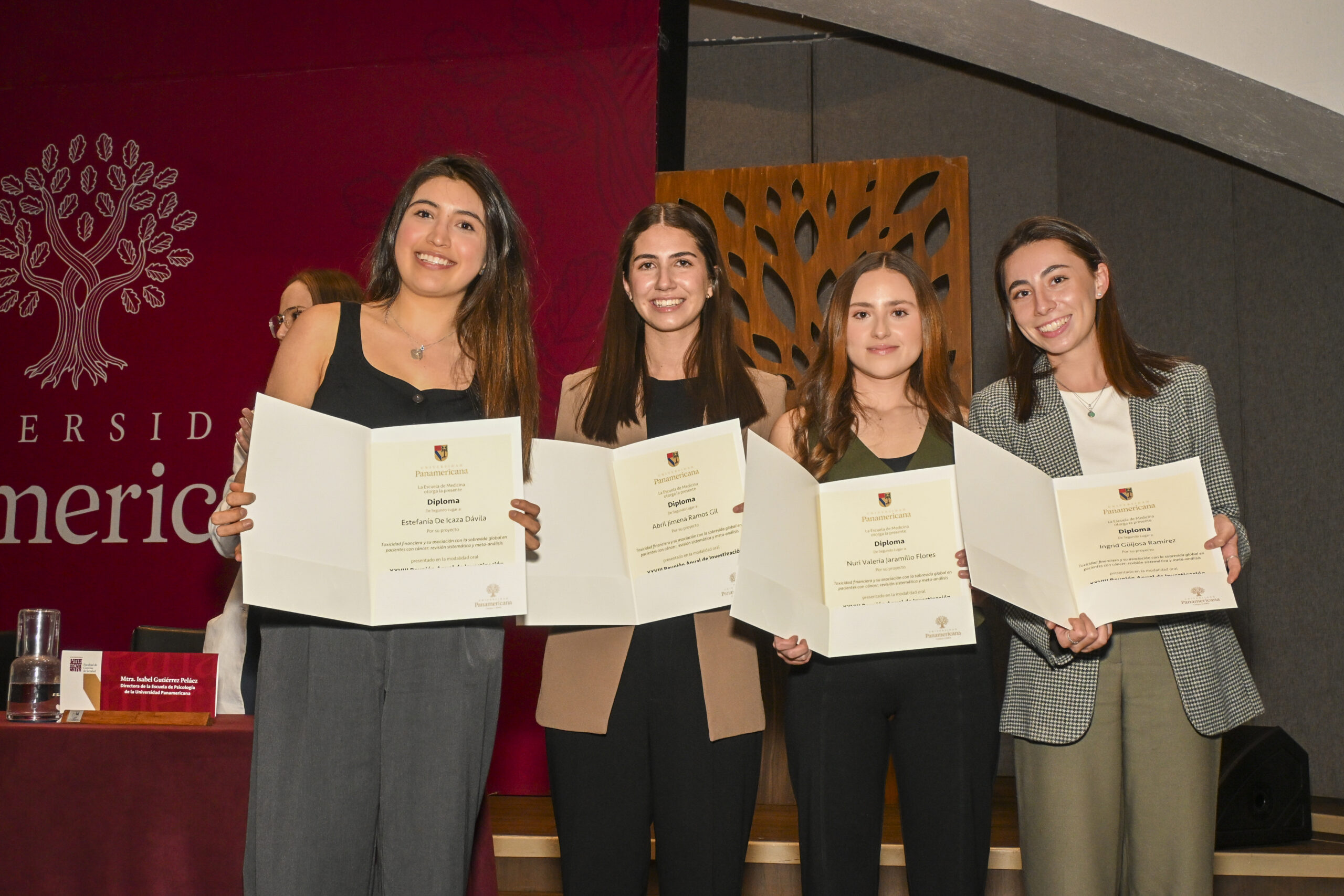
Notable among the projects included in the reports are studies with the potential to impact patient care and clinical decision-making, such as the relationship between financial toxicity and survival in cancer patients; the comparison between metabolic syndrome and vitamin B12 levels in people with prediabetes; clinical factors associated with hospital discharge in twin neonates; prognostic factors in ovarian neoplasms; and a systematic review on polycystic ovary syndrome in adolescents.
Studies were also presented on:
- Sarcopenia in pancreatic cancer
- Delays in the Diagnosis of Intracranial Tumors in Mexico
- Aplastic anemia and chronic myeloid leukemia
- Pneumonia in immunosuppressed patients and gliomas
- Delivering Bad News in Medical Practice
- Training in medical statistics
Taken together, these projects reflect an educational approach focused on developing the skills needed to formulate clinical questions, analyze evidence, and communicate results with rigor, in line with the School of Medicine’s academic model.
Nursing Research: Evidence for Safer and More Humane Care
The School of Nursing presented three oral presentations developed by sixth-semester students, focusing on key topics such as quality of care, the patient experience, and the well-being of health sciences students.
The projects examined the relationship between sleep quality and academic performance; the impact of palliative care on the quality of life of people living with HIV; and the effects of nursing interventions on patients with chronic kidney disease.
Taken together, these studies highlight the value of evidence-based nursing by translating scientific knowledge into actions that improve the quality, safety, and patient-centeredness of care.
The keynote address was delivered by Dr. Ruth A. Bryant, an international specialist in wound care, ostomy care, and incontinence care. Her presentation, Interdisciplinary Research: Defining Priorities from Professional and Clinical Experience, highlighted the importance of interdisciplinary research and the development of research agendas based on clinical experience.
In addition, she led a session on decision-making in the treatment of complex wounds, emphasizing the role of a holistic nursing approach in healthcare.
An academic community that conducts research to serve
The 28th Annual Research Meeting reaffirms that research at the Universidad Panamericana not only generates knowledge but also helps solve real-world health problems.
Through these projects, students develop key skills such as information search and analysis, critical thinking, scientific communication, teamwork, and an understanding of complex human problems.
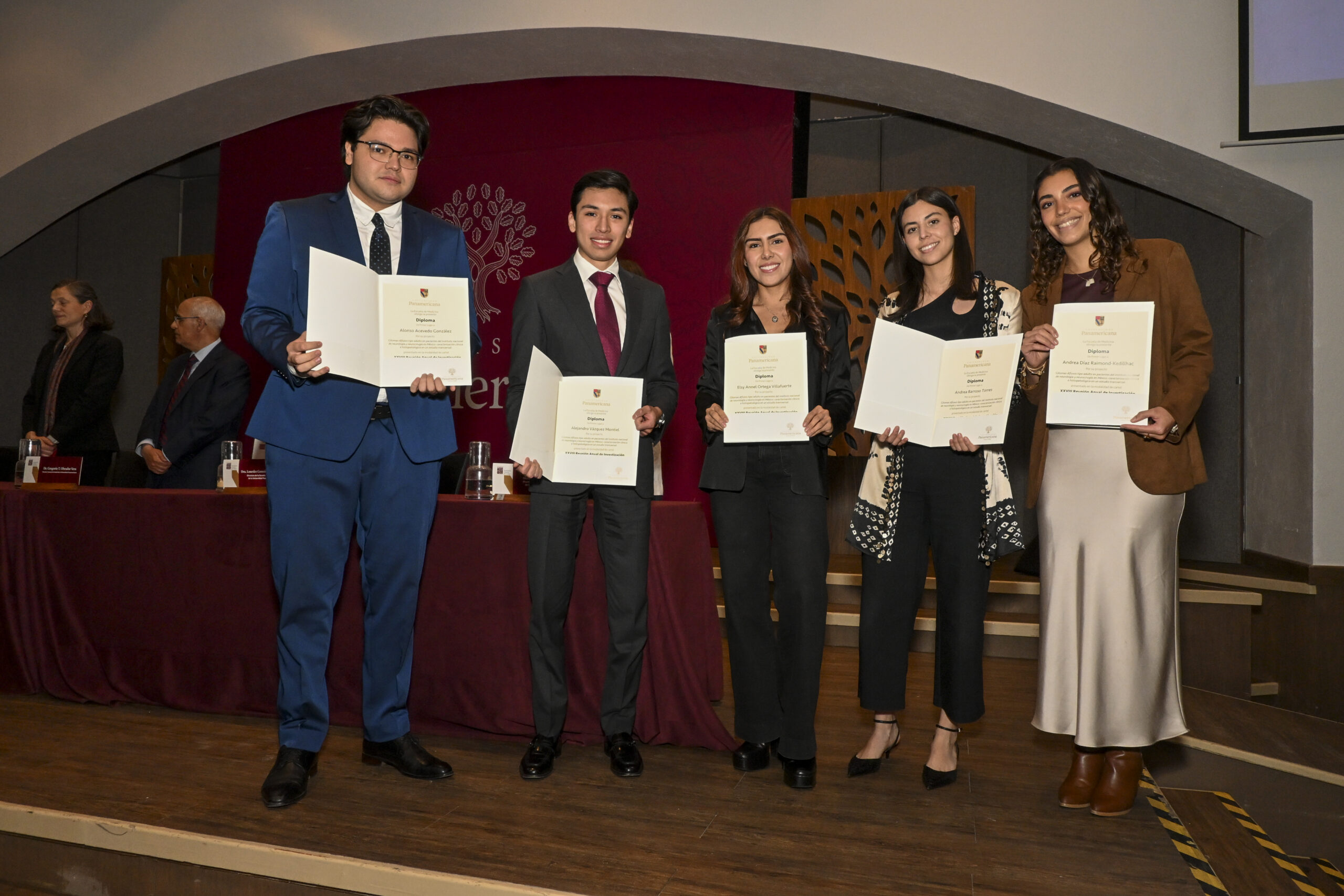
The School of Health Sciences thus reinforces its commitment to ethical, interdisciplinary research with a social impact, aimed at improving clinical practice and people’s well-being.
Learn more about the Panamericana University School of Health Sciences at: https://www.up.edu.mx/educacion-universidad-facultad-de-ciencias-de-la-salud/