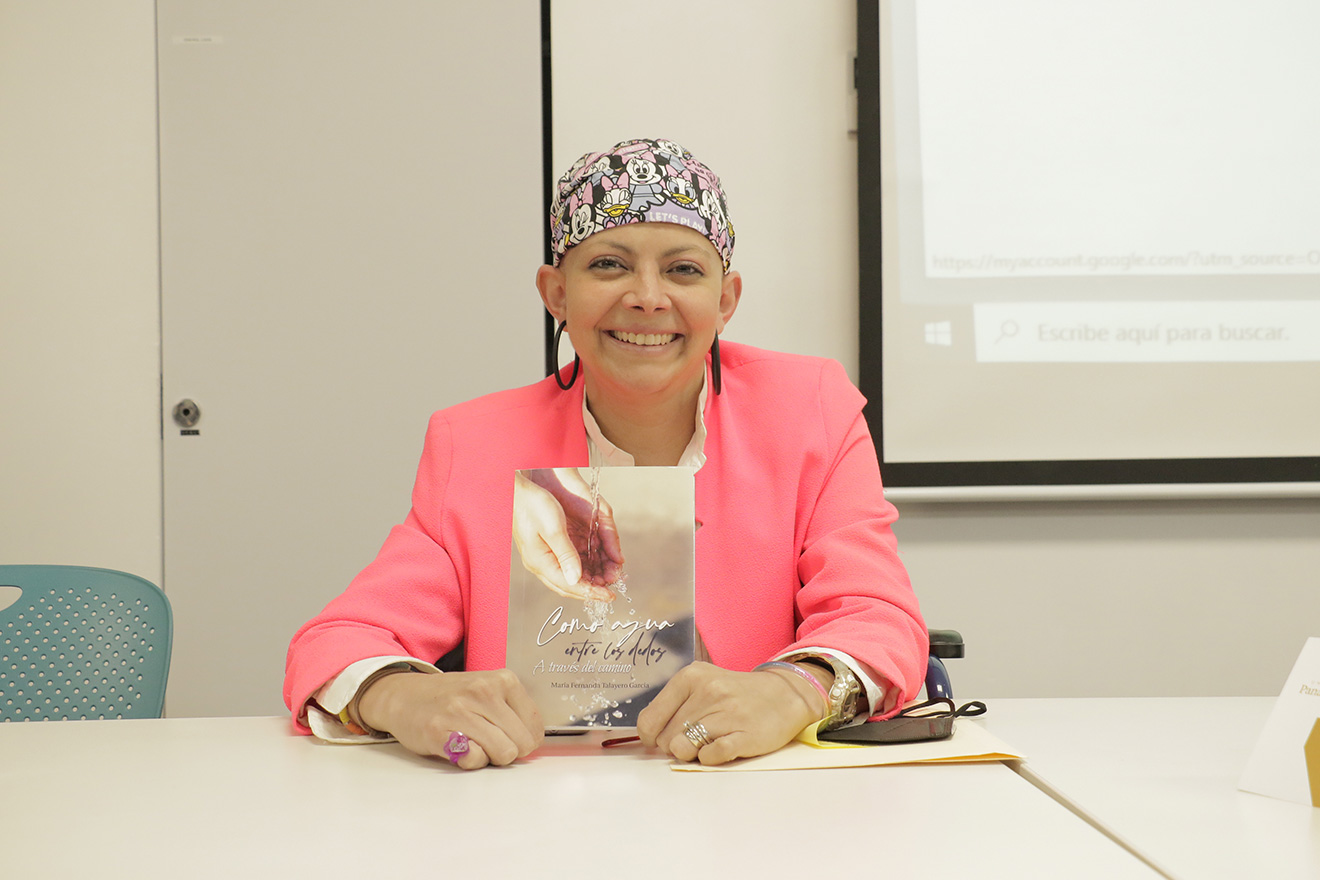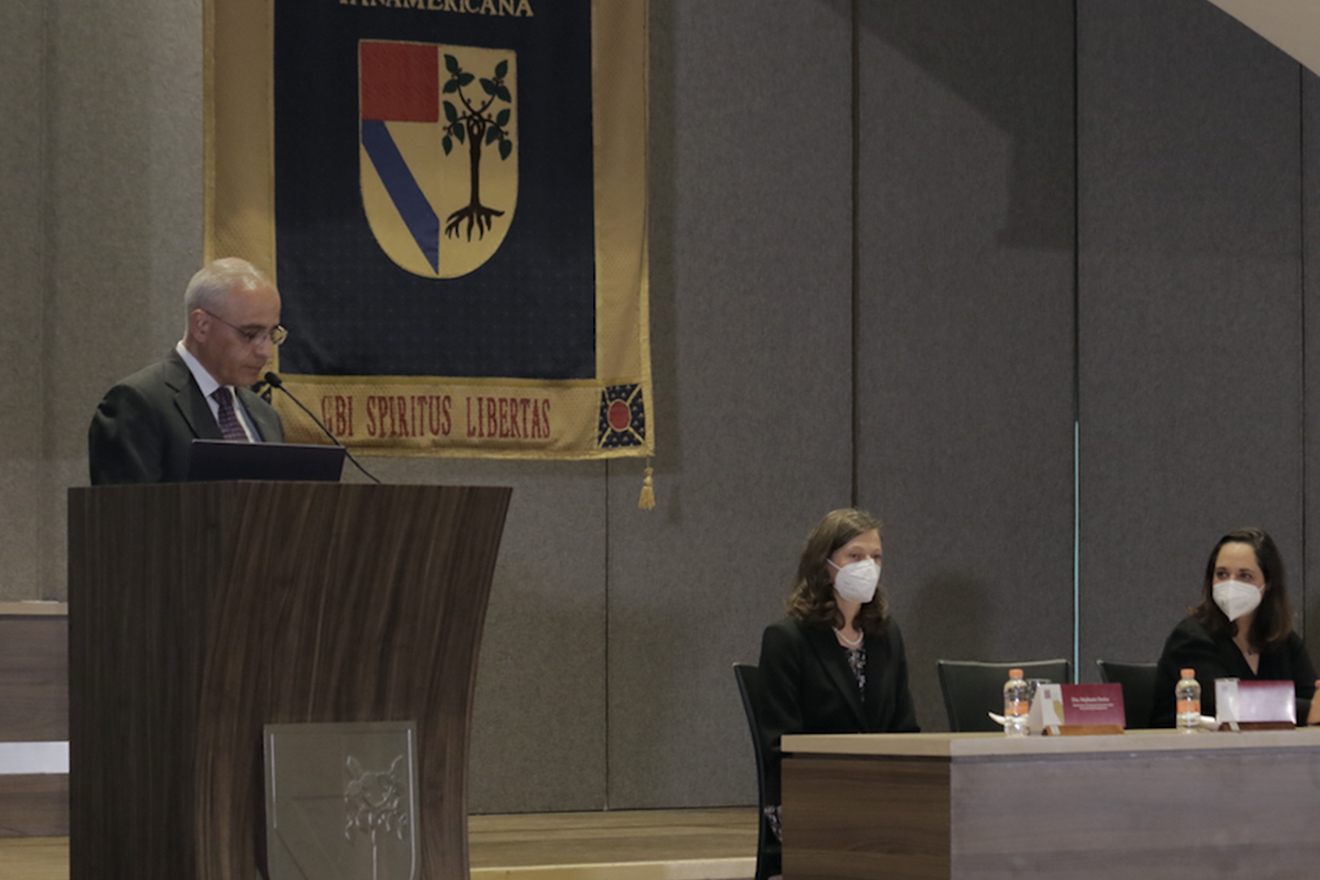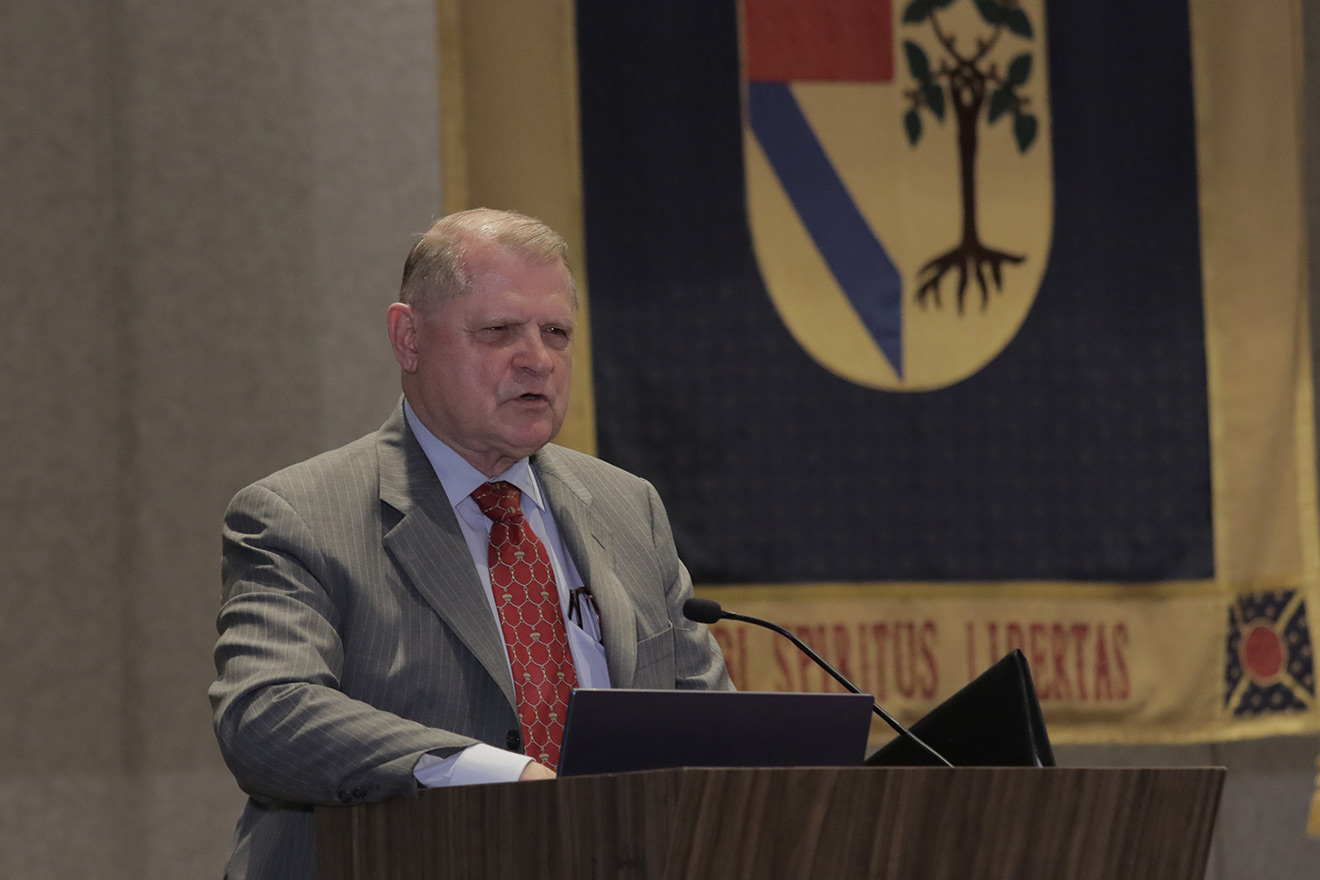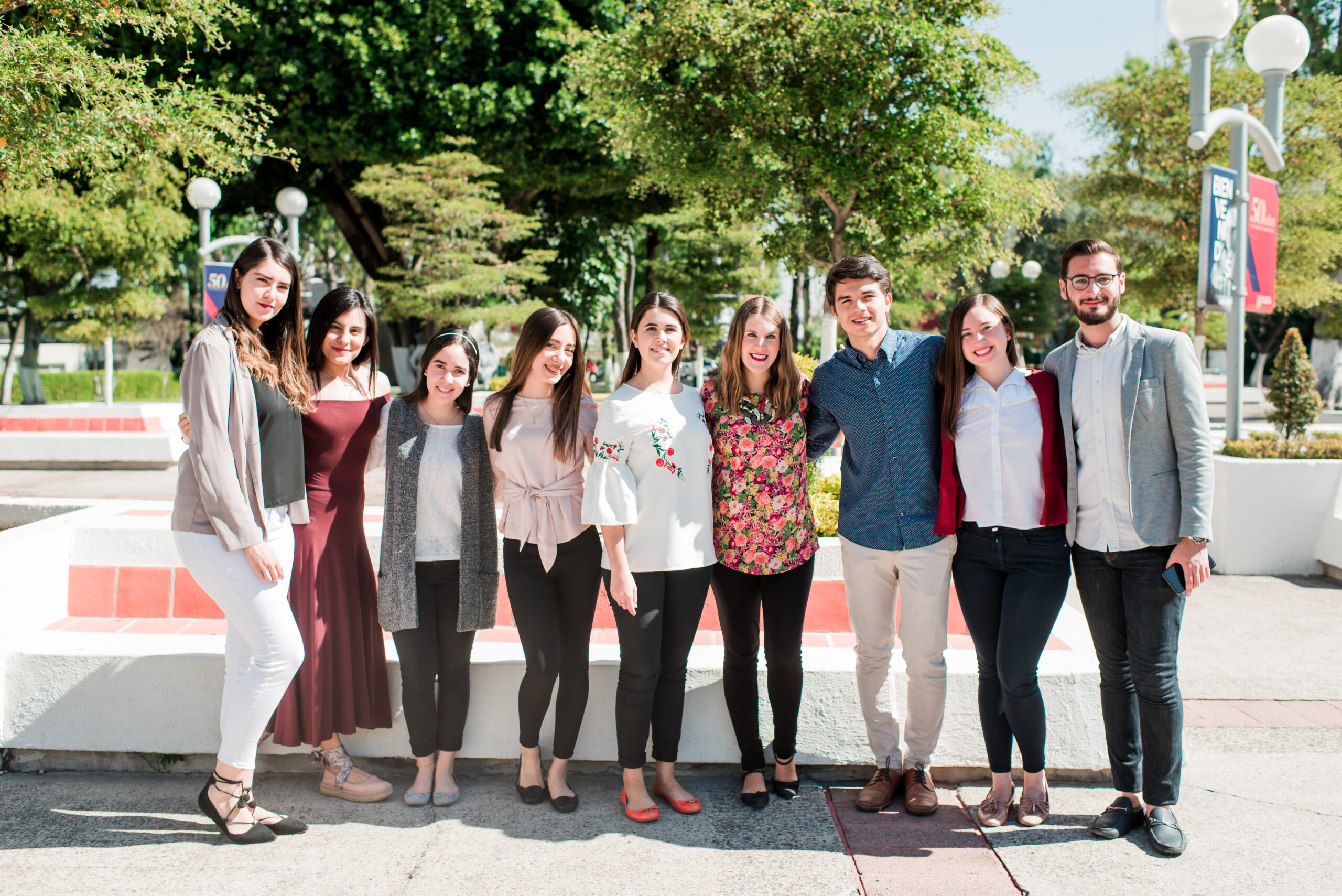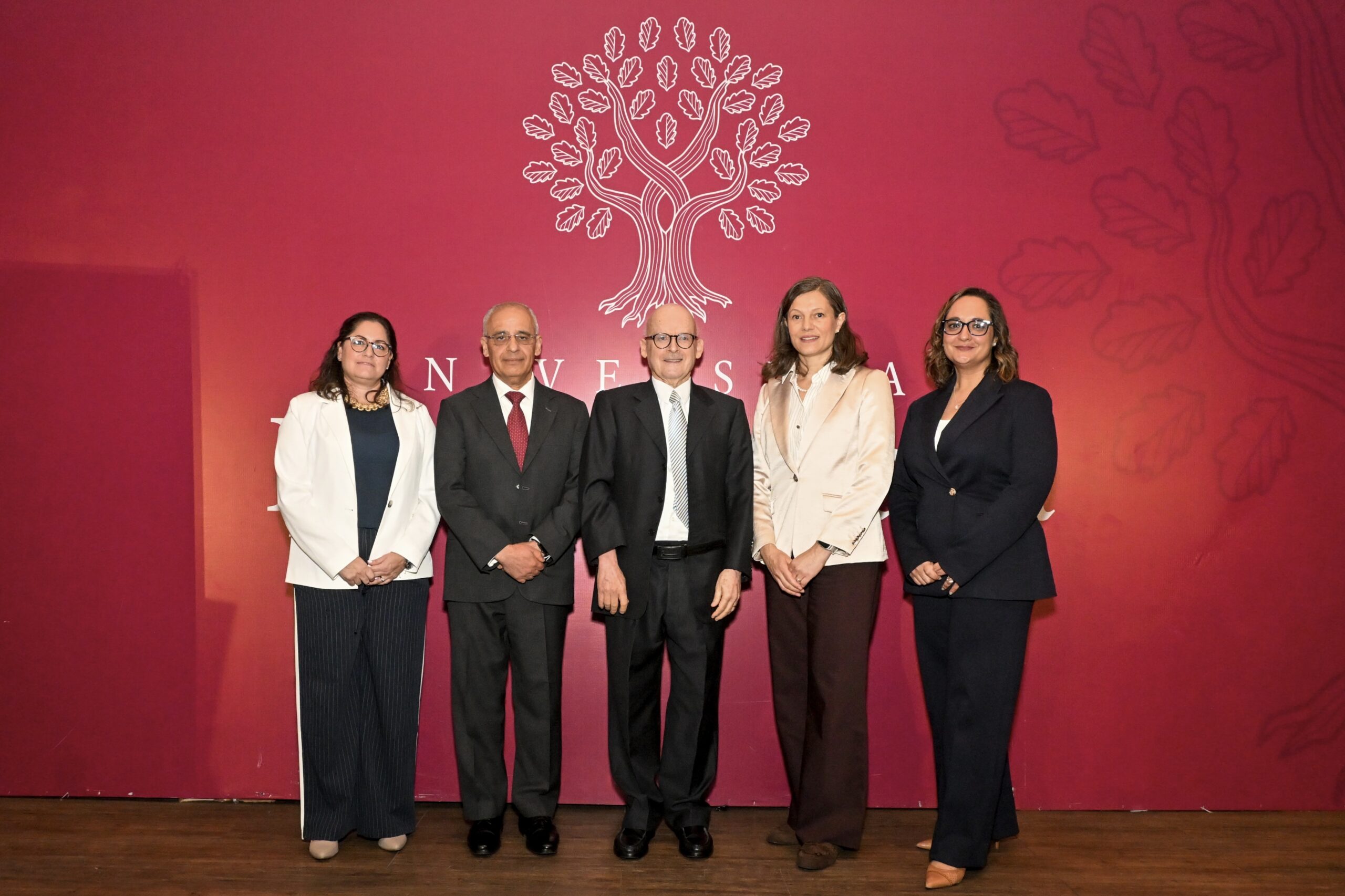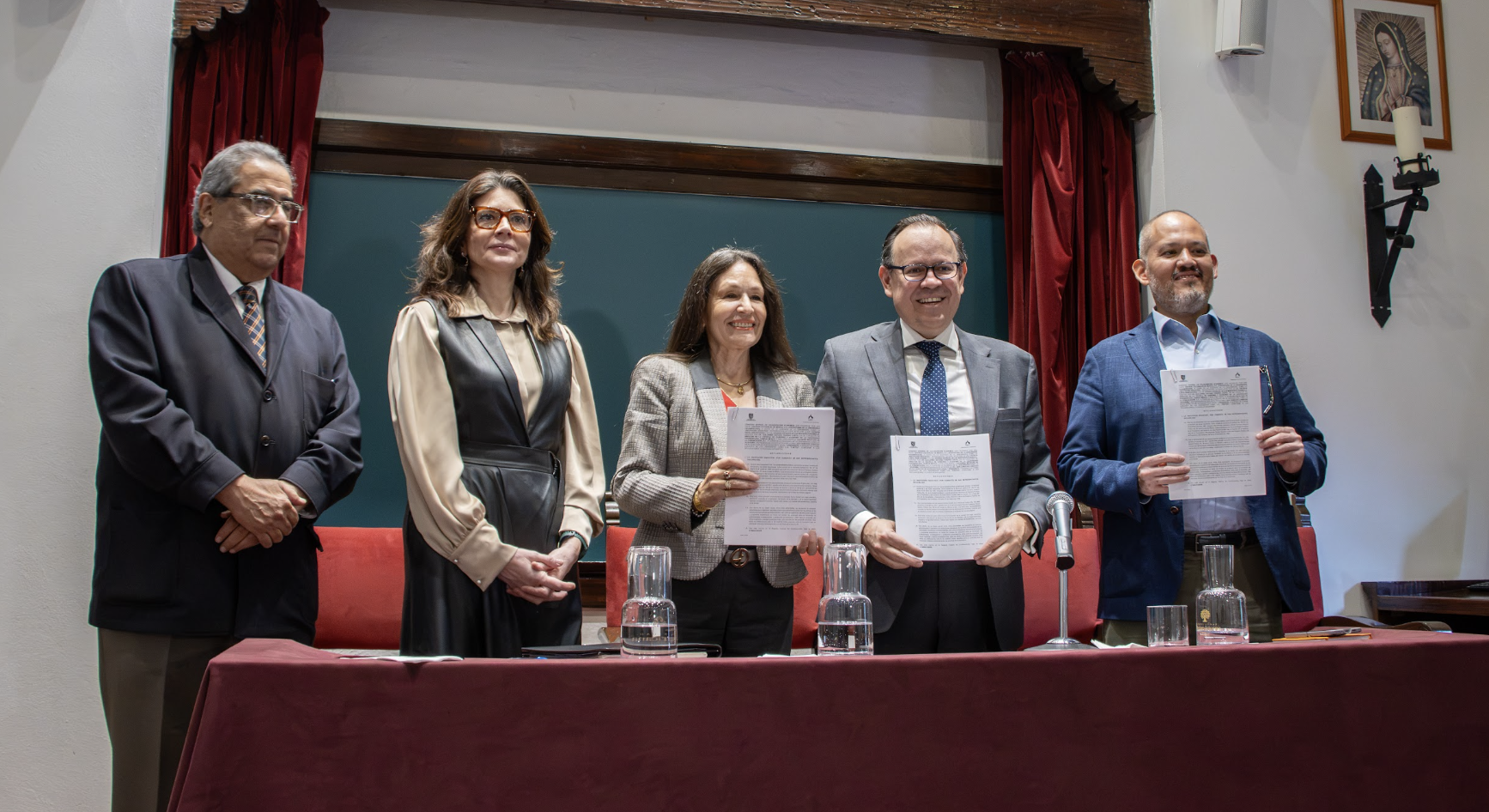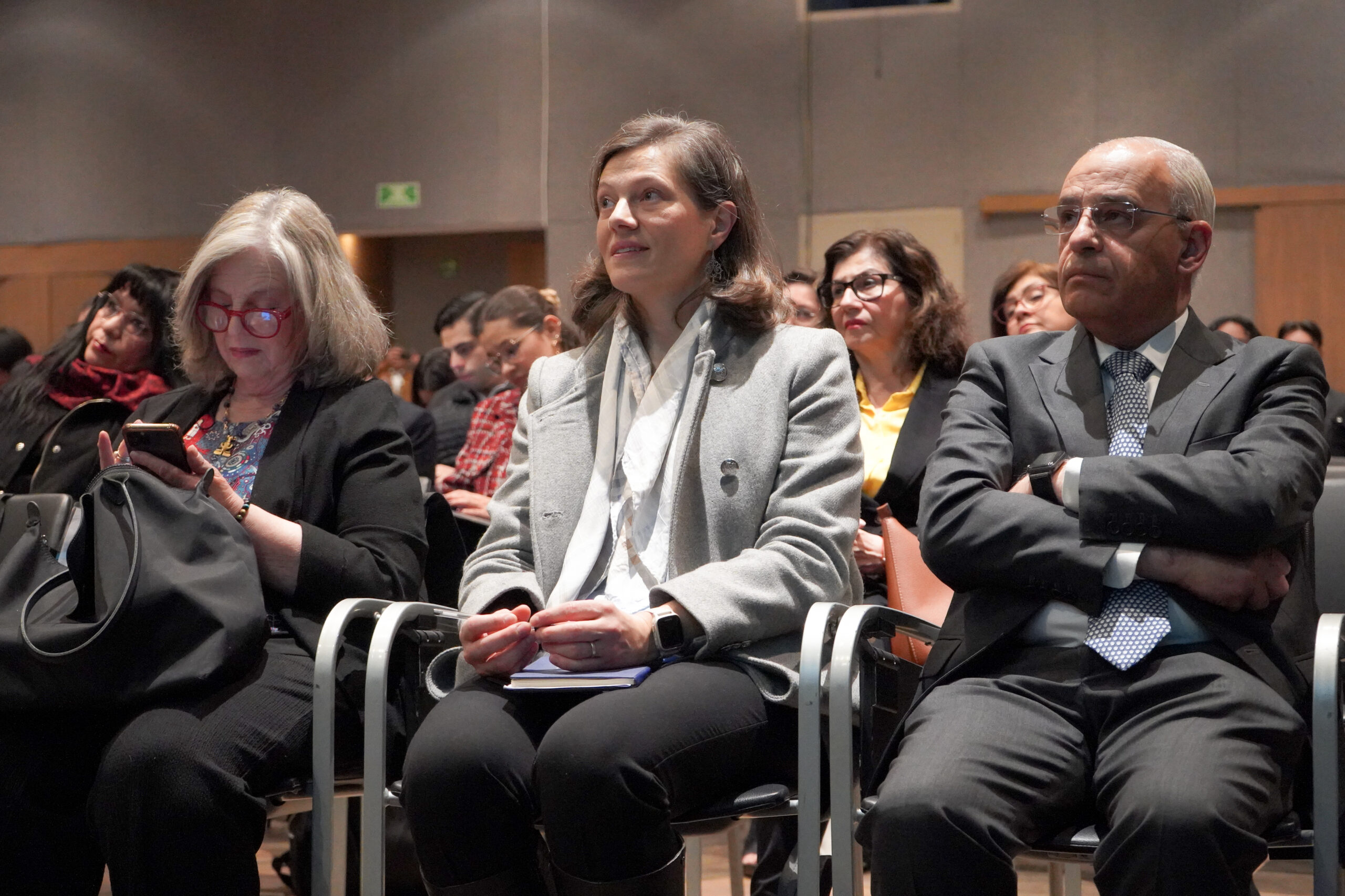
Mexico City, January 27, 2024. The School of Psychology of the School of Health Sciences of the Universidad Panamericana celebrated its 12th anniversary with the 1st International Symposium on Psychology: Present and Future of Behavioral Sciences, which brought together national and international experts to analyze the advances, challenges and perspectives in behavioral sciences and mental health.which brought together national and international experts to analyze the advances, challenges and perspectives in the behavioral sciences and mental health.
A high-impact academic meeting
The main objective of the symposium, held in the auditorium of the Universidad Panamericana, Mexico City campus, was to commemorate the first 12 years of the School of Psychology. 12 years of the School of Psychologyhighlighting its growth and contribution to the contribution to the training of professionals in the field of mental health.
In addition, the event promoted the exchange of knowledge with internationally renowned specialists.
Distinguished speakers included:
- Professor Todd RogersPh.D., professor of public policy at Harvard's Kennedy School of Government.
- Professor Albert RizzoPh.D., Research Professor at the David School of Gerontology and the Department of Psychiatry and Behavioral Sciences at the Keck School of Medicine of USC.
- María Elena Medina-Mora Icaza, Ph.social psychologist at the National Autonomous University of Mexico (UNAM), level III of the National System of Researchers (SNII).
- Dr. Feggy Ostrosky; psychologist at UNAM and founder of the Mexican Society of Psychology.

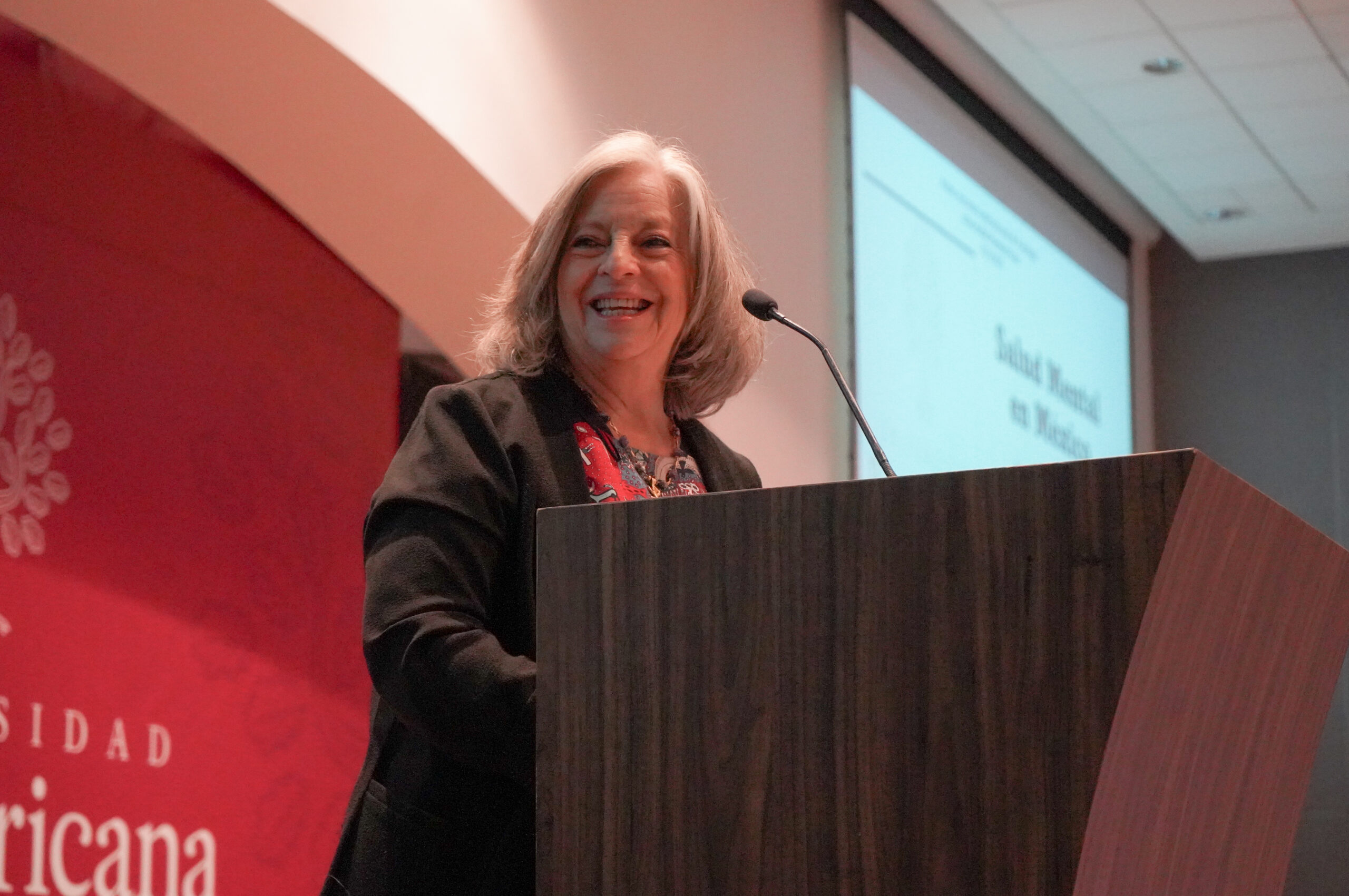
Inauguration: reflections on the impact of psychology
The event began with welcoming remarks by Dr. Gregorio Tomás Obrador Vera, General Director of Health of the Panamerican University.General Director of Health of the Universidad Panamericana, who highlighted the importance of the symposium as a space to reflect on advances in psychology and its impact on society. space to reflect on advances in psychology and its impact on society.
"This symposium is an opportunity to learn from the experts gathered here and to reflect on the achievements we have made as an academic community,"he said.
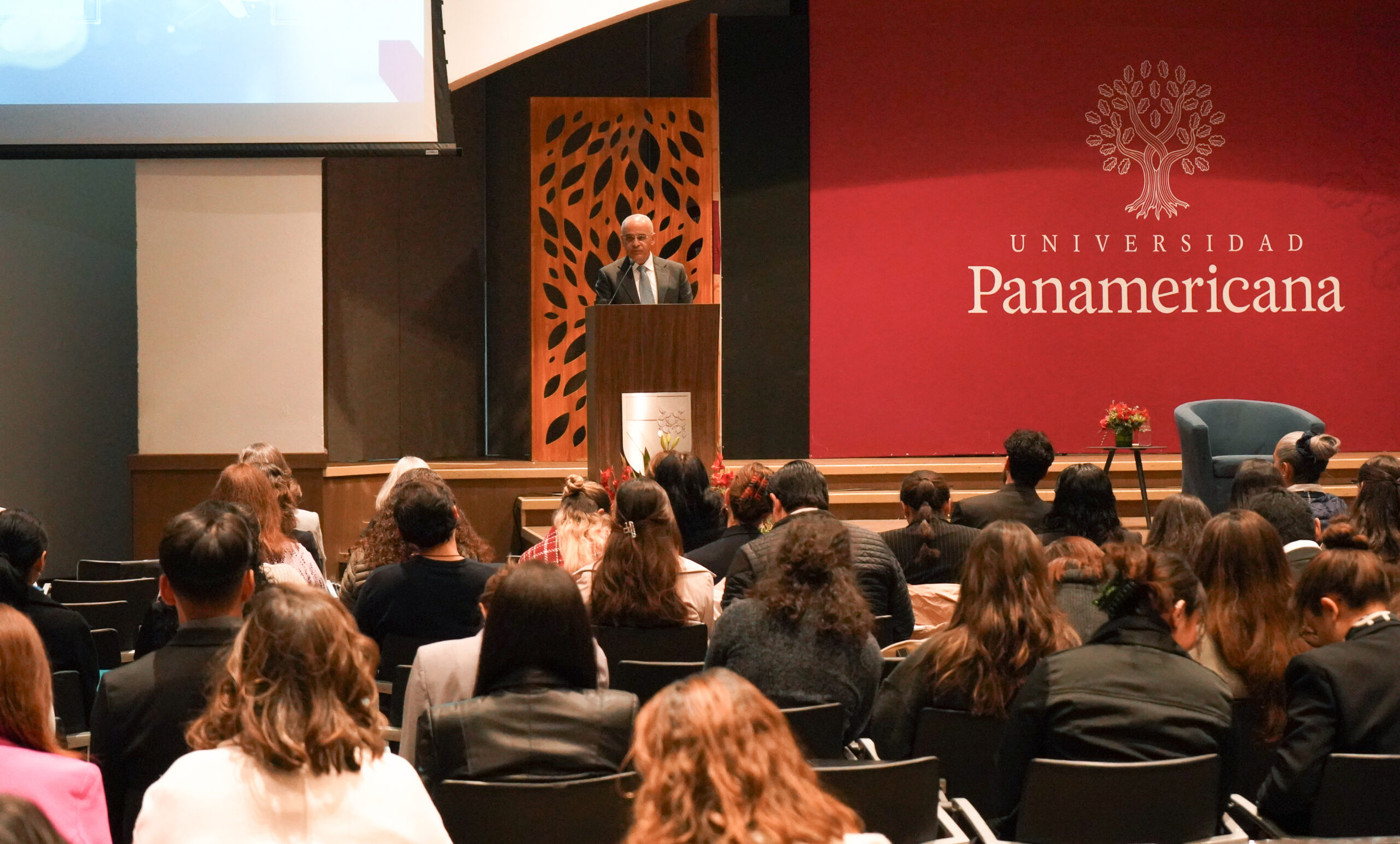
For her part, Ms. Isabel Gutiérrez Peláez Isabel Gutiérrez Peláez, dean of the School of Psychology of the Faculty of Health Sciences, presented a historical overview of the growth of the institution.dean of the School of Psychology of the Faculty of Health Sciences, presented a historical overview of the growth of the institution, highlighting milestones such as the opening of the Clinical Psychology Unit in 2017, and the accreditation of the academic program by the National Council for Teaching and Research in Psychology in 2022.

"Today, our school has 189 graduates and 175 active studentsand we remain committed to training psychologists with a solid clinical psychologists with a solid clinical preparation and a deep social commitment."said the dean.
Science of Behavior Change
The first conference, entitled Science of Behavior Change, was given by Professor Todd RogersD., Ph.D., an expert in behavioral science and professor at Harvard University. In his presentation, he shared practical tools to influence behavioral change, based on principles such asbased on principles such as:
- Social conformity: people tend to conform their behavior to that of others, especially when they perceive an action to be common or achievable.
- Acceptance of default options: people tend to accept the options presented to them as defaults.
- Process simplification: making desired actions easy to perform increases the likelihood that people will perform them.
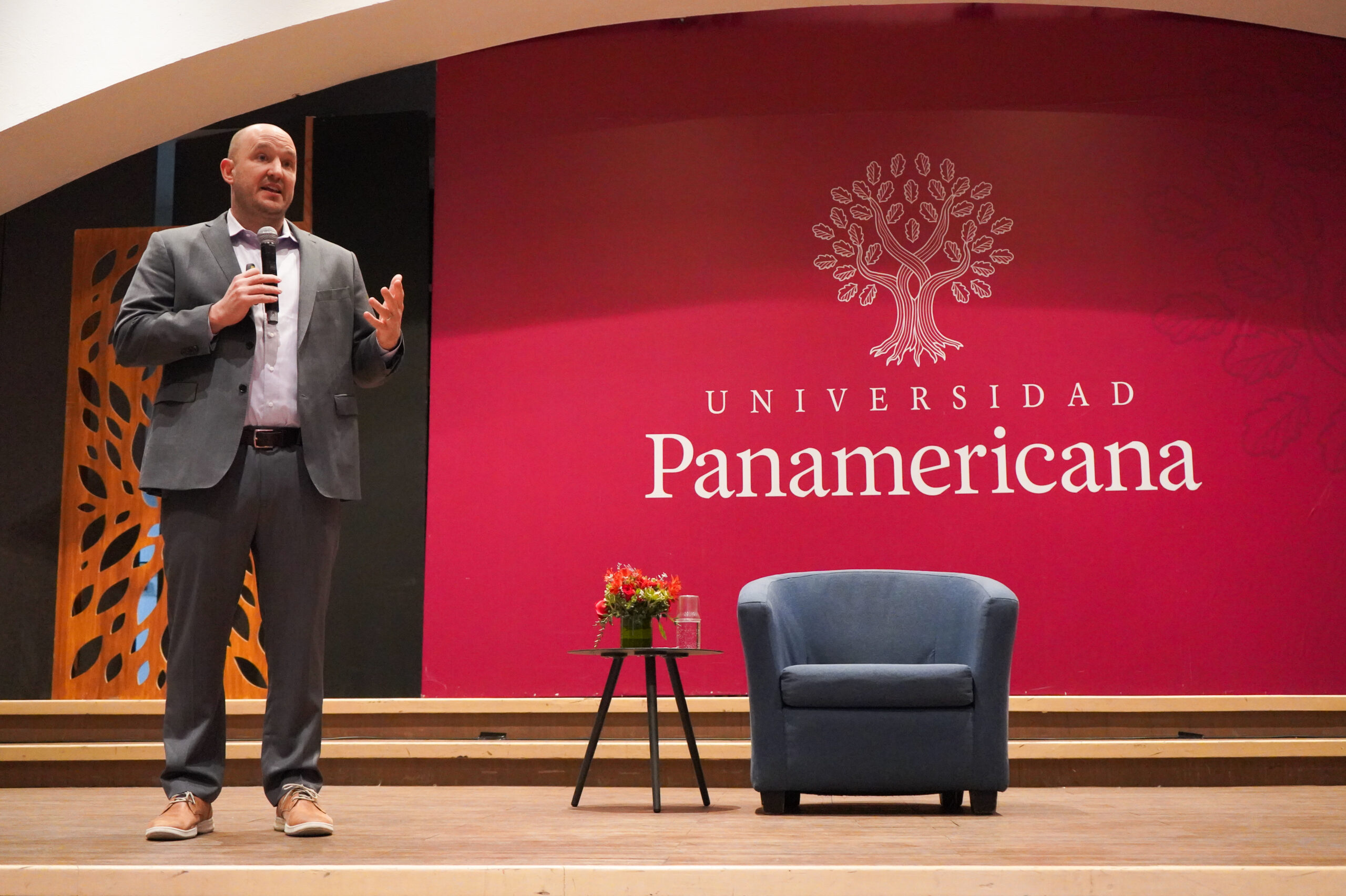
In addition, he stressed the importance of designing strategies that make it easier for people to make positive decisions. "If something is important to us, we should make it easy for others," he said.he said.
Didn't you read the things?
In the closing lecture, Dr. Todd Rogers returned to deliver Didn't You Read the Things?where he shared strategies for improving written communication in digital and academic environments.. He emphasized the importance of clear messages, using short words, and eliminating unnecessary information.
"The idea is to make reading as easy as possible for the reader. If we do that, we will not only be more effective, but also kinder to our readers"he explained.

Conclusions and closing
The symposium was concluded with remarks by Dr. Stéphanie DeriveDean of the Pan American School of Health Sciences, who thanked the speakers and attendees for their participation.
"This symposium has been an invaluable opportunity to reflect on the present and future of psychology, and to inspire our students and professionals to continue to innovate in the field of behavioral sciences," he said.he said.

Dr. Derive also highlighted the importance of the lectures presented, which covered topics such as behavioral change, mental health in Mexico, clinical applications of virtual reality and violence prevention.
"These issues are not only relevant to our academic community, but also to society at large, as we face complex challenges that require innovative and collaborative solutions. we are faced with complex challenges that require innovative and collaborative solutions"he concluded.
An event that points the way to the future
The 1st Pan American International Psychology Symposium not only celebrated the achievements of the School of Psychology in its first 12 years, but also laid the groundwork for future collaborations and advancements in the field of behavioral sciences.
This event demonstrated Universidad Panamericana'sUniversidad Panamericana 's commitment to academic excellence and social impact.
Learn more about Universidad Panamericana 's School of Health Sciences at: https://www.up.edu.mx/educacion-universidad-facultad-de-ciencias-de-la-salud/