Motivation in college is linked to various factors that influence student performance and retention, including the purpose of what they learn, study habits, emotional well-being, personal circumstances, academic support, and teaching methods.
For a generation accustomed to obtaining information, entertainment, and answers in a matter of seconds, staying motivated throughout college is one of the challenges of higher education. Digital overstimulation, the pursuit of immediate results, and the need to find practical applications for the knowledge they acquire can change the way students approach learning.
For Nathaly Encarnación Pérez Reyes, M.A., academic coordinator of the School of Education and Psychology at the Aguascalientes campus of the National Autonomous University of Mexico ( Universidad Panamericana ), one of the main challenges is digital overstimulation. The speed with which information is currently accessed can create the expectation that academic results must also be achieved immediately.

When this doesn't happen, he explains, frustration and demotivation can set in. A student who doesn't achieve the expected result on the first try may even begin to question their own abilities or their choice of career. Added to this is an attention span accustomed to constantly jumping between stimuli, as is the case with short videos on social media.
Why Do College Students Lose Motivation?
The pursuit of instant gratification, digital overstimulation, a lack of purpose, inconsistent habits, and personal circumstances can affect college students' motivation.
This pursuit of immediacy is also noted by Zyanya Paola Díaz García, M.A., coordinator of Educational Innovation and the TALENT Teacher Center at the Universidad Panamericana, who points out that today’s students are closely tied to the principle of instant gratification.

But what does this mean for higher education? The challenge is not merely to compete for students' attention, but to transform the learning experience to make it more meaningful, practical, and attuned to their needs.
How can universities increase student motivation?
One strategy involves using active and dynamic learning methods that allow students to participate more directly in the construction of knowledge.
Ms. Díaz García highlights some alternatives:
- Flipped Classroom: This approach allows students to review theoretical content on their own and use class time with the teacher to ask questions and apply what they’ve learned.
- Microlearning: presents information in short, bite-sized segments that make it easier to understand and refer to.
- Gamification: incorporates game-based elements to encourage student participation and engagement.
These methodologies shift the focus of learning away from the mere transmission of information and promote a more active learning experience.
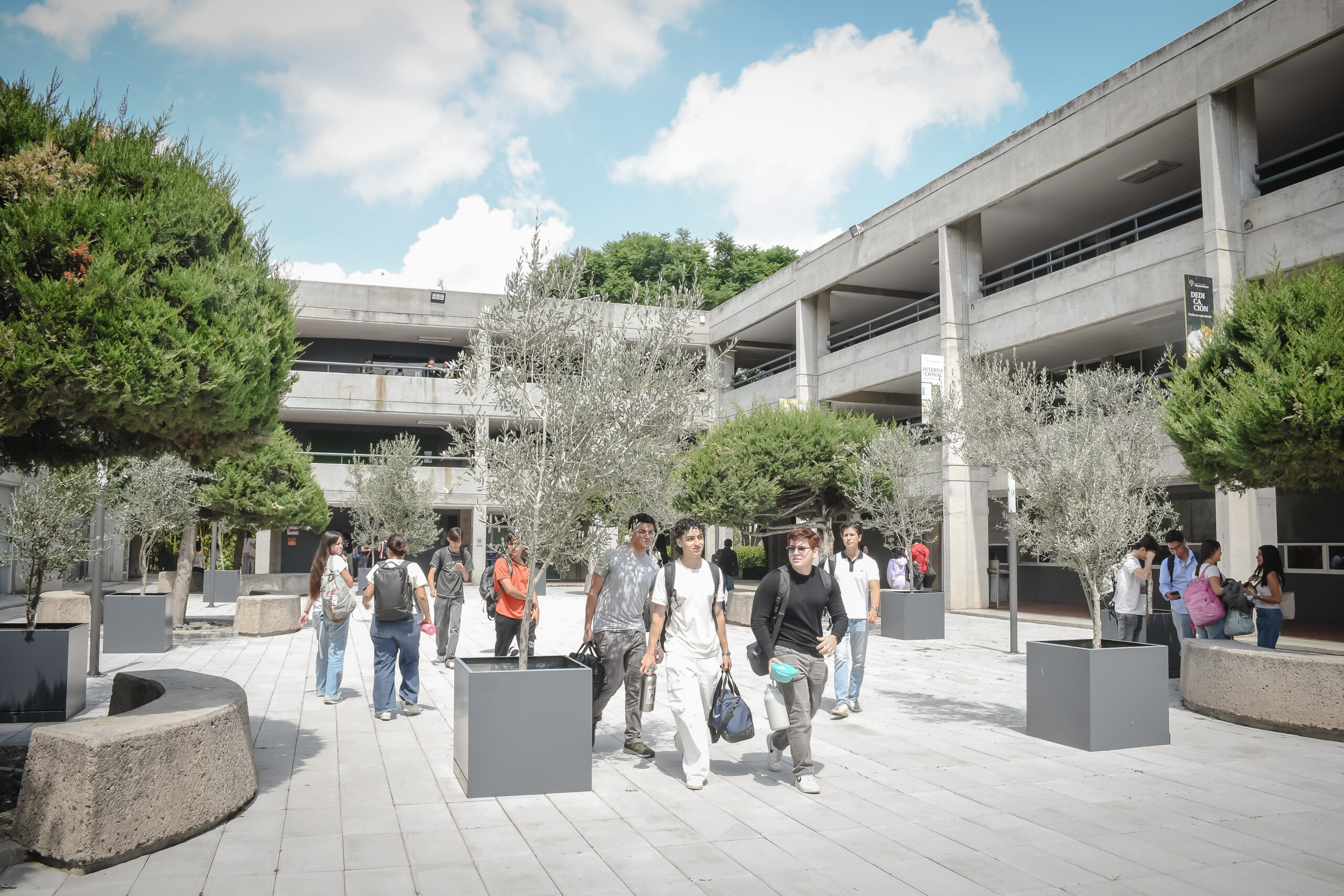
One of the most important factors in staying motivated in college is understanding the purpose of what you're learning and how it can be applied outside the classroom.
How can artificial intelligence be used to improve learning?
Artificial intelligence can be used as a tool to help diversify educational experiences, provided that its use is accompanied by critical thinking and fact-checking.
The TALENT Teacher Center promotes the use of AI tools to transform academic materials into podcasts, infographics, videos, interactive flashcards, and quizzes, among other resources.
However, the goal is not simply to obtain answers through artificial intelligence. It is also necessary to cross-check the information, verify its sources, and reflect on the thought process itself.
Thus, AI can complement learning without replacing the student's active participation or the teacher's guidance.
What other factors influence academic success?
Academic success does not depend solely on technology, motivation, or grades. Cognitive and affective processes, habits, perseverance, hard work, and each student’s personal circumstances also play a role.

Nathaly Pérez, M.A., points out that factors such as family and economic circumstances, commute times, and the process of living independently can influence the college experience.
Therefore, understanding a student's performance requires taking into account their context and not just their academic results.
Given this reality, what can a student do when they feel they have lost interest or perseverance? When facing a loss of motivation, the specialist recommends starting with introspection and self-assessment, with the goal of identifying what is happening and recognizing when it is necessary to seek support.
It is also important to remain consistent throughout the support process and to develop habits that will allow students to gradually get back on track academically.