October 2, 2025.—Every October 2, the Church commemorates the founding of Opus Dei, a work that began in 1928 in response to God’s call to St. Josemaría Escrivá de Balaguer.
For the Universidad Panamericana date is significant, as its identity and mission are deeply rooted in the spirit and teachings of St. Josemaría.
Holiness in the Ordinary
St. Josemaría’s central message—the universal call to holiness—transformed the way the Church and the faithful understand the Christian life.
Father Luis Felipe Quezada Pérez, senior chaplain at the Aguascalientes campus, explains that “almost a century ago, the idea that everyone, regardless of profession or circumstance, is called to holiness was novel and even difficult to accept. Today it is recognized as part of Church doctrine, but putting it into practice remains a challenge.”
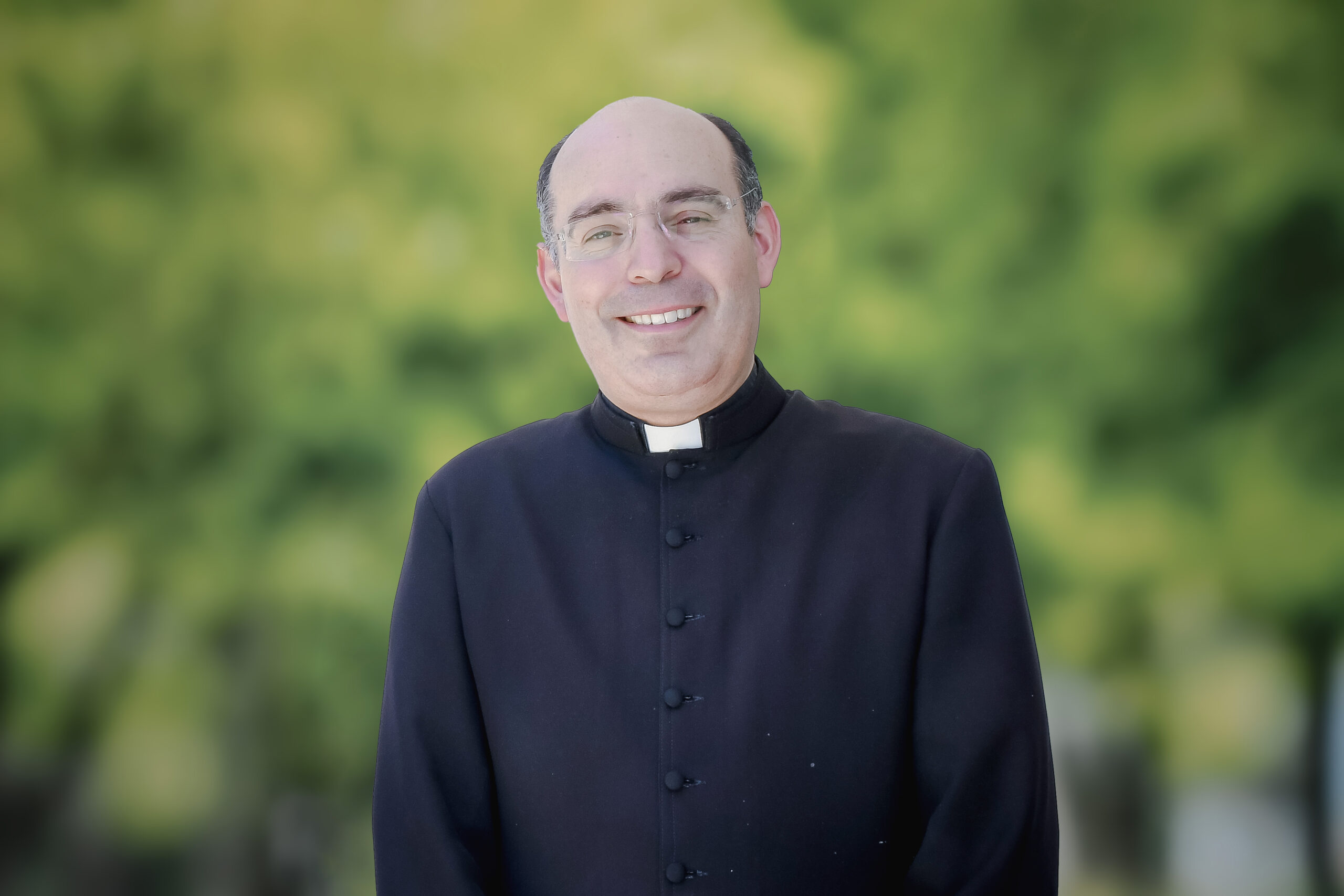
“St. Josemaría reminded us that Jesus worked like everyone else for most of his life, and that we too can find God in our daily lives: in our studies, at work, in our families, and in our everyday relationships,” he adds.
This teaching, which was later incorporated into the Second Vatican Council, continues to serve as a beacon of inspiration. Father Felipe emphasizes that what matters is not merely understanding this truth, but living it out consistently.
“The essential thing is to resolve every day to be holy. It is not enough to know this; you must put it into practice: work with professionalism, joy, and generosity, and offer that effort to God. University life is a privileged setting for achieving this, because in every class, every project, and every friendship, one can encounter Christ,” he notes.
St. Josemaría emphasized that Christians must be a light to others. That is also the mission that inspires the Universidad Panamericana: to be a place where students discover God in the midst of everyday life and become agents of change in society.
Opus Dei in the Church
On October 2, 1928, St. Josemaría founded Opus Dei, whose purpose is precisely to spread this awareness of the universal call to holiness. Father Felipe explains that Opus Dei’s role within the Church is not to replace the work of the dioceses, but to complement it.
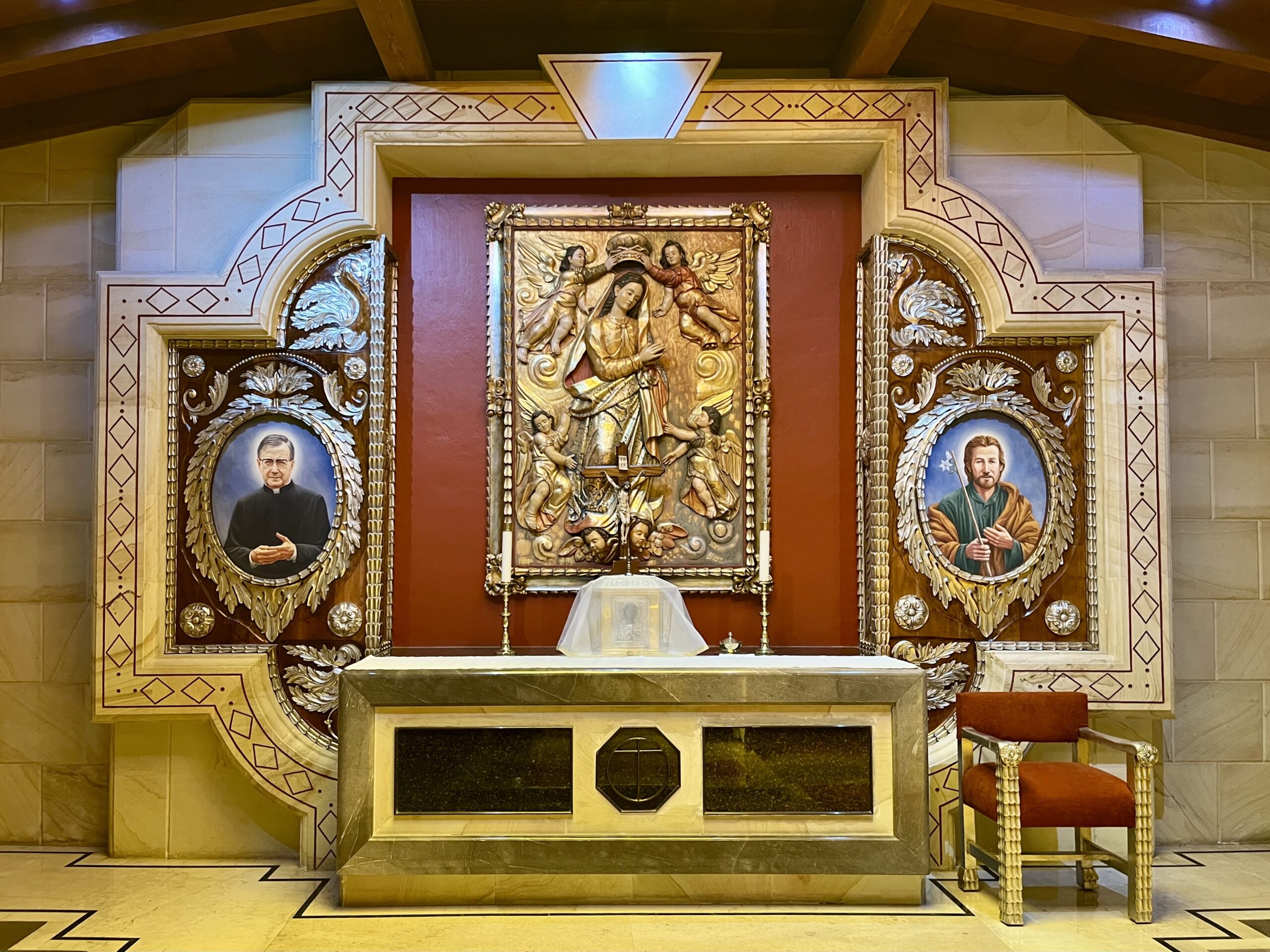
“The fundamental task of evangelization falls to the dioceses: administering the sacraments, proclaiming the Gospel, and accompanying the faithful. In this work, Opus Dei offers a reminder: we can all be saints in the ordinary. That is why it is often said that Opus Dei is like an alarm clock for that awareness,” he explains.
This charism has also inspired recent Church documents, such as the apostolic exhortation Gaudete et Exsultate by Pope Francis, which forcefully revisits the theme of holiness in everyday life.
The impact on education and the UP
Although Opus Dei’s primary mission is not to establish schools and universities, educational institutions have been founded in several countries to promote its spirit. In Mexico, the Universidad Panamericana an example of this.
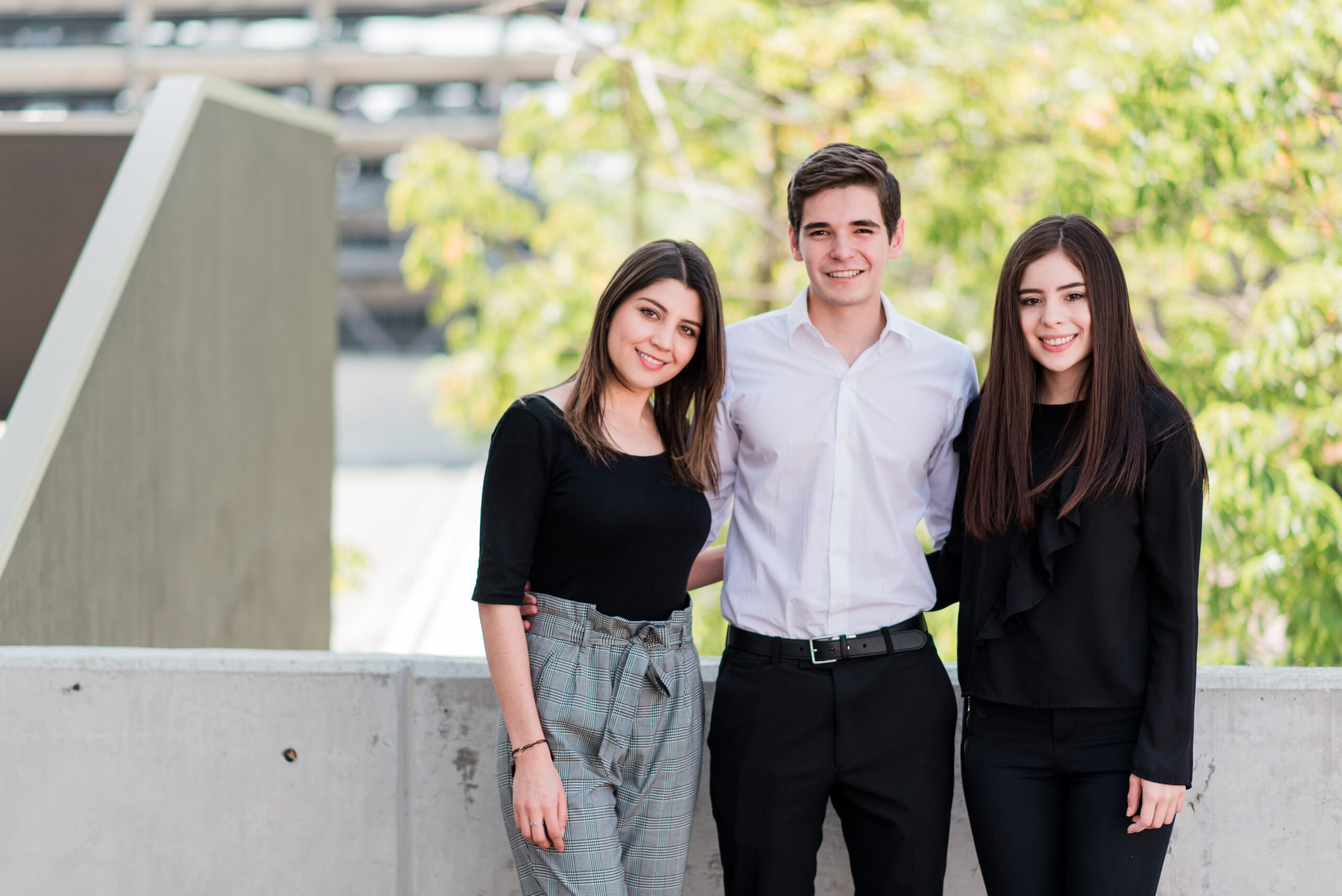
Father Felipe states that “the idea is not for Opus Dei to focus on opening schools or universities, but rather that, when they are founded, they be run with great professionalism, as a place where this message is lived out and passed on.”
He adds: “The Universidad Panamericana a clear example: it has had an undeniable impact in Aguascalientes, as the state’s first private university, and has helped train generations of professionals with a humanistic and Christian outlook. It would be hard to imagine the city without the Universidad Panamericana.”
Today, with campuses in Mexico City, Guadalajara, and Aguascalientes, the Universidad Panamericana committed to this mission: to educate individuals of integrity, leaders with a spirit of service, and professionals capable of transforming society.
Learn more about the Universidad Panamericana its educational model: https://www.up.edu.mx/sobre-la-universidad-modelo-educativo/