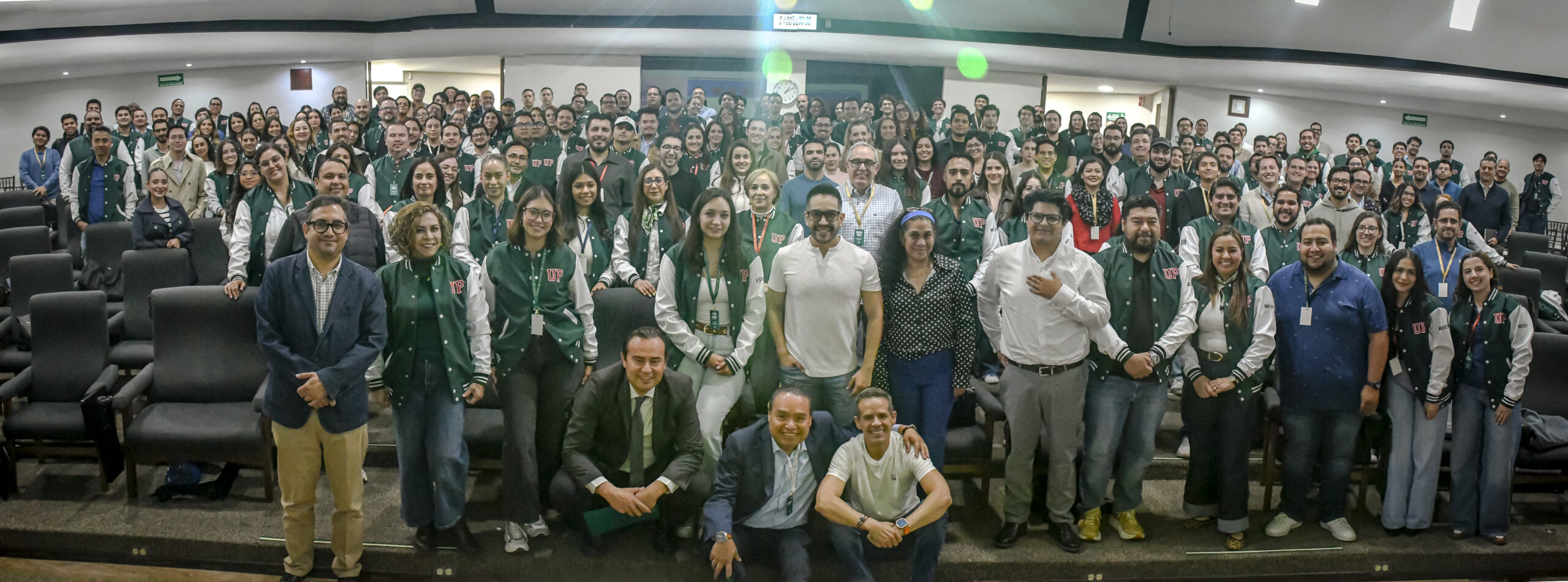
Aguascalientes, Aguascalientes, October 29, 2026.— With the aim of broadening the professional horizons of its graduate students and fostering opportunities for interaction among different disciplines, the Universidad Panamericana Aguascalientes campus held the 3rd Graduate Studies Conference, titled “Neuroscience and Behavior: The Frontier of Human Capital.”
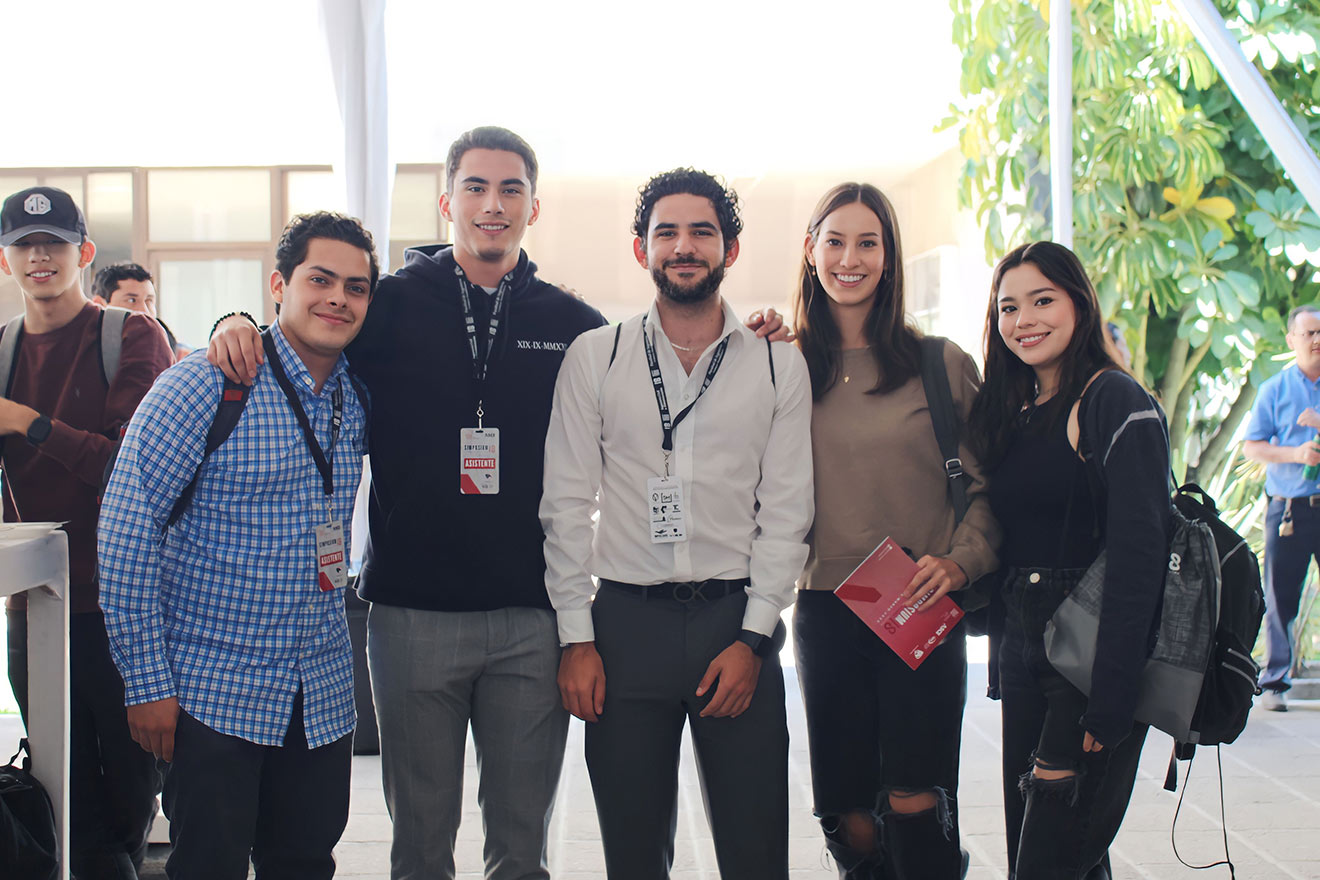
The event brought together more than 200 graduate students for specialized lectures, a keynote address, and social activities that fostered the exchange of knowledge and the building of connections among the campus’s various schools.
An event to bring together knowledge and disciplines
The opening day began with a welcome address by the university president, Dr. Antonio de los Reyes, who presided over the start of the activities for students in the various graduate programs.
Throughout the conference, the campus’s schools and colleges, along with the Institute of Humanities, participated by presenting lectures that addressed neuroscience and behavior from various professional perspectives. The goal was to introduce students to topics that would complement their regular education and to demonstrate how different fields of knowledge contribute to understanding and transforming work and social environments.
The response to this third edition exceeded the organizers’ expectations, with more than 200 students from various graduate programs participating. Among the aspects most highly rated by attendees were the quality of the lectures, the opportunities for socializing, and the networking opportunities with members of other schools.
As part of this experience, participants received a jacket featuring the logo of the postgraduate programs at the Universidad Panamericana —a symbol that helps strengthen their sense of belonging and identity with the university community.
Neuroscience and Behavior from Different Perspectives
The academic program brought together specialists from various fields to explore the relationship between brain function, human behavior, and the challenges faced by organizations and contemporary society. Through the lectures, students had the opportunity to learn how neuroscience can offer new perspectives in fields such as business, law, architecture, and psychology.
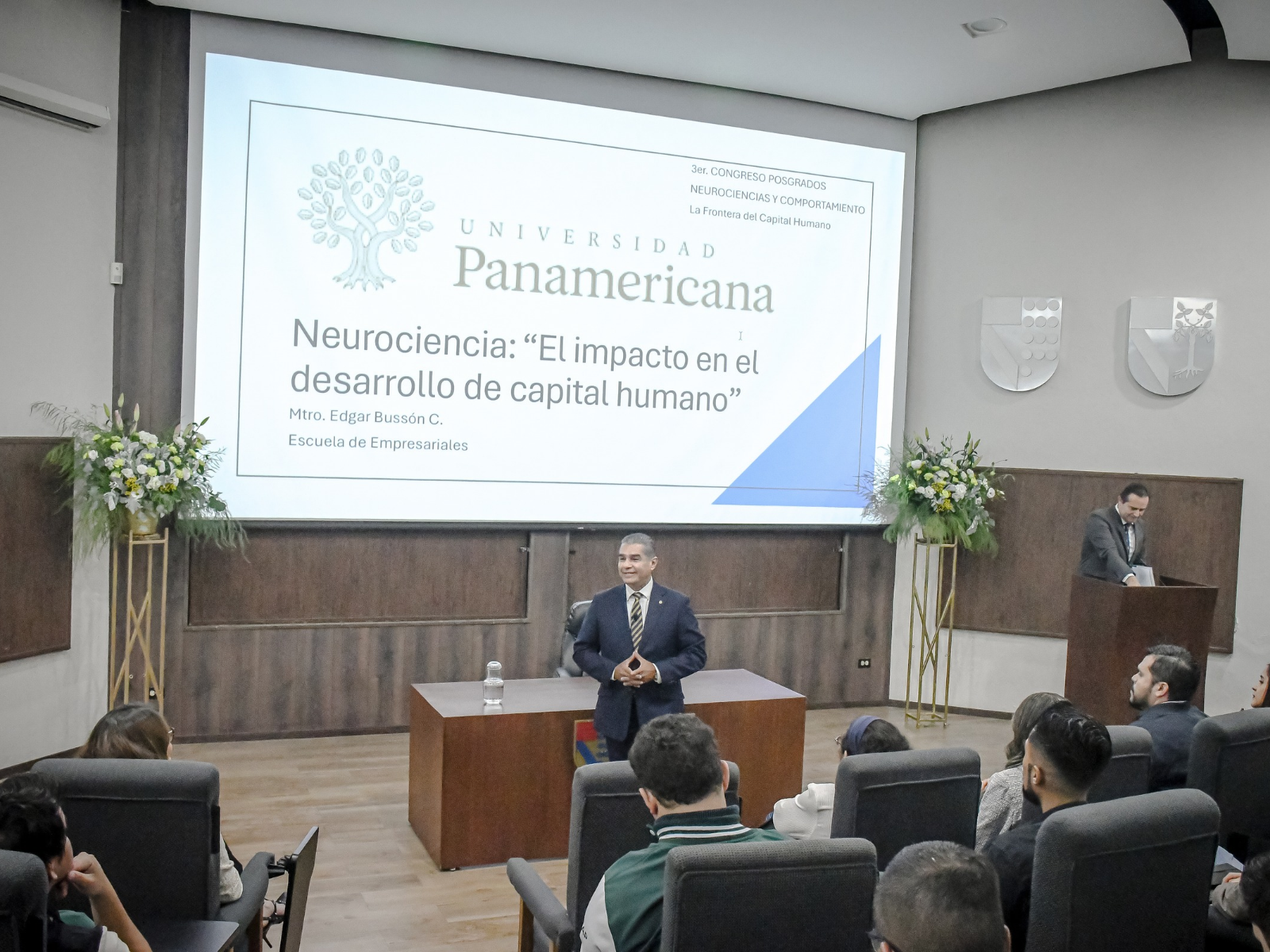
On behalf of the School of Economics and Business, Edgar Bussón Carrillo, M.A., delivered a lecture titled “Neuroscience: The Impact on Human Capital Development,” in which he discussed the importance of understanding brain processes and human behavior in order to identify people’s abilities, motivations, and needs in organizational settings.
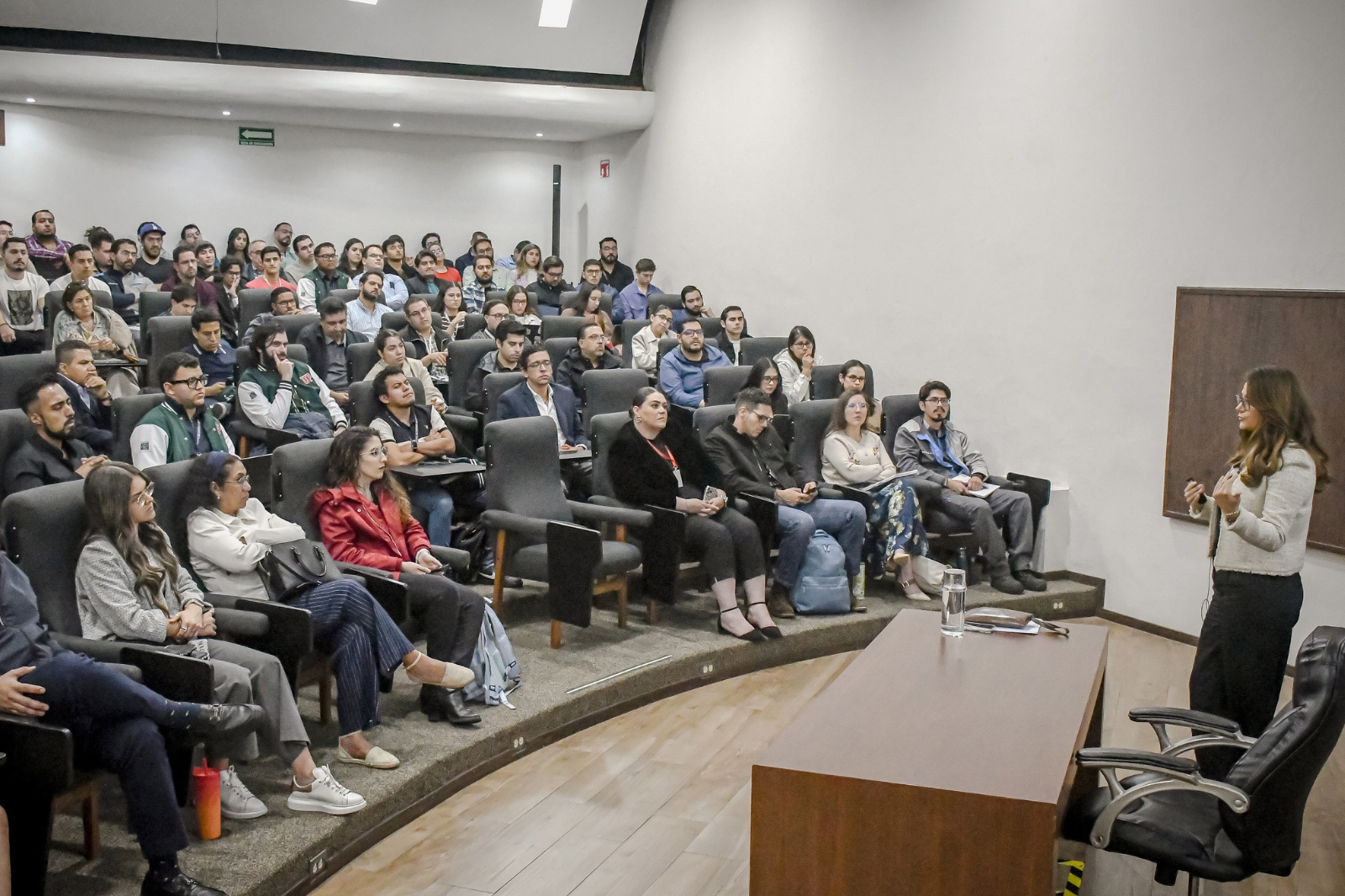
For her part, María Gabriela Cordero González, M.A., from the School of Law, presented “Neurocognitive Integrity as a Legal Boundary: Autonomy and Dignity in the Face of Neurotechnologies.” Her presentation addressed the ethical and legal challenges related to the development of neurotechnologies, particularly with regard to the protection of autonomy, mental privacy, and human dignity.
The School of Architecture participated with the lecture “Longevity City Lab: From Ikigai to Urban Infrastructure, ” presented by Dr. Brenda Estefanía Díaz Macías and Luis Arturo Méndez Alba, M.A. Drawing on the Japanese concept of ikigai—which relates to one’s purpose in life—the talk invited attendees to reflect on how the design of cities and their infrastructure can contribute to people’s well-being, social harmony, and quality of life.
In the field of psychology, Dr. Victoria González Ramírez, from the School of Education and Psychology, presented “The Neuropsychology of Boredom: Emotions, Cognition, and Work Performance, ” a presentation focused on the relationship between boredom, emotional and cognitive processes, and their implications for attention, motivation, and work performance.
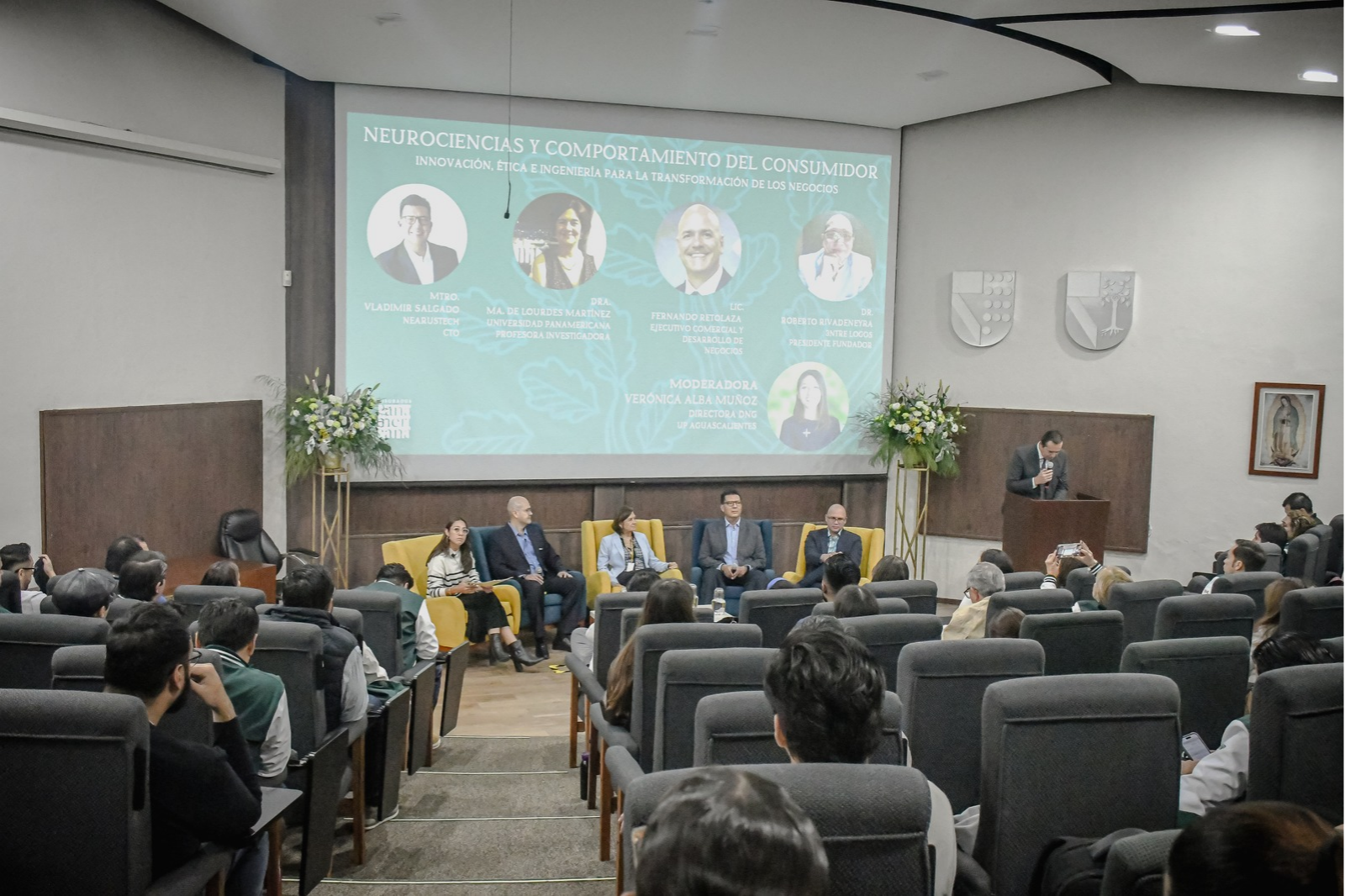
In addition, the School of Engineering, the Institute of Humanities, and the School of Food Business Management collaborated on the conference “Neuroscience and Consumer Behavior: Innovation, Ethics, and Engineering for Business Transformation.” This interdisciplinary initiative linked knowledge of human behavior with innovation and the development of business solutions, highlighting the importance of incorporating ethical criteria into the application of new technologies.
A keynote address to reflect on life and adversity
To conclude the academic program, Fernando Núñez Calleros delivered the keynote address titled “The Addictions That Ruined My Life,” in which he drew on his personal experience to discuss the impact of addiction and the importance of recognizing its consequences in people’s lives.
The session invited attendees to reflect on the value of life in a healthy environment and the ability to cope with adversity, complementing academic training with a human perspective on the challenges that may arise throughout life.
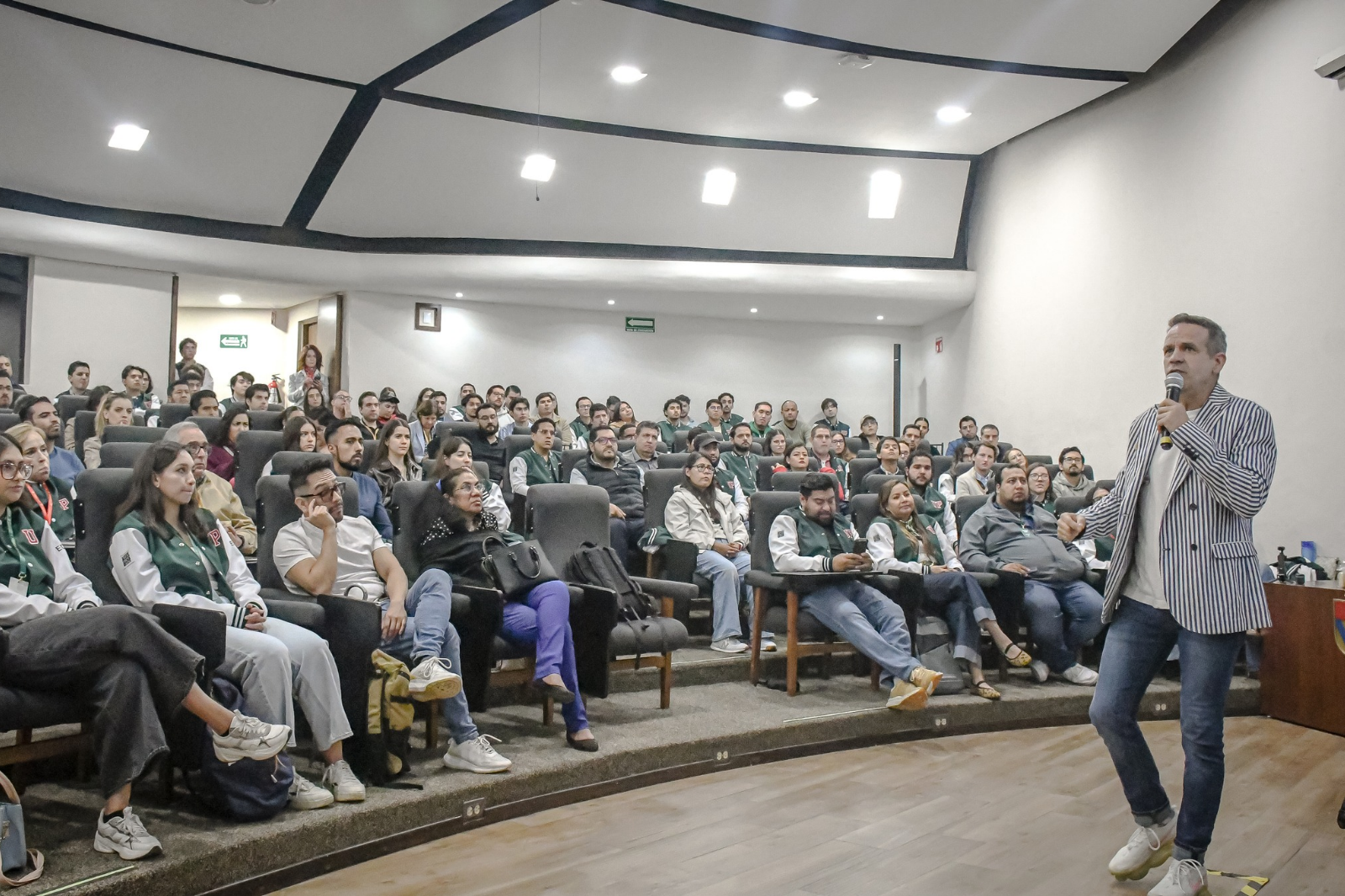
In this regard, Leonardo Mendoza, M.A., assistant to the vice president for academic affairs and organizer of the event, highlighted the value of this experience for the university community:
“On an academic level, this conference offers a multidisciplinary and social experience for our graduate students; it’s a weekend featuring a unique academic experience, exploring new topics and featuring a keynote address that highlighted the value of life in a healthy environment, as well as the ability to face adversity,” he noted.
Socializing and Networking to Strengthen the Graduate Student Community
In addition to the academic activities, the conference included a barbecue and mixology workshop organized by the School of Food Business Management. This event fostered interaction among students from different programs and helped build professional relationships in a setting outside the classroom.
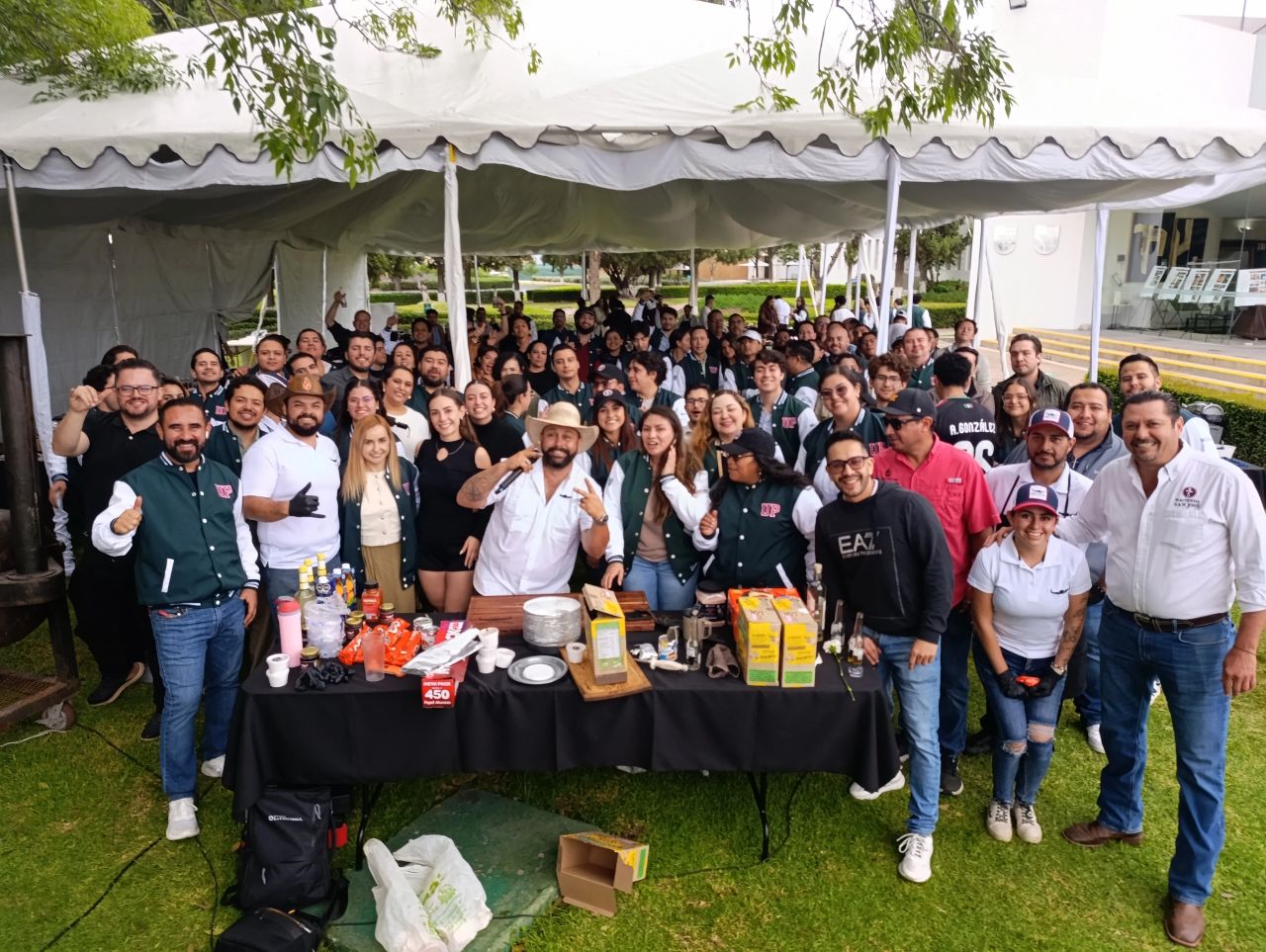
The combination of lectures, shared experiences, and team-building activities allowed participants not only to expand their knowledge but also to recognize the contributions of other disciplines and the opportunities for collaboration that arise when professionals with different perspectives come together.
The conference concluded with a presentation by the vice president of the Aguascalientes campus of the Universidad Panamericana , Dr. Ramiro Velázquez, who presided over the closing ceremony of this third edition.
A well-rounded education that goes beyond the classroom
By hosting this event, the School of Humanities and Social Sciences ( Universidad Panamericana ) reaffirms its commitment to graduate education that combines academic excellence, interdisciplinary dialogue, and human development. Initiatives such as this conference help strengthen students’ sense of belonging, broaden their professional perspectives, and foster connections that enrich their college experience.
Furthermore, these types of spaces reflect the University’s mission to educate individuals capable of putting their knowledge and talents at the service of society, through an education that is not limited to professional specialization but also takes into account human dignity, ethical responsibility, and a commitment to others.
In this way, the Graduate Conference establishes itself as an opportunity to learn across different disciplines, build community, and apply knowledge to new areas.