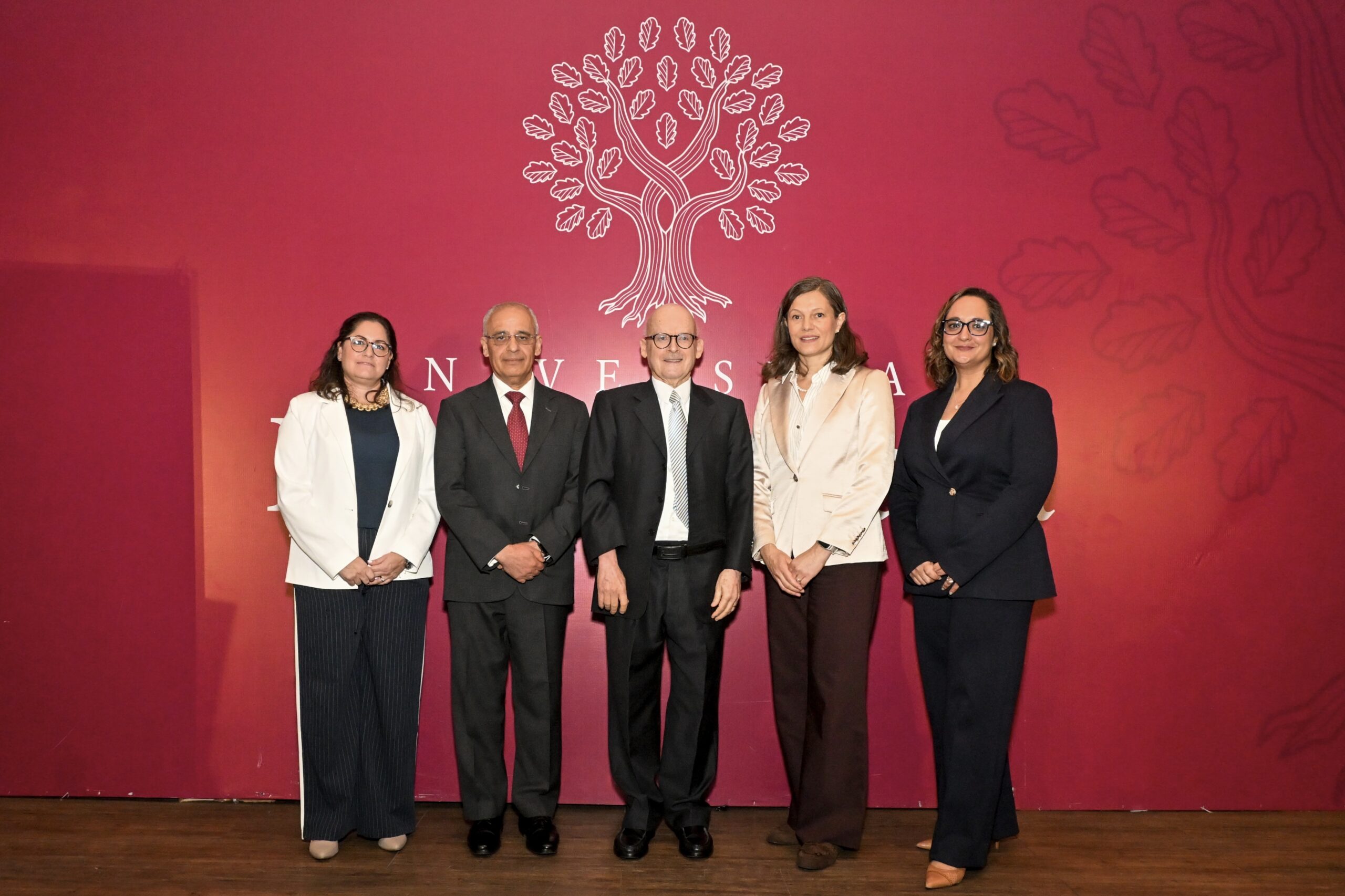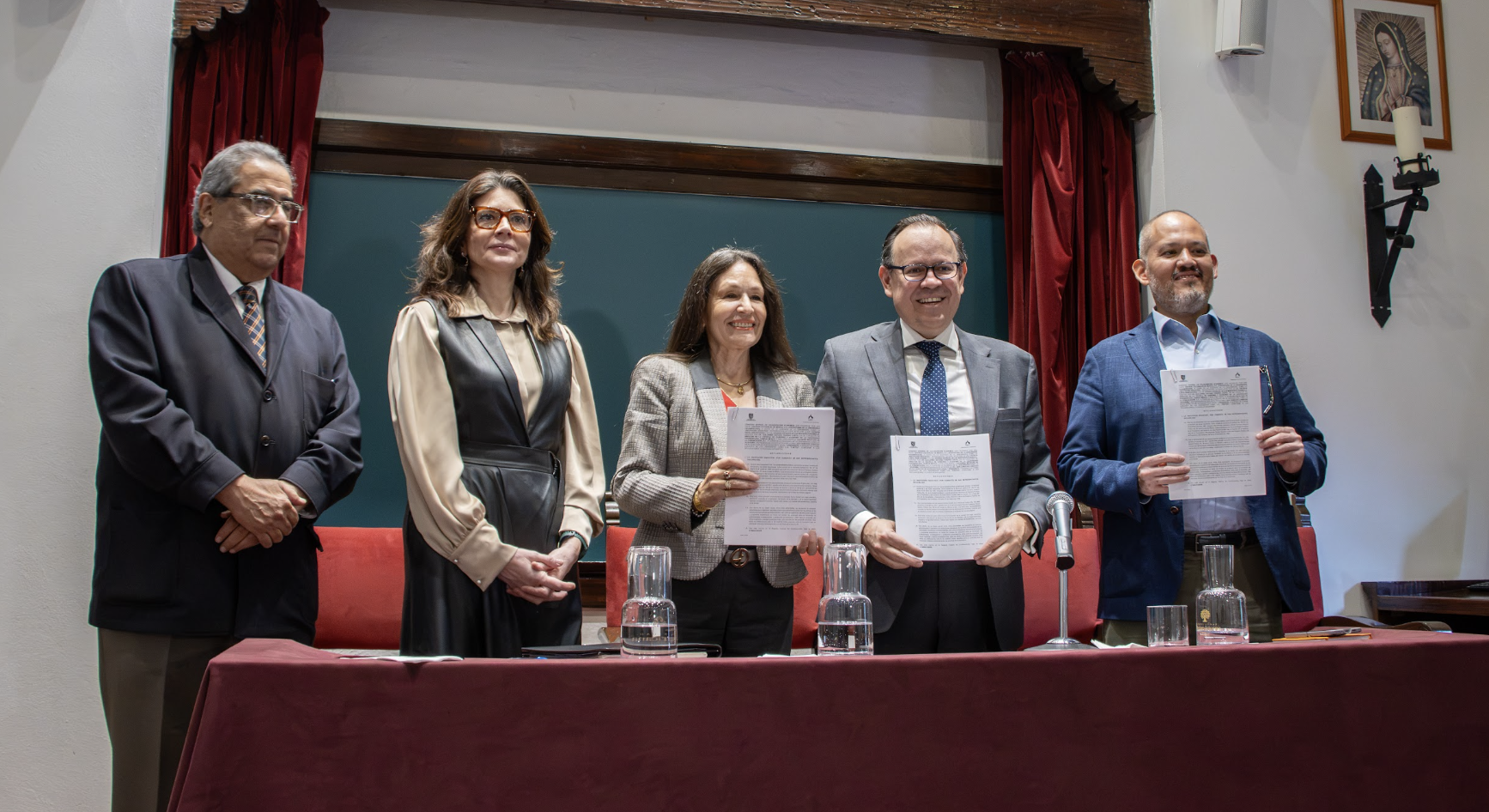
Mexico City, October 30, 2025.— With a call to recognize that “religious freedom is a human right, not a privilege”, the Universidad Panamericana , hosted the Mexican launch of the 2025 Report on Religious Freedom in the World, prepared by the pontifical foundation Aid to the Church in Need (ACN).
The event brought together academics, religious leaders, and members of civil society, who reflected on the findings of the biannual study, which reveals that more than 5,400 million people—two-thirds of humanity—live in countries where this fundamental right is not fully guaranteed.

During the presentation,Julieta Apendini, M.A., director of ACN Mexico, highlighted the urgency of addressing the report’s findings, whileJavier Lizardi Calderón, B.A., president of the ACN Mexico Board, emphasized the organization’s commitment to defending freedom of conscience worldwide.
Global Overview and the Case of Mexico
Dr. Marcela Szymanski, a correspondent and expert on the subject, outlined the main global threats: state authoritarianism, the rise of jihadist extremism—particularly in the Sahel—and the rise of religious nationalism in Asia.
The doctor also pointed out that, of the 196 countries analyzed, 62 exhibit serious violations of religious freedom, with 24 classified as experiencing “persecution” and 38 as experiencing “discrimination.”
In the case of Mexico, the report notes that, although the Mexican legal framework guarantees and regulates this right, in practice there has been asteady deteriorationthat has led to the country being classified in the“discrimination”category, driven primarily byorganized crime, impunity, and corruption.
For his part,Dr. Jorge Traslosheros, a research professor at the Institute of Historical Research at UNAM, highlighted the paradox of a secular state with a deeply religious society, and how violence has turned religious leaders into defenders of their communities and, at the same time, into targets of organized crime seeking to silence them.
A Call to Action and a Testimony of Hope
In his remarks, Auxiliary Bishop Francisco Javier Acero shared a pastoral reflection on the importance of resilience and hope. Despite the “bleak picture” described in the report, he highlighted the vital role of faith communities which, even in the face of persecution, continue to serve as agents of social cohesion, humanitarian aid, and dialogue for peace—as has been the case in interfaith projects in Africa and in the Church’s mediation initiatives in Mexico.

The report also documents an increase in acts of vandalism against places of worship, desecrations, and extortion targeting religious communities in the country, with an average of 26 attacks reported each week over the past six years.
A Global Petition
For the first time in its history, ACN launched a global petition calling on governments and international institutions to effectively protect Article 18 of the Universal Declaration of Human Rights, which enshrines the right to freedom of thought, conscience, and religion.
Universidad Panamericana, as the host institution of this important forum, reaffirms its commitment to discussing issues of social relevance and promoting human rights, thereby contributing to the training of professionals with an ethical and responsible outlook on global challenges.
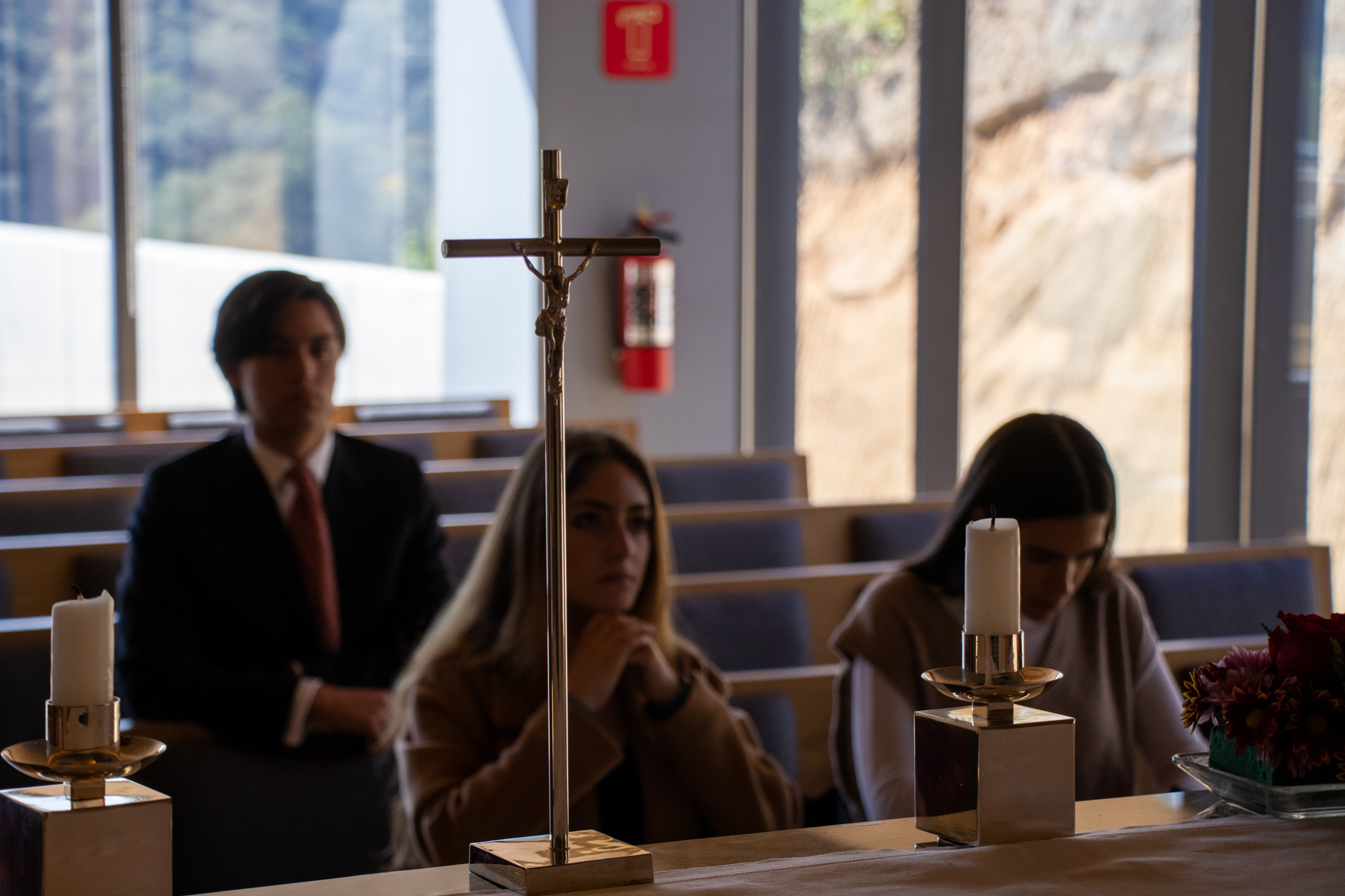
In this way, the institution establishes itself as a space for dialogue and pluralistic thought, committed to the defense of human dignity and the promotion of peace.
Read the full report Religious Freedom in the World 2025 at: https://acninternational.org/religiousfreedomreport/ConoceLearn more about the principles and values of the Universidad Panamericana at: https://www.up.edu.mx/sobre-la-universidad-fundamentos-y-valores/