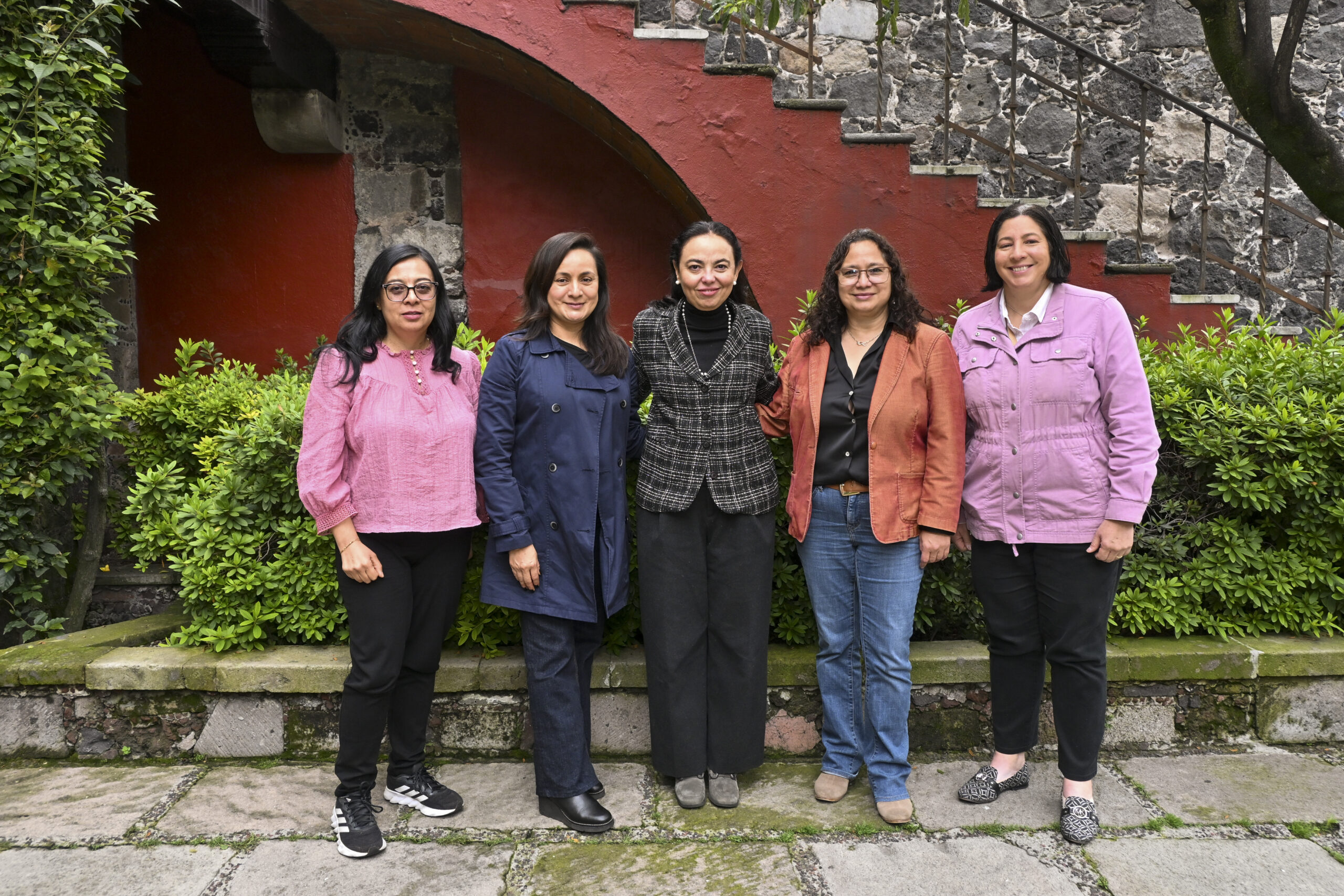
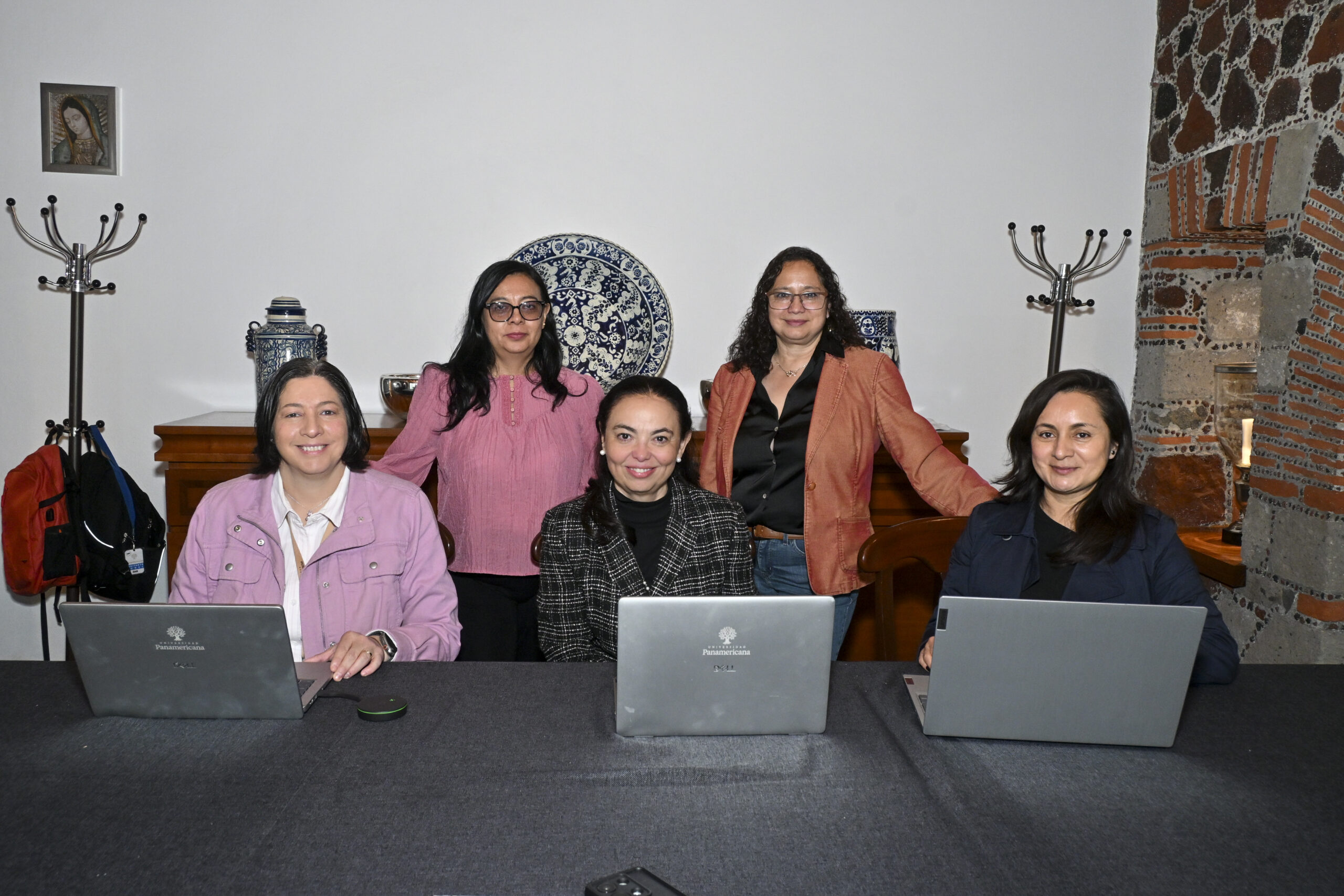
Mexico City, October 7, 2026.— A group of female researchers from the Universidad Panamericana, the Rosario Castellanos National University, the Polytechnic University of Atlautla, and the National Polytechnic Institute (IPN) are carrying out the project Literacy in Generative Artificial Intelligence (GAI) Among Female University Professors: Bridging Gaps in Higher Education Institutions in Mexico.
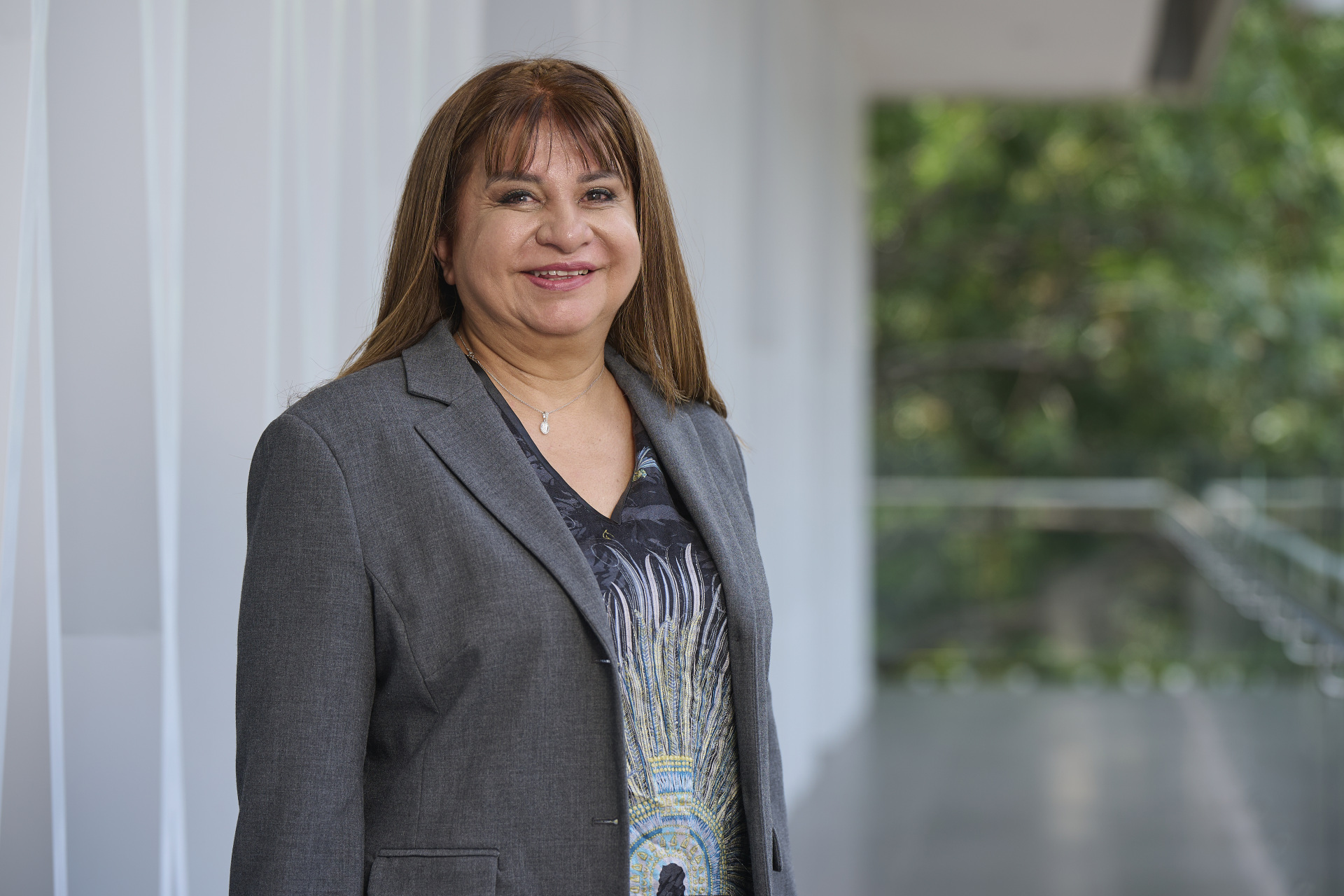
This project is an initiative that the IPN submitted to the 2026 National Call for Scientific and Humanistic Research, under the Humanistic Research category, and which received funding from that call. Representing our university in this project are Dr. Claudia Ortega Barba, director of research, and Dr. Sara Galbán Lozano, research professor, both from the School of Education.
A reality that can no longer be put off
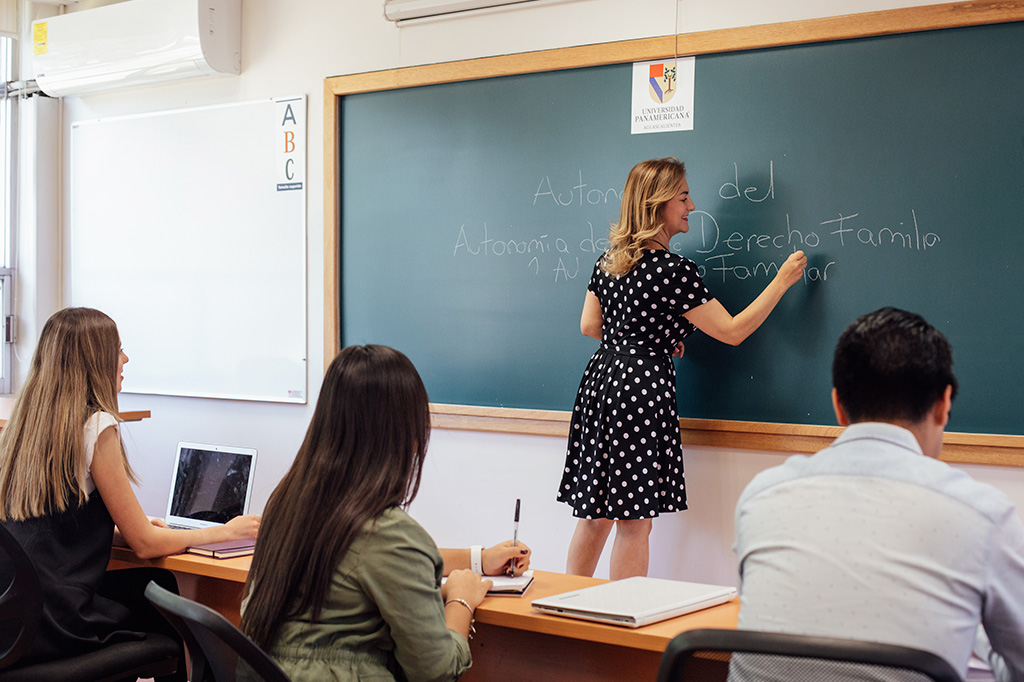
The starting point for the project is a premise that the researchers consider inescapable: Generative Artificial Intelligence is already part of everyday life, and understanding it is essential to the teaching-and-learning process.
“Knowledge, understanding, and mastery of this subject are fundamental components of the teaching-and-learning processes at various educational levels, but especially at the university level, which must respond to the needs of the workplace and society,”, explains Dr. Ortega.
This urgency is directly linked to the 2030 Agenda: the researchers associate teachers’ digital literacy with Sustainable Development Goals 4, 5, 8, 10, and 16 (quality education, gender equality, decent work and economic growth, reduced inequalities, and peace, justice, and strong institutions).
The researchers cite evidence from UNESCO, which in 2022 documented a significant gender digital divide by identifying differences in proficiency with information and communication technologies between men and women.
Hence the project’s central objective: to build institutional capacity for IAG literacy among female university professors, with the aim of narrowing vulnerability gaps in higher education institutions operating in marginalized contexts, such as those served by the IPN, the Rosario Castellanos National University, and the Polytechnic University of Atlautla.
An academic network with a shared purpose
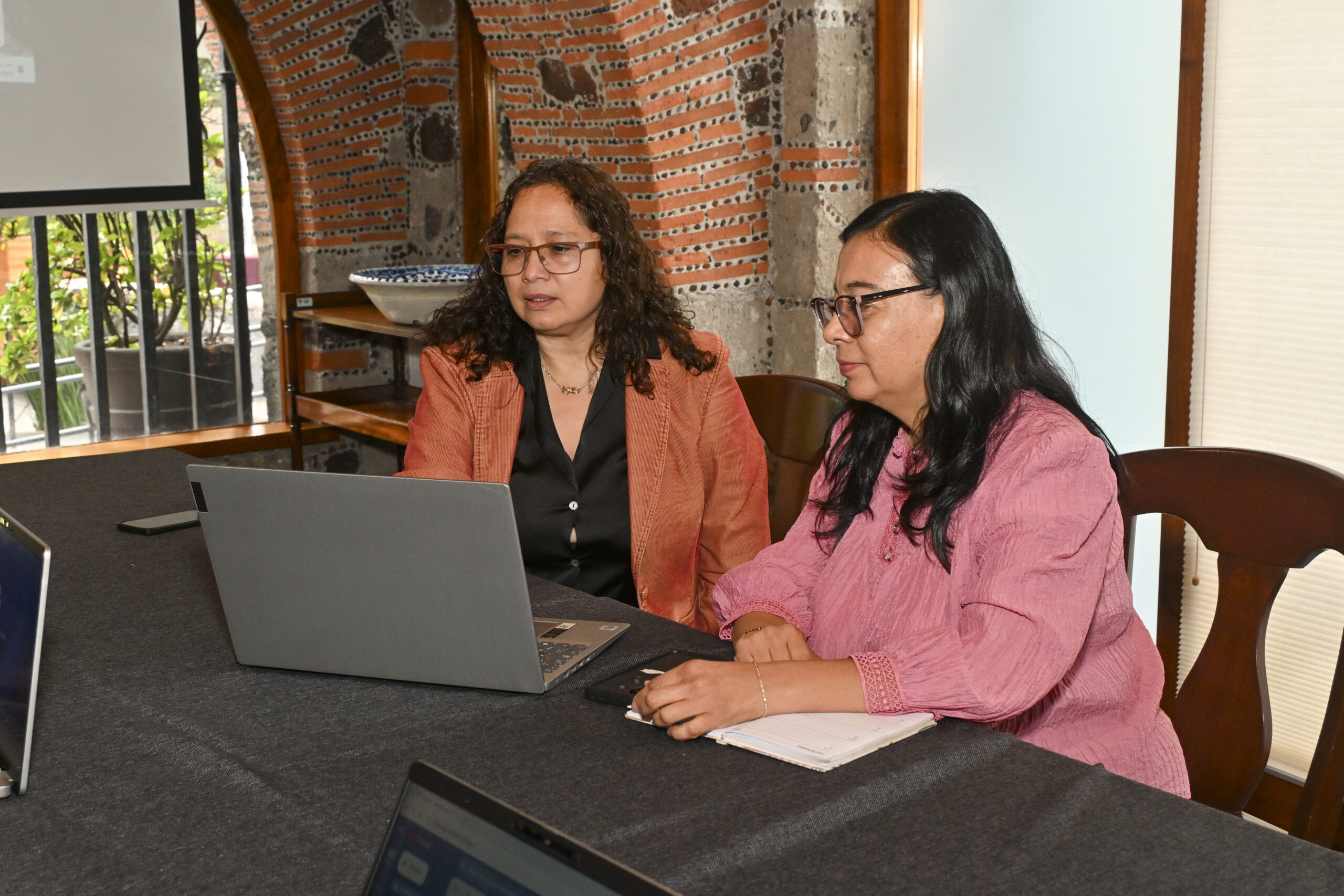
The collaboration among the four institutions did not stem from an external call for proposals, but rather from existing ties among the researchers. “Through academic networks, a working group was formed with common goals to address issues on the national agenda,”, says Dr. Galbán.

It was this collaborative effort that enabled the IPN to submit the project to the 2026 National Call for Scientific and Humanistic Research Proposals. Regarding what receiving this support means, the researchers state: “Thanks to the support secured through this call for proposals, we will have the necessary funds to carry out the project,” which ensures the operational viability of an initiative that would otherwise depend on institutional resources scattered across four universities.
Two stages: first, diagnose; then, train
The researchers explain that the project is structured into two clearly distinct phases:
- Phase 1 – Diagnosis: This phase involves the design and validation of a questionnaire to measure the level of IAG literacy among female university professors in marginalized areas. This instrument will make it possible to accurately identify the vulnerabilities faced by each participating institution, rather than making assumptions about them in advance.
- Phase 2 – Curriculum Design and Pilot Test: Based on the findings of the assessment, the knowledge, skills, and attitudes that female teachers need to develop to minimize their learning gaps will be identified. This instructional design will be implemented on a learning platform with three key features: open access, asynchronous learning, and multimedia resources. The platform will then undergo a pilot test to identify areas for improvement before a potential larger-scale rollout.
The role of the Universidad Panamericana
As part of a project that the researchers themselves describe as interinstitutional and interdisciplinary—and one that requires specialists in education—the Panamericana School of Education contributes a specific component: “the humanistic perspective that sets us apart, as well as academic rigor grounded in the conceptual, theoretical, and epistemological foundations of pedagogical practice”, explains Dr. Galbán.
This component allows for the incorporation of a pedagogical perspective into the project that complements the technological aspect of Generative Artificial Intelligence and its application in teaching and learning processes.
An impact that extends beyond the classroom
For the researchers, the expected outcomes of the project will encompass various dimensions. In the immediate term, they aim to strengthen teachers’ digital competencies in the use of IAG, transforming their teaching practices and enhancing their academic autonomy.
At the institutional level, they anticipate that incorporating training processes in IAG with a gender perspective “will promote structural changes, fostering the empowerment of female workers within the participating universities”, states Dr. Ortega. They also note that students will benefit indirectly from the innovative teaching practices that result from the program.
Finally, the scholars point to a public policy horizon: the study’s findings, “can serve as input for the design of public policies that promote the ethical use of AI in support of social justice and with a gender perspective,”, they note—an aspiration that extends beyond the classrooms of the four institutions involved and targets the Mexican higher education system as a whole.
Learn more about the research projects at the National Institute of Health ( Universidad Panamericana ) at: https://www.up.edu.mx/investigacion/