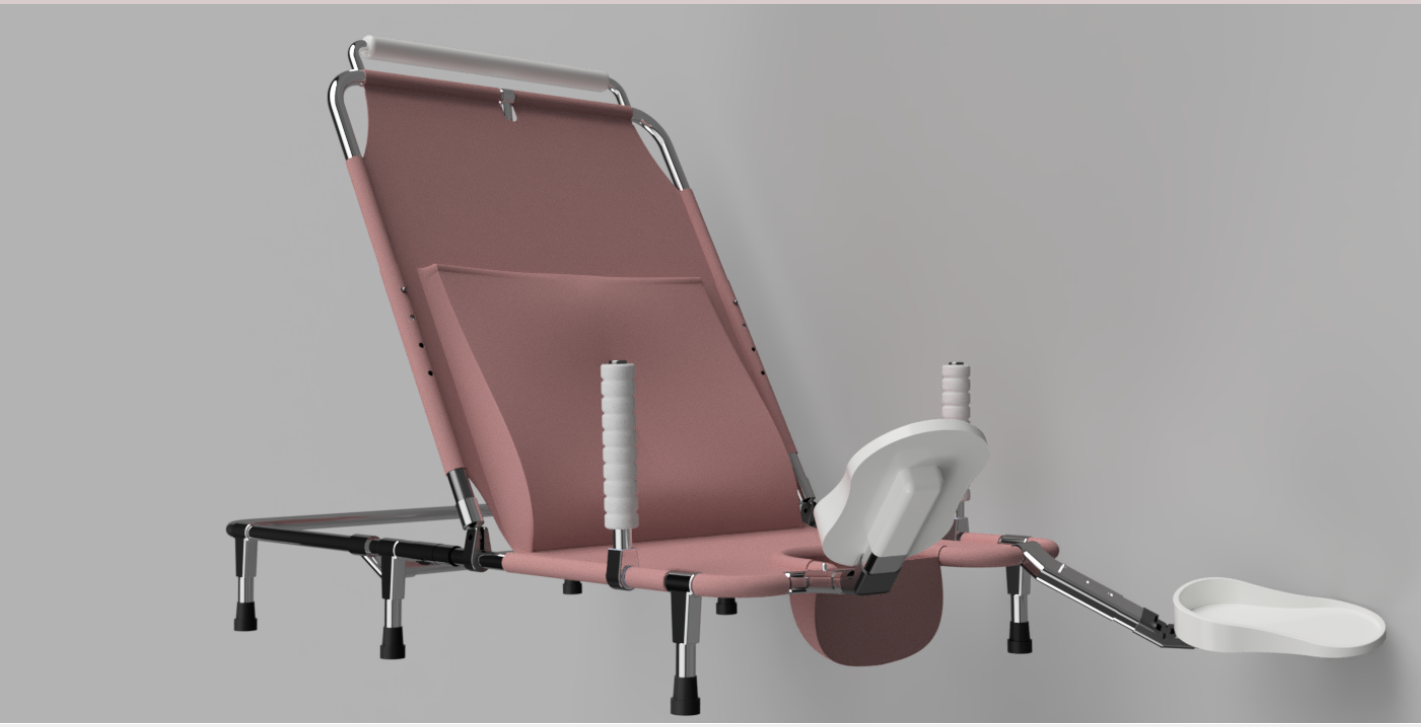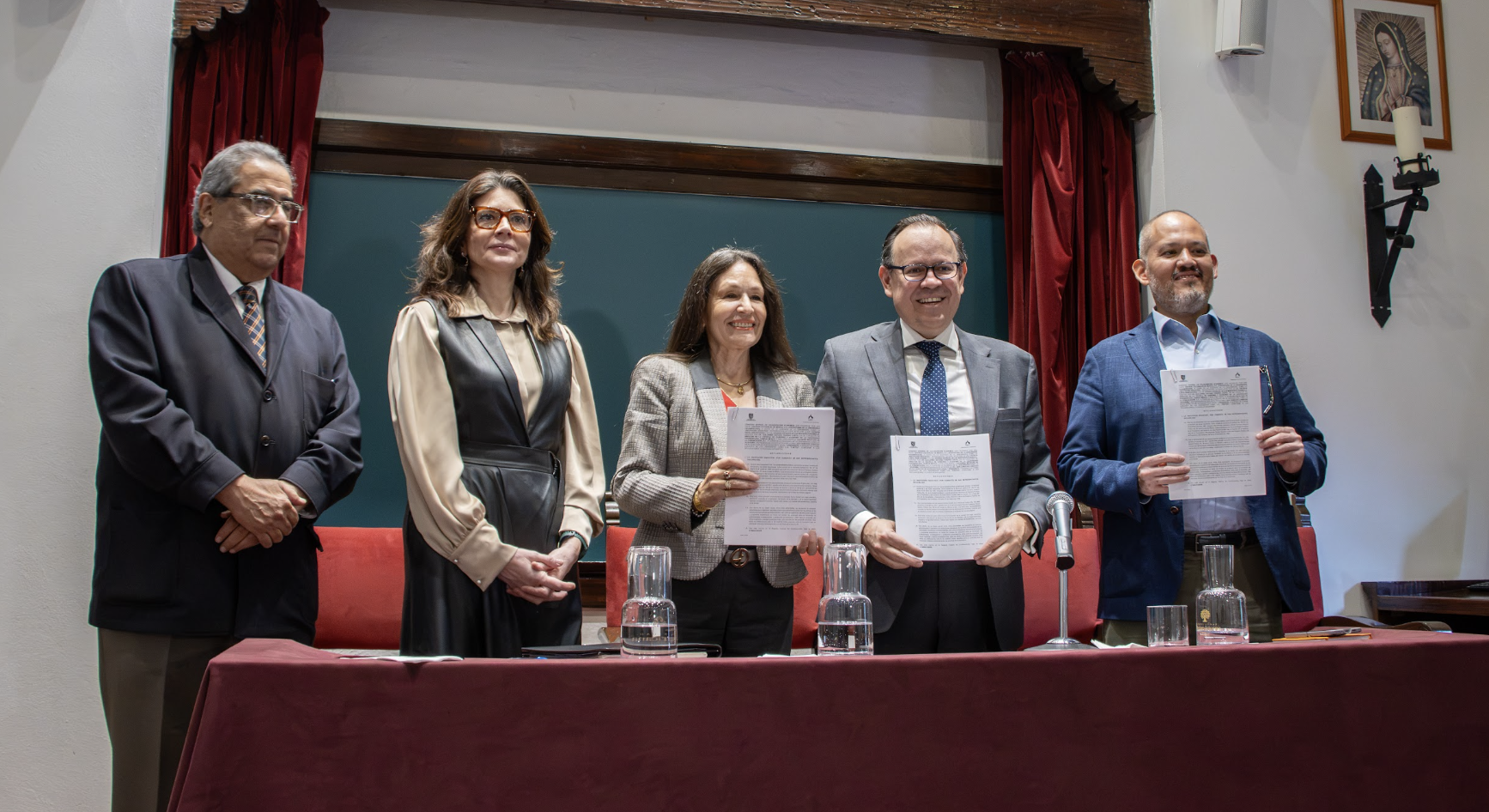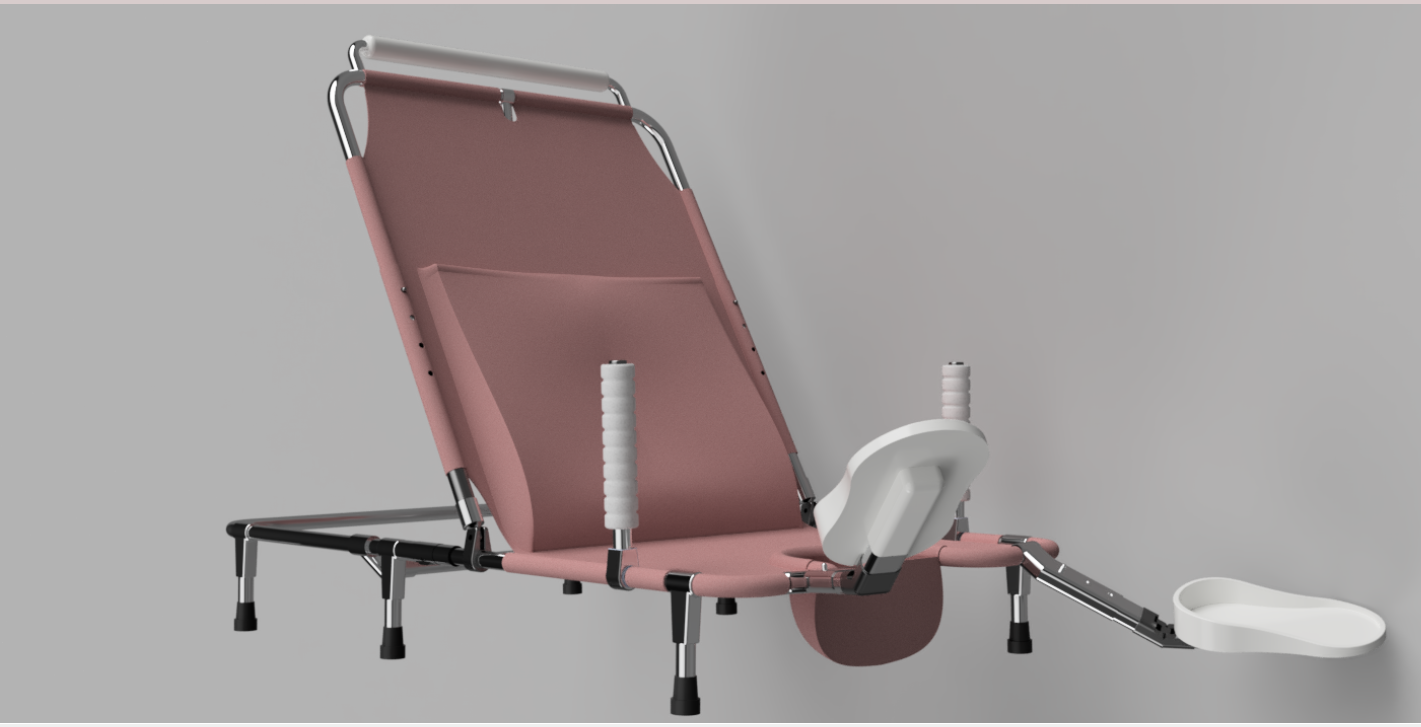
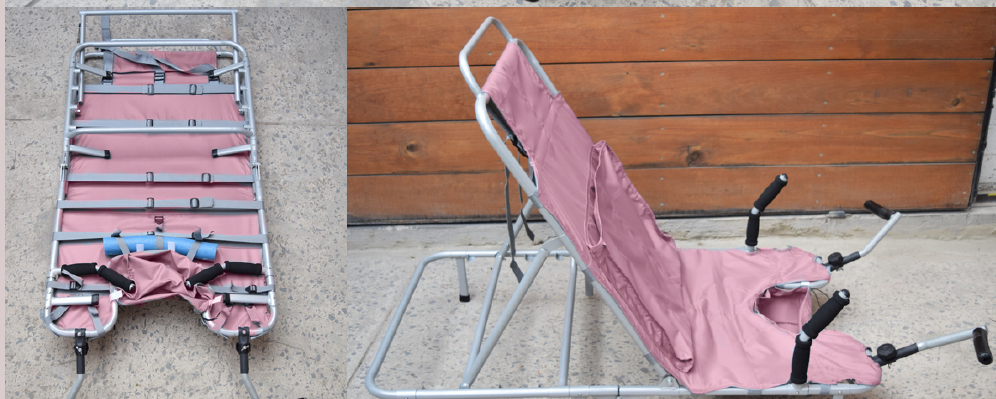
Zapopan, Jalisco, July 30, 2025.—The Universidad Panamericana has been awarded a patent for an innovative, human-centered design of a lightweight, durable, and portable delivery stretcher, created to provide maternal and child care in vulnerable communities, particularly in the Lacandon Jungle in Chiapas.
What is the Julieta Stretcher?
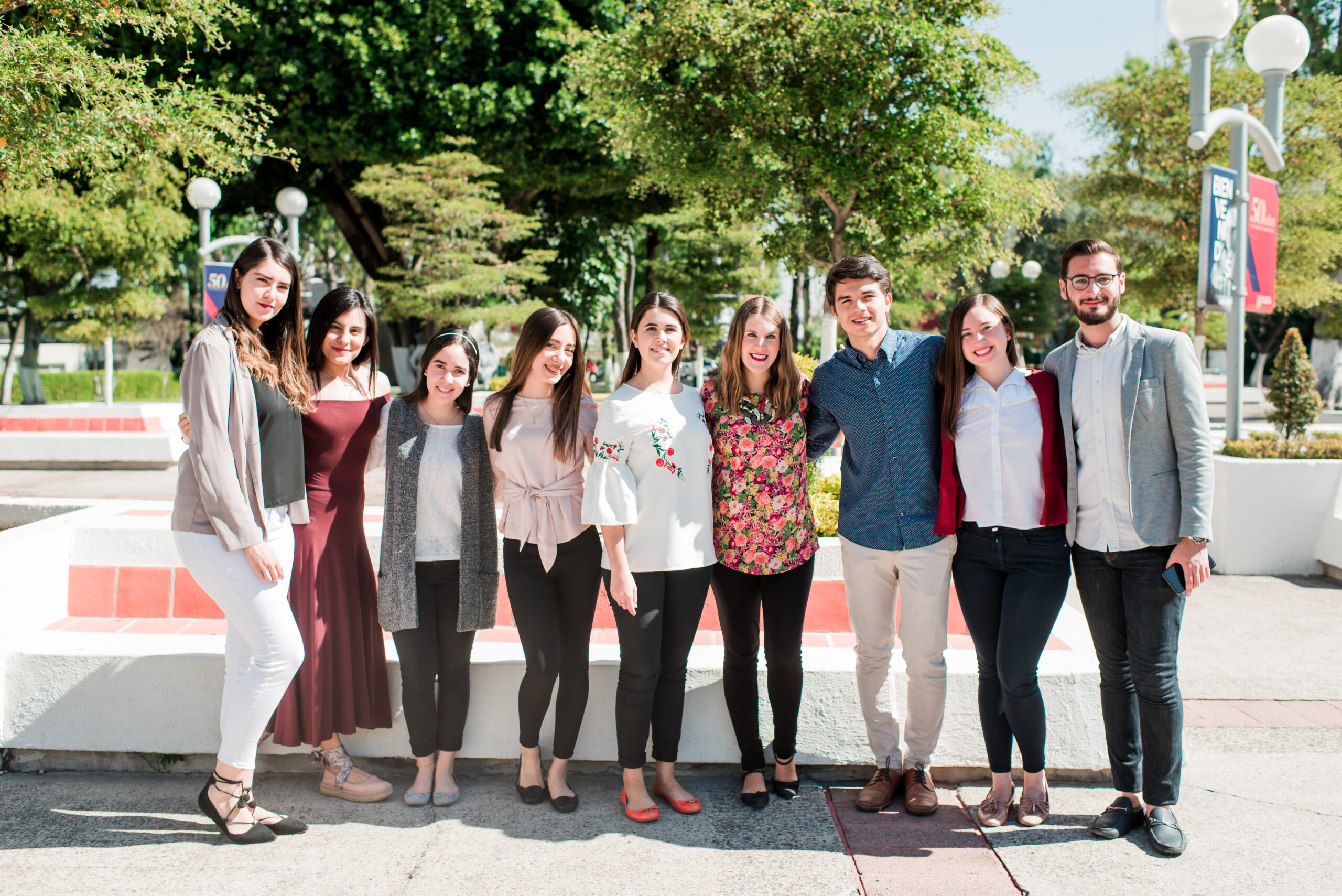
Developed by Dr. Fabiola Cortés Chávez, a researcher at the Academy of Design and Innovation in the School of Engineering, in collaboration with a team of students consisting of Julieta Ramírez Reynoso (after whom the stretcher is named), Grecia Alejandra Chavira Hernández, Mariana Ascencio Murillo, Mariana Díaz Pinal, and Carlos Raymundo Garnier Ortiz, the Julieta Stretcher emerged as the result of a process of continuous improvement.
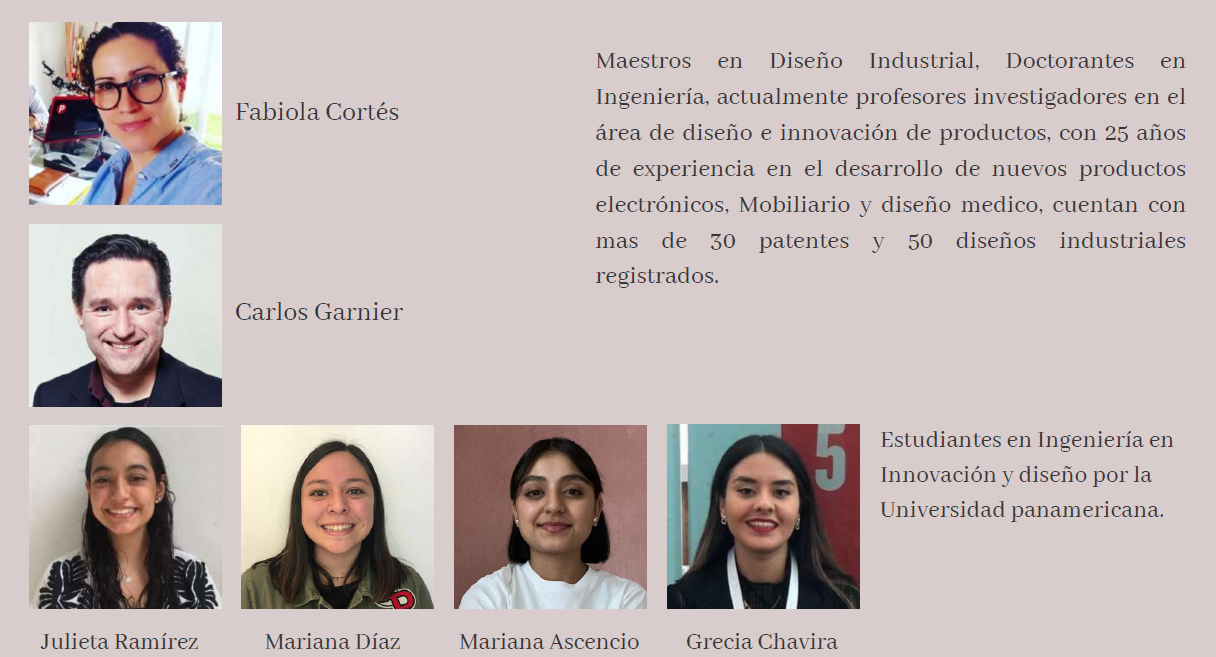
Out of the nine prototypes designed, six were selected to participate in the Diseña México Competition, standing out for their functional approach and their profound human touch.
The patent was granted on June 25, but the team was notified of this good news on July 8, a symbolic and significant date that also marks Julieta's birthday.
Innovation with a Human-Centered Approach to Medical Design
Based on her doctoral dissertation, Dr. Cortés Chávez identified shortcomings in the medical device design process: a failure to take into account hierarchies and user interactions.
Its methodological approach prioritizes identifying all stakeholders in the medical setting, designing use cases, and defining specific roles for each user.
In his Innovation and Design Engineering class, he guided groups of 40 to 50 students in creating delivery beds tailored to different contexts. The team, which included Julieta Ramírez, focused on natural childbirth in indigenous communities, producing a design that demonstrated deep social sensitivity.
““We found that the design process wasn’t taking user fluctuations into account. To design the system, we identify who the users are based on the patient’s health status, what is likely to happen, design future scenarios, and based on that, define functions for each user,” explains Dr. Fabiola Cortés Chávez.
From Competition to Patent: Challenges and EU Validation
Although the idea originated in 2021, the process of obtaining the patent took more than three years of work with the Mexican Institute of Industrial Property (IMPI). The involvement of indigenous communities in Chiapas (through an association led by Julieta’s father) was key.
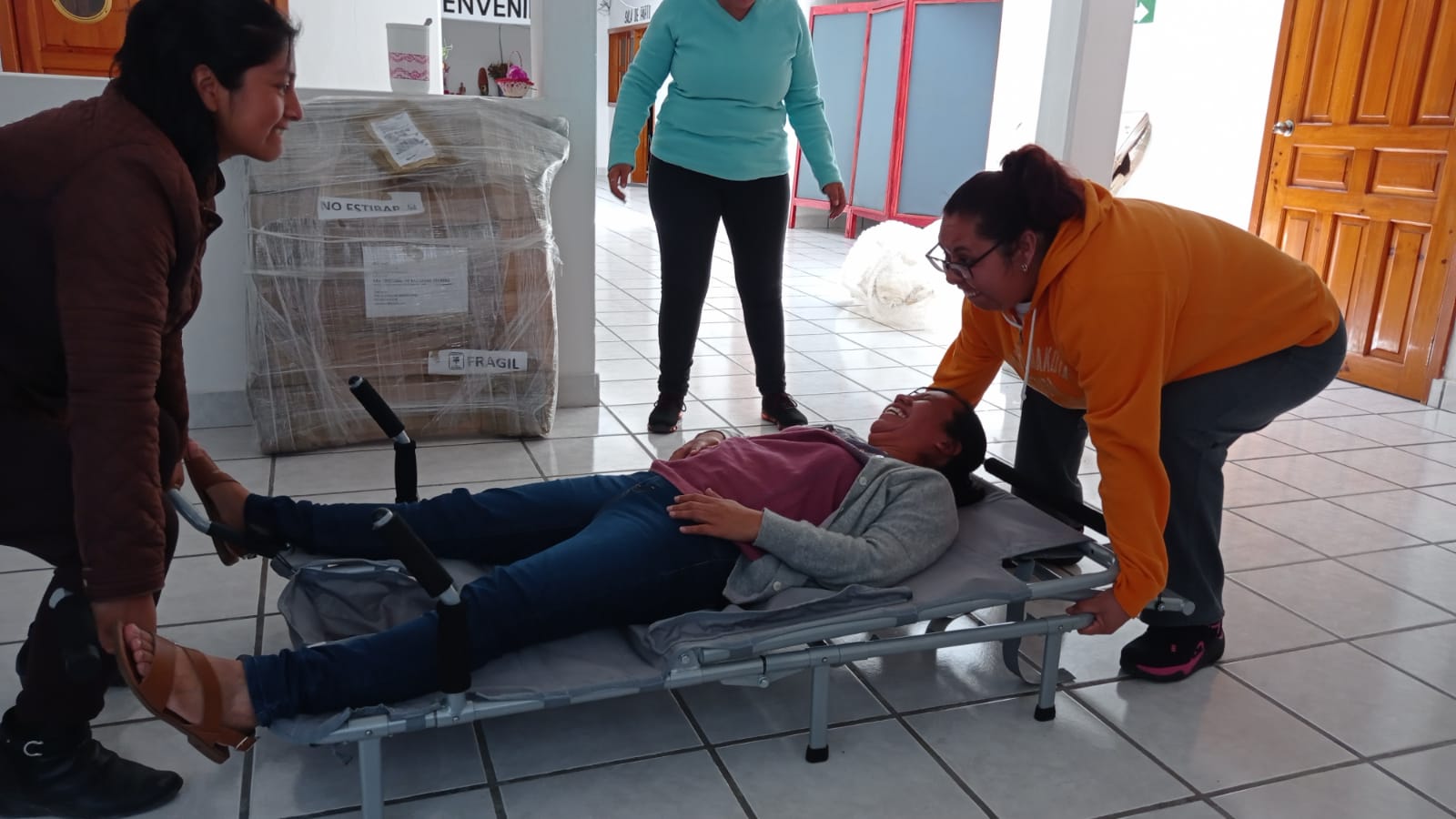
The Community Midwives Network Home Mother Earth in San Cristóbal de las Casas, Chiapas, validated the prototype in the field and proposed improvements, which were incorporated into a second version focused on utility models.
“Julieta was one of the most active contributors and was deeply involved because her family is very committed to supporting indigenous communities—especially her father, Don Francisco Ramírez, who heads a nonprofit organization,” explains Dr. Fabiola Cortés Chávez.
The Future of the Camilla Julieta: Expansion and Prototypes
Now that the patent has been granted, the goal is to bring the design to more communities; it is even hoped that, through an open-source model, these communities will be able to design and build their own stretchers using the materials most readily available to them, thereby making the construction process easier.
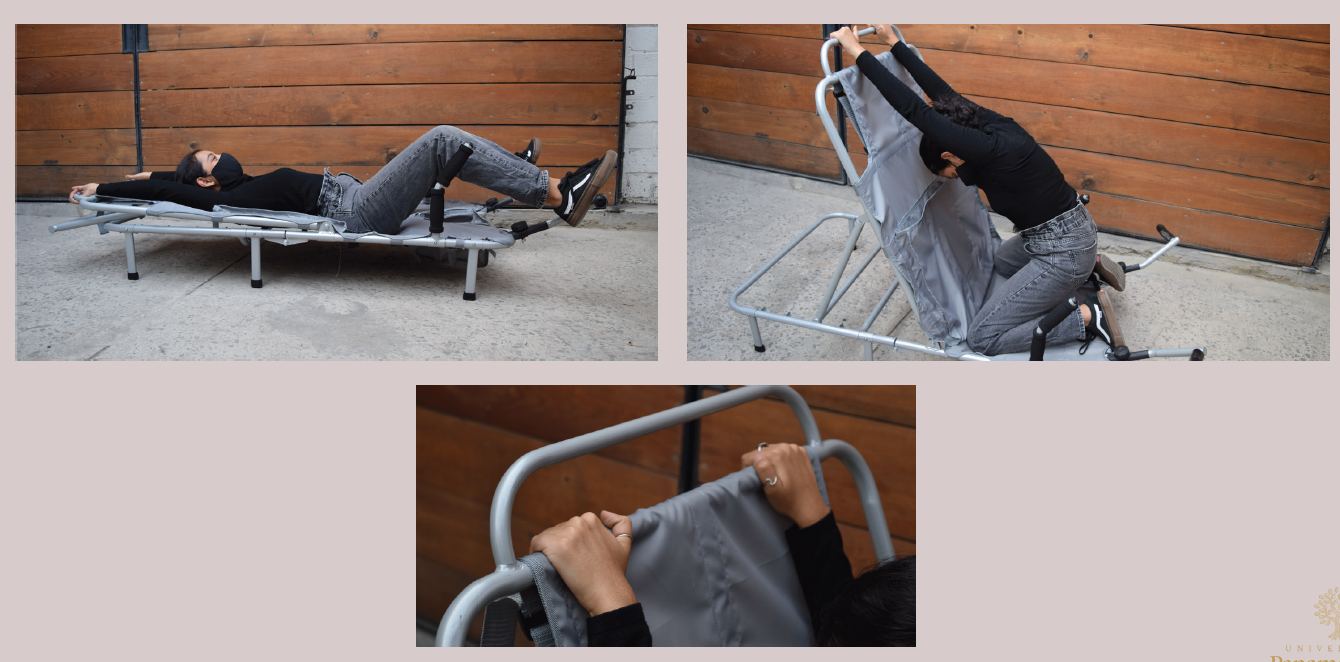
“The second stretcher we’re making, based on this one, will be made entirely of stainless steel and will be used in clinics. There are still many cases in which mothers arrive in labor under emergency conditions, without enough time to be transferred to a suitable room,” says Dr. Cortés.
She adds: “In these situations, babies end up falling directly onto the floor, since there is no adequate equipment available to handle these types of births safely and with dignity”.
This second version of the stretcher is already in the advanced prototype phase and is expected to be fully functional for field use. In addition , the model will be prepared for online sales, with a focus on providing units to clinics and vulnerable communities.
Social innovation through Universidad Panamericana
La Camilla Julieta symbolizes the Universidad Panamericana ’s commitment to medical innovation with social impact. Its focus on human-centered design and vulnerable communities places the institution at the forefront of humanistic technological development in Mexico.
Through designs applied to maternal and child health care and the improvement of quality of life, the National Institute of Health Research and Innovation ( Universidad Panamericana ) reaffirms its leadership in innovation with social significance and ethical purpose.
Learn more about the Universidad Panamericana 's research activities at: https://www.up.edu.mx/investigacion-noticias/