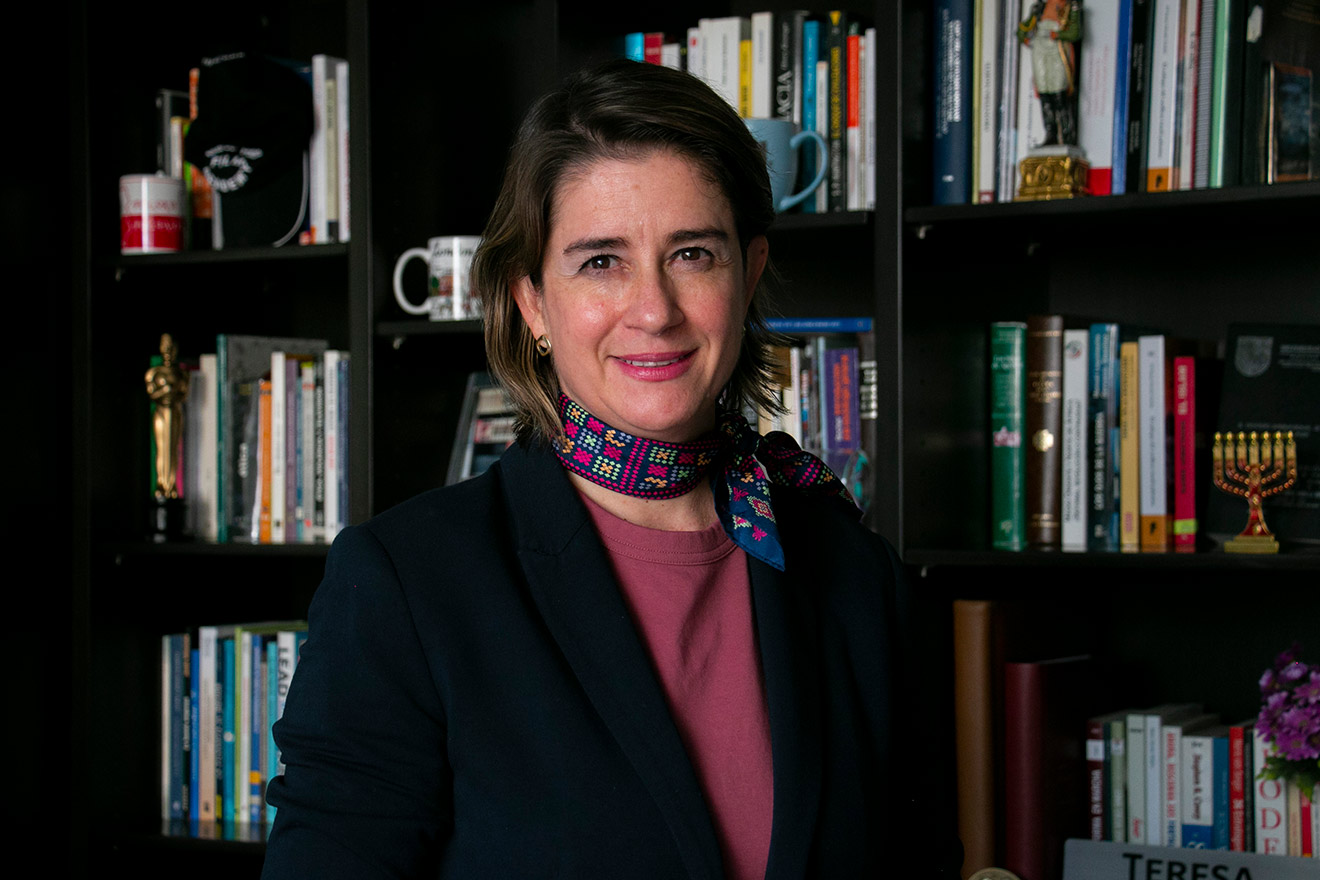
Mexico City, October 2, 2024.— The rise of streaming platforms has changed the way we consume audiovisual content, but it has also raised concerns among parents regarding their children’s access to inappropriate content. Professor Cecilia Sada Garibay, a scholar at the School of Communication for Universidad Panamericana, has addressed this issue in her most recent research, which focuses on the use of parental control tools in video-on-demand (SVoD) services, such as Netflix, Amazon Prime Video, and Claro Video in Mexico.
The study, conducted in collaboration with Dr. Matthew A. Lapierre from the University of Arizona, focuses on how and why parents use these tools. The research highlights the growing use of streaming platforms in Mexico, as well as parents’ concerns about the risks associated with the content consumed by elementary school children.

The Origin of the Research
The idea to explore this topic came from Professor Sada’s daily interactions with parents. “Informal conversations with the parents of my children’s friends, who were in elementary school at the time, revealed their concern about streaming services and the content their children were watching,” she states.
Parents, aware that Professor Sada studies the effects of media, shared their concerns and asked for advice on strategies they could use to limit the use platforms such as Netflix and Amazon Prime Video.
This concern prompted the researcher to further study the use of technical restraint tools in Mexico, a country where access to these services has grown exponentially in recent years.
“The study focuses on parents of elementary school children because at that age, they are already independent enough to turn on the TV, browse a streaming platform, and choose a show or movie, but they are still in the process of developing criteria for what content is appropriate,” she explains.
Perception of Risk and Parental Involvement
One of the most significant findings of the study was the critical role that risk perception and parental involvement play in the use of technical control tools. “The results indicate that parents who perceive greater risks in streaming services are more likely to be actively involved in their children’suse of these platforms, and to be more aware of the parental control tools available,” she adds.
However, these results were only found for Netflix and Amazon Prime Video, not for Claro Video, a service that many families receive as part of a phone package, which is a secondary option among their entertainment choices.
Challenges for Parents and Service Providers
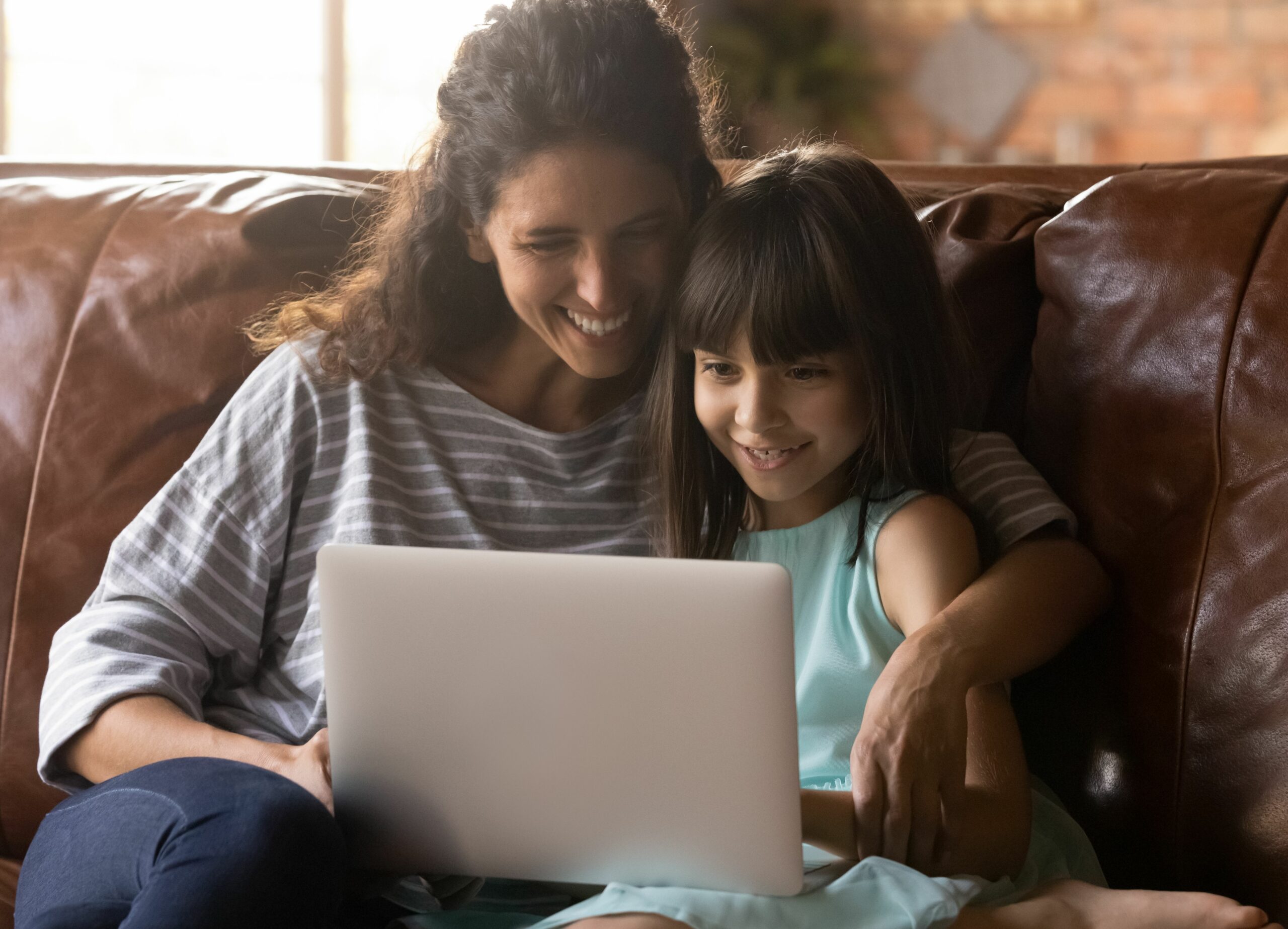
One of the key aspects of the research is the connection between parents’ knowledge of parental control tools and their use. Although the study did not directly measure the effectiveness of the restrictions, Professor Sada emphasizes that knowledge is essential for effective implementation: “The more informed parents are about how the platforms work and what control tools they offer, the better they will be able to make decisions to ensure a safe experience for their children,” she says.
According to Professor Sada, it is essential that streaming service providers improve the accessibility and ease of use of these tools. “I think it’s important for providers to offer clearer and more accessible information about parental control tools, and for parents to be able to set them up directly from their TV without having to use other devices,” she suggests.
Areas for future research
While Professor Sada’s research focuses on streaming services, she emphasizes the need to also explore how parents choose to apply—or not to apply—parental mediation strategies in different contexts.
“It is important to understand how parental mediation varies depending on the circumstances—for example, when the family is at home or at a restaurant, or when parents are tired rather than well-rested. This is an understudied area that could offer valuable insights to help parents manage their children’s media use,” she concludes.

A Call to Action
The study by Professor Cecilia Sada Garibay not only highlights the concerns parents face in an increasingly digital world, but also offers tools and recommendations so they can exercise greater control over what their children see.
Their research is a call to action for both parents and streaming service providers to play a more active role in protecting minors, ensuring that new technologies are used in a safe and responsible manner.
This line of research opens up possibilities for future studies that could explore in greater depth the connection between digital content consumption and children’s cognitive development, providing a more complete picture of how to address all the challenges of the digital world.
Researcher's data:

Professor Cecilia Sada Garibay, a scholar at the School of Communication at Universidad Panamericana.
Read more about her research here.
Learn more about the researchers at the Universidad Panamericanaat: https://www.up.edu.mx/investigadores-panamericana/