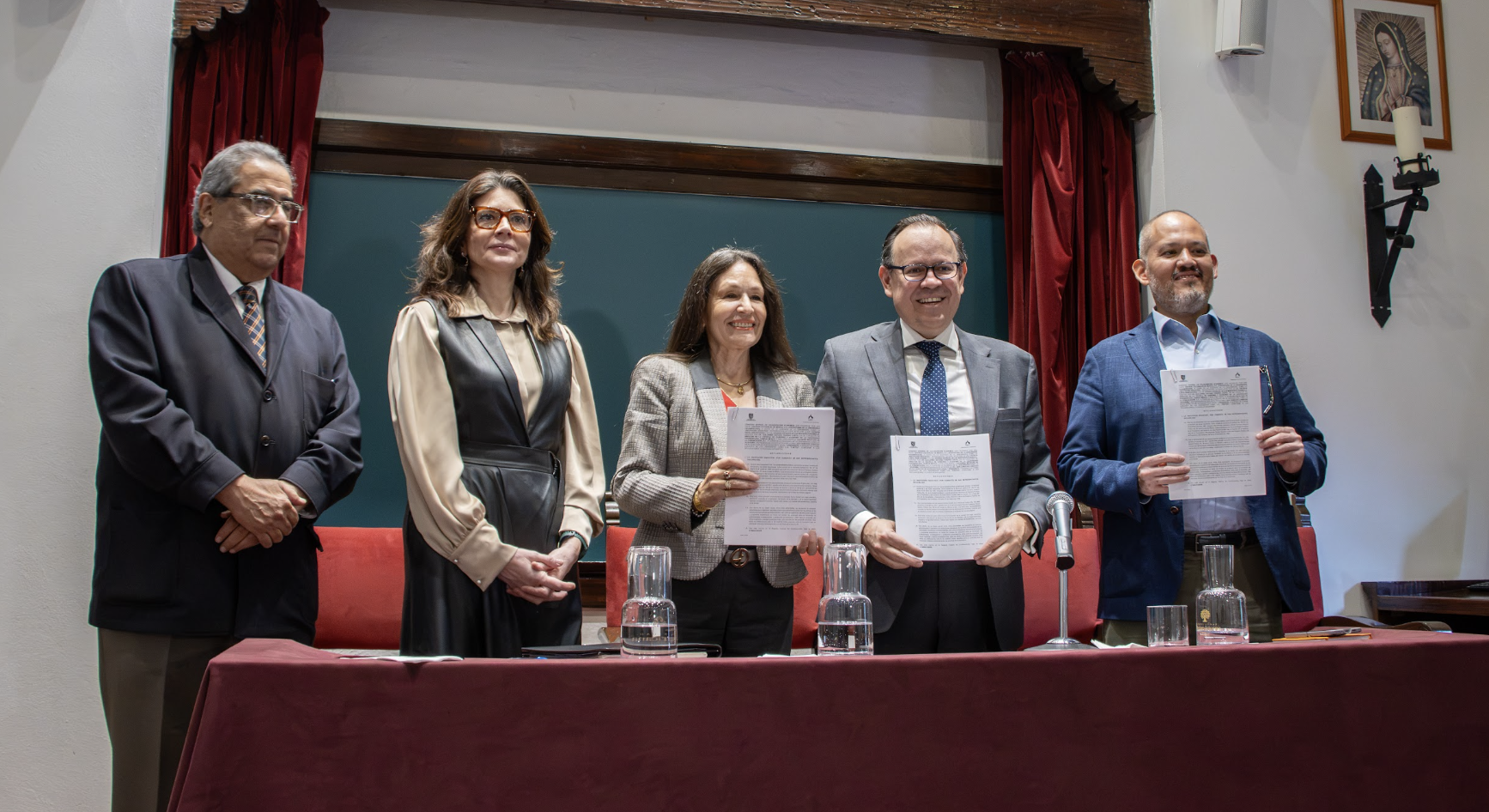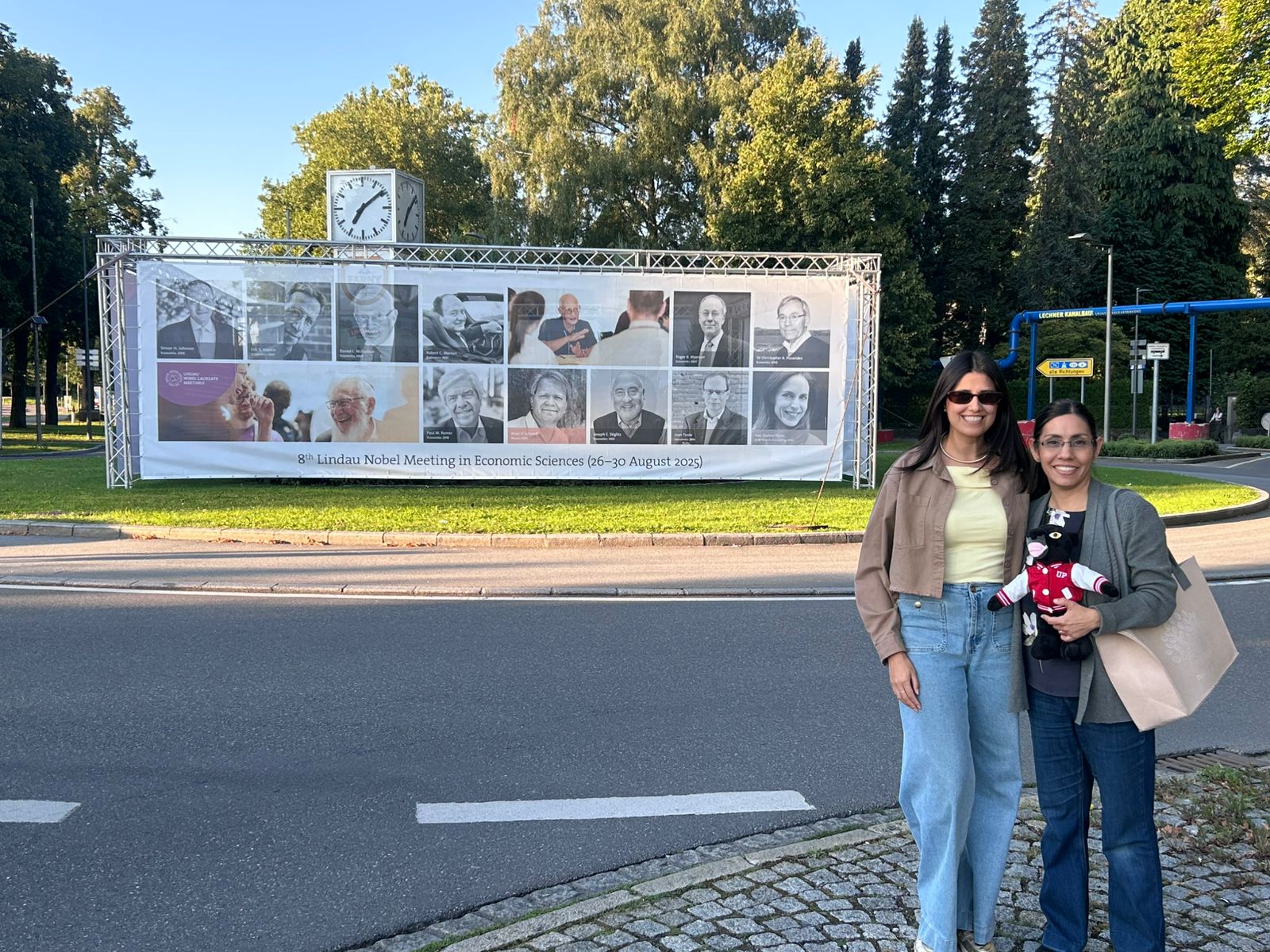
September 9, 2025.— In line with its mission to promote academic excellence and internationalization, the Universidad Panamericana was present at the 8th Meeting with Nobel Laureates in Economics, represented by two distinguished research professors from the School of Economics and Business.
A high-level, intentional gathering
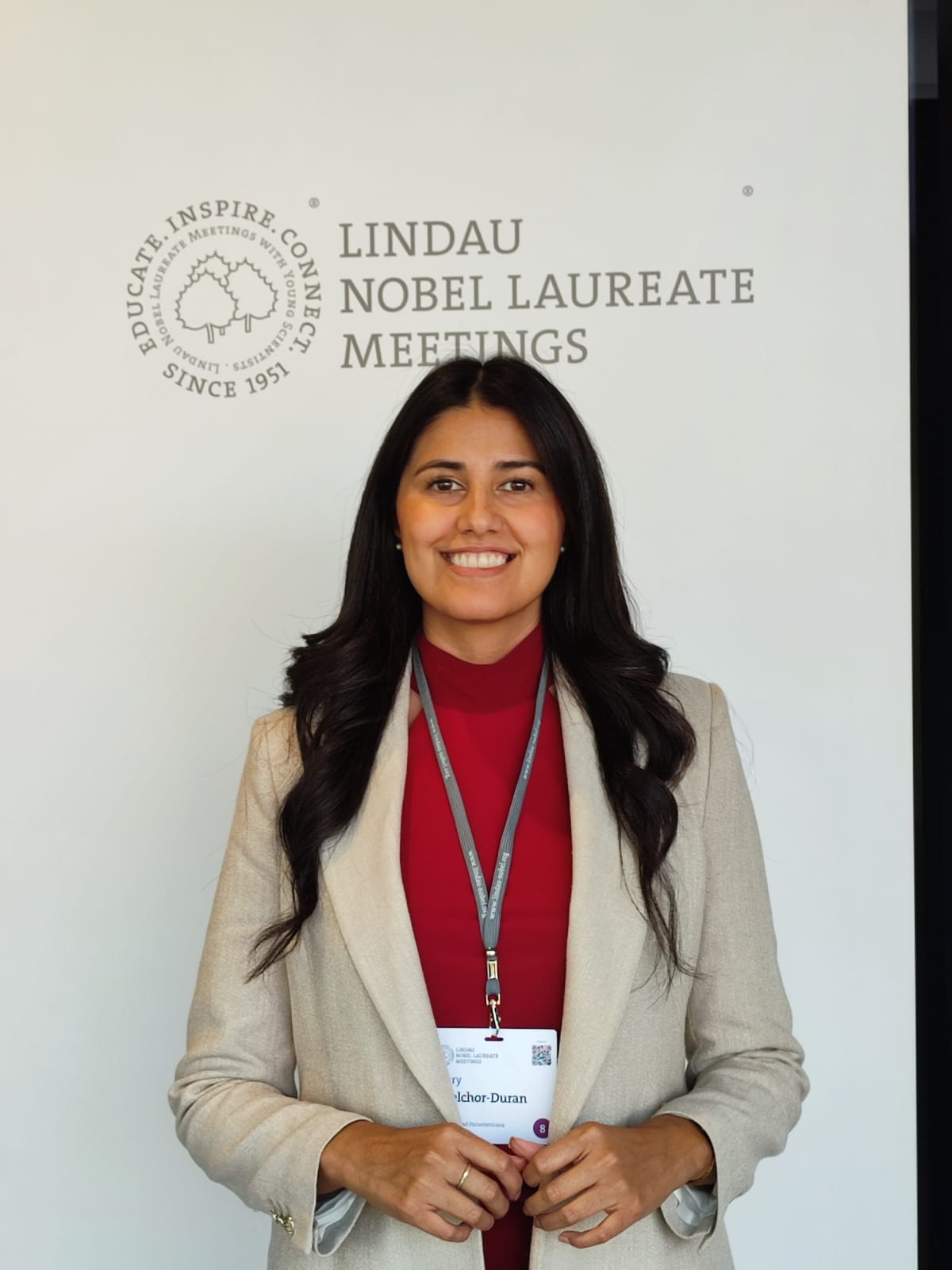
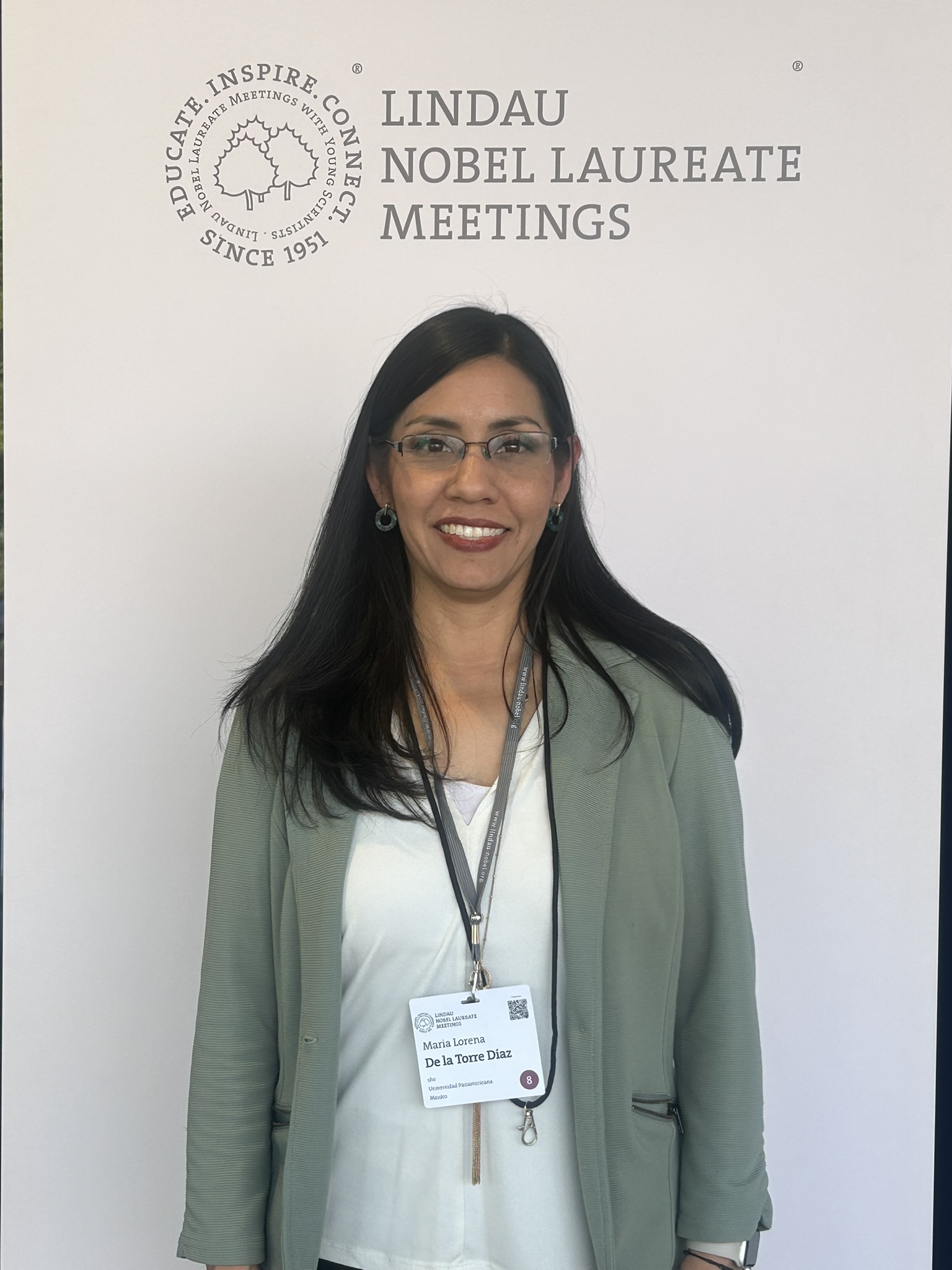
Through the Office of the Vice President for Research at the Universidad Panamericana and in partnership with the Columbus Association, Dr. Irery Melchor-Durán from the Aguascalientes campus and Dr. Lorena de la Torre Díaz from the Mexico City campus had the opportunity to speak with Nobel Prize laureates in Economics.
To participate in the meeting, the selection process involved a thorough review of the academic records, research projects, publications, teaching experience, and letters of recommendation of all applicants, which were evaluated by an international panel from the Council for the Lindau Nobel Laureate Meetings.
The event brought together more than 300 scientists, economists, and Nobel laureates in Economics, including Simon Johnson, Robert Aumann, Paul Romer, Roger B. Myerson, and Douglas Diamond, and also fostered dialogue with young scientists and doctoral students.
Dr. Irery noted that the experience was particularly enriching because she had the opportunity to interact with and discuss profound topics with young researchers from every continent and from diverse backgrounds, which allowed her to broaden her understanding of the world on both a personal and academic level.
““I appreciated the opportunity to learn about different research techniques, ranging from health studies to theoretical analyses of statistical and economic methods, which show how various realities can be explained and how the world works in economic, financial, and business terms,” he adds.
Strategic Approaches to Global Challenges and Human Development
During the presentations, one of the topics that generated significant interest was banking regulation and measures to prevent financial crises that directly affect consumers. The discussions focused on what innovations and laws are needed to prevent bank failures or, if necessary, to protect citizens from losses.
During this conference, Dr. Irery Melchor had the opportunity to engage in a dialogue with Professor Douglas Diamond, a Nobel laureate in Economics, in which they discussed the importance of banks and their role as stakeholders—ensuring that they are not merely subject to external regulations but also actively participate in shaping them.
The experience highlighted that, although the current narrative focuses on imposing rules from the outside, “it is essential to open the discussion toward closer collaboration between the financial sector and academia, with the aim of building a fairer and more functional system for society,”, notes Dr. Melchor.
He also highlighted how the global landscape is shifting from a vision of openness and globalization toward marked regionalization, leading to a “fragmentation” of the world; this shift raises a series of profound debates regarding international cooperation, supply chains, and the need to maintain dialogue among nations.
For her part, Dr. Lorena de la Torre took part in direct dialogue sessions with Sir Christopher Pissarides, winner of the Nobel Prize in Economics, who emphasized the importance of incorporating artificial intelligence into education to transform traditional learning methods.
“Artificial Intelligence was a major topic at the event—for some, it was a widespread concern in the workplace, but for others, it was seen as a positive development that could bring many benefits,”, adds Dr. Lorena.
In addition, during the discussion, participants noted how important it is in this technological age to continue fostering the development of soft skills such as empathy, emotional intelligence, and the ability to connect with others—skills that the Universidad Panamericana in its educational model.
Academia as a driver of solutions for society
On an academic level, the researchers established connections with colleagues from around the world at a conference where most of the participants were under 30. This dialogue with young researchers, particularly those from Latin America, opened up opportunities to build collaborative networks with universities in the region.
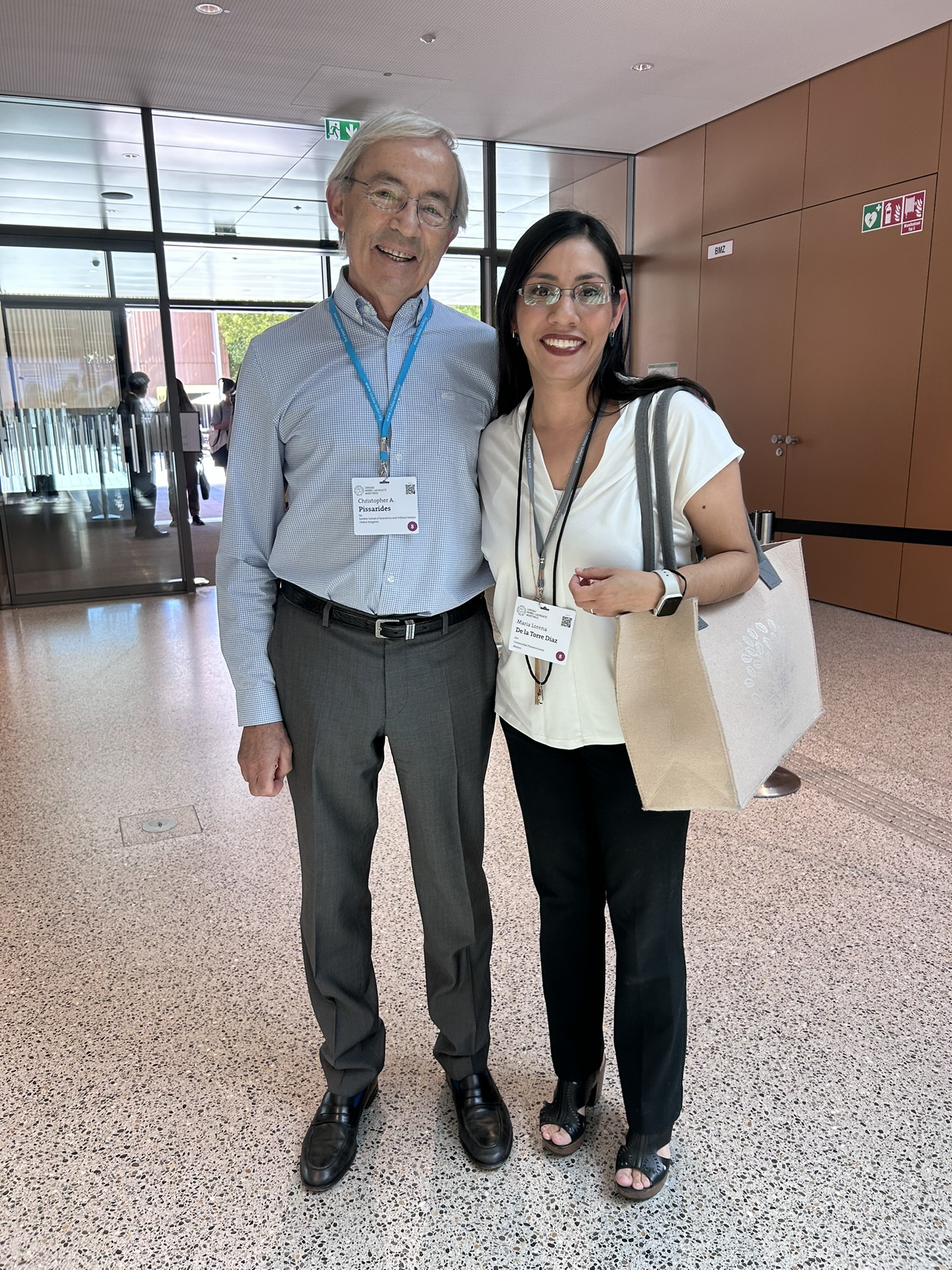
For Dr. de la Torre, a significant moment was a conversation with a Chinese researcher conducting her research in Sweden, with whom she identified common interests and opportunities for future collaboration.
““The first goal I set for myself after this experience is to never stop learning, particularly in the area of econometric models, so that I am always up to date on the latest global trends and able to participate in these discussions,” she adds.
This experience motivated representatives from the Universidad Panamericana strengthen and foster interest in research among undergraduate students, supporting young talents in gaining access to international forums where key decisions for the future are made, as well as creating opportunities for future academic collaborations.
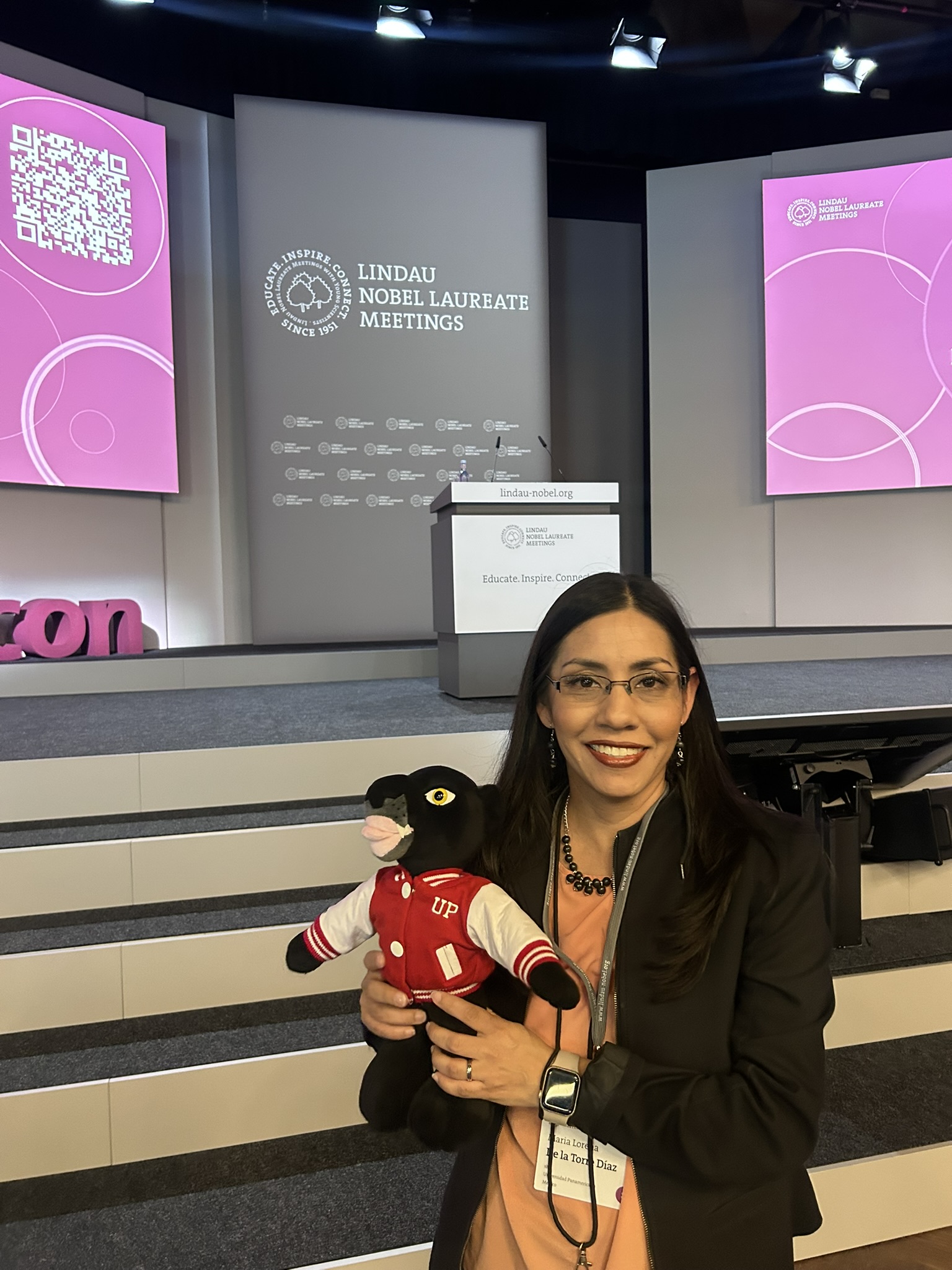
“During the meeting, we met several professors and researchers whose backgrounds I found extremely valuable, and I immediately thought of the potential they would have to join our summer programs at the university as short-term collaborators, and even to participate in long-term academic cooperation projects,” adds Dr. Irery Melchor.
In addition, his vision emphasized the importance of developing initiatives and projects that involve not only the university but also government institutions, thereby seeking joint solutions that have a broader impact on society.
Partnerships with an eye toward the future
Dr. de la Torre, reflecting on the trends that could shape the future of research, noted that “increasingly sophisticated econometric models will be a key tool for young researchers, especially in the field of economics, who will need a solid foundation in this area, without neglecting the fundamentals of classical theory.”
He also emphasized the need to develop skills in artificial intelligence and programming, given that these skills have become essential requirements in both research and numerous industries.
Dr. Melchor emphasized the importance of linking academic research to social needs, so that knowledge can be translated into actions that improve people’s lives. She also highlighted the urgent need for more robust financial systems and an academic community committed to social transformation.
UP: An Institution Engaged in Global Discussions
The participation of female researchers from the School of Economics and Business in the 8th Meeting with Nobel Laureates in Economics highlighted the importance of balancing classical theories with current technological and methodological innovations.
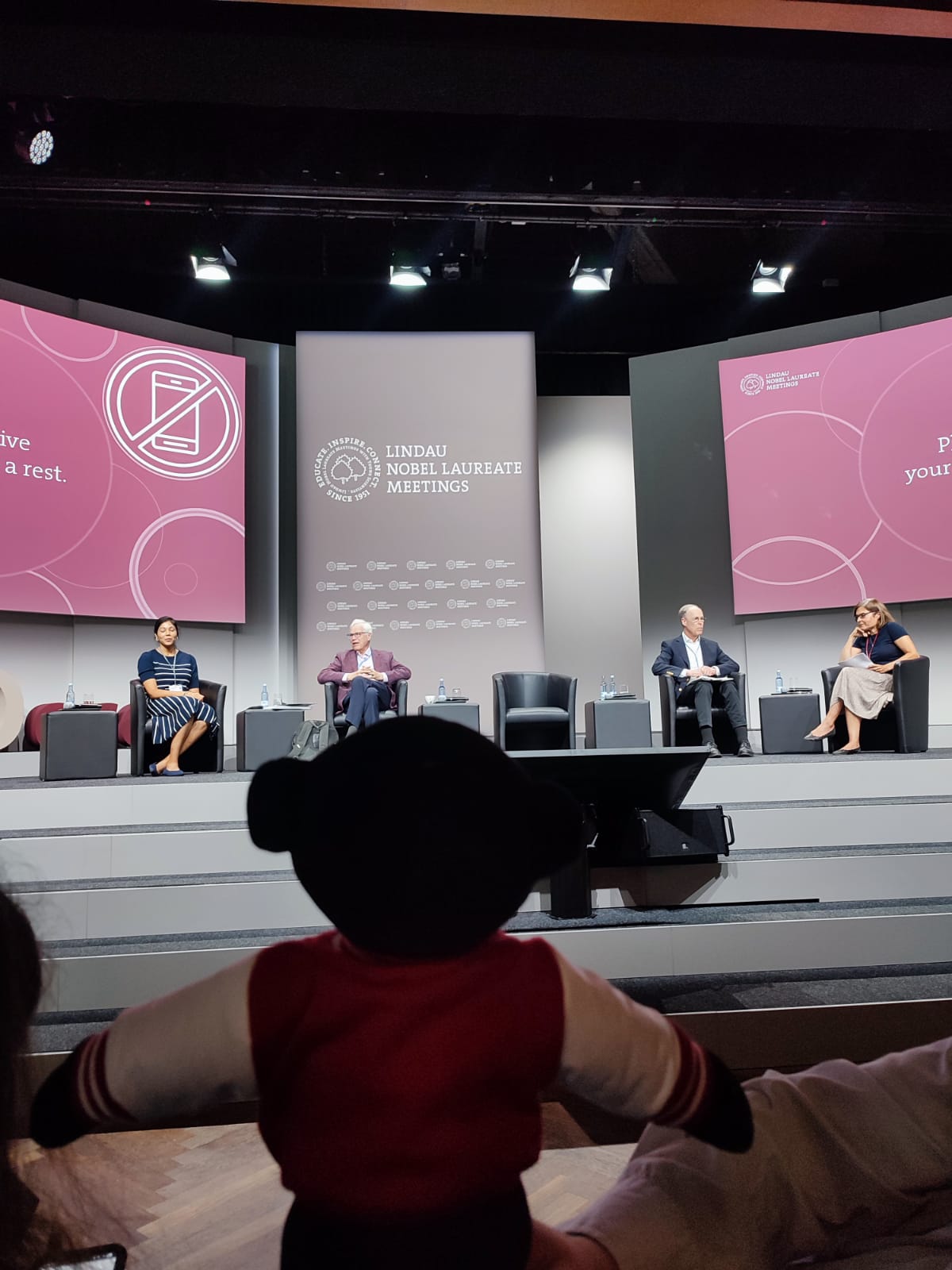
These international experiences enhance researchers' skills and establish the Universidad Panamericana the global academic stage.
Learn more about the School of Business: https://www.up.edu.mx/educacion-universidad-facultad-de-empresariales/