For several months, there has been sustained discussion regarding the tariff policy promoted by President Trump toward other countries. In Mexico, concerns are significant regarding the potential competitive impact this could have on strategic industries of national relevance, such as manufacturing, automotive, and agriculture. It is understandable that delegations from the Mexican government have been traveling back and forth to negotiate with their U.S. counterparts, given that more than 75% of our country’s exports go to the United States—amounting to nearly USD 500 billion in 2024.
Our strong relationship with the United States is not confined to trade. In terms of foreign direct investment (FDI), in 2024 Mexico attracted investments from companies in our northern neighbor amounting to slightly over USD 16 billion, the fourth-highest figure in the past 25 years. Only 2001, 2015, and 2019 exceeded this level. What set 2024 apart from previous years—and had not been seen in the last quarter-century—was the nature of this investment: 90% of FDI came from reinvested earnings, nearly USD 15 billion, confirming the positive trend that began in 2023 when USD 11 billion, or 82% of FDI, also remained in Mexico.

This reinvestment of earnings means that profits generated by foreign companies stayed in Mexico rather than being repatriated to the United States. This is undoubtedly positive for our country, as it generates more jobs, more investment, and greater economic activity. The fact that foreign companies have chosen to reinvest their resources domestically could have multiple explanations, but one is that these companies perceive good opportunities in our country and are willing to continue investing—an encouraging sign that it is worthwhile to invest in Mexico. This has not been the norm: with the exception of the last two years, the average share of reinvested earnings as part of total FDI over the past 25 years has been only 34%.
What, then, is the challenge for our country and our government? Attracting new investments from U.S. companies. The year 2024 was one of the four worst in the last 25 years, along with 2000, 2014, and 2023. In the previous year, new investments amounted to just USD 2 billion. It is precisely here that I wish to focus this reflection.
What, then, is the challenge for our country and our government? Attracting new investments from U.S. companies. The year 2024 was one of the four worst in the last 25 years, along with 2000, 2014, and 2023. In the previous year, new investments amounted to just USD 2 billion. It is precisely here that I wish to focus this reflection.
We are experiencing a favorable period in which foreign companies that have already invested in the country trust in Mexico and decide to leave their resources here, which could be interpreted as a sign that we are an attractive investment destination. Yet, at the same time, we face a major challenge: new investments from our main trading partner have decreased. Having demonstrated that investing in the country is viable and that such investments can remain, should this not be the moment to look outward and further explore other regions of the world—both to diversify our exports and to invite new companies to invest in Mexico?
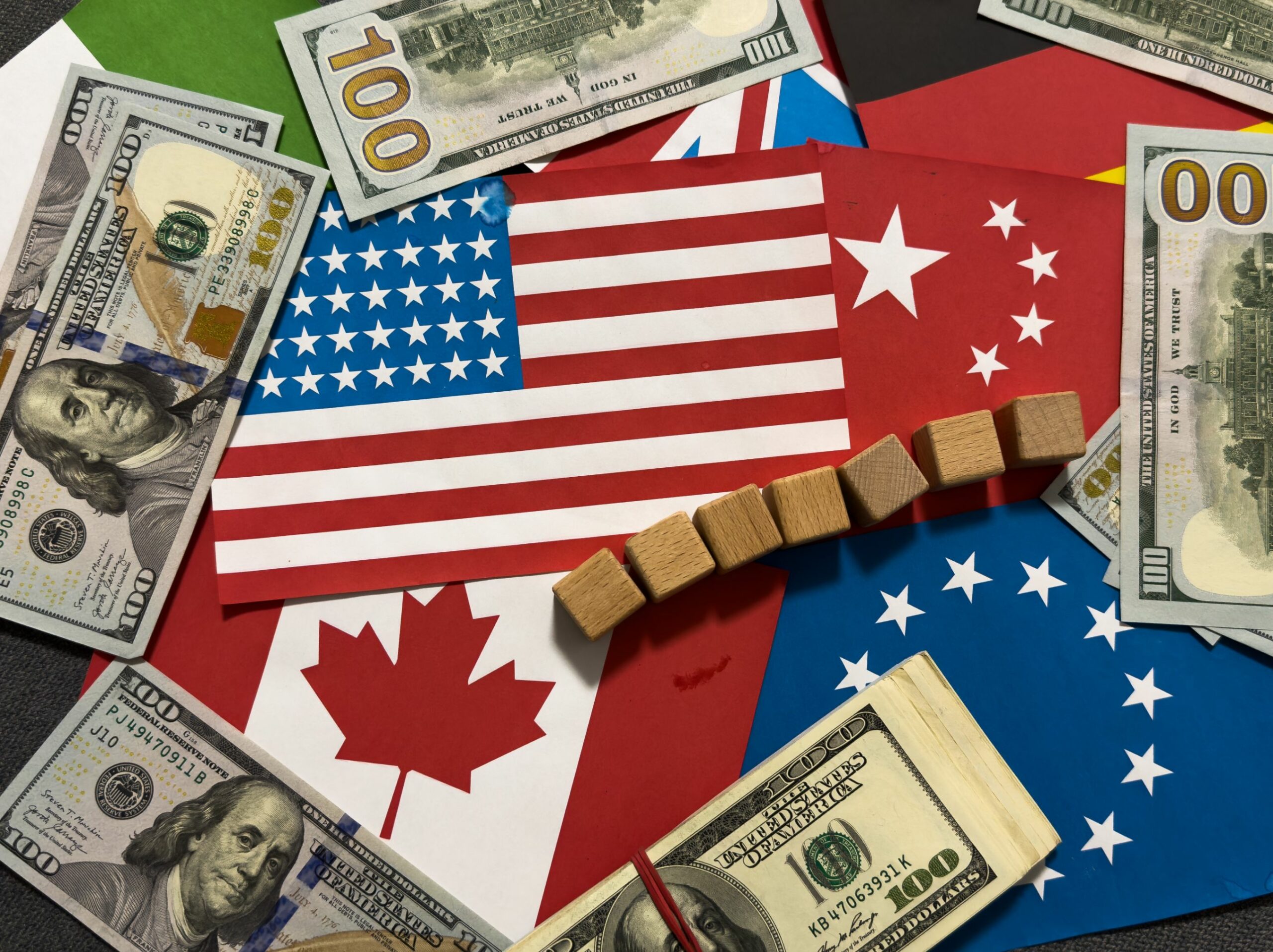
Mexico is among the countries with the highest number of free trade agreements worldwide, enabling preferential tariff conditions with over 60% of the global economy. According to the Ministry of Economy, our country has 14 free trade agreements with 52 countries and 30 agreements for the promotion and reciprocal protection of investments with 31 countries or administrative regions. Furthermore, Mexico is an active member of the WTO, APEC, the OECD, and ALADI. While the USMCA is our most important treaty, the second most significant is with the European Union, granting tariff agreements with 27 countries. Another important agreement is the Trans-Pacific Partnership, which involves countries such as Japan, Australia, and Singapore, granting access to over 500 million consumers.
It is important to acknowledge that other nations, also considered developing economies, do not enjoy the same opportunities that Mexico does. The effort to build this network of trade agreements has been ongoing for many years, through administrations of various political orientations. Much of the work is already complete: we have the frameworks, mechanisms, and regulations in place. Now it is up to the protagonists—companies and entrepreneurs.
Our economic dependence on the United States, while highly beneficial for both nations, can at times be detrimental from an attitudinal and cultural standpoint, given the degree of complacency it has fostered. Our geographical position in North America, our natural resources, the capabilities of the Mexican people, and the quality of our products and companies should drive us toward a stronger appetite for diversification. This does not mean forgetting or abandoning our principal partner and ally. First, because materially it would be impossible to reinvent the country overnight, and second, because the United States has been one of our primary engines of growth, and it would not be in our interest to turn away.
Recent developments are encouraging: there is an effort to deepen trade with another major player in the Americas, Brazil; plans are being discussed for a new trade agreement with the European Union in 2026; and media reports have highlighted the planned visit of Singapore’s President to Mexico at the end of 2025 to announce the opening of their 30th embassy worldwide and to strengthen commercial and business ties. All these opportunities are within reach for companies and entrepreneurs willing to explore new markets and break paradigms.
Achieving diversification will not mean that we cease to care about potential new U.S. tariffs on our country. However, it will allow us to operate with lower levels of uncertainty—conditions characteristic of a diversified and consolidating economy.
Author’s Information:
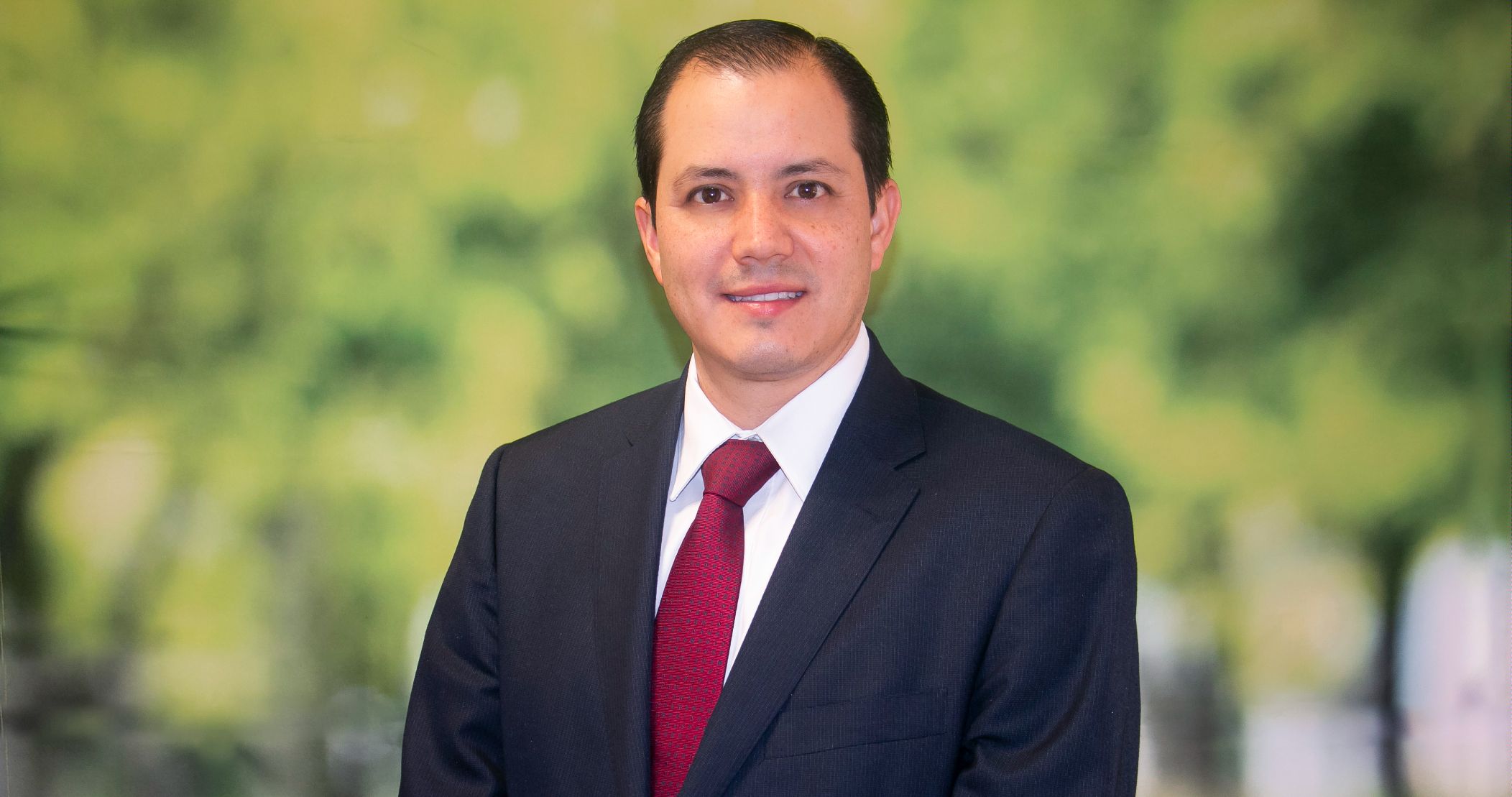
Dr. Héctor Xavier Ramírez Pérez, vice-rector of the Universidad Panamericana, Mexico City campus.