Mexico City, August 28, 2026.— Universidad Panamericana, through the CINOV (Center for Innovation and Technological Development), hosted the forum “IFT Top Voices 2026: To Innovate & Inspire”, a forum organized in collaboration with IFT Mexico Section, bringing together leading voices from the food, beverage, and ingredients industries to analyze the main challenges, trends, and opportunities in food innovation in Mexico and Latin America.
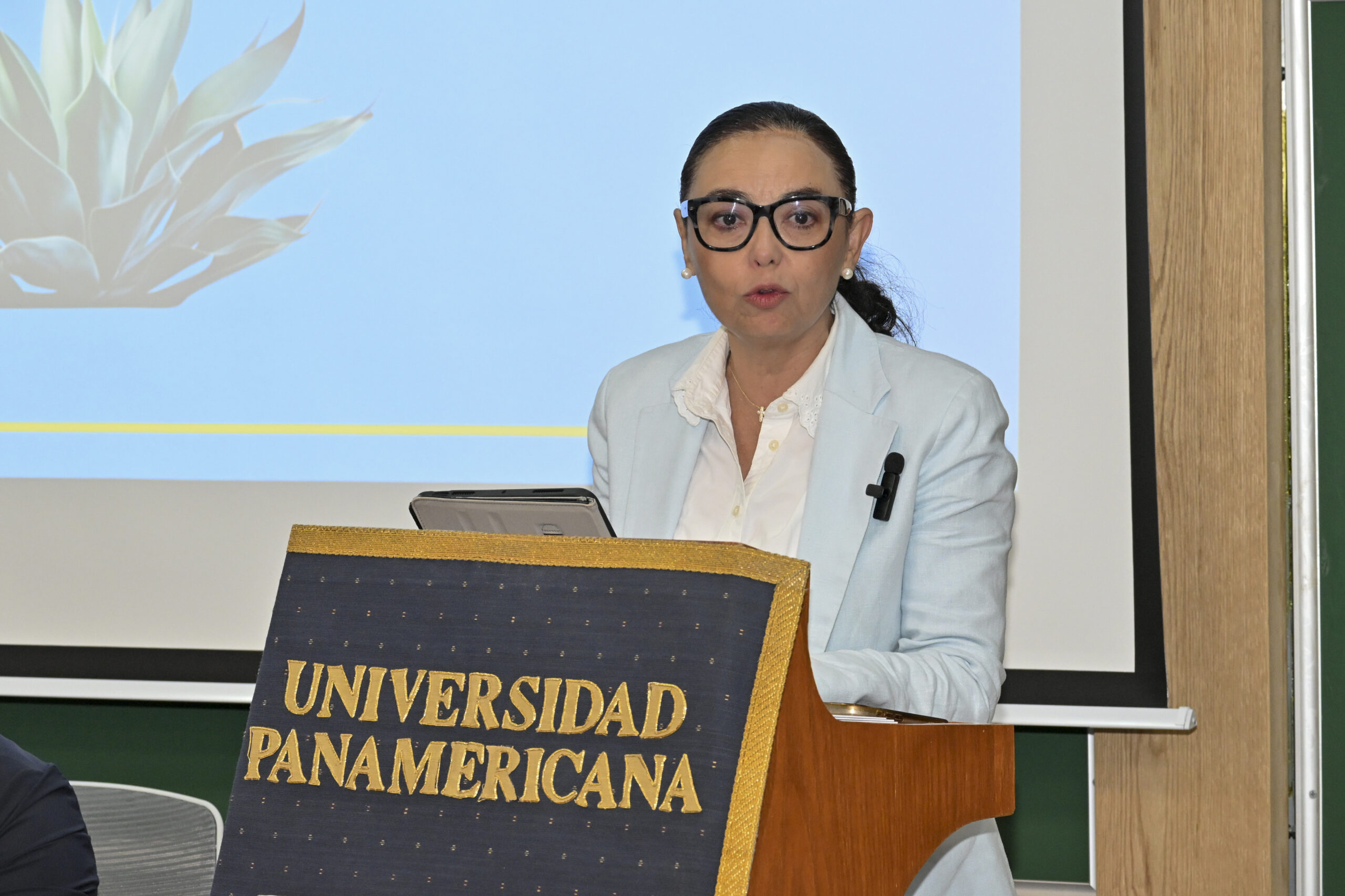
The event, held on August 21 at the Graduate Studies campus of the National Autonomous University of Mexico ( Universidad Panamericana ) in Santa Fe, opened with a message from Dr. Claudia Ortega Barba, director of research at the National Autonomous University of Mexico ( Universidad Panamericana ) Mexico City Campus, who emphasized that food transcends its physiological function to become a cultural, economic, and ethical pillar with a direct impact on the planet’s sustainability.
On behalf of the Office of the Vice President for Research, Dr. Ortega emphasized that innovation in the food sector no longer means simply developing a product or packaging, but rather finding ethical, efficient, and scientifically grounded solutions to feed a constantly changing world.
A Commitment to Collaboration
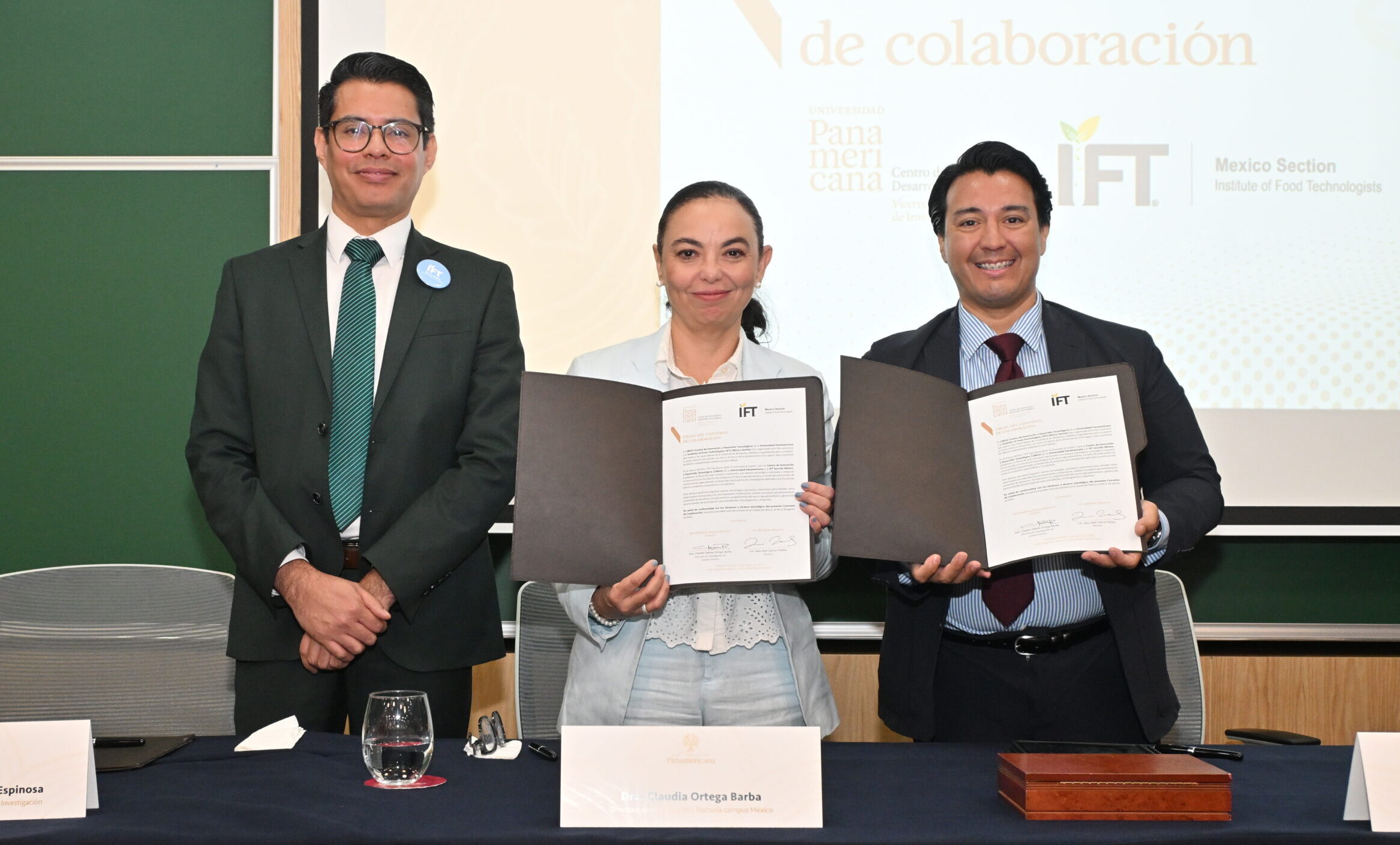
One of the highlights of the event was the signing of the collaboration agreement between IFT Mexico Section and the Universidad Panamericana, a milestone that, as Dr. Ortega noted, takes on special significance because it took place during this forum dedicated to innovation.
The agreement, signed by Dr. Ortega Barba, on behalf of Dr. Sergio Velázquez Rodríguez, Vice President for Research; and Juan Vilches, CEO of IFT Mexico Section, formalizes a commitment to collaboration aimed at strengthening applied research, promoting innovation, and fostering technological partnerships between the two institutions.
According to the Universidad Panamericana, the director of research at the Mexico City campus explained that the agreement “represents a strategic bridge between the generation of knowledge in the classroom and its application in key sectors of the country’s economic and technological development, with a special emphasis on food production, processing, preservation, quality, and safety”.
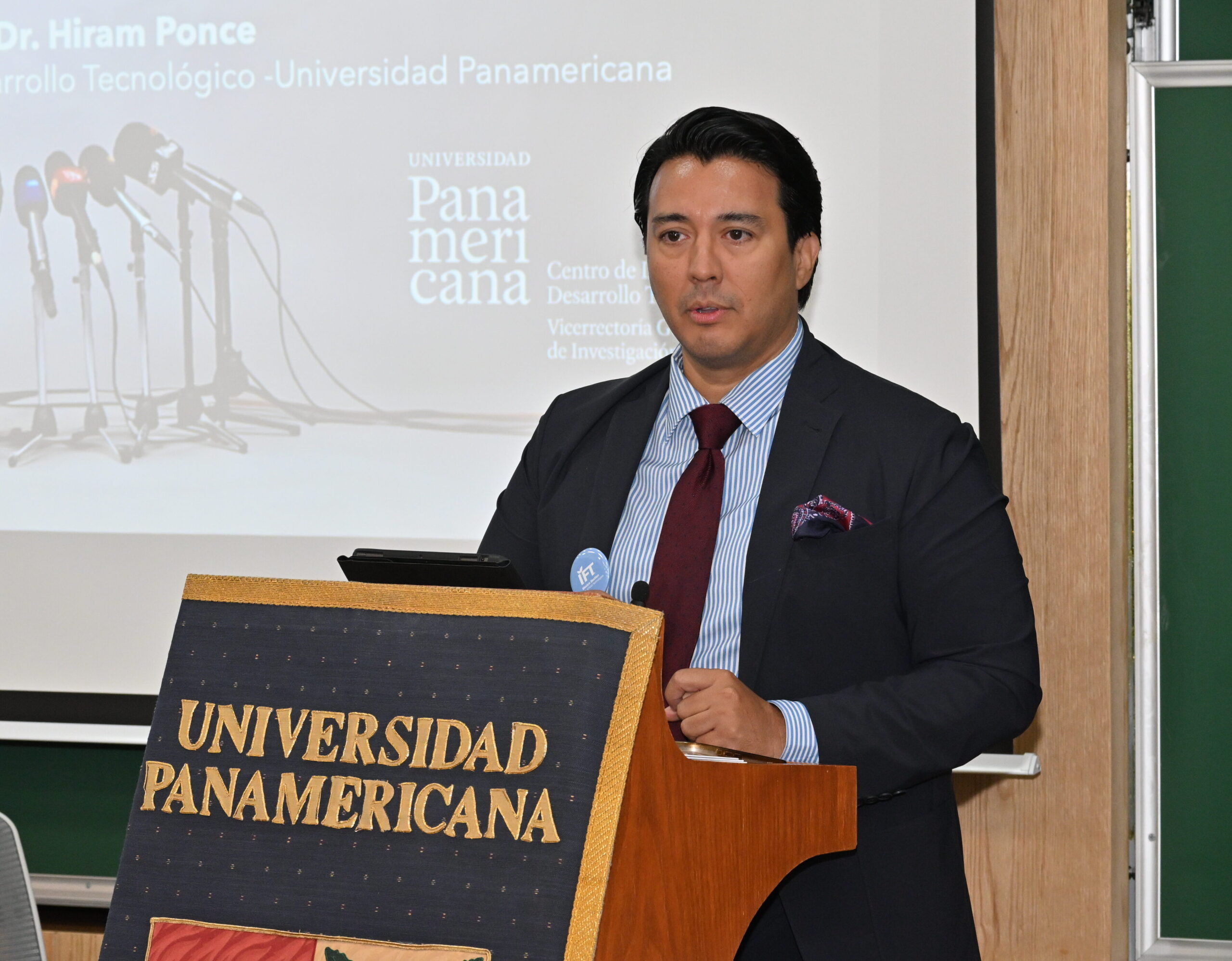
In his remarks, Mr. Vilches agreed that the partnership will enable both organizations “develop solutions to the various challenges facing our industry and the food sector”, and emphasized that the agreement is not merely a deal between the boards of directors, but rather an open door for the entire community of IFT Mexico and the Universidad Panamericana.
Through this agreement, the Universidad Panamericana , and IFT Mexico Section—the first IFT chapter in Latin America—are laying the groundwork for a collaboration that will seek to open up new opportunities for applied research, technological development, and industry engagement for students, researchers, and professionals in the food sector.
Academic and Industrial Collaboration: The Focus of the Inaugural Conference
The forum’s opening lecture was delivered by Dr. Hiram Ponce, director of CINOV, who spoke about Academic and Industrial Collaboration as an Innovation Strategy in the Food Sector.
Dr. Ponce described CINOV as an applied research center with a presence on various university campuses (Aguascalientes, Mexico City, and Guadalajara), making an impact in three major areas: the agri-food industry, flexible manufacturing, and health technologies. Over the past five years, he noted, the university has carried out 59 projects with various industry partners.
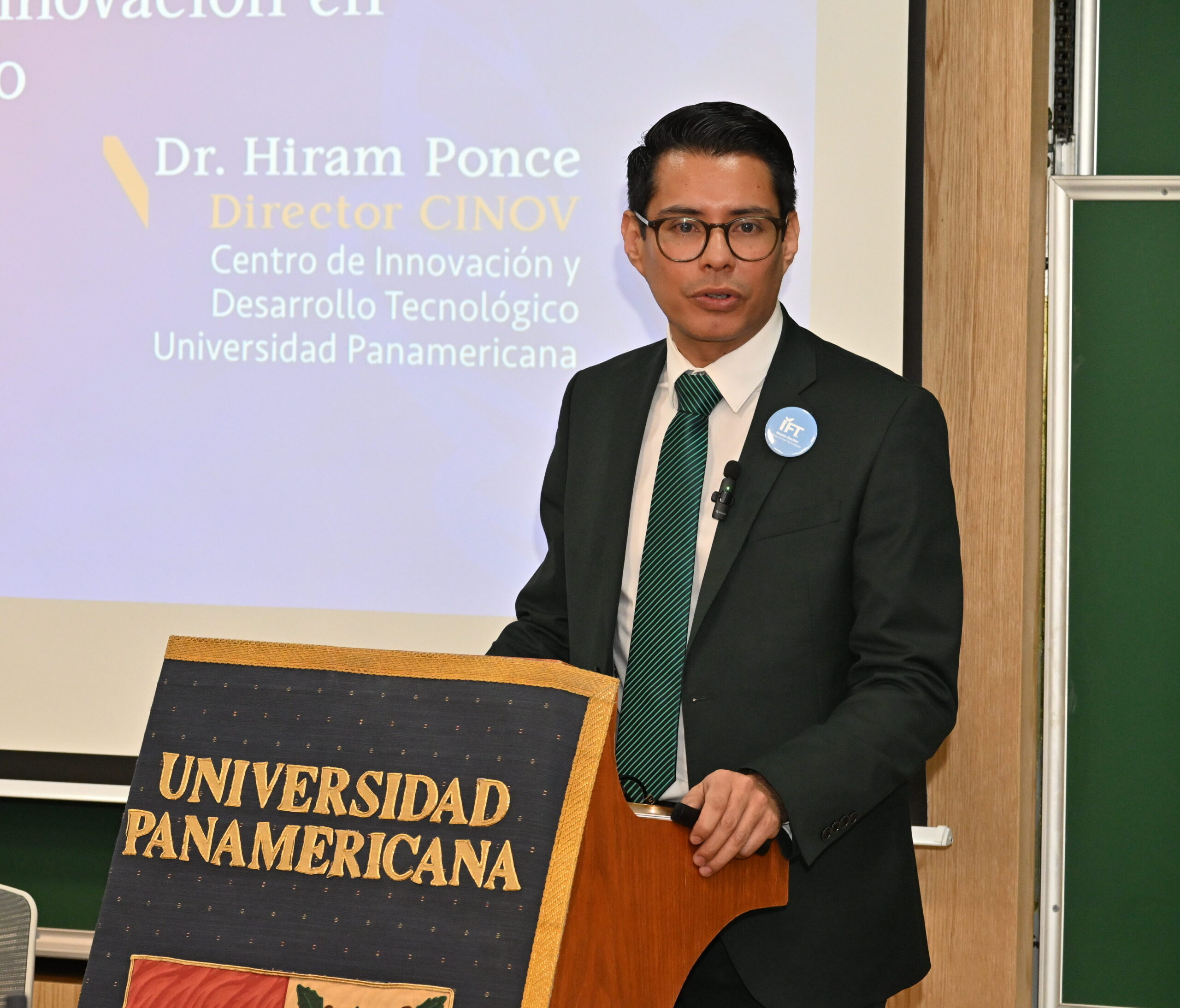
During his remarks, the president—who also heads the Mexican Society for Artificial Intelligence—identified four major challenges facing the food sector today: regulation and health, consumer expectations, operational efficiency and costs, and a shortage of talent; and he argued that collaboration with academia is a strategic way to turn those challenges into competitive advantages.
As an example of this collaboration, he presented three projects developed at the university: a sensor and data analytics system for quality traceability developed for industry; an orange peel-based bioplastic for which the university has already been granted a patent; and an artificial intelligence system for analyzing amino acid sequences with potential applications in the pharmaceutical and agri-food sectors.
Ten Trends Shaping the Future of the Industry
The program continued with a presentation by Pablo Silva, M.A., Director of Content and Institutional Relations at The FoodTech Summit & Expo, who presented The Voice of the Industry: 10 Signs Pointing the Way for the Food Sector.
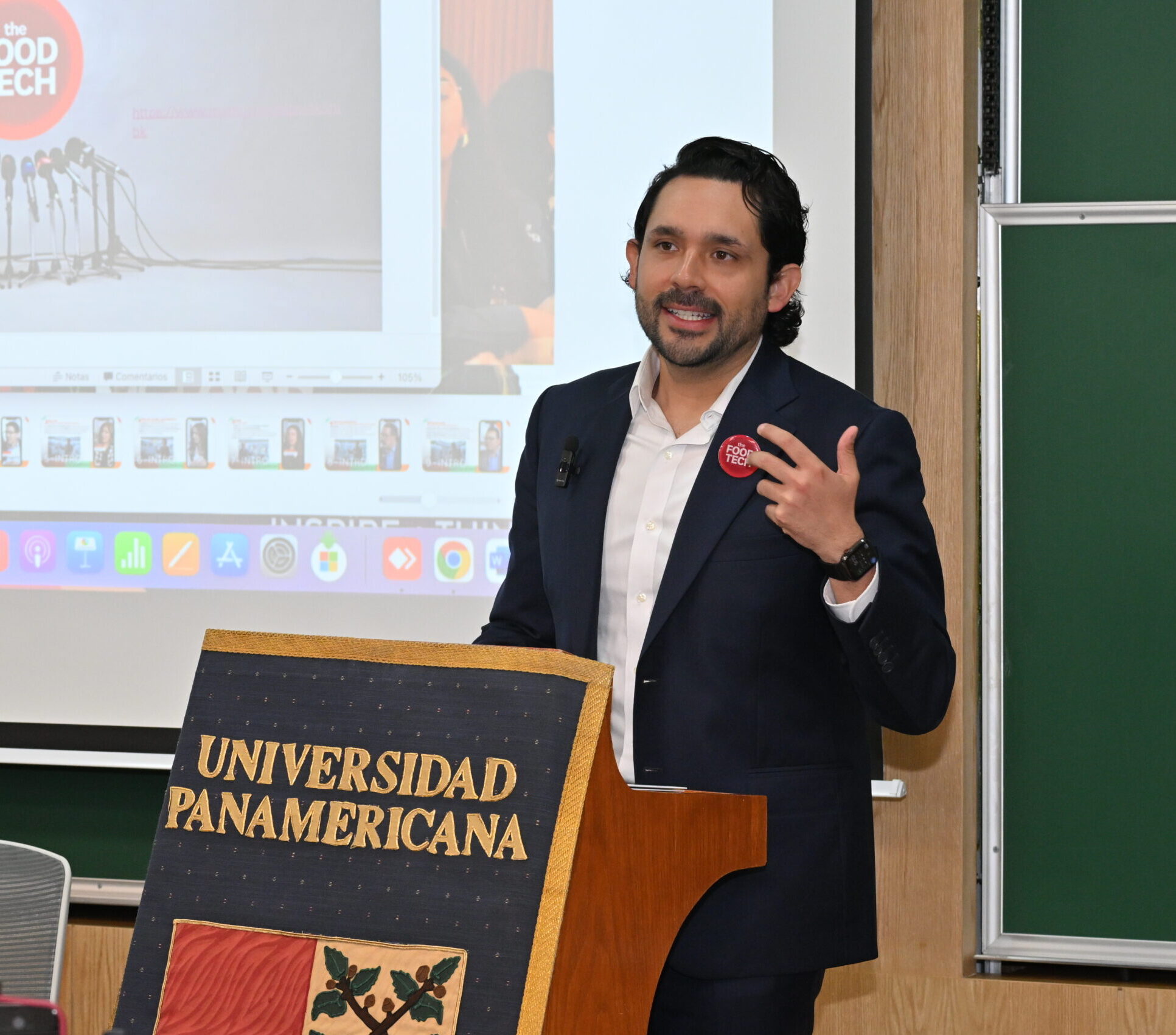
Silva explained that these trends did not emerge from an internal editorial exercise, but rather from a think tank session held with executives from industry chambers, associations, and companies, supplemented by responses from the audience through a live interactive session.
Among the topics identified, the following stood out:
- Nutritional Science Beyond Macronutrients.
- The micronutrient crisis, exacerbated by climate change.
- The use of artificial intelligence in research, formulation, and sensory analysis.
- Mental and Digestive Health.
- The Rise of Longevity and Supplements.
- The Use of Byproducts as Functional Ingredients.
- Regulatory pressure regarding ingredients and food colorings.
- Rebuilding consumer confidence.
- The Rise of Alternative Proteins.
Health 2030: Where Is Nutrition in Mexico Headed?
Juan Bárcena, director of the Lala Nutrition Institute, offered a look ahead to 2030 regarding eating habits in Mexico, based on five forces that, he said, are simultaneously redefining the way people eat:
- The Shift from Calorie Counting to Metabolic Health;
- The shift “from the nutritionist to the algorithm,” with the growing influence of digital platforms and wearable devices on dietary decisions;
- The conflict between food and available time, resulting from urbanization and increasingly smaller households;
- food insecurity, with nearly 60% of Mexican households experiencing some degree of food insecurity and Latin America being the region with the highest cost of access to a healthy diet;
- The reinvention of traditional cuisine, with foods such as tortillas, beans, and chili peppers remaining relevant in the face of new consumer trends.
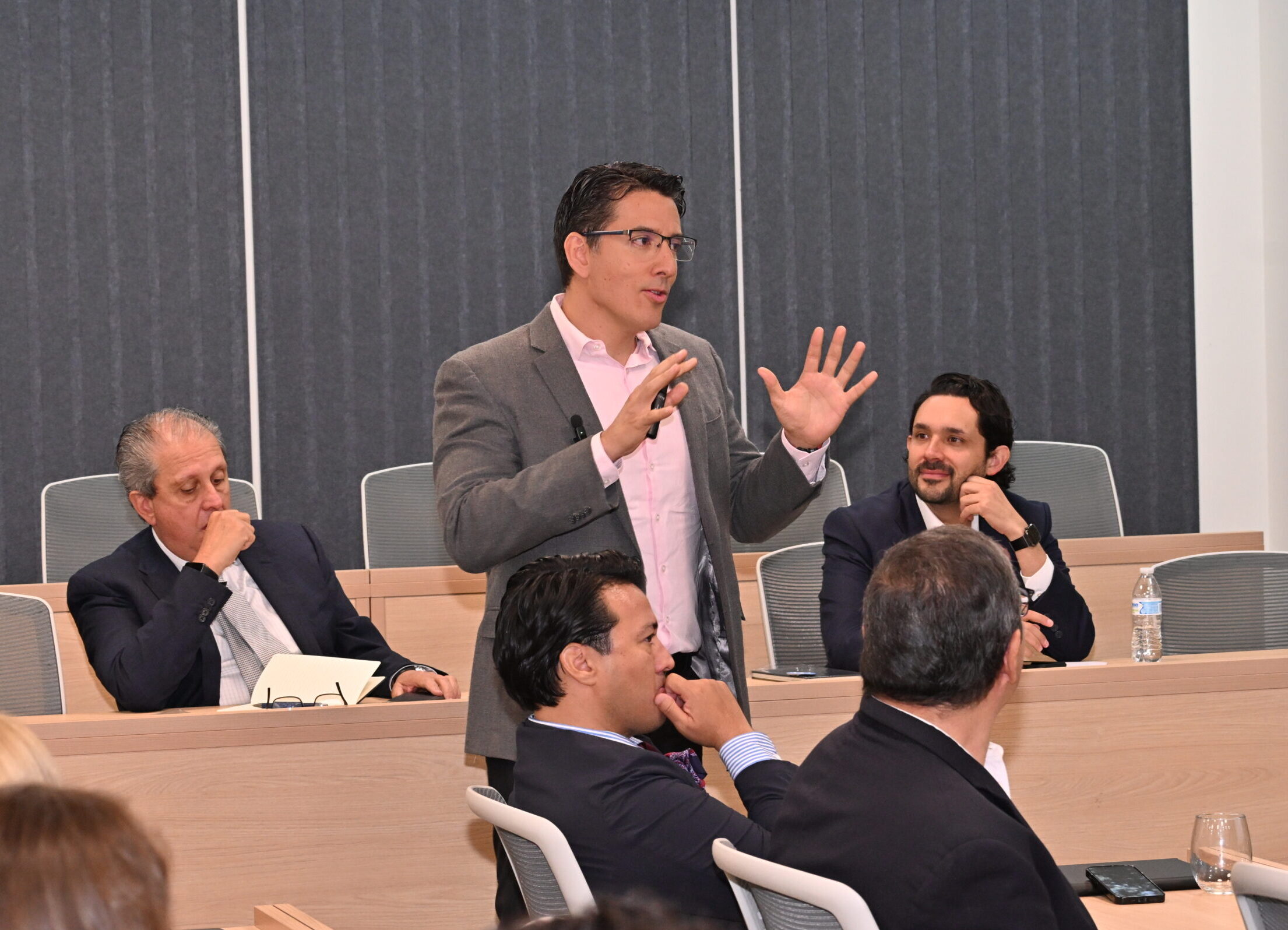
Bárcena concluded with a call for the transformation of the food system not to exacerbate existing inequalities, but rather to help make food more accessible to the entire population.
Innovation and Technological Development in Food
The forum also included representatives from companies and organizations linked to the food industry.
María Fernanda Cuadra Yáñez, Engineer and R&D Manager at Sensient Colors, presented "Naturally Innovative: Reinventing Food Color". For his part, Francisco Gallardo Soto, Engineer and Commercial Director at Norevo Mexico, addressed the topic Beyond Ingredients: How to Build Commercial Organizations That Generate Value.
Juan Vilches, Esq., presented the lecture Perception and the Senses: The Impact of Emotional Design on Food Packaging, which focused on the influence of sensory packaging design on purchasing decisions.
Innovation in the Age of AI
The forum concluded with the panel discussion "How to Foster Innovation in the Age of AI in the Latin American Food Industry?", organized by the Women in Science Committee of the IFT Mexico Section and moderated by Dr. Julieta Domínguez Soberanes, leader of the Agri-Food Industry Cell at CINOV and Academic Coordinator of the IFT Mexico Section.
Speakers Georgina Gómez Martínez (Unilever Mexico) and Taís Vázquez (Dairy Queen) agreed that artificial intelligence greatly increases prototyping capacity in product development and helps predict which formulations are most likely to succeed in the market.
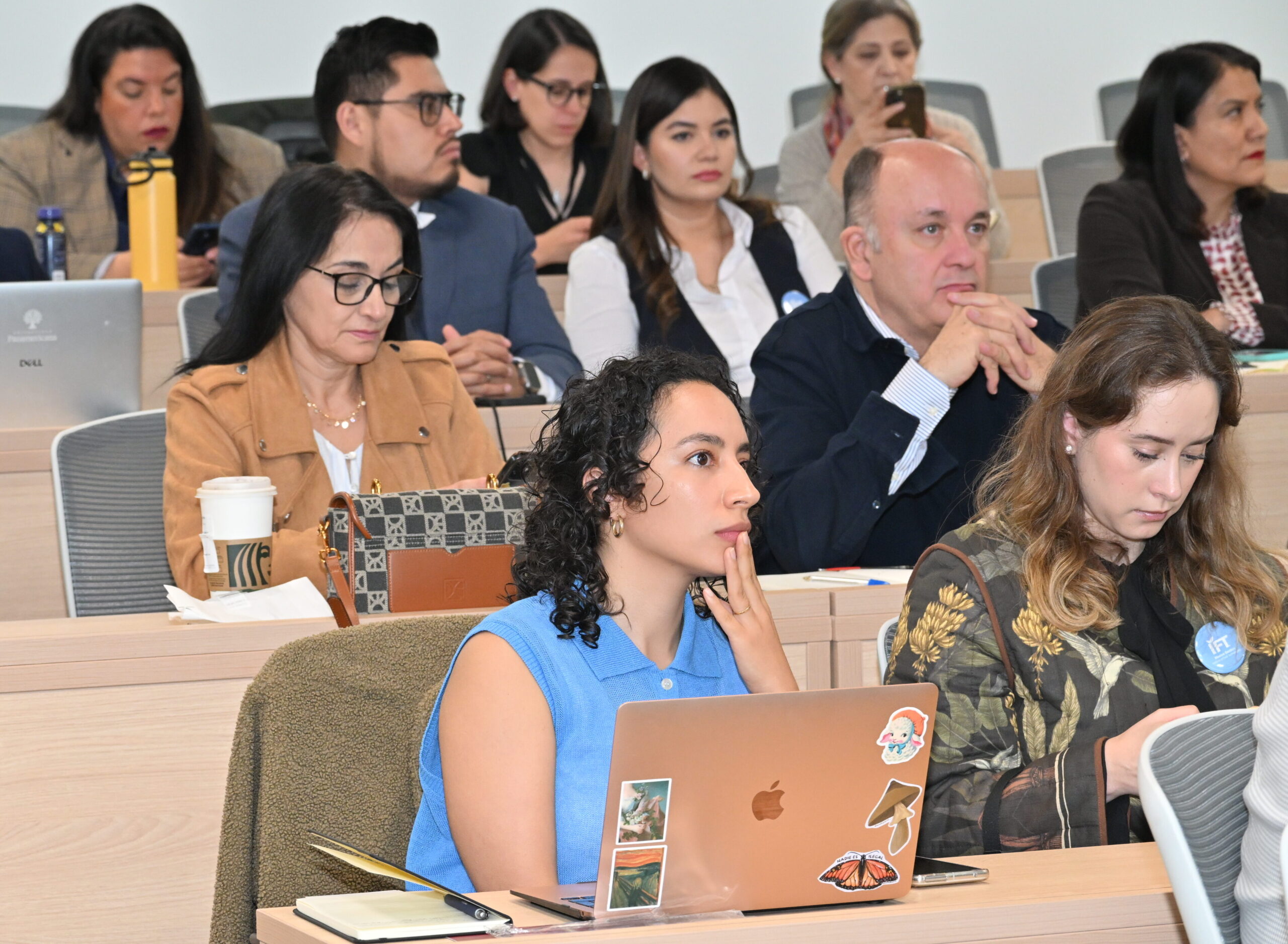
However, both cautioned that AI does not replace scientific judgment: its responses depend entirely on the quality of the information it is fed, so they recommended building specialized agents powered by verified technical knowledge before relying on their recommendations for food development.
With this event, IFT Top Voices 2026 made it clear that the future of the food industry is being shaped through collaboration between academia and the private sector, with innovation, science, and listening to consumers as common ground. CINOV thus reaffirmed its role as a bridge between these two worlds, fostering the dialogue that defines innovation in the sector today.
Learn more about CINOV at: https://www.up.edu.mx/cinov/