Mexico City, June 26, 2025. The Universidad Panamericana hosted an international dialogue on the influence of the media in contemporary society by hosting the World Congress of the Media Ecology Associationheld from June 5 to 8, at the Mixcoac campus of the Mexico City campus.
The event brought together experts from various disciplines, including the writers Teri C. McLuhan y Deborah Tannenas well as cognitive scientist Lera Boroditsky. Throughout the event, reflected on how media environments shape our perceptions, behaviors and interactions.
Media Ecology 2025: the evolution of communication
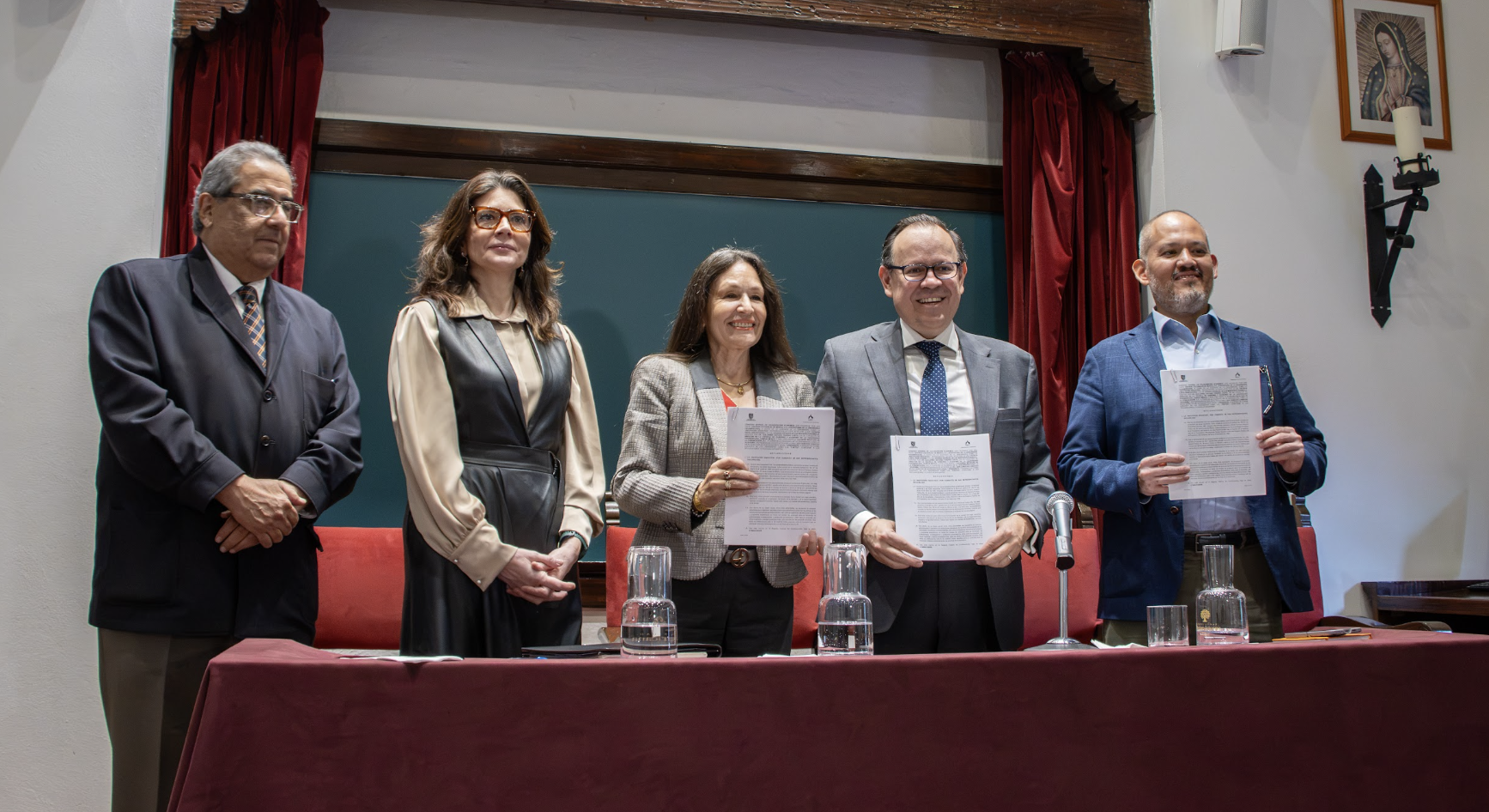
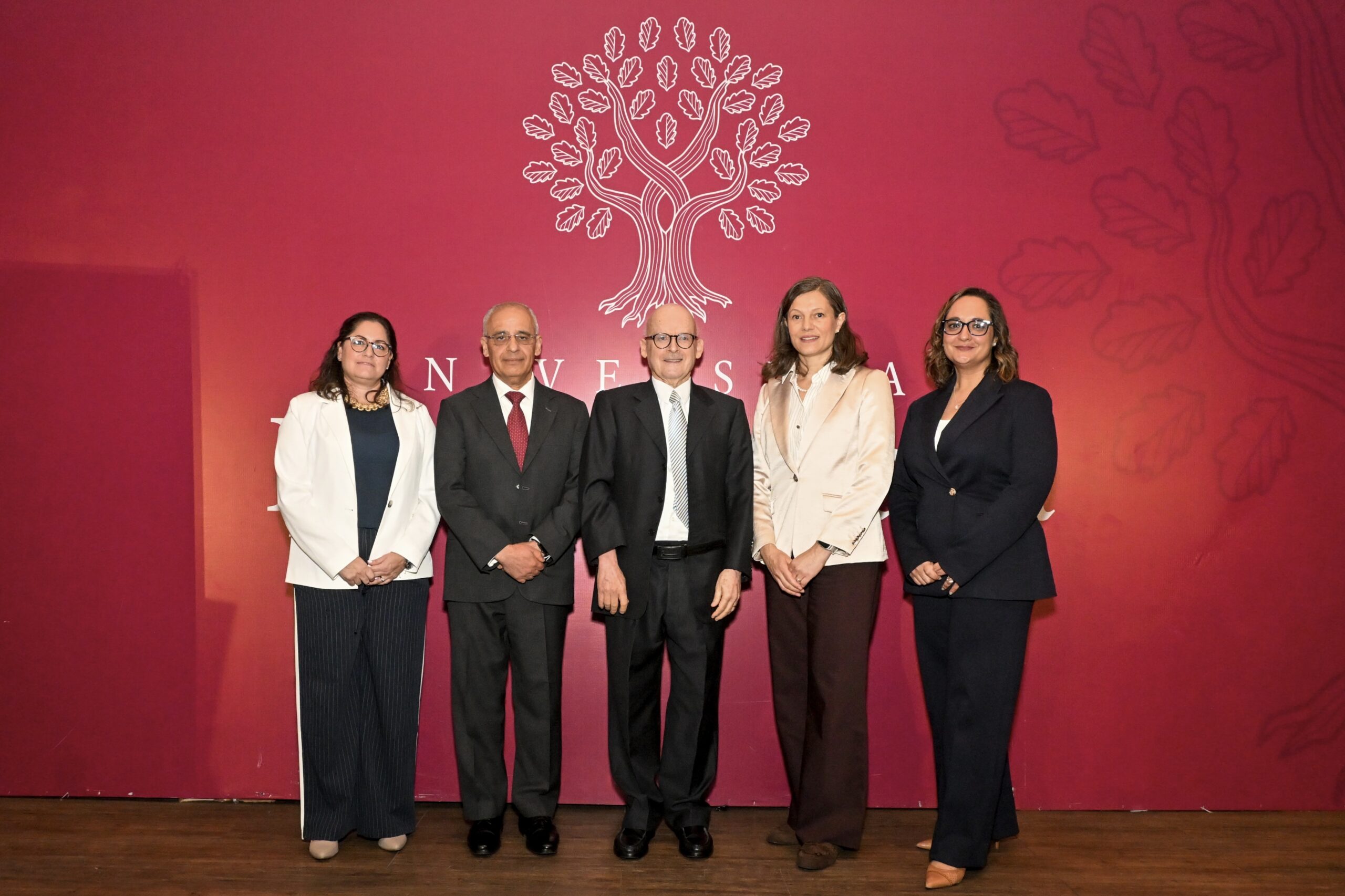
The inauguration was attended by Dr. Laura Trujillo Liñándirector of the Universidad Abierta de la Universidad Panamericana and vice president of the Media Ecology Association (MEA)and Dr. Mariano Navarro Arroyo Dr. Mariano Navarro Arroyodean of the School of Communication at Panamericana; and Dr. Cecilia Canal Garrido, vice president of the MEA. Dr. Cecilia Canal GarridoVice Chancellor of the Universidad Panamericana Mexico City campus; as well as Dr. Lance Stratey, Vice Chancellor of the Universidad Panamericana Mexico City campus. Dr. Lance Stratefounding president of the Media Ecology Association.
During her message, Dr. Trujillo highlighted the relevance of the congress as a space to deeply address the role that the media play in the transformation of the human being and the environment.
"We are gathered here, from different cultures, languages and disciplines, united by a common question: How are we changing ourselves? And even more importantly, how can we, through our academic practice, change the world for the future?" Dr. Trujillo questioned.

While, in his opportunity, Dr. Navarro highlighted the transformative impact of AI on media and society. "Artificial intelligence is altering our sense of place, time, and even ourselves, generating fascinating ethical and academic challenges"said the dean of the School of Communication. He also emphasized the value of diverse voices and interdisciplinary dialogue in addressing these issues.

Subsequently, Dr. Lance Strate highlighted the importance of studying media as environments that shape communication and culture: "Media ecology examines how technologies and symbols transform what we do and what we become.". Finally, he celebrated the return of the MEA to Mexico and anticipated an exceptional congress.
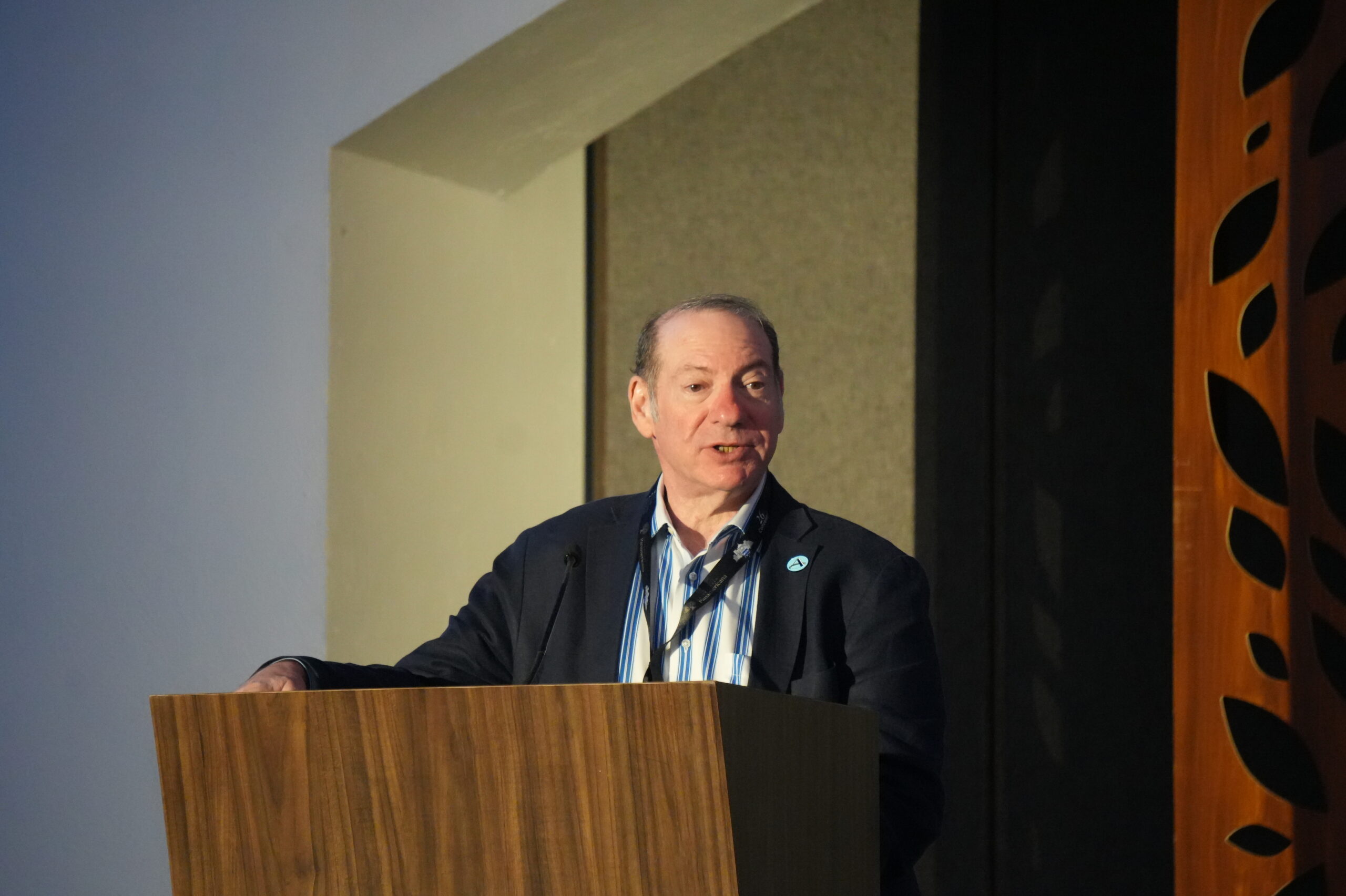
Dr. Cecilia Canal then highlighted highlighted the importance of media ecology as a transformative approach to understanding how technologies shape our perception and society.. She highlighted the value of this academic collaboration and invited participants to explore new knowledge with curiosity.

The art of communicating in a polarized world
During her session, Dr. Tannen, Professor of Linguistics at Georgetown University, explored how conversational styles vary across cultures, genres and contexts, explored how conversational styles vary across cultures, genders and contexts. She also addressed misunderstandings between men and women, such as female indirectness versus male literalness.
She also criticized the simplification of differences in the media and polarization, highlighting how this distorts communication. She mentioned the "double line" faced by women in positions of authority, caught between being perceived as aggressive or incompetent.
He concluded by emphasizing the importance of understanding nuances: "Words have no absolute meaning; they depend on who hears them and their history.".
The Media Ecology in current research
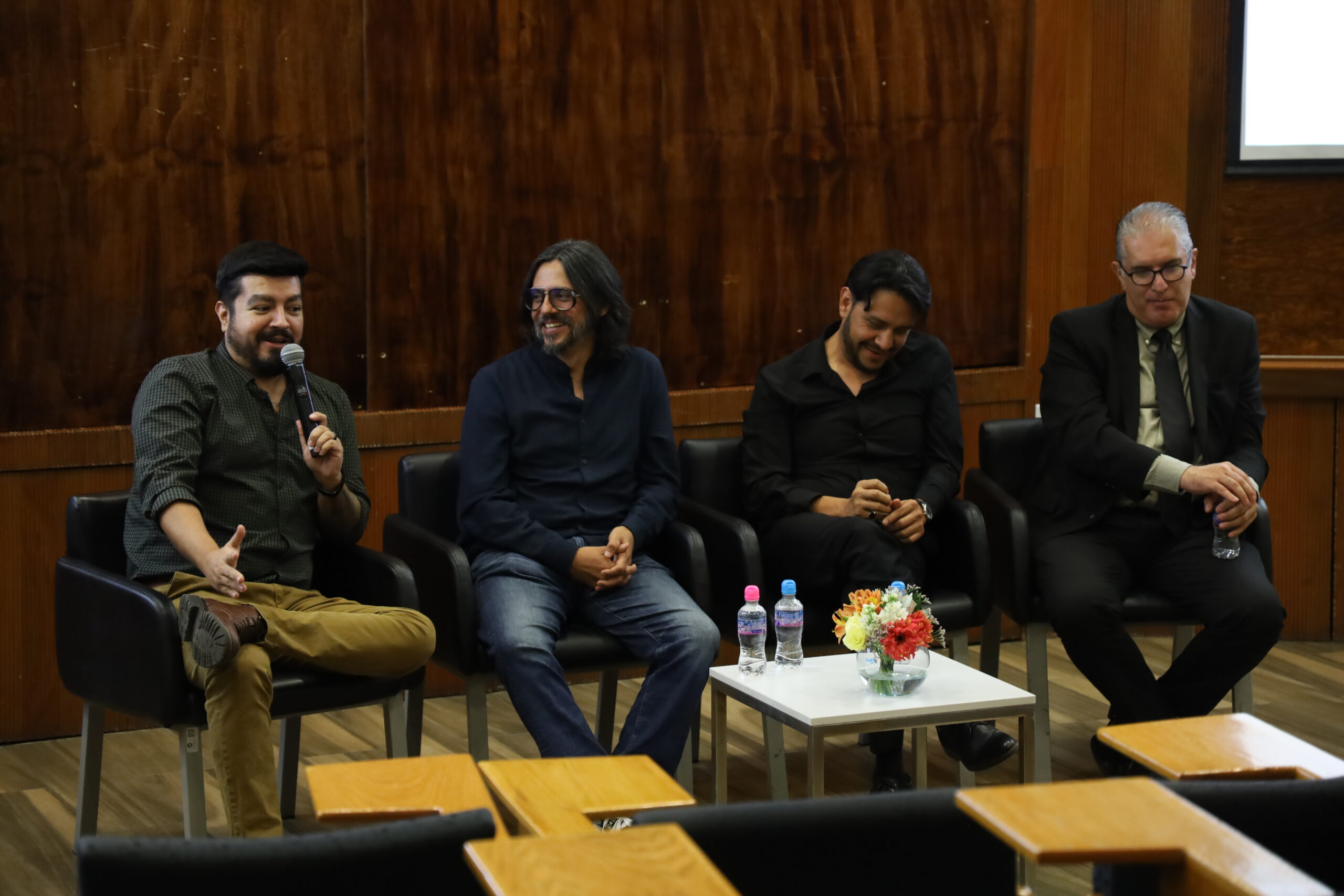
During the congress, several panels explored how digital media and emerging technologies are reshaping cognitive processes, human relationships and the structure of society. cognitive processes, human relationships and the structure of society..
The first panel addressed how recent research is redefining the field, emphasizing interactivity and how people are adapting to the new media emerging from today's technologies.
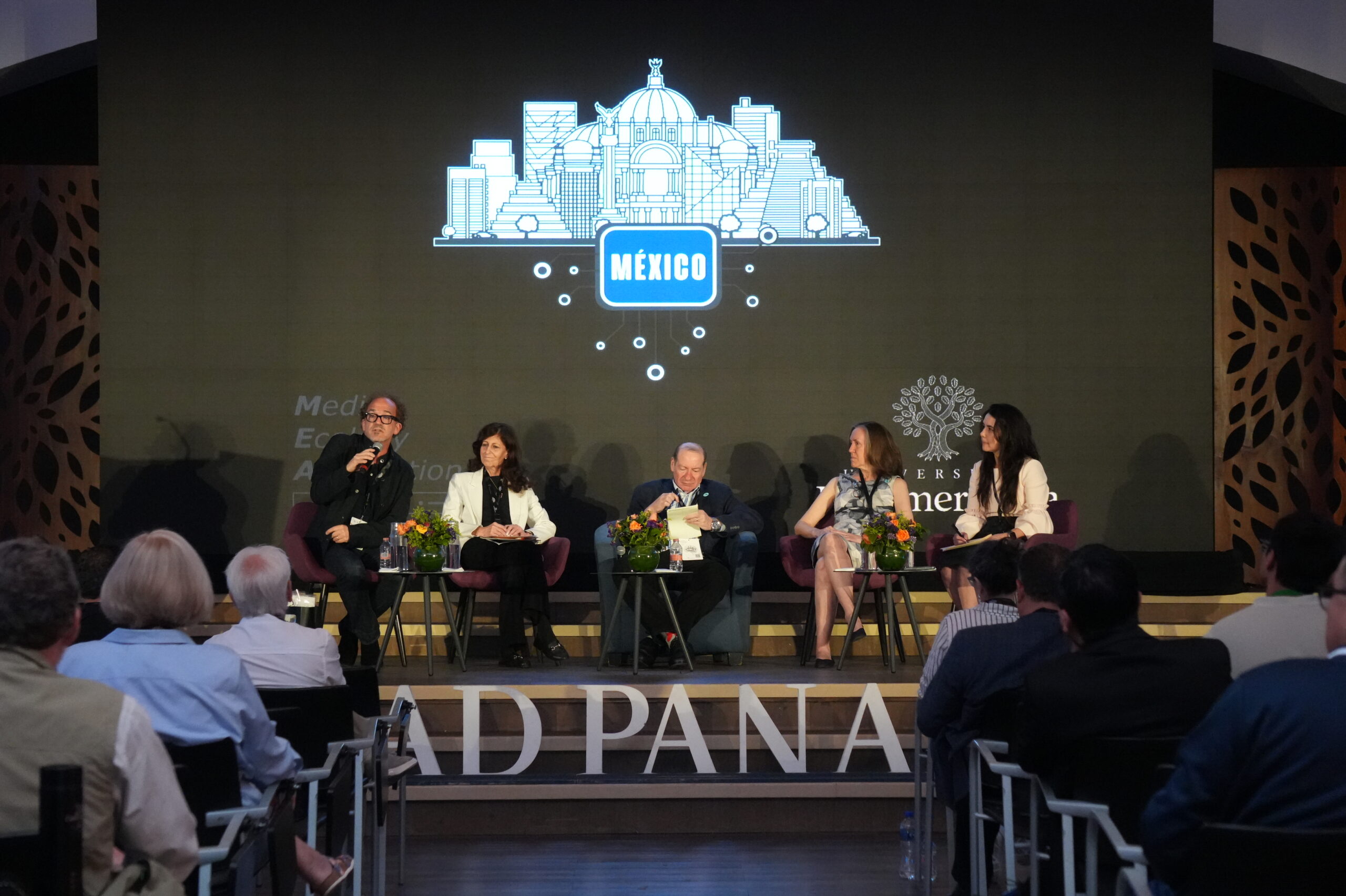
The speakers emphasized the importance of analyzing the properties of the media and how they influence cognitive processes. They also discussed how media ecology discussed how media ecology offers a holistic perspective for the study of communication, allowing for a deeper understanding of the interconnectedness between technology, culture and society..
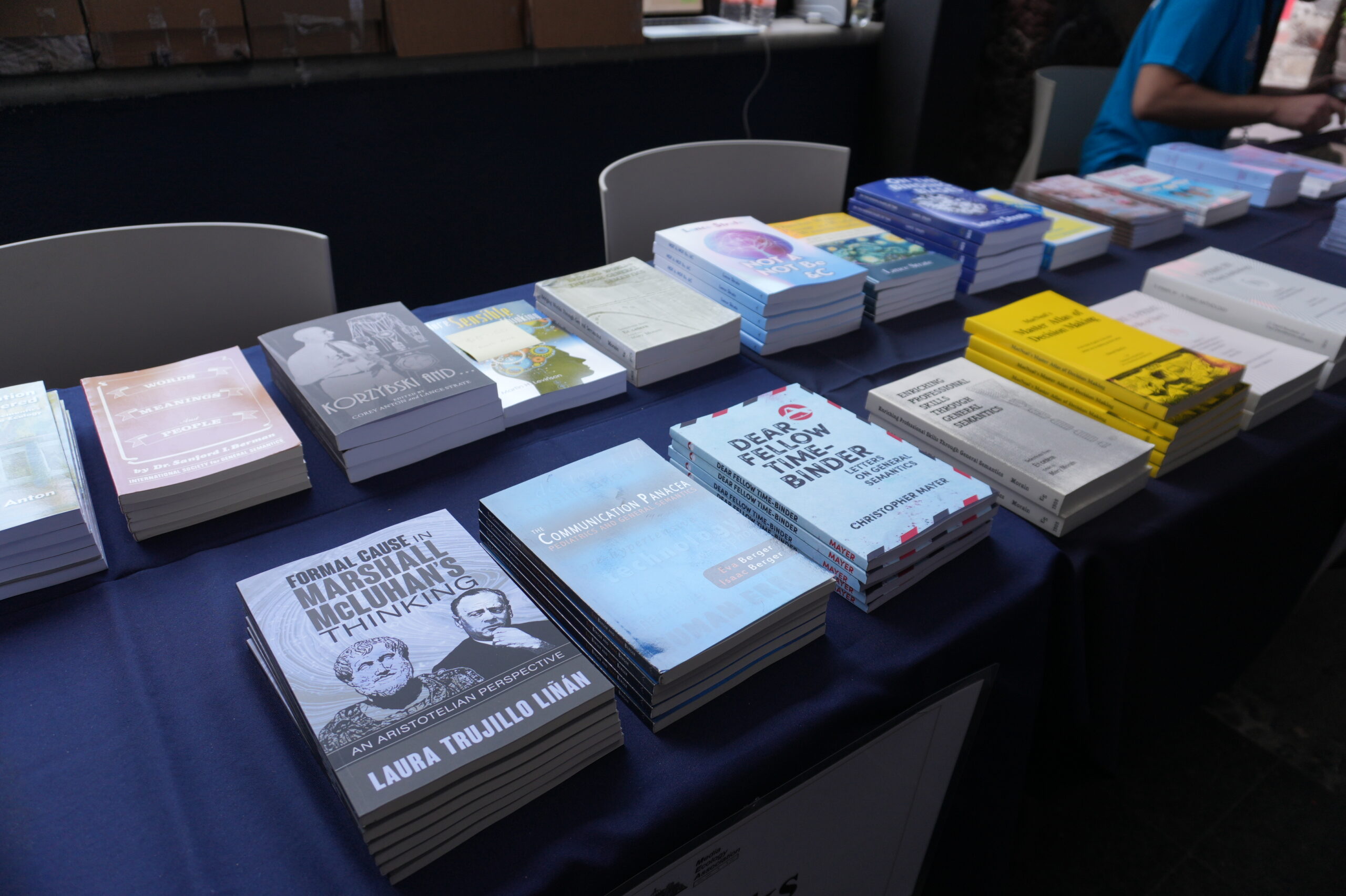
General semantics was also addressed as a discipline that is intertwined with the media ecosystem, helping to understand how we connect and give meaning to the world through language and other symbolic systems.
The impact of Artificial Intelligence
Does AI need self-awareness or simply a goal to act?was the question that opened the debate on the ethical and social implications of artificial intelligence in the media ecology.

During this panel participants also explored how everyday explored how everyday interactions are being transformed into new forms of media.. These were considered as media in themselves, thus broadening the field of study towards interpersonal communication in digital environments.
The discussion highlighted how our most intimate interactions are increasingly mediated by technology.
Challenges and opportunities in the digital era
During the day, they also addressed the challenges challenges posed by the digital eramarked by information overload and the need to discern the veracity of content.
In this context, the importance of equipping young people with critical tools to navigate in this complex media environment was underlined. equipping young people with critical tools to navigate in this complex media environment.. However, participants also identified a number of opportunities: new forms of expression, connection and learning enabled by technology.
Universidad Panamericana, a leader in critical thinking and digital ethics
Events such as the International Congress of Media Ecology reinforce the crucial role of academia in contemporary society.
By opening spaces for global conversations about the complex interplay between technology and humanity, Universidad Panamericana not only enriches the thinking of its community, but it also offers an essential perspective for understanding and shaping the challenges of the digital world., reaffirming its commitment to the formation of leaders capable of navigating the future with discernment and innovation.
Learn more about Universidad Panamericana at: https://www.up.edu.mx/sobre-la-universidad-modelo-educativo/