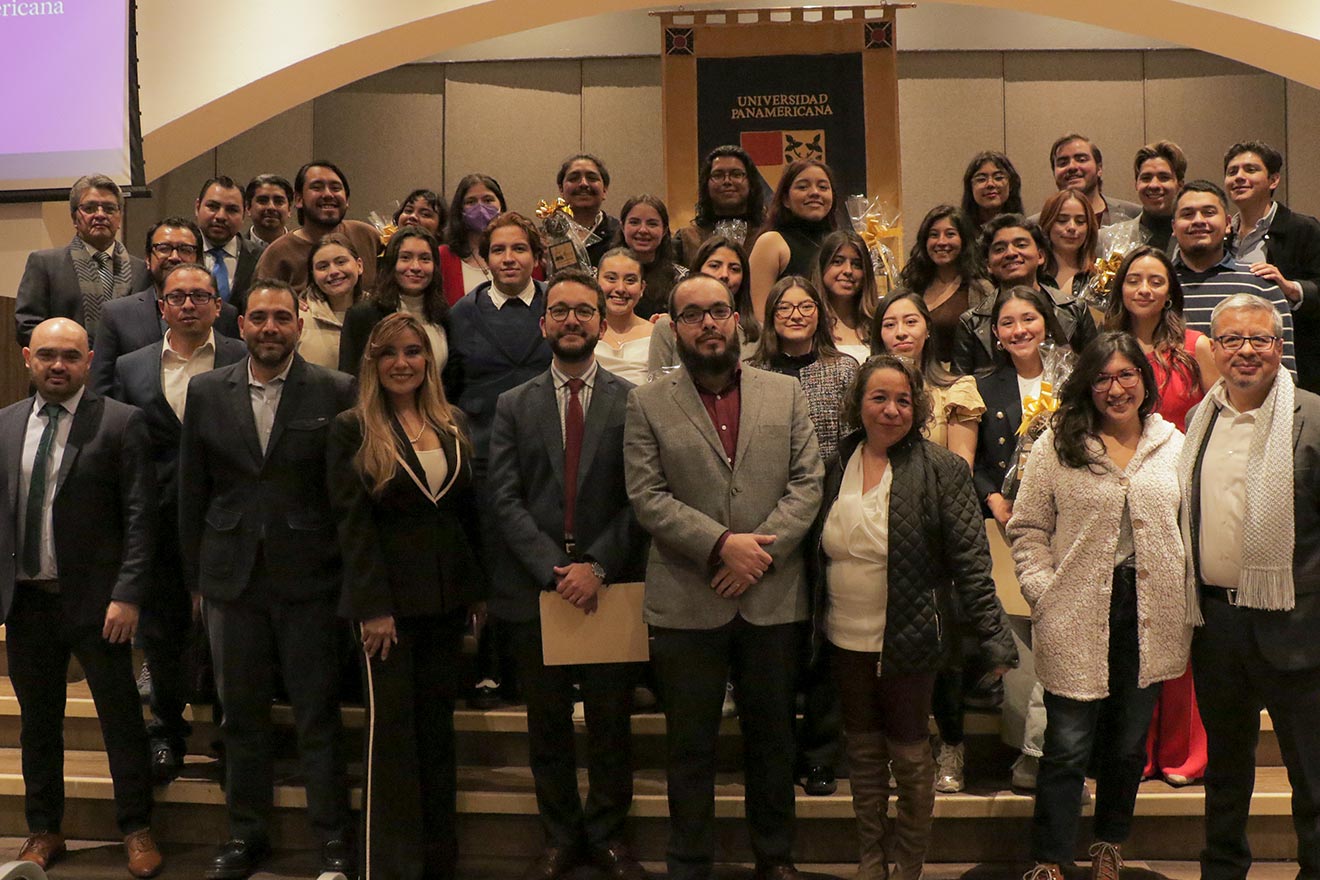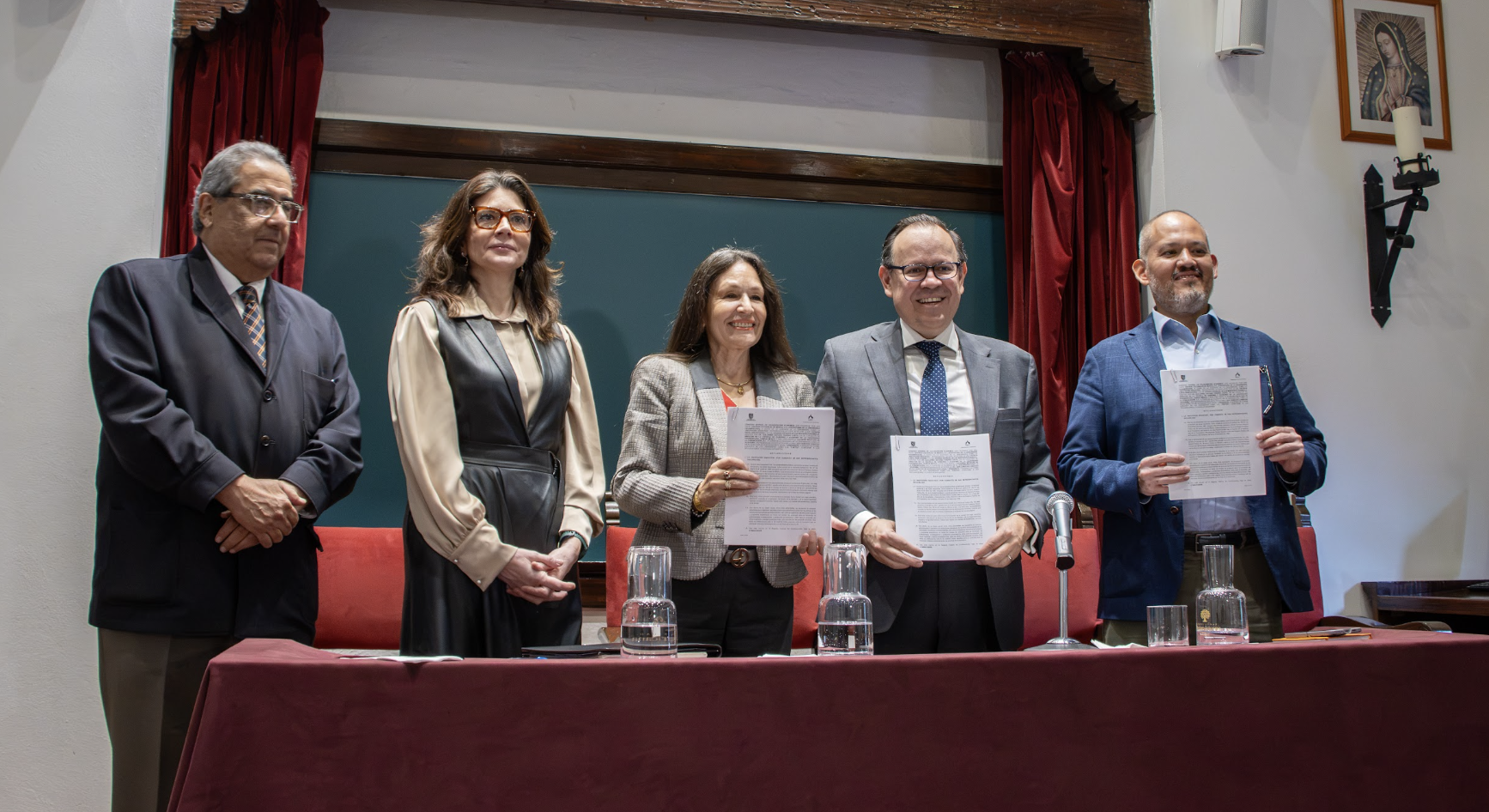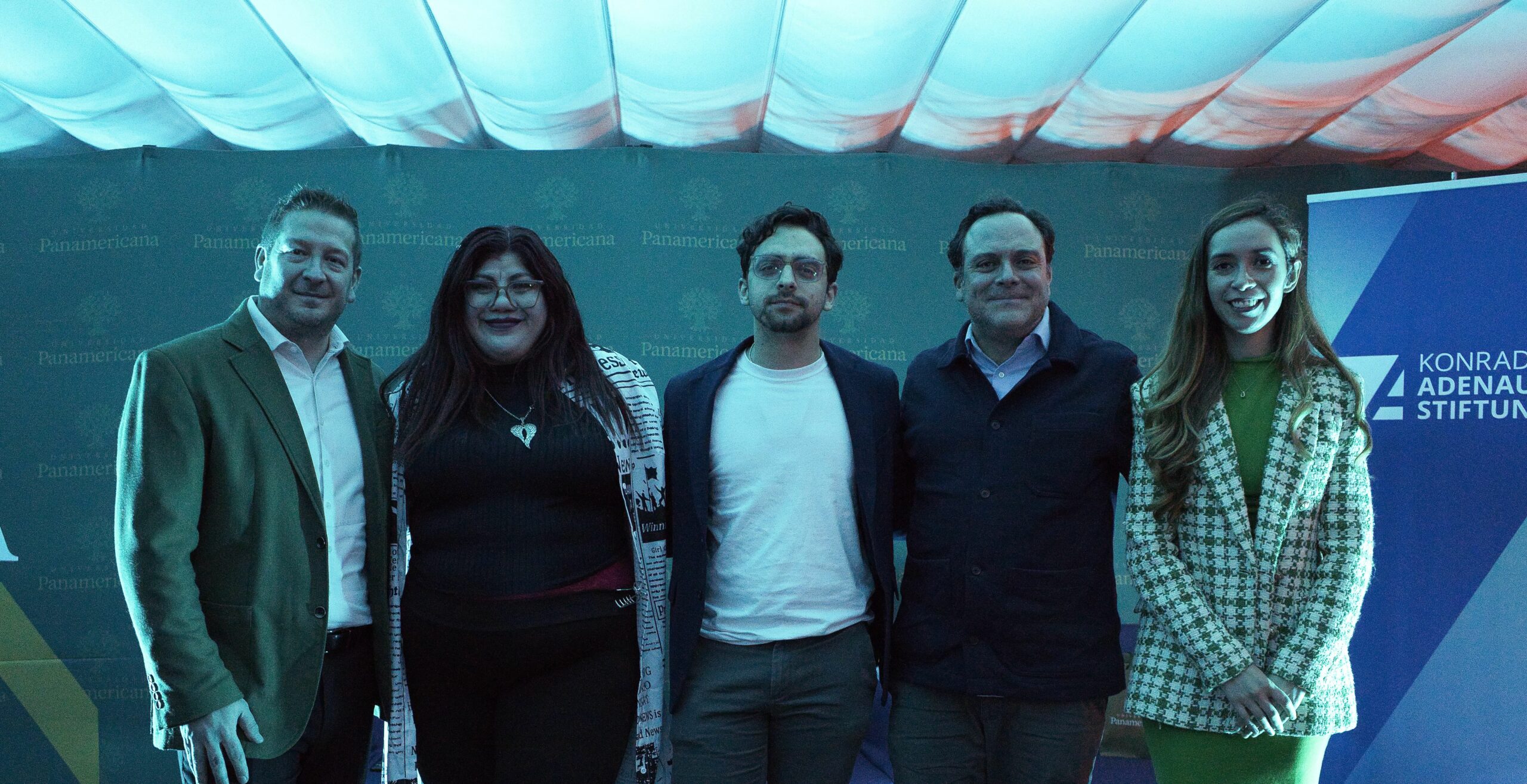
Mexico City, June 27, 2025.— The School of Communication at the Universidad Panamericana, in collaboration with the Konrad Adenauer Stiftung Foundation (KAS), presented the book Freedom of Expression and Democracy: Challenges and Opportunities for Journalism in the Digital Age.
The event, held on June 12, addressed the challenges facing contemporary journalism in the face of phenomena such as misinformation, polarization, and technological transformation.
A Critical Look at Journalism Today
The book, edited by Bernardo Flores-Heymann, M.A., a professor and researcher at the Universidad Panamericana, offers an in-depth analysis of the structural crisis in ,, marked by obsolete business models, the “dictatorship of the click,” and growing infodemic.
During the presentation, Flores-Heymann noted: “Journalism is in crisis, and that forces us to rethink its model, its purpose, and its democratic responsibility”.
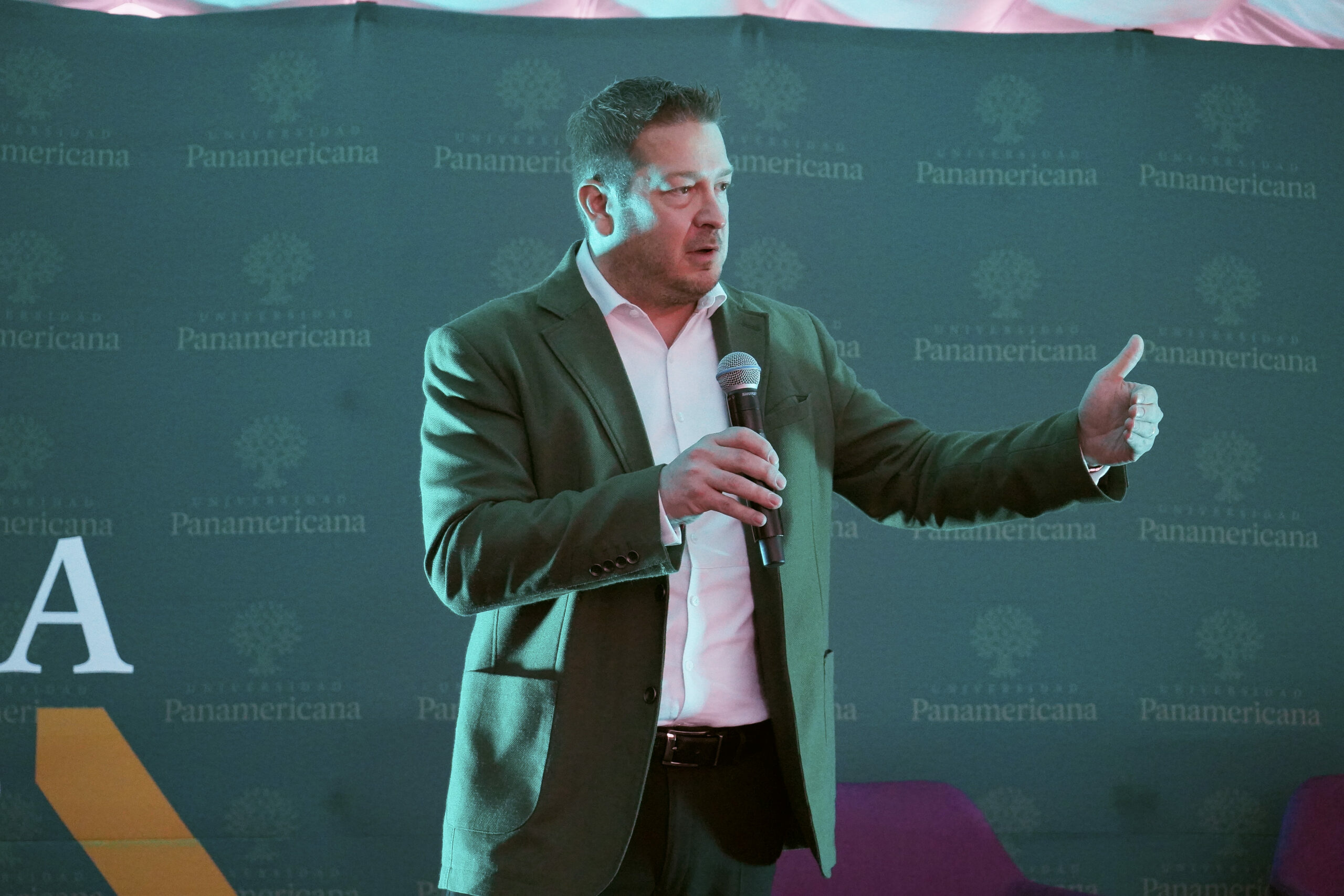
For her part, Fernanda Ramírez, a representative of KAS, emphasized that the project is part of a context of transformation in which automation, polarization, and the strategic use of disinformation pose challenges for both journalists and citizens.

Disinformation and Social Media: Threats to Democracy
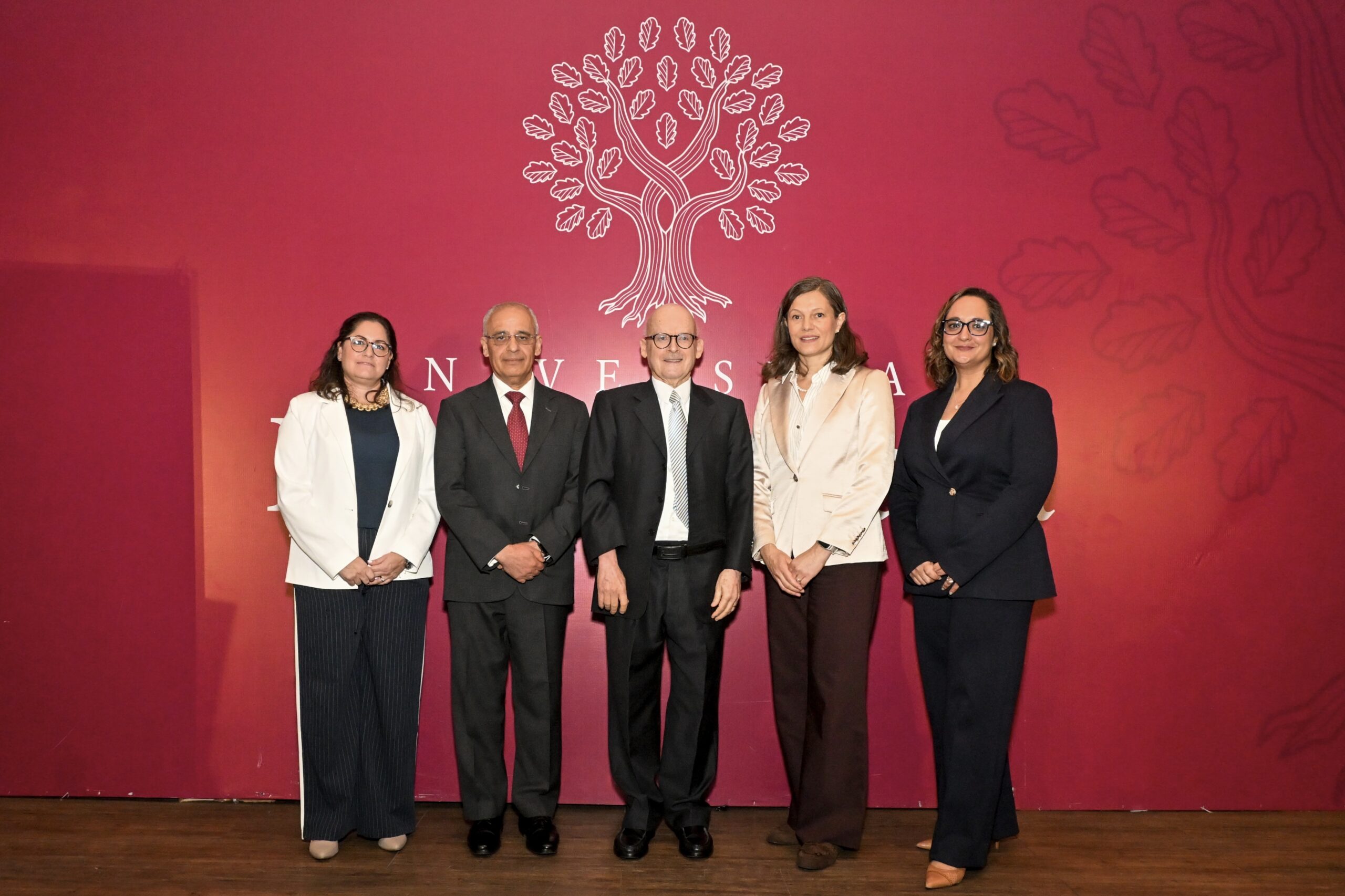
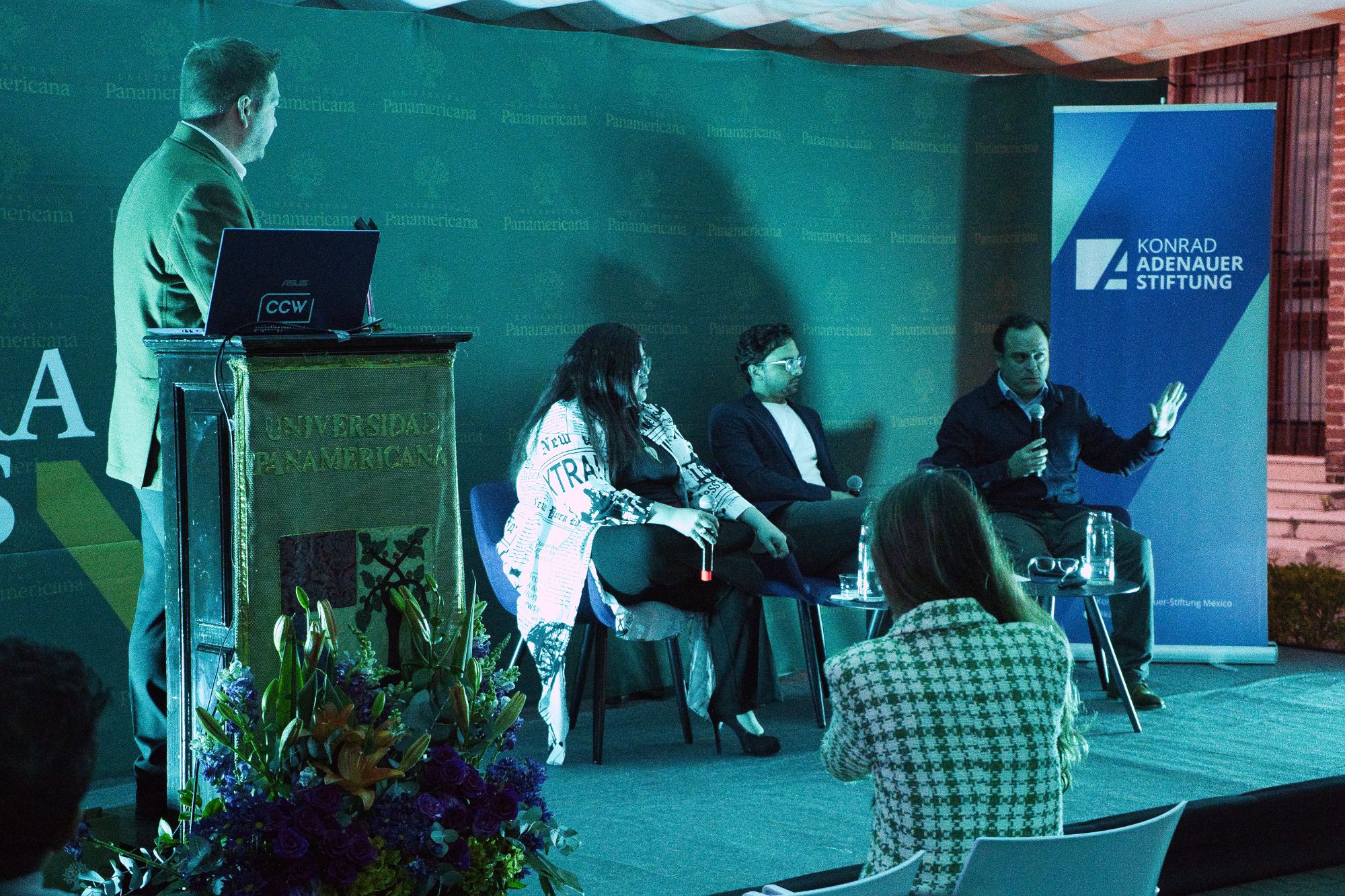
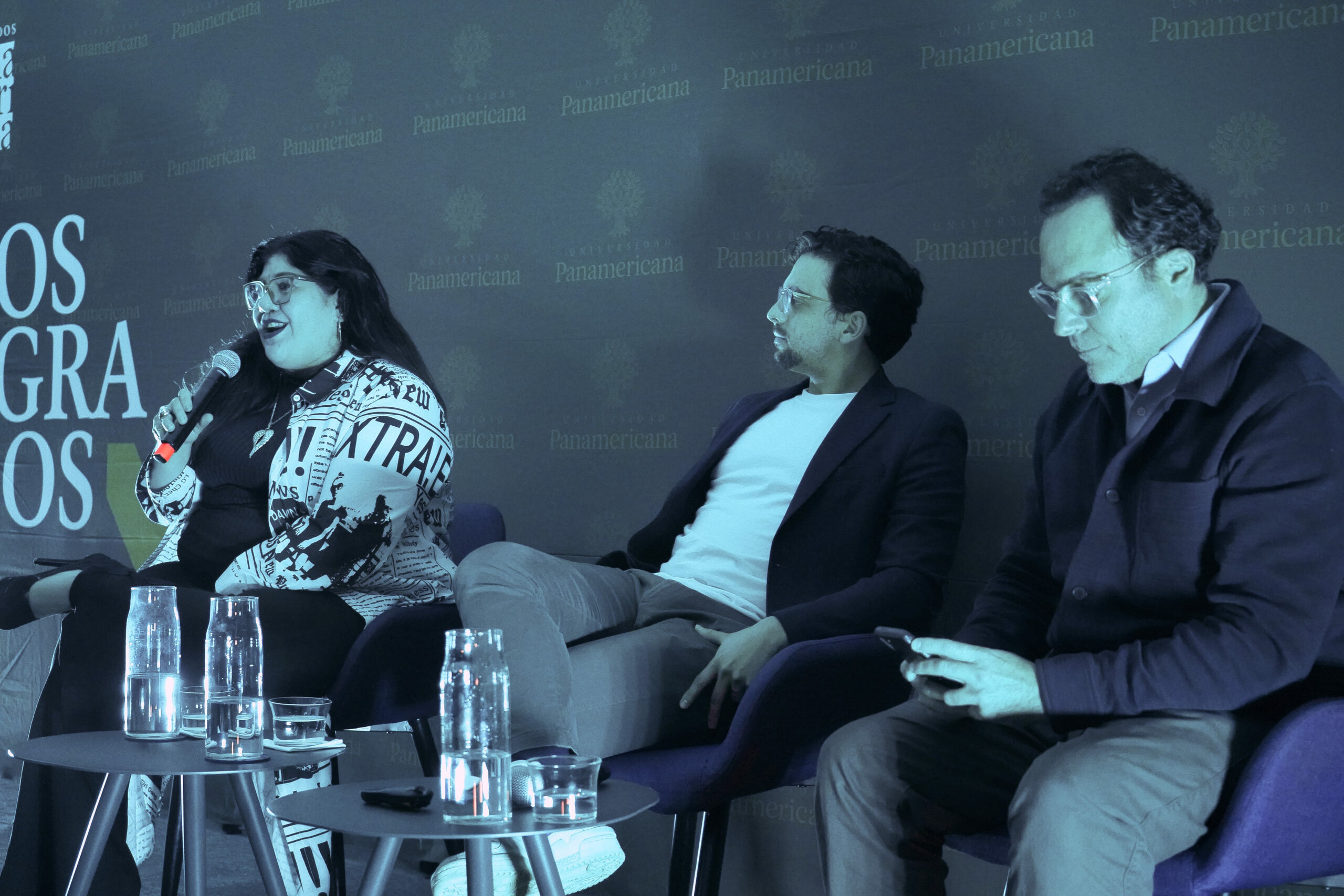
As part of the presentation, a panel discussion was held featuring leading experts in communication and journalism. Moderated by Flores-Heymann, the panel included journalist Martha Elena Violante, editorial director of Emprendedor and Alto Nivel; political analyst Luis Estrada Straffon, CEO of Spin-TCP; and journalist Carlos Allende, representing the book’s authors.
The experts agreed that disinformation is a latent threat to democracy, especially among younger generations. Martha Violante cited a study by Proyección Cívica revealing that 80% of young people of voting age get their news from TikTok, where unverified content predominates. “Influencers, lacking the ethical commitment of journalists, are now the primary source of information for many young people”, he said.
Carlos Allende added that, although traditional media still enjoy greater credibility, social media is the main source of information for Generation Z, which can lead to ill-informed decisions, especially during elections.
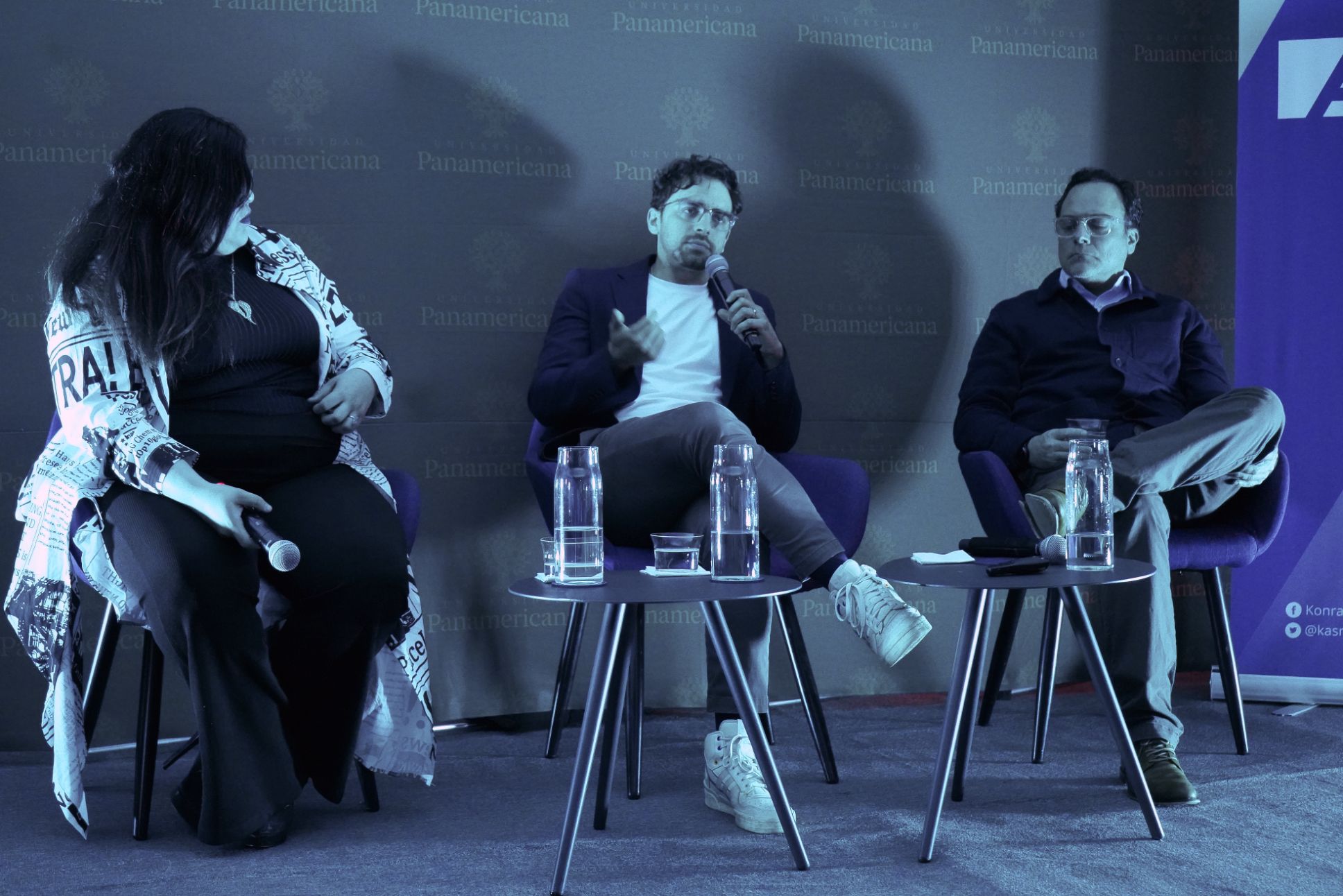
Luis Estrada added to the discussion by noting that much of the content shared by influencers comes from traditional media, but its reinterpretation by users without journalistic training distorts the information ecosystem. He also emphasized: “Polarization is not caused by algorithms, but by users who select what they want to hear”.
Challenges and Proposals for Revitalizing Journalism
The book and the panel discussion explored strategies for addressing the challenges facing journalism in the digital age:
- Ethical use of technology: implementing tools such as artificial intelligence and blockchain to ensure transparency and accuracy.
- Strengthen fact-checking: although it was acknowledged that it is slow to respond to the rapid spread of fake news.
- Empowering citizen-led initiatives: promoting decentralized journalism projects with journalistic rigor.
- Creating responsible counter-narratives: balancing emotion, truth, and context to counter polarizing narratives.
In addition, key threats to democracy were identified: populism, economic inequality, and media polarization—the latter amplified by digital algorithms. “Democracy dies in the dark. Journalism must resist, confront, and educate,”, emphasized Flores-Heymann.
Journalism or entertainment? A new frontier
Luis Estrada pointed out that, contrary to popular belief, television remains the most influential medium in Mexico, given that only 60% of the population has stable internet access. However, he warned of the risks posed by media outlets co-opted by those in power, whose survival depends more on government funding than on their credibility.
Martha Violante pointed out that the pressure to get clicks and government guidelines have led even reputable media outlets to repost unverified fake news, citing the example of a young Brazilian woman who falsely claimed to have been selected by NASA.
Given this situation, the experts agreed that journalism must adapt without compromising its ethical standards. “Let’s assume that entertainment is the core, and from there, let’s rethink the role of journalism,”, concluded Estrada.
Conclusion: A Call to Action
The event concluded with a clear message: misinformation and post-truth pose a danger to democracy, but also an opportunity to reinvent journalism. Participants urged the audience not to blindly trust the media, but to cross-check sources and develop critical thinking skills.
Freedom of Expression and Democracy is a work that not only invites reflection but also calls for collective action to defend the foundations of democratic life in the digital age. Through these events, the Universidad Panamericana its commitment to training professionals dedicated to building a better Mexico.
Learn more about the School of Communication at: https://www.up.edu.mx/educacion-universidad-escuela-de-comunicacion/