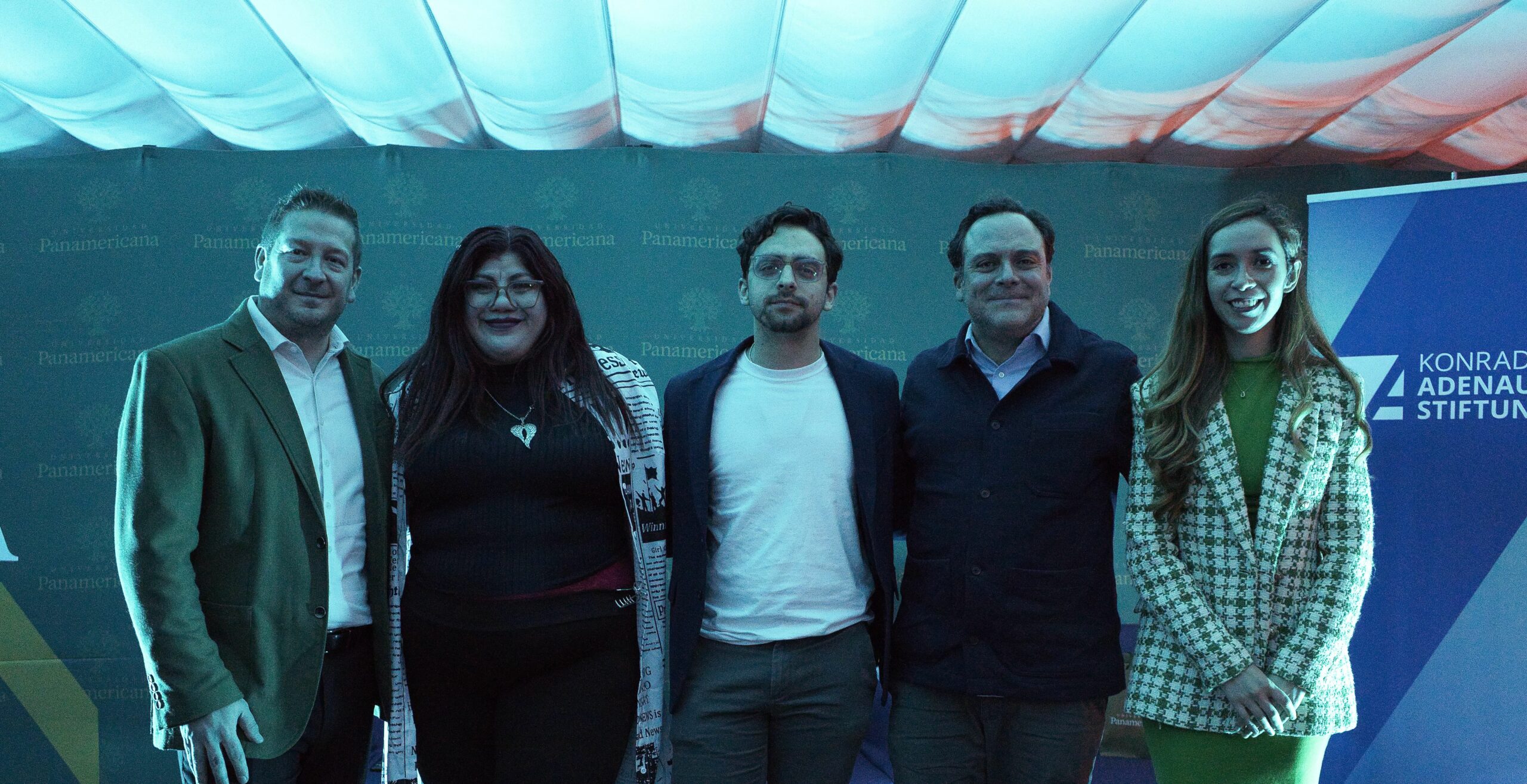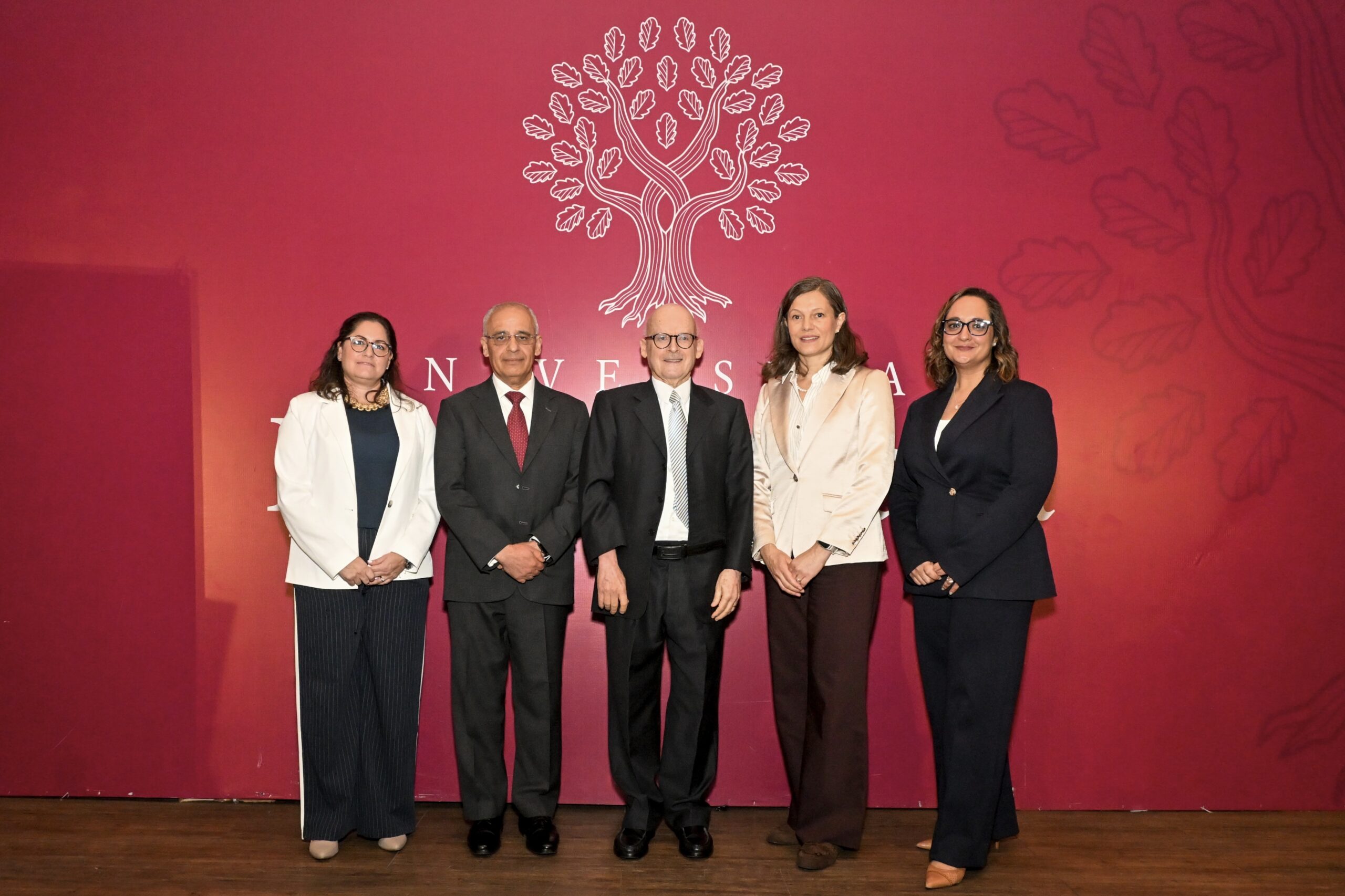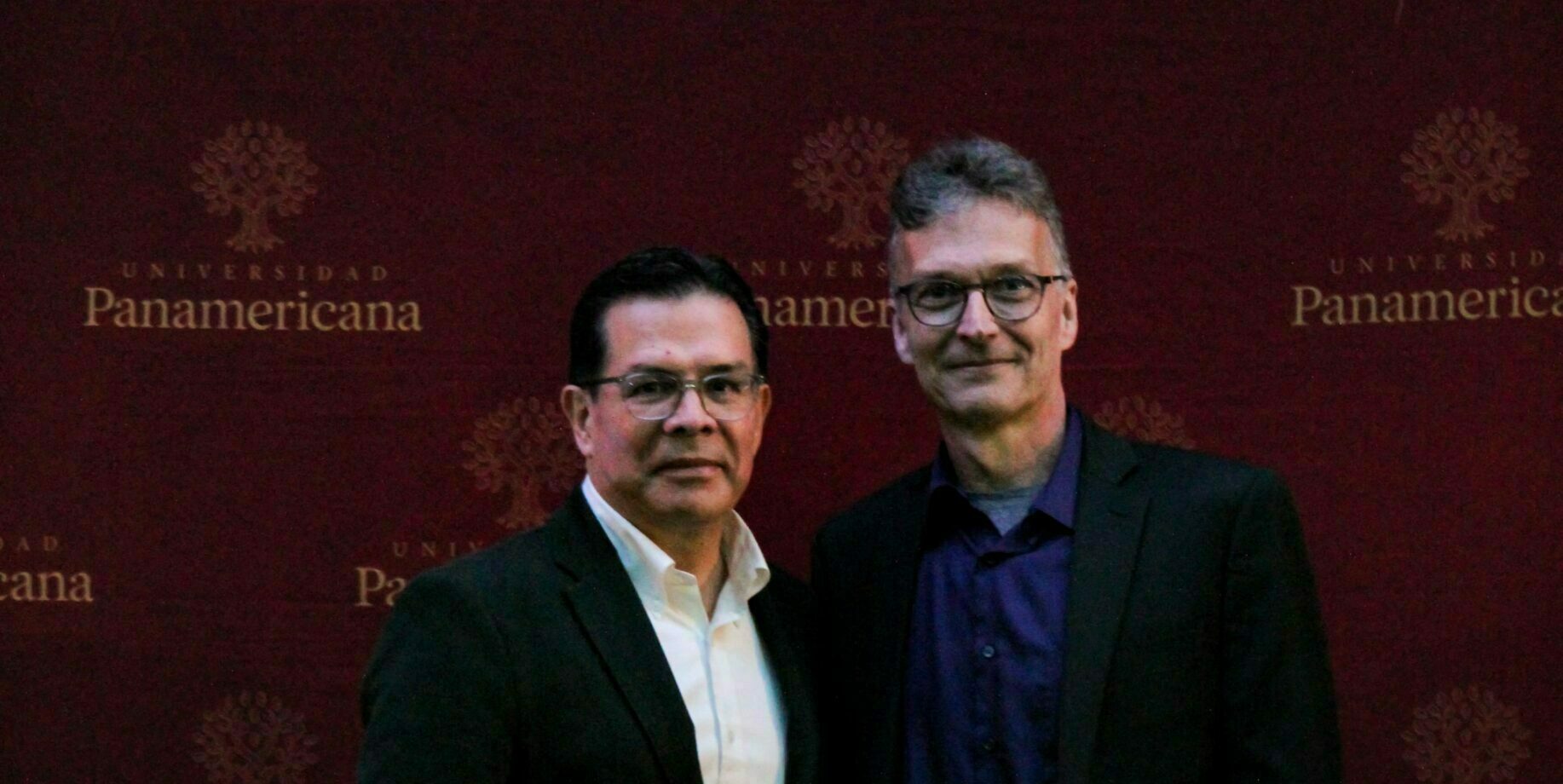
Mexico City, July 17, 2025. Universidad Panamericana 's Communication Graduate Programs celebrated its 1st International Forum on Communicationwhere researcher Timothy Coombs Timothy Coombsa world reference in crisis management and crisis communication, debunked myths about organizational preparedness and presented an innovative model to face complex challenges.
During this same event, Dr. Juan Dr. Juan Andrés Rincón Gonzálezconsultant and academic from our university and coordinator of the Master's Degree in Institutional Communicationcomplemented the discussion with a practical focus on high performance teams.
Timothy Coombs: having a crisis plan does not mean being prepared
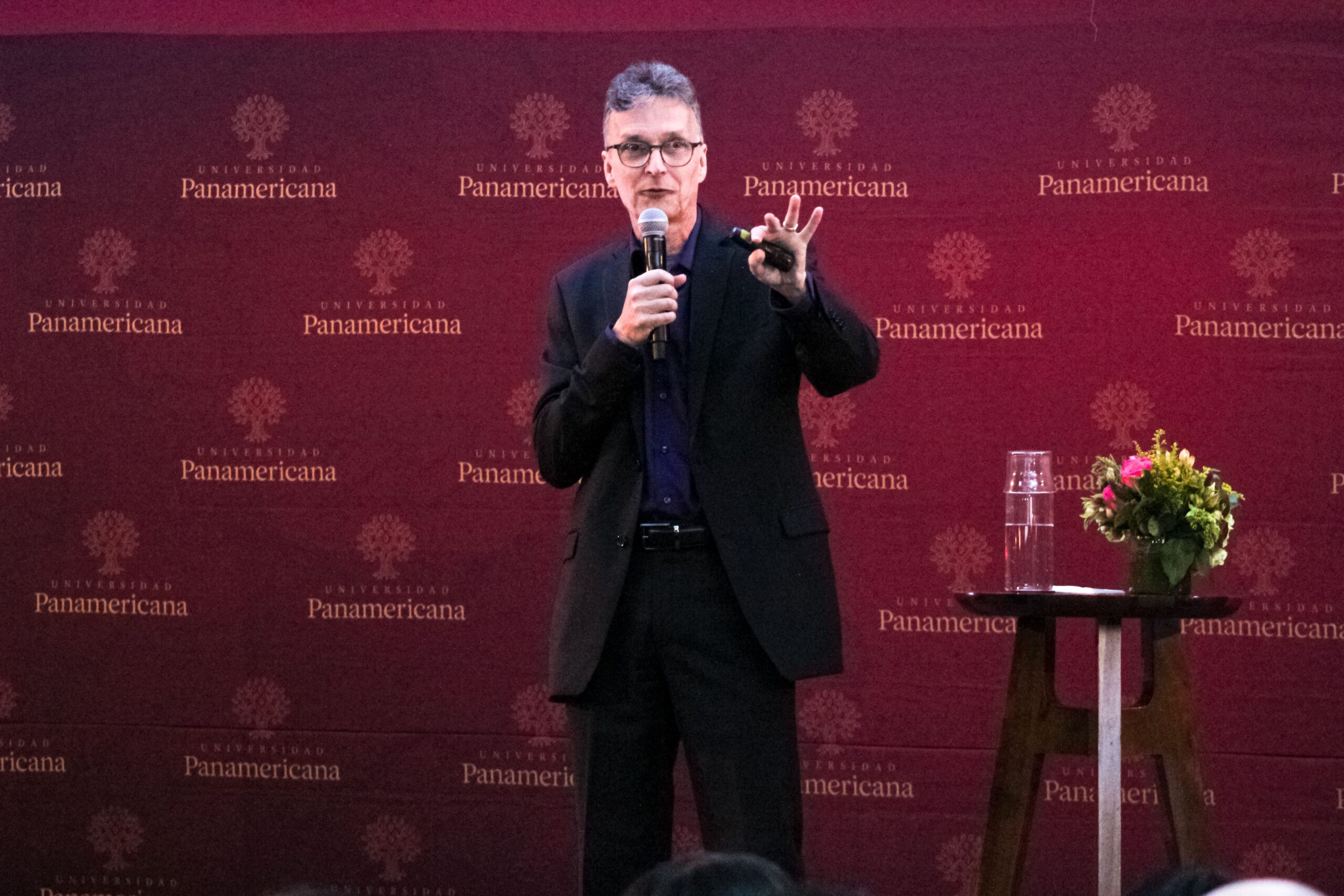
With a blunt critique of conventional practices, Dr. Timothy Coombs, M.D., a Dr. Timothy Coombs, in his lecture On Readiness & Crisis Managementrevealed that 50% of executives rely on teams that have never been evaluated..
"Optimism bias causes organizations to overestimate their responsiveness. A plan locked in a drawer and a designated, untrained team are recipes for failure"he said.
Coombs shared key figures:
- 7:1 is the cost-benefit ratio of crisis training, according to studies. of crisis training, according to studies.
- The "sticky crises (prolonged crises) have increased by 40% in the last decade, exacerbated by social networks and generative Artificial Intelligence.
- 80% of the teams fail in their first simulation due to a lack of tolerance to ambiguity.
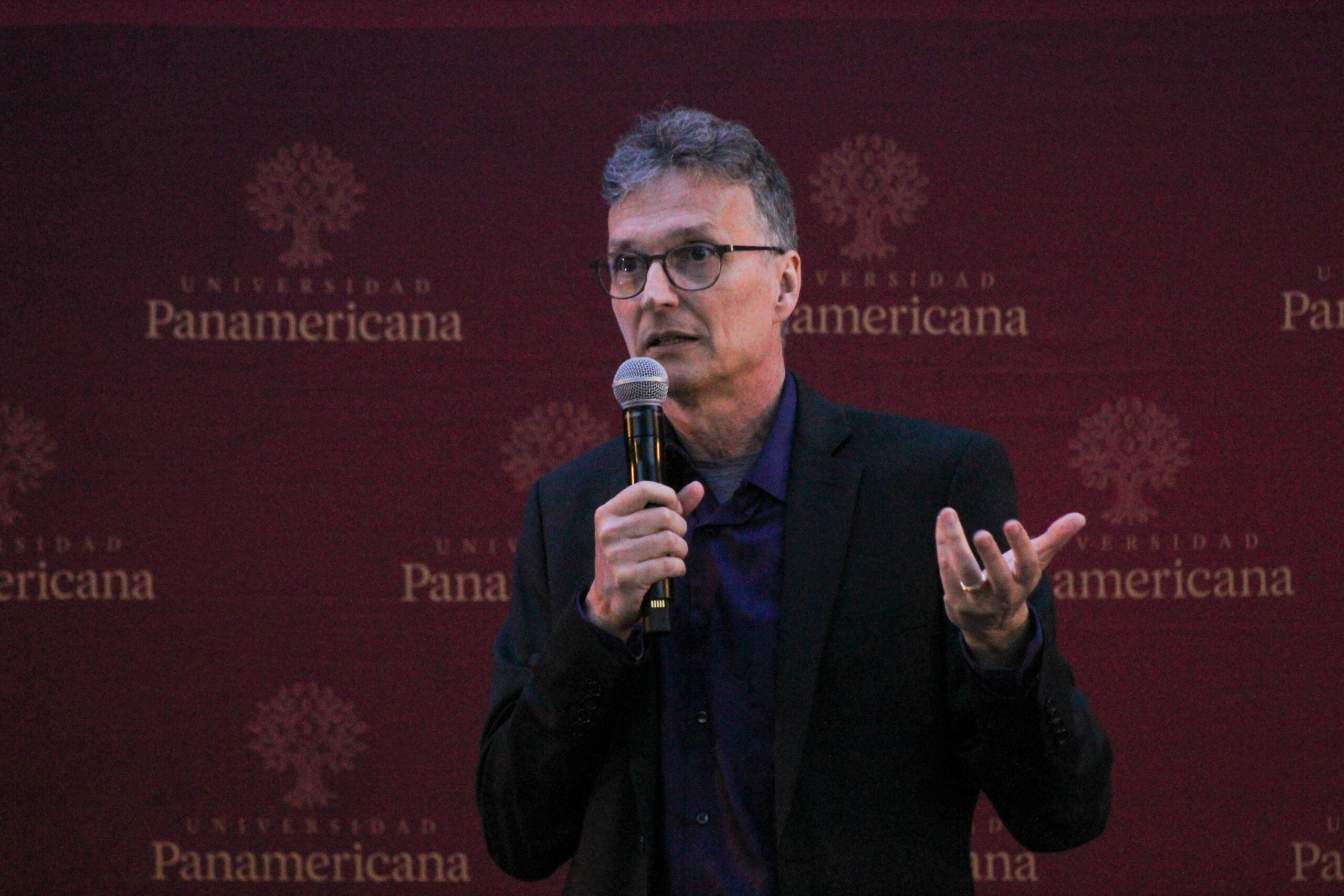
"The 'readiness' is a state of mind. It involves teams running toward the fire, like firefighters, notIt involves teams running toward the fire, like firefighters, not running away from it. It requires three pillars: multilevel effectiveness, adaptive mindset and dynamic processes."Coombs explained.
Case studies and fatal errors
Emblematic cases such as BP Deepwater, Intel Pentium and Bud Light illustrated how poor communication can multiply the impact of any event.
- BP Deepwater Horizon: "The technical team was working 24/7 to contain the spill, while the CEO was saying 'I want my life back.' Total lack of emotional intelligence."
- Bud Light: "They underestimated the polarization. A seemingly minor crisis cost them 20% of their market".
- Intel Pentium: "They ignored public perception. A minor technical error forced the replacement of 475 million chips".
Thus, he warned: "The biggest risk today is the combination of generative AI and polarization. Any group can create viral messages with tools like ChatGPT, distorting reality in minutes.".
Thus, Dr. Coombs concluded with the following points:
- Realistic trainingif the simulation is not harder than the real crisis, it is useless.
- Flexible navigation: principles are needed, not instructions.
- Organizational resilienceOrganizational resilience: companies that learn from previous mistakes reduce the impact of new crises by 60%.
The anatomy of teams that succeed in a crisis
With a practical and revealing approach, Dr. Juan Dr. Juan Andrés Rincón González, during his presentation Crisis Committees: High Performance Teamshe broke down the essential components of crisis communication teams. "An effective crisis team is not one that simply reacts, but one that anticipates, processes and acts with surgical precision."said the academic.
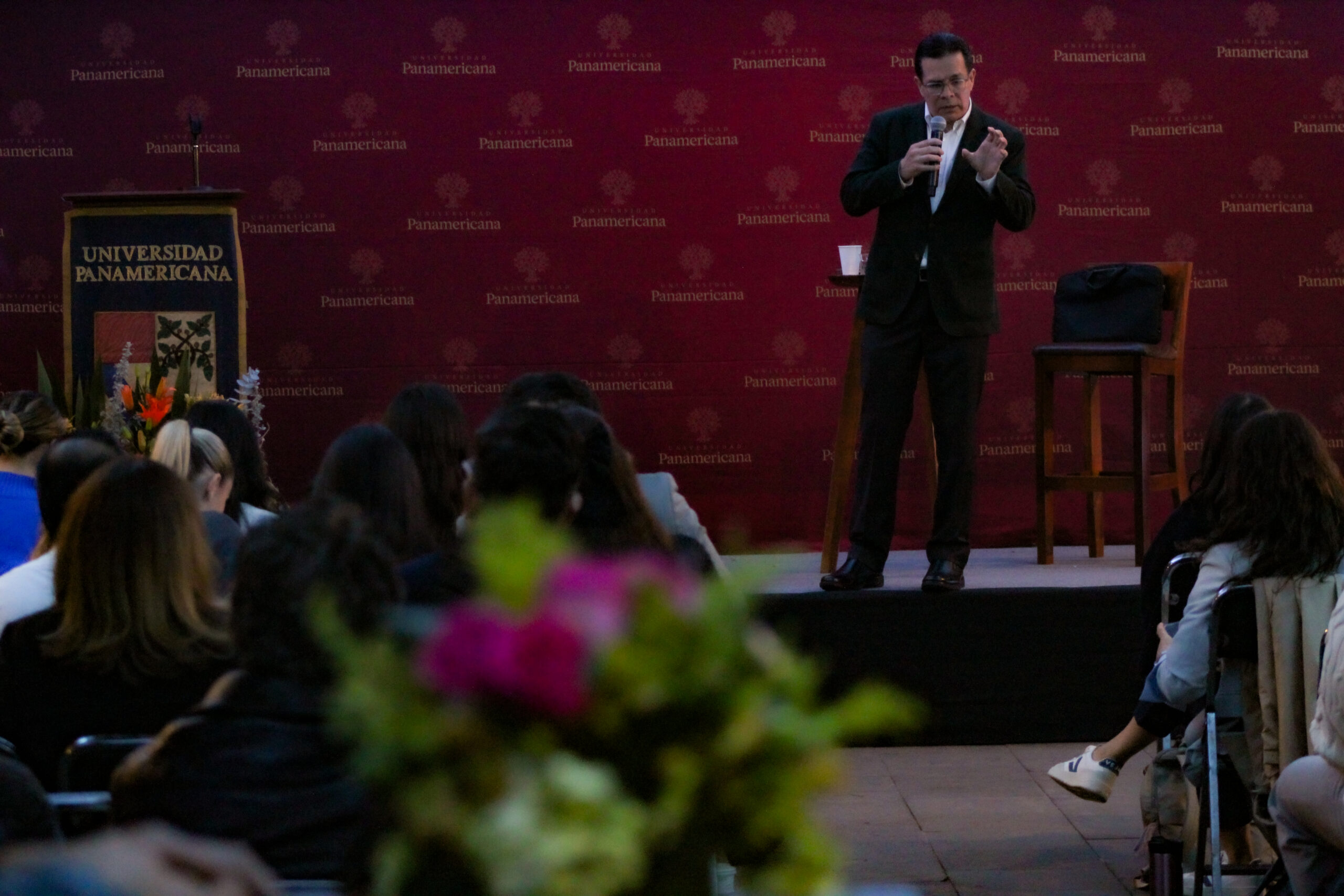
Dr. Rincón presented the findings of his longitudinal research, which materialized in the Model of Crisis Communication Committees as High Performance Teams (Rincón-González, 2016,2025). (Rincón-González, 2016,2025). This conceptual framework goes beyond the traditional view that reduces the communication team to basic functions such as newsletter writing or social media management.
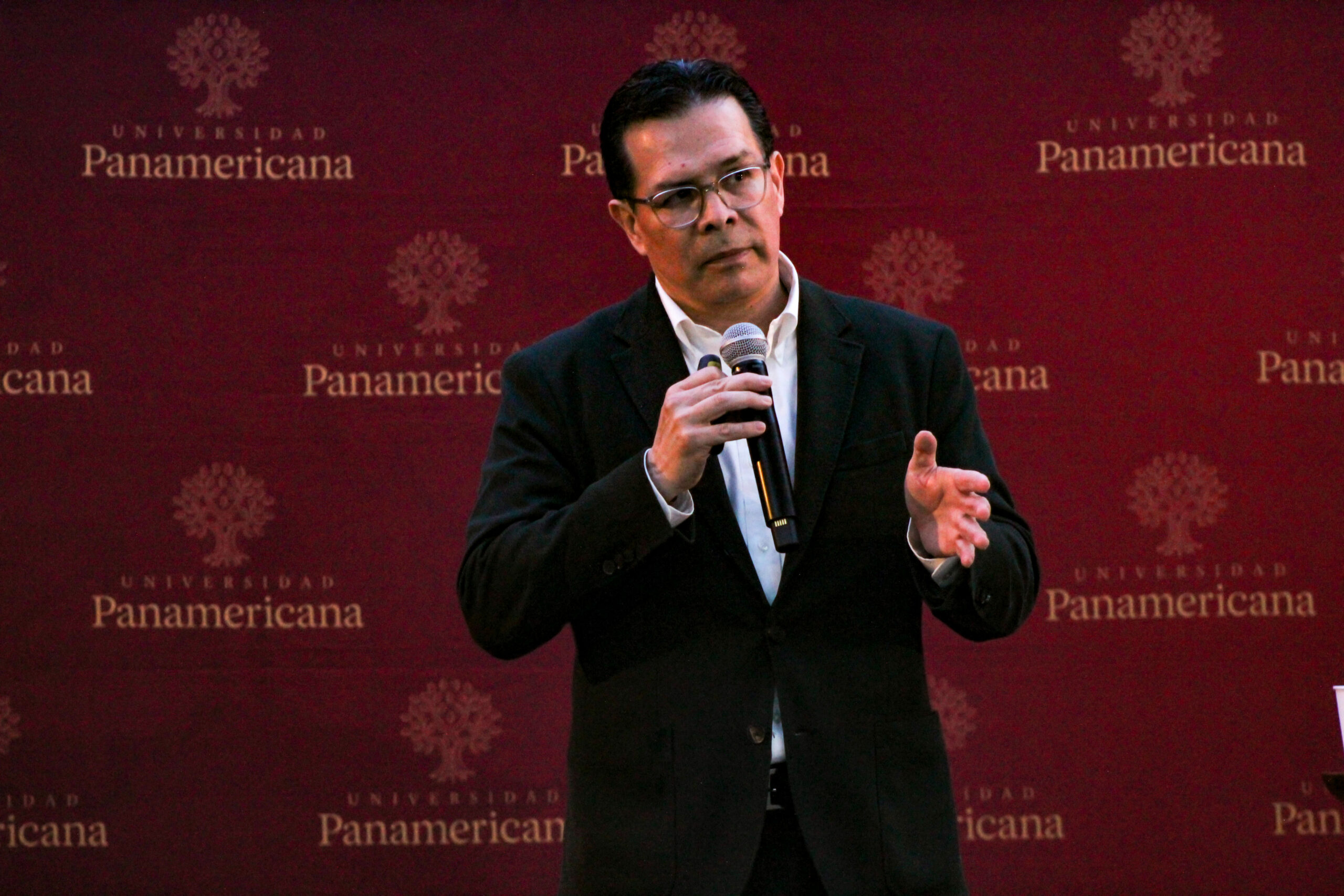
The model proposes a structure organized into six crisis communication roles:
- Strategic and editorial leadership.
- Media and message production.
- Digital platforms and channels.
- Intelligence and analysis.
- Engaging with stakeholders and the public
- Advanced technology and integration.
In an environment where crises are becoming more frequent and complex due to digital speed, this forum showed that the difference between an organization that collapses and one that responds successfully lies not in its resources, but in its level of preparation and the quality of its teams.
Commitment to the future of communication
With events like this, Universidad Panamericana 's Communication Graduate Program reaffirms its commitment to the training of high-level professionals who have the necessary tools to contribute their knowledge to the professional world.
Learn more about the Graduate Communication programs offered at: https://posgrados-panamericana.up.edu.mx/