Zapopan, Jalisco; November 7, 2025.–The Universidad Panamericana GuadalajaraUniversidad Panamericana is driving educational innovation with a pioneering initiative in Mexico: an assessment of its faculty’s proficiency in Artificial Intelligence (AI).
The study, conducted in May 2025 with the participation of 528 teachers, aims to identify the levels of knowledge, attitudes, and pedagogical and ethical strategies related to the use of AI in teaching.
This research reinforces Panamericana's leadership in the responsible integration of technology in education, promoting a comprehensive educational model that combines innovation, ethics, and critical thinking.
Assessment of AI Literacy
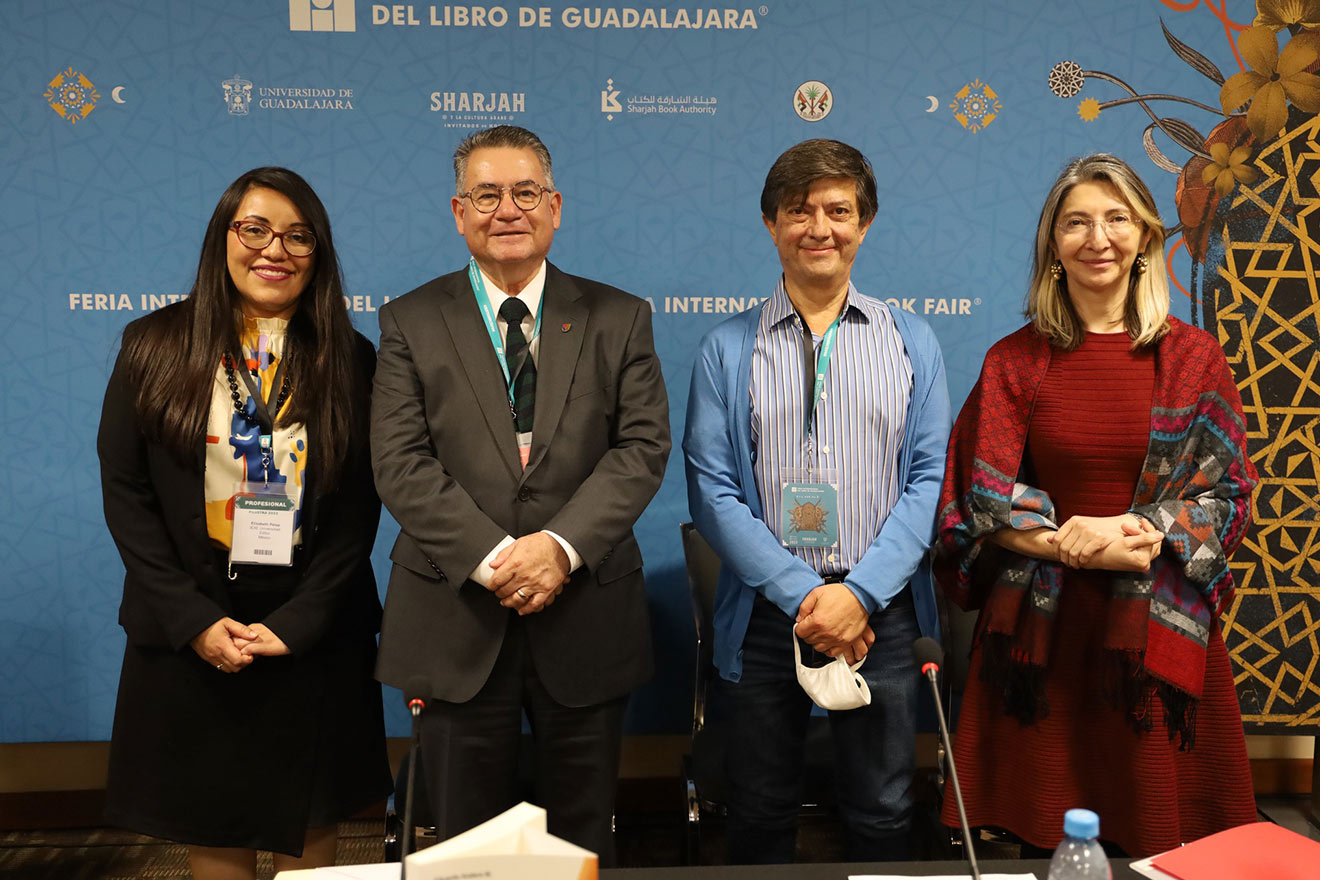
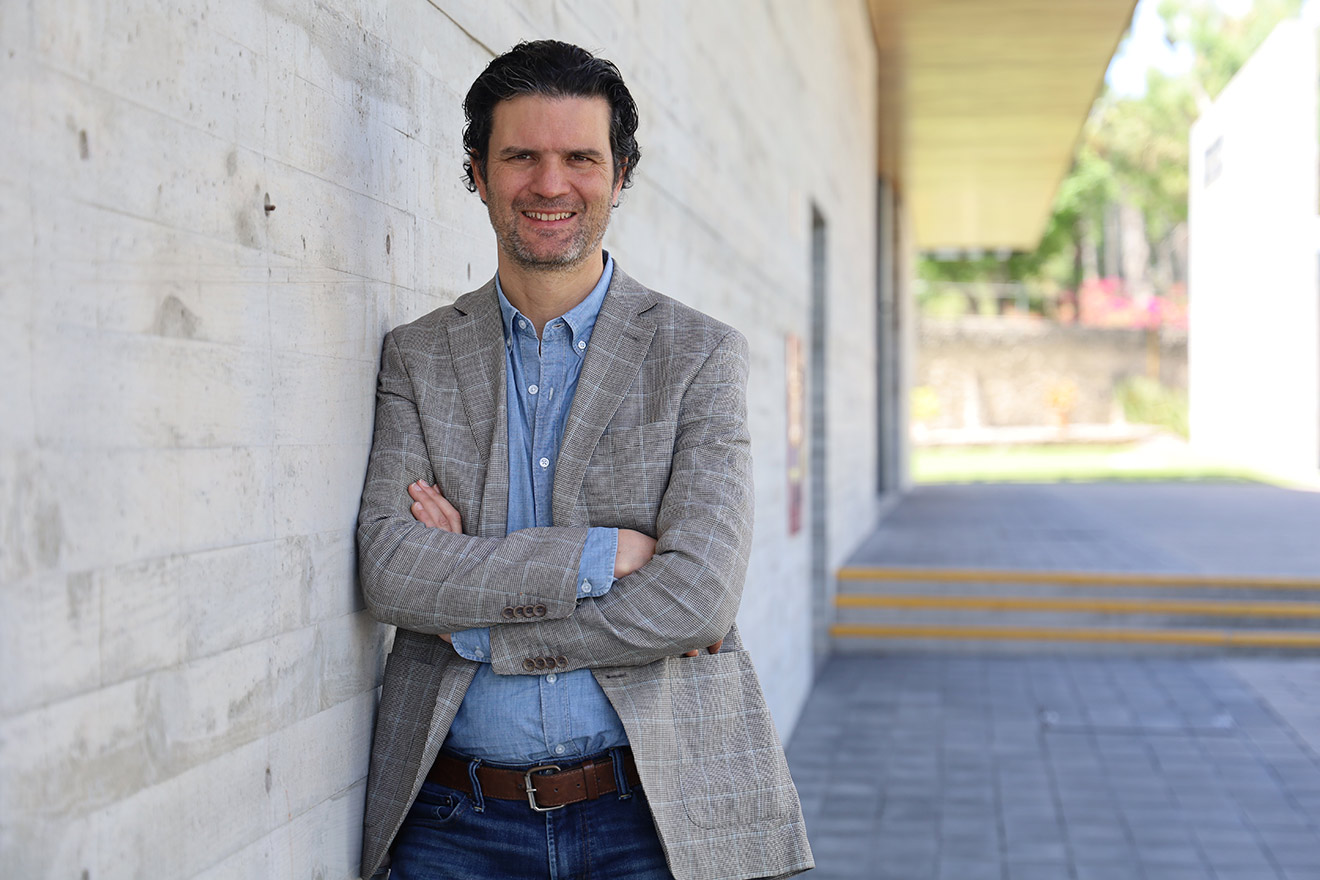
Led by Dr. Julián Ochoa García, a research professor at the School of Education and Psychology, the assessment reveals a picture with clear strengths and areas for improvement for the teaching community.
The main objective was to identify the level of knowledge, attitudes, and strategies related to the pedagogical and ethical use of AI tools.
“It was very important to understand how university faculty members viewed the issue of artificial intelligence, because there was a perception out there that we were somehow opposed to its use, and that’s really not true,” explained Dr. Julián Ochoa García, a research professor at the UP School of Education and Psychology.
Knowledge and perceptions: a starting point
The results show that teachers are not starting from scratch: 37% say they understand the fundamental concepts of AI. However, the main challenge is not technical, but ethical and pedagogical, which calls for training strategies and institutional support.
“Teachers know that artificial intelligence is here to stay and that it is an essential part of young people’s lives. That is why it was important to understand their knowledge, skills, and perceptions, both in the educational context and regarding its broader impact on society,” added Dr. Ochoa.
In addition to Dr. Julián Ochoa, the following individuals participated in this study: Dr. Daniela Salgado, Dr. Jafet Rodríguez, Dr. Mónica Camargo Martínez, Paola Pasciuta Marco, M.A., and Dr. Violeta Corona Cabrera.
Many areas for improvement
The study found that ChatGPT (OpenAI) is the most widely used tool, recognized by 80.7% of teachers. However, its use is primarily for personal or administrative purposes, and only 36.4% use it occasionally in the classroom, indicating that the integration of AI into the curriculum is still in its early stages.
The most prominent concern centers on communication skills: 53% of teachers believe that AI poses a risk to the development of students’ oral and written communication skills. In addition, issues such as copyright for AI-generated content are a critical weakness, with 37% of teachers unsure about the legal use of such materials.
Despite these challenges, teachers demonstrate a strong commitment to improvement and ethical awareness: 87.3% reflect on the ethical use of technology, and 57.3% are actively interested in receiving training on AI.
Teacher collaboration and shared leadership
One of the most significant findings concerns collaboration among teachers. 69.8% do not actively collaborate with their colleagues on the educational use of AI, which represents a key area for improvement.
To overcome these barriers, the report recommends establishing interdisciplinary workshops that foster collaboration and the exchange of best practices. It also proposes leveraging the small group of mentors (7% experts and 13% early adopters) to drive collective development, aligning these strategies with the Connect UP Educational Model.
“The goal is to build on the best practices of our faculty members who are already incorporating AI into their teaching and research, and to share that knowledge with the rest of the community,” added Dr. Ochoa.
La Panamericana: Purpose-Driven Leadership and Innovation
With this research, the Universidad Panamericana reaffirms its leadership in higher education and its commitment to training teachers prepared for the challenges of the 21st century.
Rather than banning the use of technology, Panamericana is committed to fostering critical and ethical digital literacy, which enables its community to understand, apply, and guide the use of artificial intelligence in a responsible and transformative way.