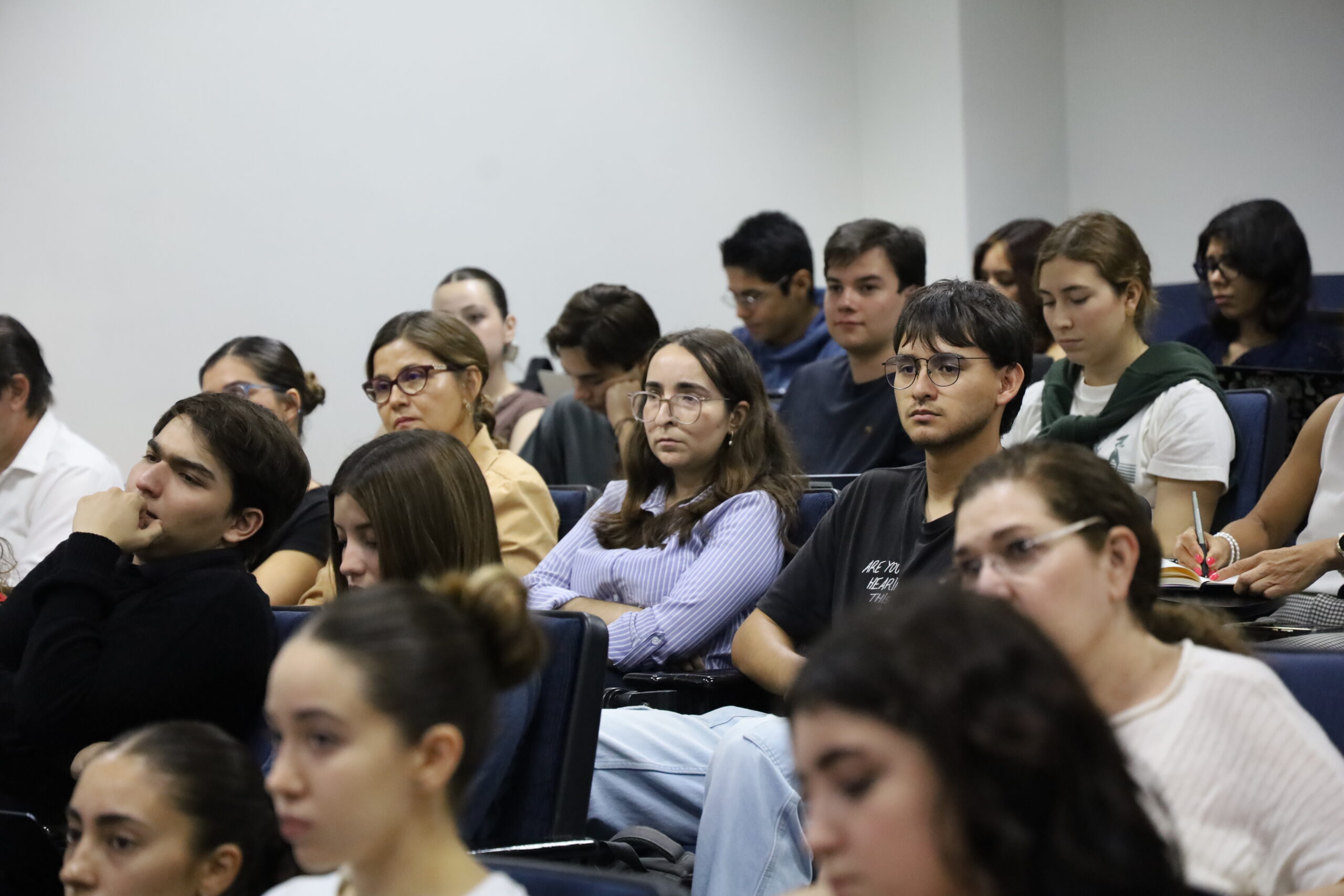
Zapopan, Jalisco; September 10, 2025.— With the aim of promoting mental health, demystifying suicide and psychiatry, and hearing a real-life story of resilience, the Universidad Panamericana GuadalajaraUniversidad Panamericana hosted the conference “Ask the Psychiatrist About Suicide.”
This event, organized by the Department of Health and Wellness, was part of the campaign Embrace Your Mind UPcampaign, which aims to raise awareness among the university community about the importance of emotional well-being during September, Suicide Prevention Month.
The Importance of Talking About Mental Health
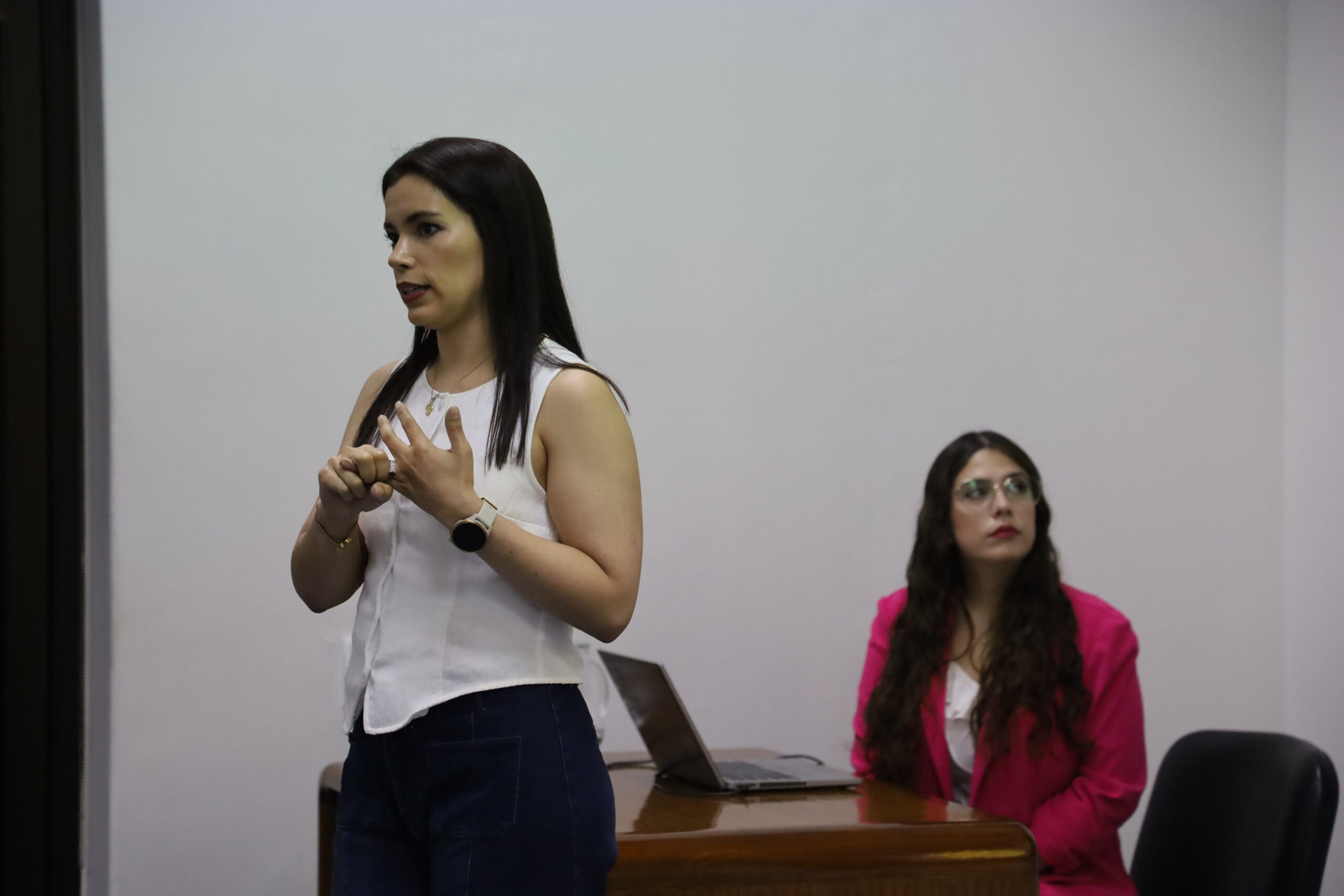
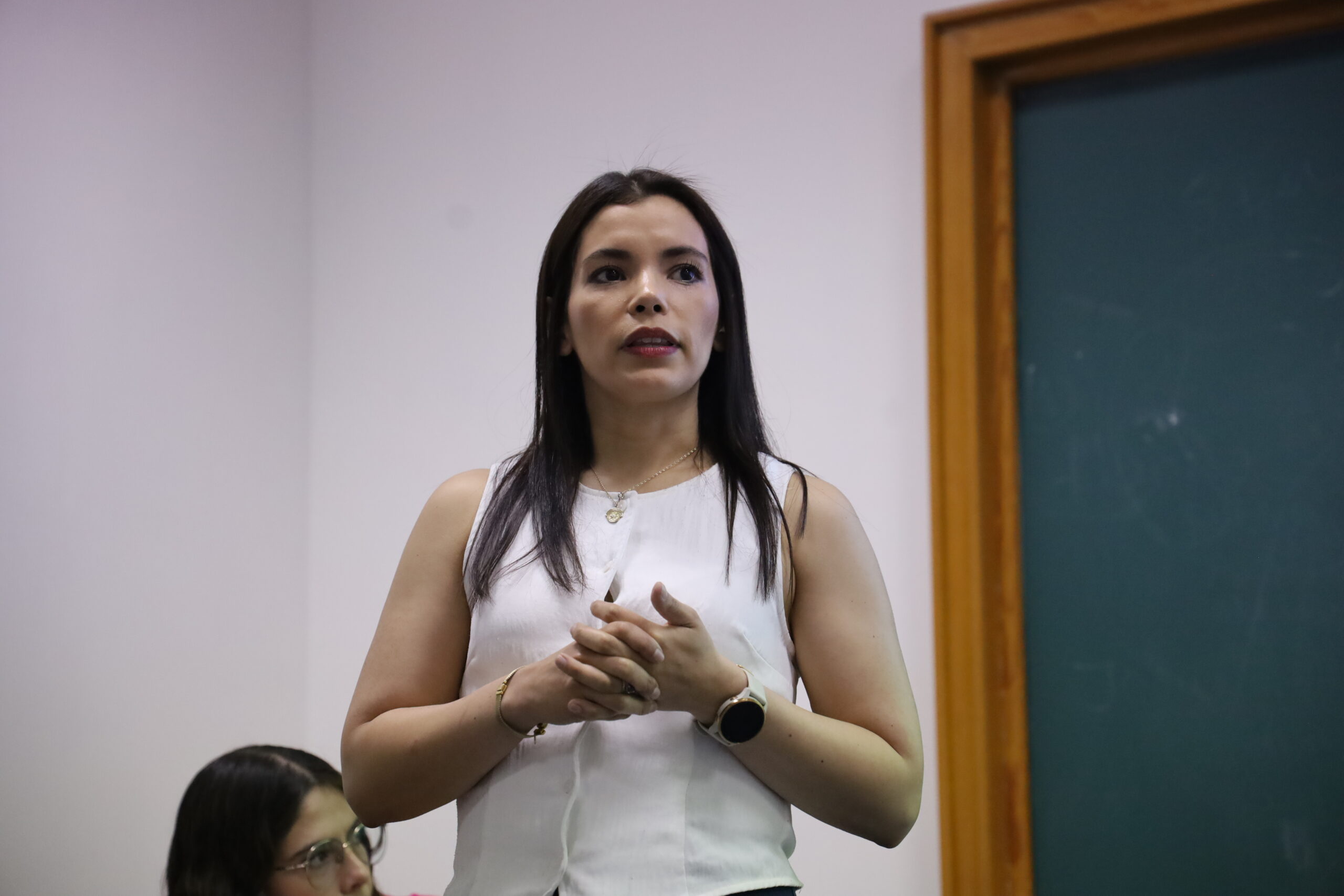
The lecture was given by Dr. Mariana Azcárraga Quiza, director of the University Center for Health and Well-being (CUSAB) at the Universidad Panamericana in Mexico Universidad Panamericana , who answered students’ questions about suicide and its risk factors.
Speaking to an audience composed mostly of students, Dr. Mariana Azcárraga presented a series of points based on questions submitted in advance by the attendees.

“Why is it important to talk about suicide? According to the World Health Organization, approximately 720,000 people die by suicide each year. It is estimated that globally, suicide is the third leading cause of death among young people aged 15 to 29—in other words, it is a very common cause of death, especially among young people,” the specialist explained.
He also added: “73% of all suicides worldwide occur in developing countries, so our country will be affected. (…) Suicide is a multifactorial phenomenon, what does this mean? That a person does not commit suicide because of just one cause. A series of factors will come together that can increase the risk.”
As part of her presentation, the specialist emphasized the importance of recognizing warning signs that may indicate a risk of suicide. These signs, while varying from person to person, are key to providing timely support:
- Talking about or planning suicide.
- Show constant anxiety or restlessness.
- Engaging in reckless or dangerous behavior.
- To express that one feels like a burden to others.
- To say that you feel trapped or in excruciating pain.
- Experience extreme mood swings.
- Increased alcohol or drug use.
- Talking about despair or a lack of reasons to live.
- Sleeping too much or too little.
- Avoiding or isolating oneself from family and friends.
If you notice any of these warning signs, it is advisable to seek professional help and reach out to the person exhibiting this type of behavior.
A testament to resilience and empathy
Before the presentation, Irma Andrea González Toscano, a seventh-semester psychology student, shared her personal experience of dealing with depression and suicidal thoughts: “Even though I’m a psychology student, I’ve been on antidepressants for over two years following a diagnosis of major depression.”
“That truth hit me hard and took me to the lowest and darkest point of my life, because one night I wrote my suicide note—and that’s me, yes, the person standing here. A daughter, a friend, a sister, but also a broken person with no motivation to face tomorrow,” Irma Andrea confessed.
Her testimony moved the audience and prompted deep reflection on the importance of supporting and listening to those who are going through difficult times.
Companionship as medicine
In her lecture, Dr. Azcárraga emphasized the importance of recognizing warning signs in people close to us:
“We need to ask ourselves what the warning signs are. There may be many, but the main point I’d like you to take away is this: we should watch for significant changes in the behavior of the people we live with. If I know someone and know what they’re usually like, and I notice that they’re different—that they’ve changed—that can be a very valuable indicator.”
UP's Commitment to Mental Health
The Universidad Panamericana this commitment through initiatives such as Abraza tu mente UP its commitment to the holistic education of students, promoting not only academic excellence but also emotional well-being through a humanistic approach.

Learn more about the Clinical Psychology Unit at the Universidad Panamericana : https://www.up.edu.mx/vida-panamericana-unidad-de-psicologia-clinica/