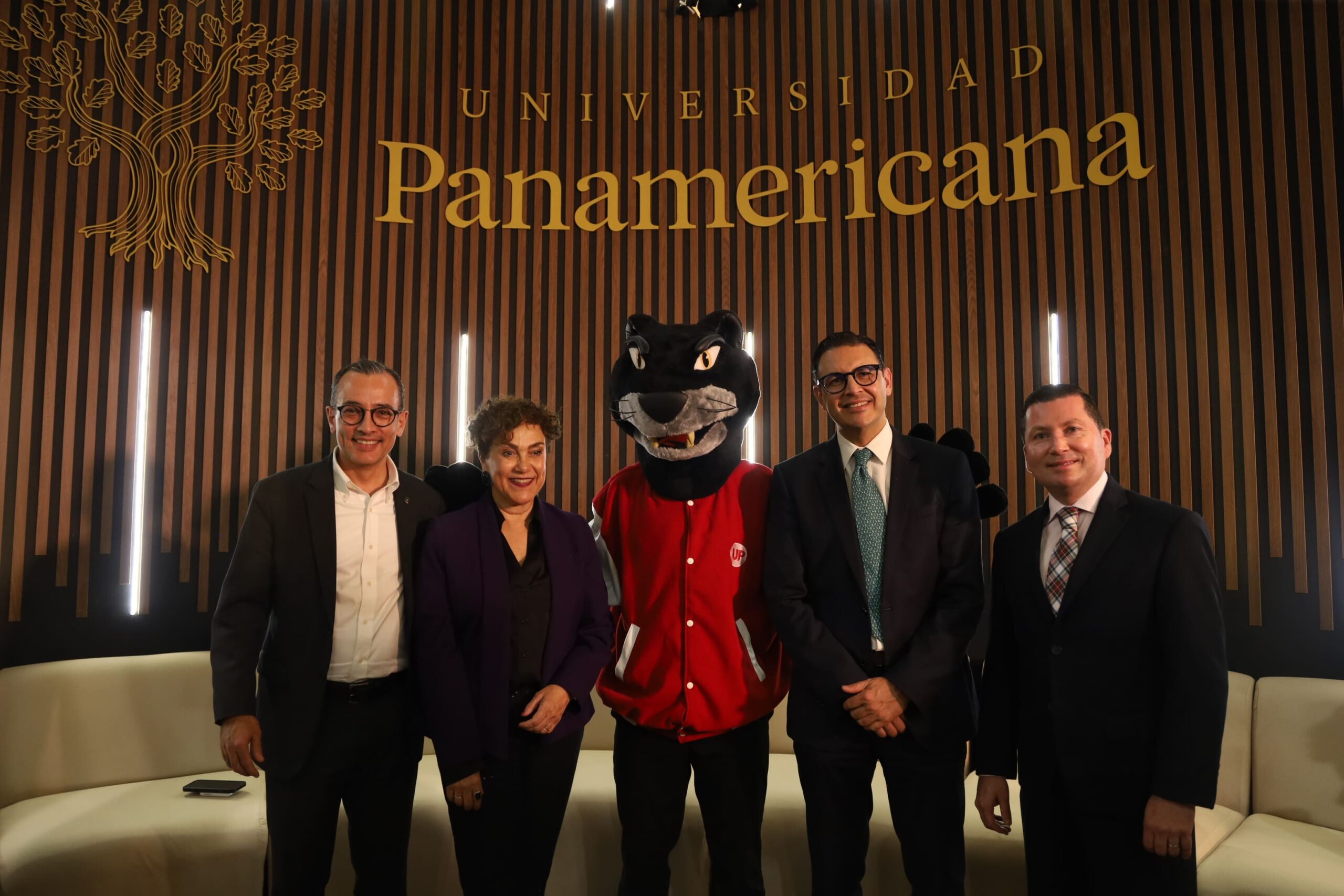
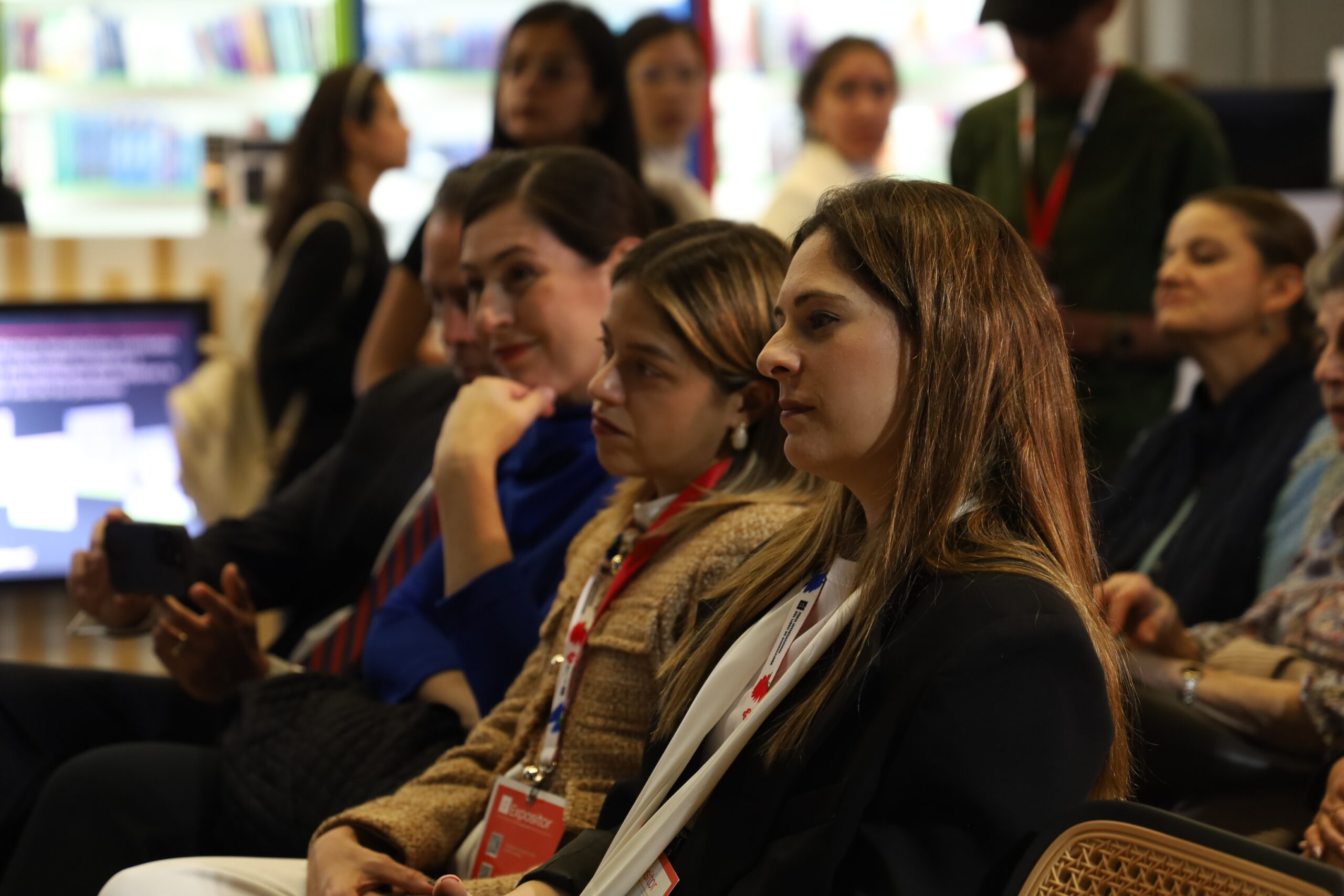
Guadalajara, Jalisco; December 4, 2025.— As part of the Guadalajara International Book Fair (FIL), the presidents of Universidad Panamericana System shared their vision on the role of Artificial Intelligence in higher education, highlighting its potential to strengthen faculty support and critical thinking from a Christian and humanistic perspective.
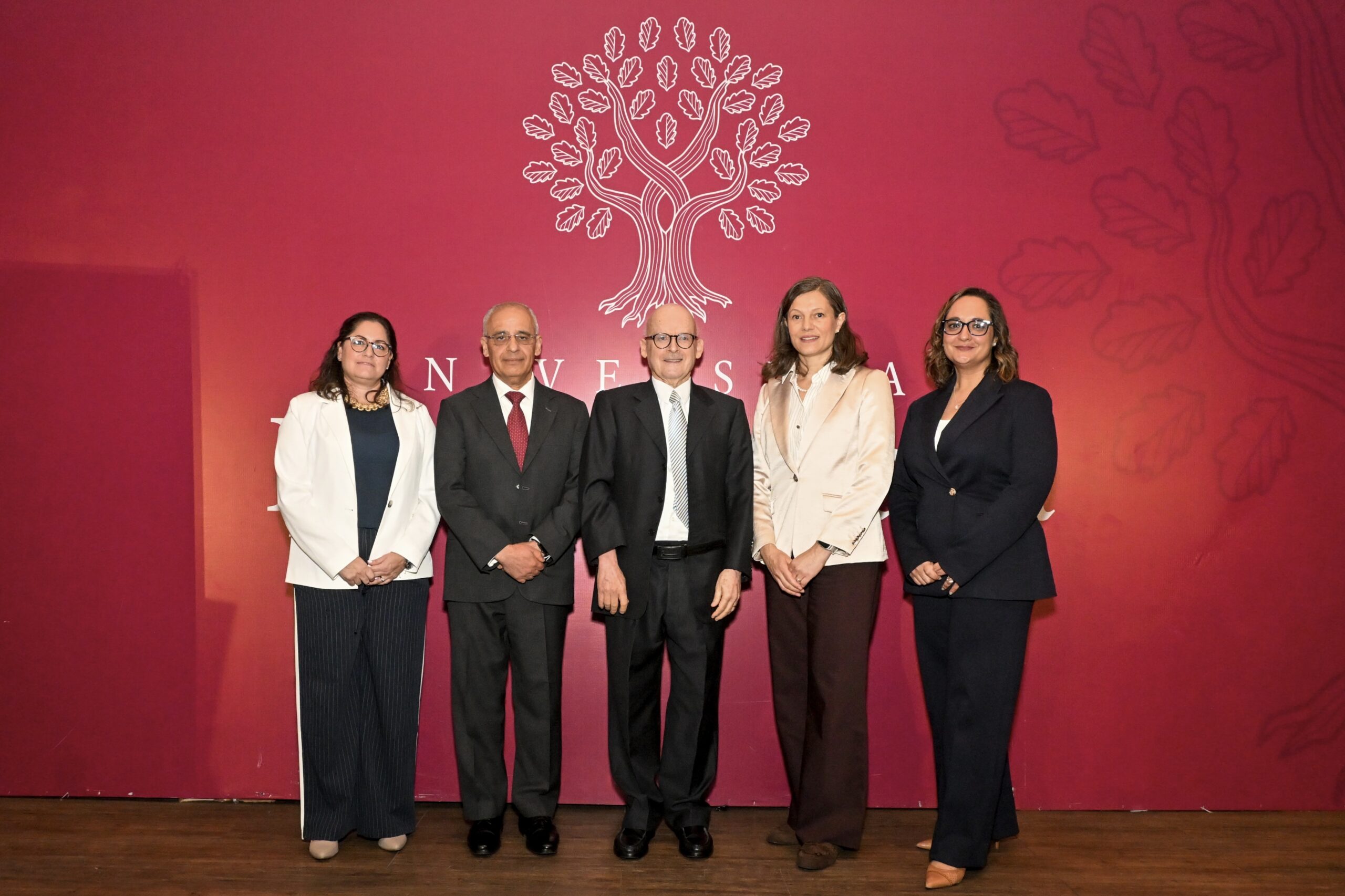
The Forum Artificial Intelligence, Professional Education, and Research: Challenges and Opportunities for Universities brought together Dr. Fernanda Llergo Bay, President of the UP-IPADE System; Dr. Abraham Mendoza Andrade, Dean of the Guadalajara Campus; and Antonio de los Reyes Moreno, Dean of the Aguascalientes Campus, with Dr. Daniela Salgado serving as moderator.

AI from a Christian and Humanist Perspective
During the panel discussion, Dr. Fernanda Llergo Bay emphasized that the advent of artificial intelligence represents an invaluable opportunity to strengthen the educational and humanistic mission of the Universidad Panamericana.
Grounded in its Catholic identity, the institution is committed to integrating technology in an ethical and responsible manner, with a focus on the holistic development of the individual.
The university president emphasized that the adoption of AI tools must be guided by a human-centered approach, in which technology does not replace faculty support but rather enhances it.
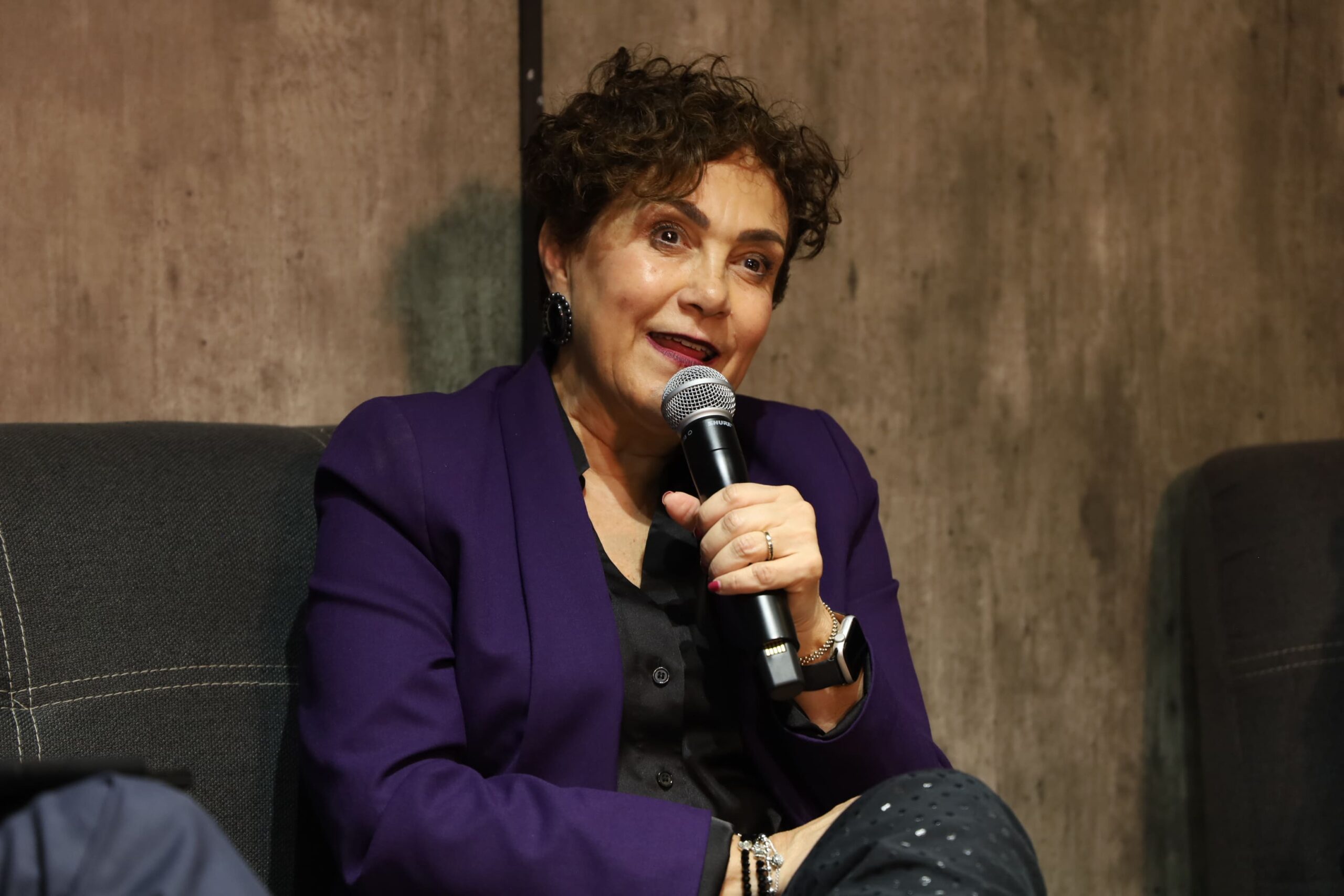
In that regard, he stated that artificial intelligence can become a strategic ally in enriching educational processes, fostering critical thinking, and strengthening the pursuit of the common good.
Educational challenges and student engagement
Dr. Abraham Mendoza Andrade highlighted the exponential growth of these tools, noting that it has been three years since the launch of ChatGPT.
The president shared some revealing statistics on technology adoption:
- In the United Kingdom, 92% of higher education students already use some form of AI tool.
- The main challenge regarding adoption does not originate at the university; rather, it is the university itself that faces the greatest challenges in integrating it.
Will jobs disappear because of AI?
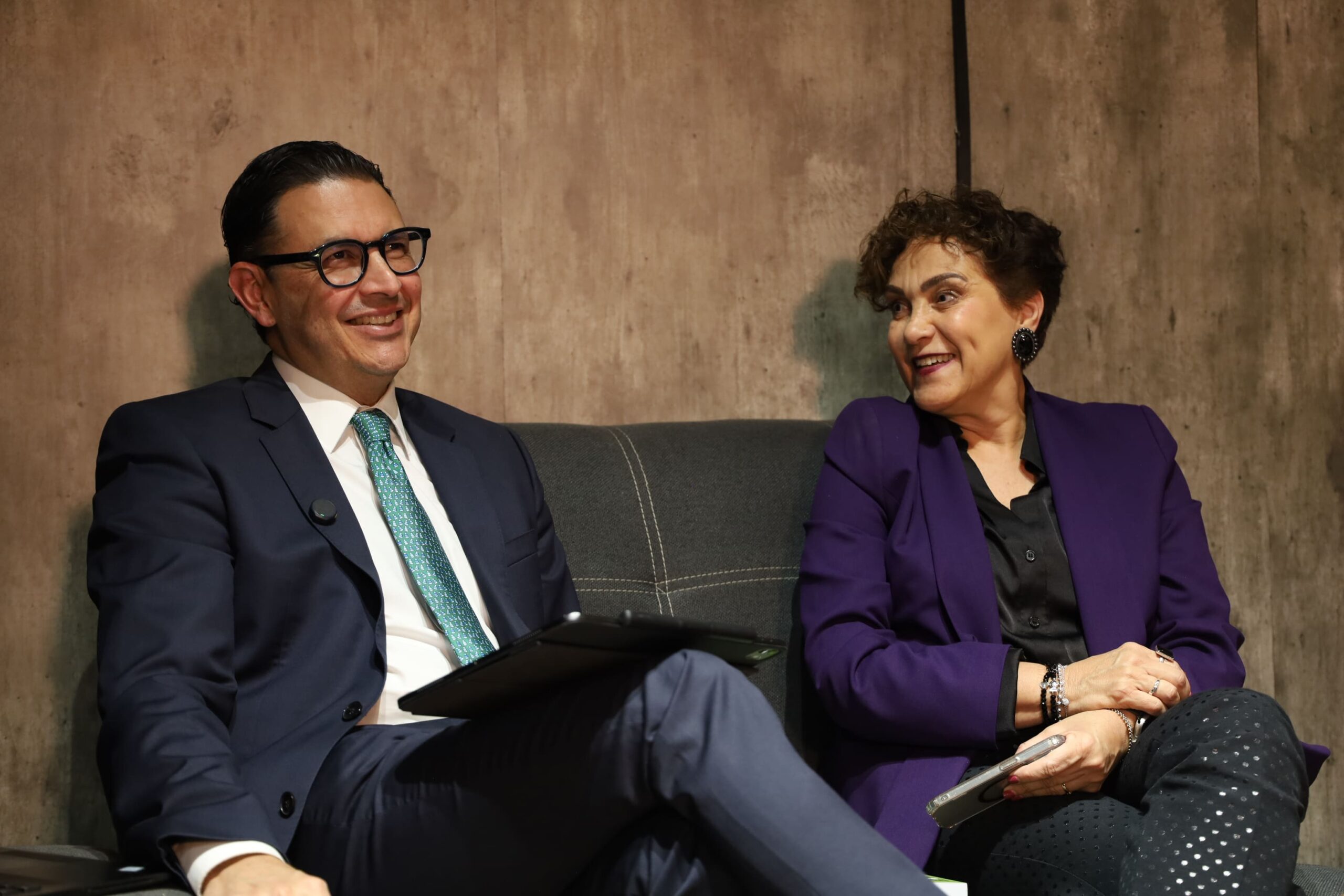
In response to concerns about whether AI will replace traditional professions, Antonio de los Reyes Moreno offered a reassuring yet realistic perspective.
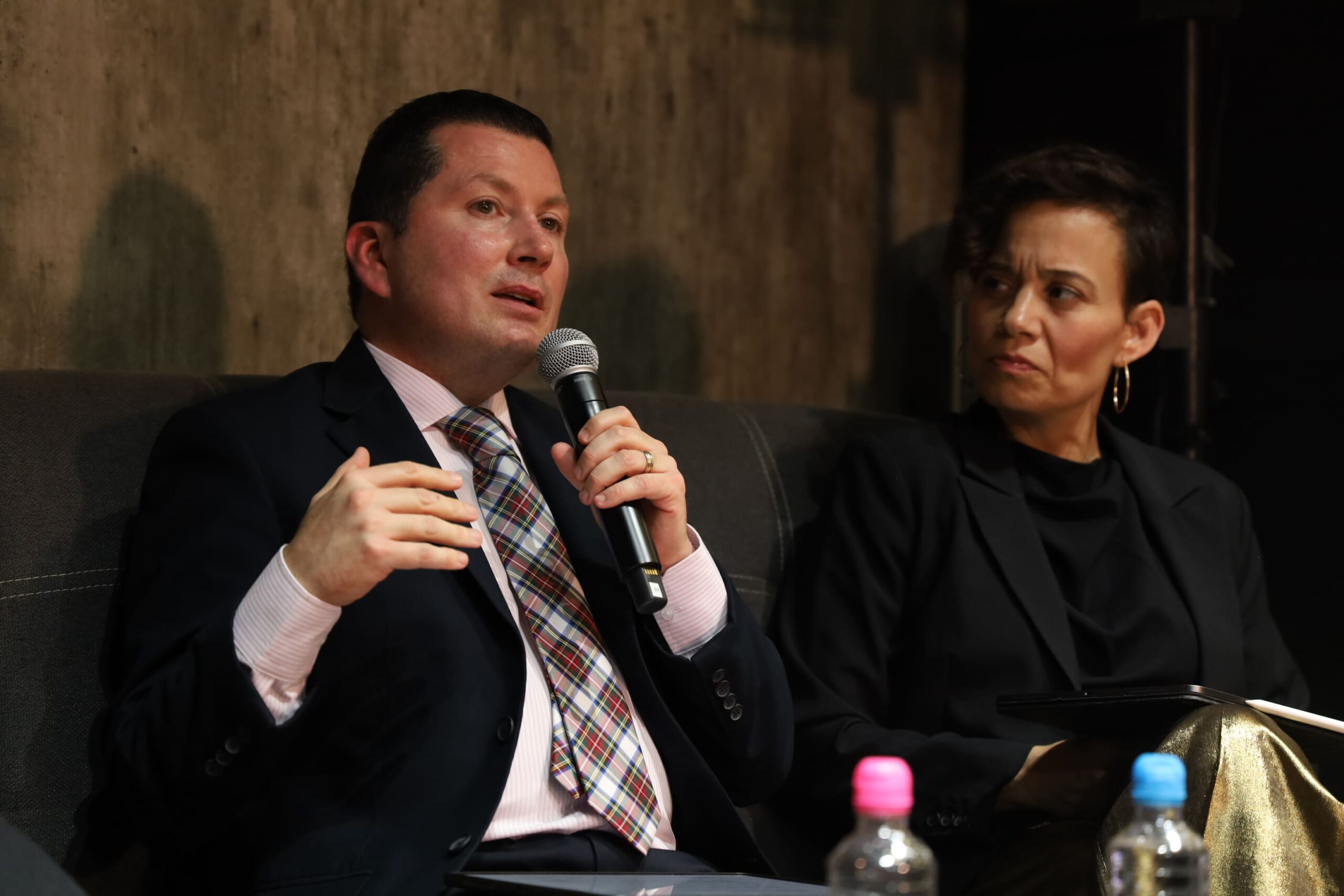
He noted that degree programs will not disappear anytime soon, but it will be essential to stay up to date and undergo training in order to adapt to new technological and learning trends.
Leadership and Teacher Training
Strengthening academic leadership and providing ongoing professional development for teachers are essential pillars for the successful integration of artificial intelligence into educational processes. Dr. Llergo Bay emphasized that the real challenge lies not only in adopting new technologies, but in developing a deep understanding of their ethical and educational use in the classroom.
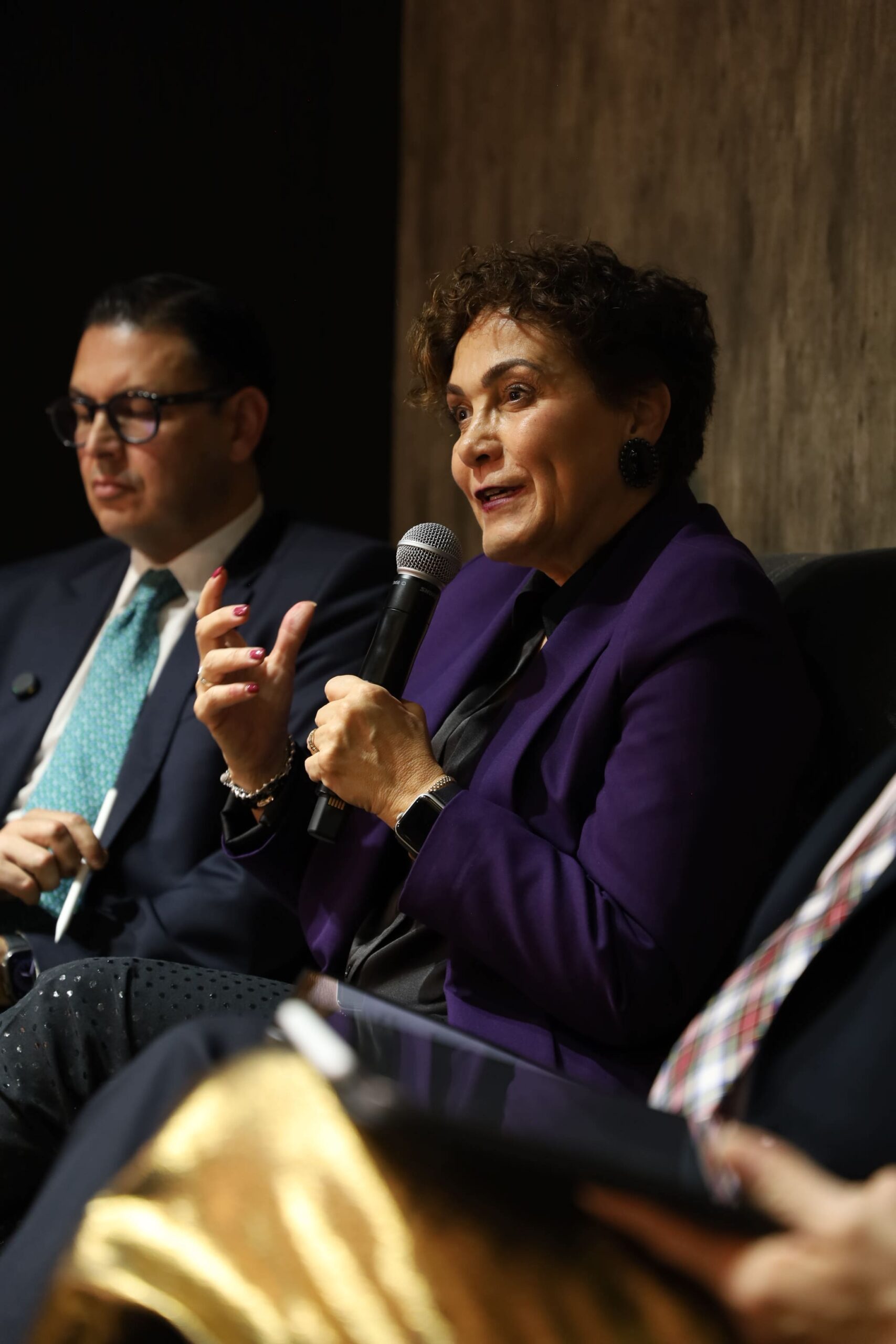
The university president emphasized that the goal is not to replace the work of teachers, but to strengthen their role as guides and mentors in shaping well-rounded individuals. “It is essential to understand that artificial intelligence is not simply a search engine like Google; it requires thoughtful use and sound pedagogical judgment,”, she noted.
For the Universidad Panamericana, the use of technology does not replace the ultimate goal of education. Dr. Abraham Mendoza Andrade emphasized that the mission remains to teach students to seek the truth. What is essential is not merely knowing how to use the tool, but having the ability to discern when and how to use it for the sake of knowledge.
Without fear of the future
The Universidad PanamericanaSystem reaffirmed its commitment to an education that embraces technological innovation without losing sight of its humanistic mission. In light of the rapid advancement of artificial intelligence, the university presidents agreed that the greatest challenge is not to resist change, but to prepare to lead it with responsibility, knowledge, and ethics.
Far from posing a threat, AI presents an opportunity to enhance learning, strengthen research, and revitalize teaching methods. The key, they noted, lies in building academic communities capable of discerning, creating, and transforming—always with the individual at the center of the educational process.
Learn more about the educational model at Universidad Panamericana : https://www.up.edu.mx/sobre-la-universidad-modelo-educativo/