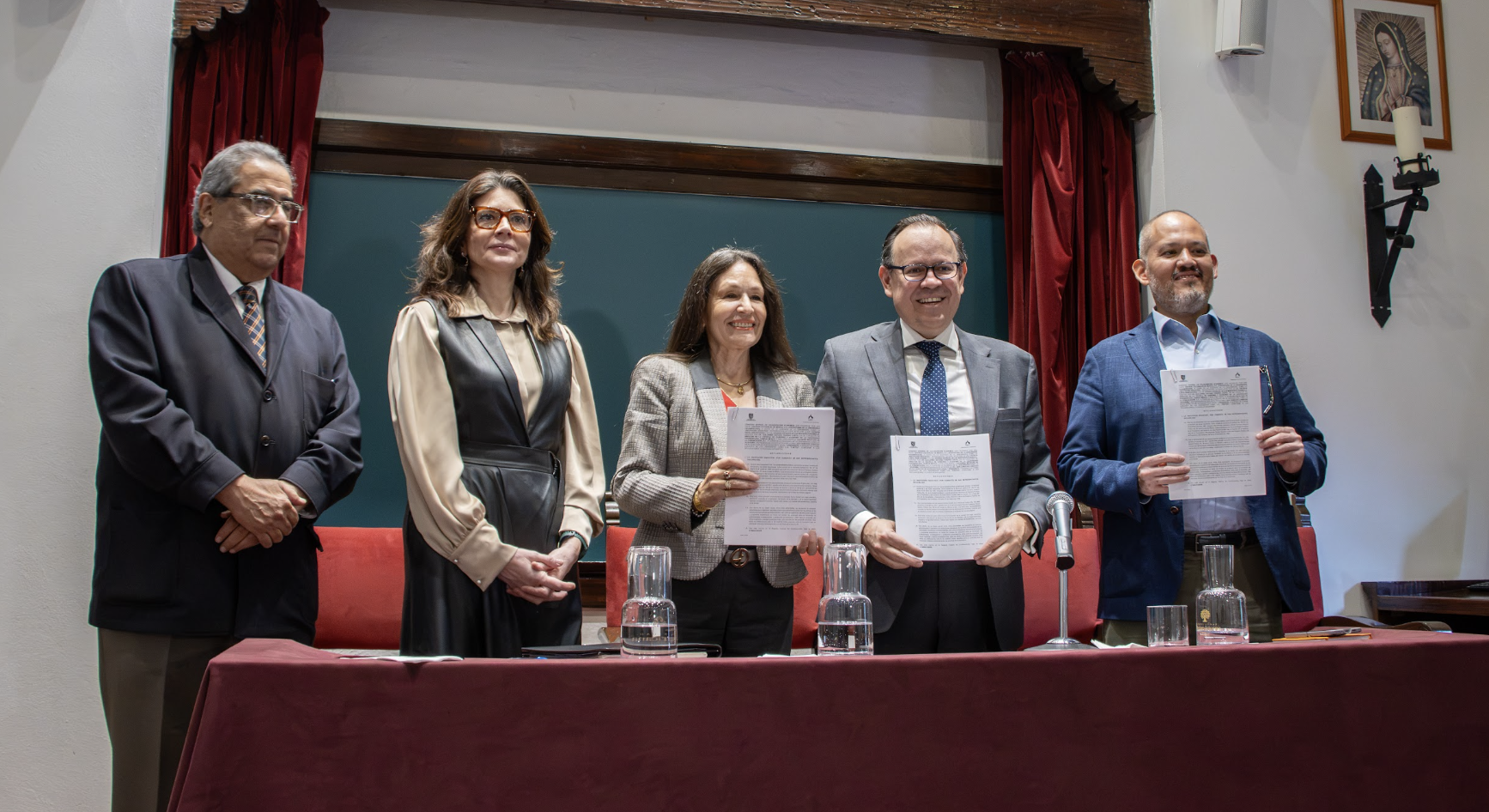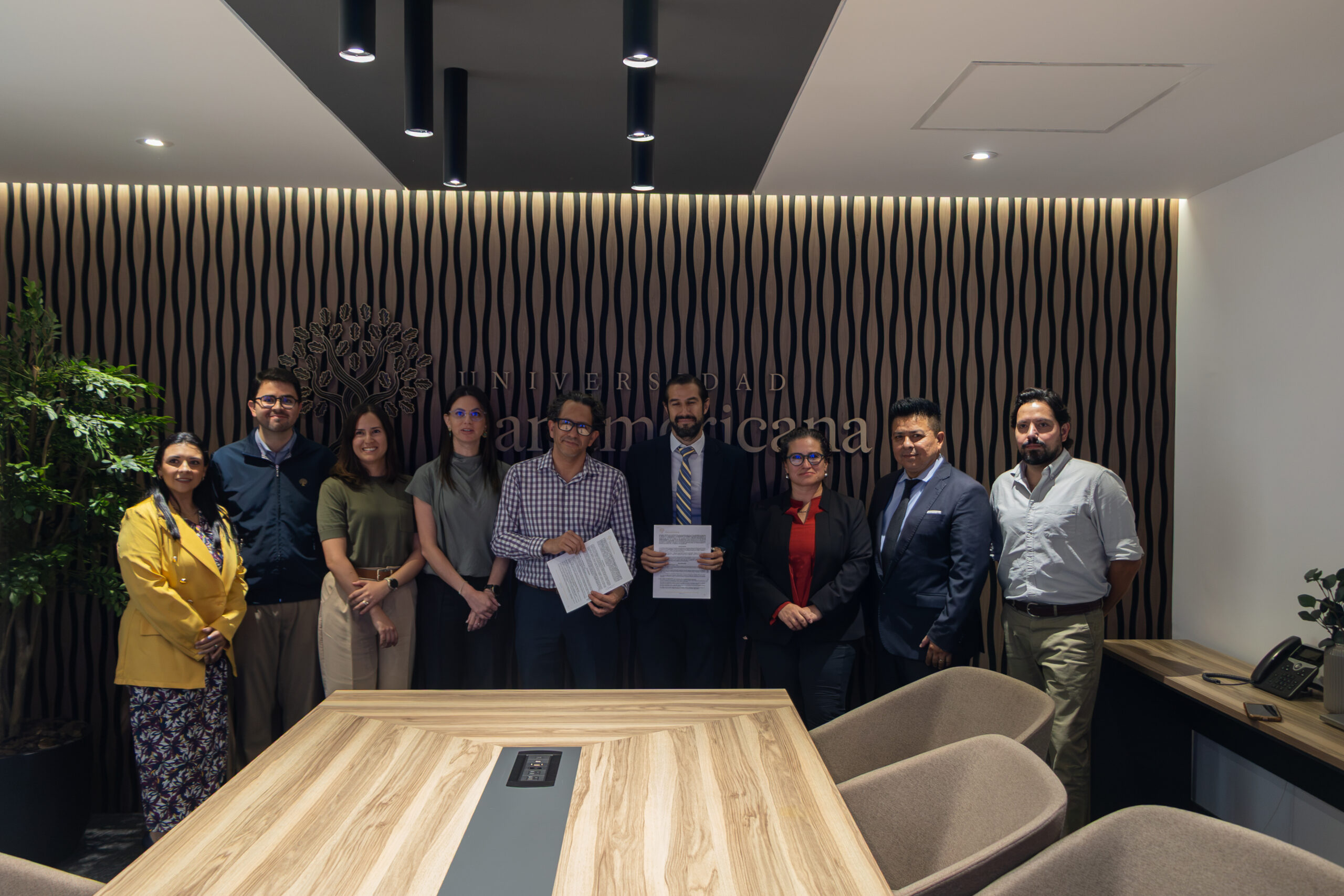
Zapopan, Jalisco, September 22.— In an effort to link highly specialized medical practice with academia and technological development, the School of Engineering and Architecture at the Guadalajara campus of the National Autonomous University of Mexico (Universidad Panamericana ) and the Guadalajara Neurological Institute signed a collaboration agreement to link highly specialized medical practice with academia, research, and technological development.
The partnership aims to combine the Institute’s clinical expertise with the research, design, engineering, and intellectual property capabilities of the Universidad Panamericana, with the goal of transforming real medical needs into opportunities for innovation and technological solutions for patients.
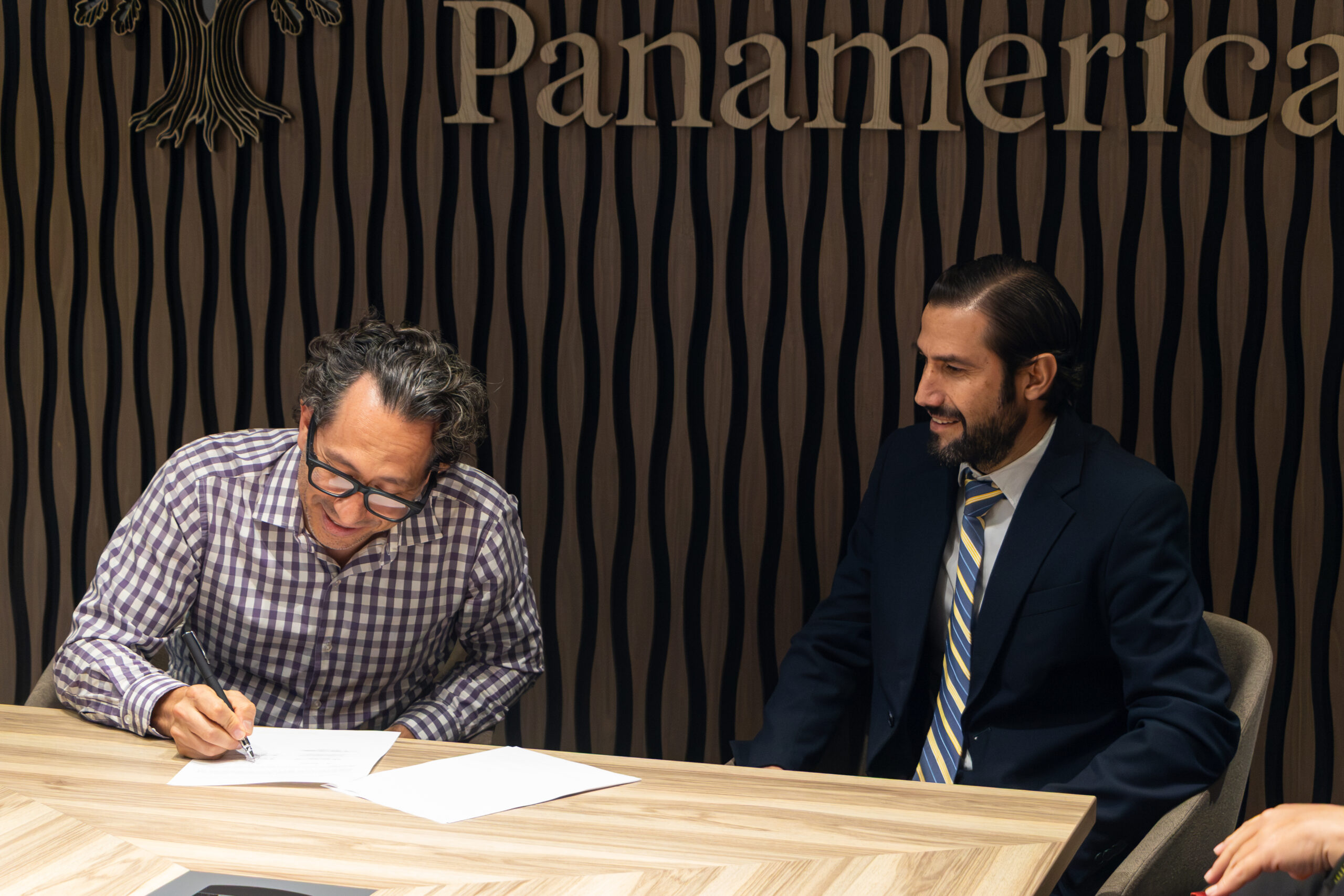
The Heart of the Agreement: Medical Innovation Journey – Neuro
The first initiative resulting from the agreement is Medical Innovation Journey – Neuro, a program based on the needs that healthcare professionals identify in their daily practice.
Under the motto “Bring problems, not solutions, ” healthcare professionals serve as Clinical Innovation Partners, while UP students and faculty contribute a fresh perspective and engineering methodologies to structure design opportunities.
The process involves several stages, ranging from identifying and documenting the clinical problem and analyzing the state of the art, to developing concepts and prototypes, validation, and intellectual property strategies.
To kick off this collaboration, a clinical immersion program was designed. As part of this methodology, students and faculty conduct guided tours and simulations at the Guadalajara Neurological Institute to identify inefficiencies, using guiding questions such as: “What had to be improvised?” or “What technology is available but not being used?”
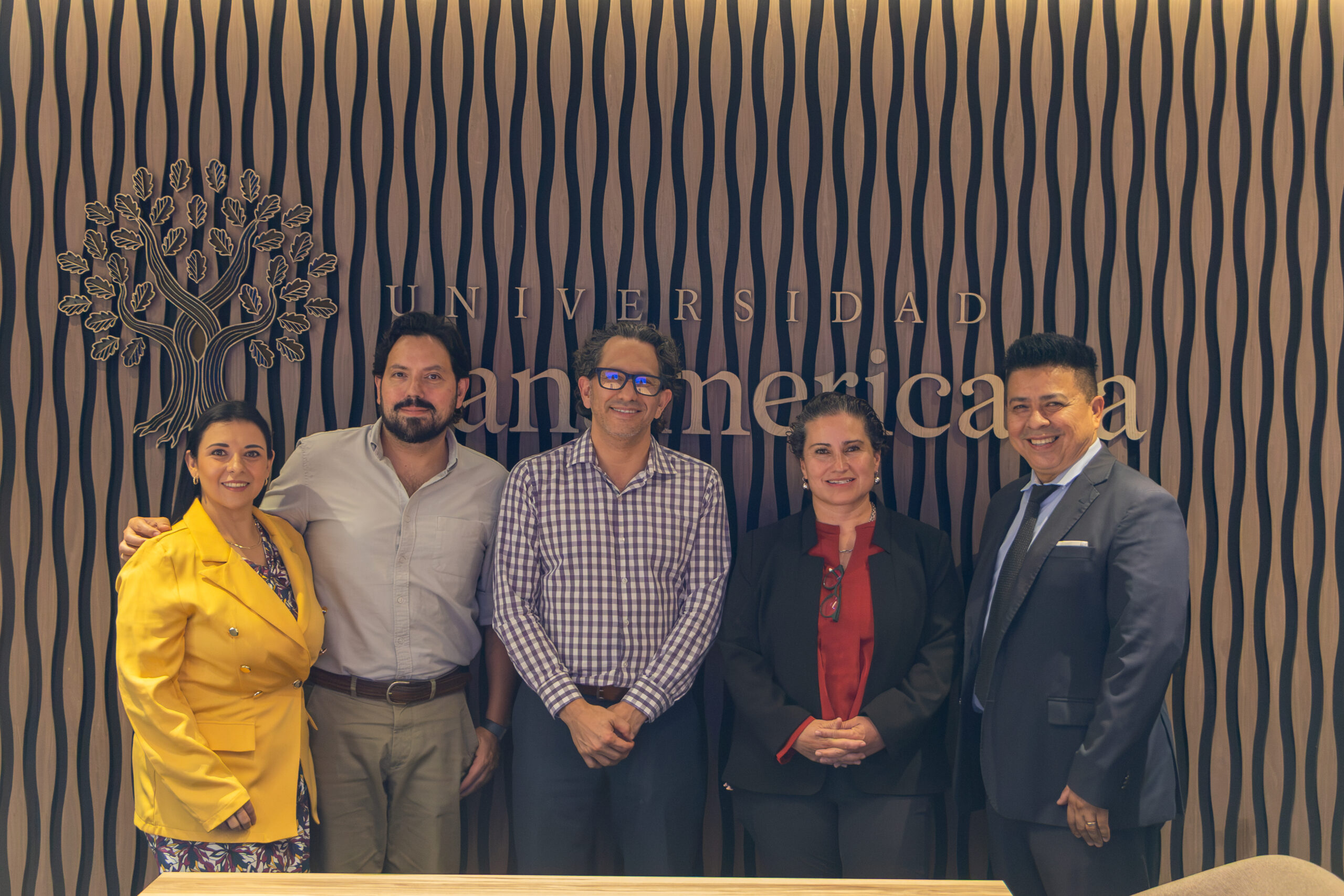
Portfolio of Opportunities and Intellectual Property
Based on the working groups between the two institutions, an initial portfolio of 20 clinical opportunities was developed, classified according to their complexity and development timeline:
- Semester-long projects (Innovation Journey): Hardware with lower regulatory complexity and rapid prototyping, such as adult neurological and respiratory rehabilitation systems with feedback, perioperative noise reduction, dignified patient transfer between stretchers, cable management, and ergonomic adaptations for clinical staff.
- Long-term strategic projects: Initiatives that require several semesters, funding, and industry partnerships, such as an affordable neurosurgical navigation system, personalized intraoperative cranial reconstruction, and low-cost diagnostic technologies.
- Future research and high complexity: Digital transformation solutions (such as interoperable medical records and secure medical communication), as well as high-risk technologies (intracerebral electrodes), which will be held in a strategic reserve due to their stringent regulatory and biocompatibility requirements.
A key aspect of the agreement is that intellectual property is integrated from the design stage. Faculty members at the University of the Pacific ( Universidad Panamericana ) emphasize that patent searches and freedom-to-operate analyses must be iterative to ensure that developments have commercial viability and real potential for technology transfer.
Toward a Permanent Laboratory for Clinical Innovation
The long-term vision of this partnership is to extend beyond the school year through the creation of the UP x Neurological Institute Clinical Innovation Lab.
The laboratory will seek to establish a permanent database of clinical needs, joint research projects, and partnerships with the Mexican manufacturing industry.
There are also plans to establish a Clinical Innovation Academy for Physicians, aimed at training healthcare professionals on topics such as patents, rapid prototyping, regulation, and technology transfer.
A high school that offers hope
One of the starting points for the collaborative ecosystem was the official opening of the Guadalajara Neurological Institute, which took place at the Ángeles Andares Hospital.
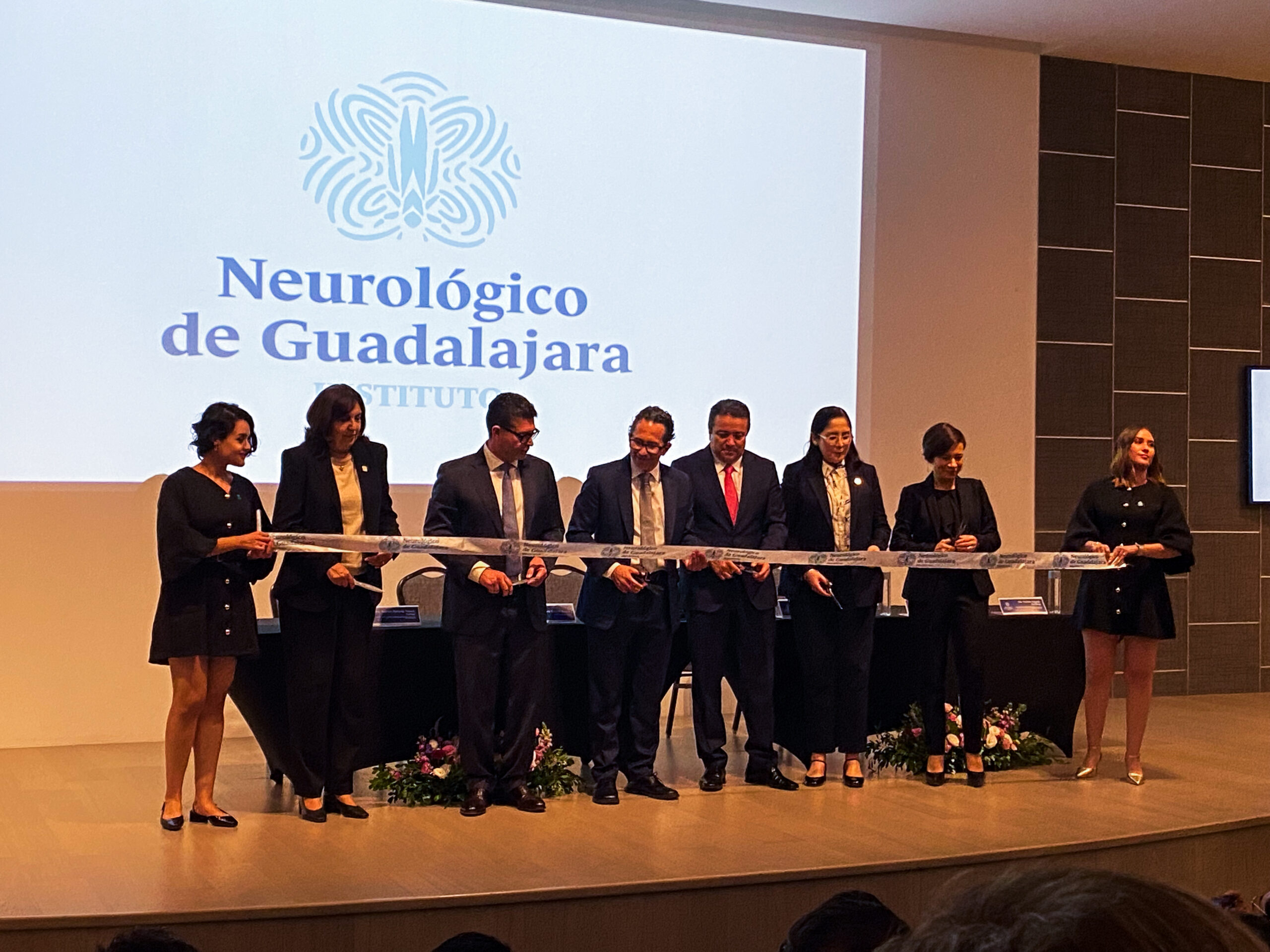
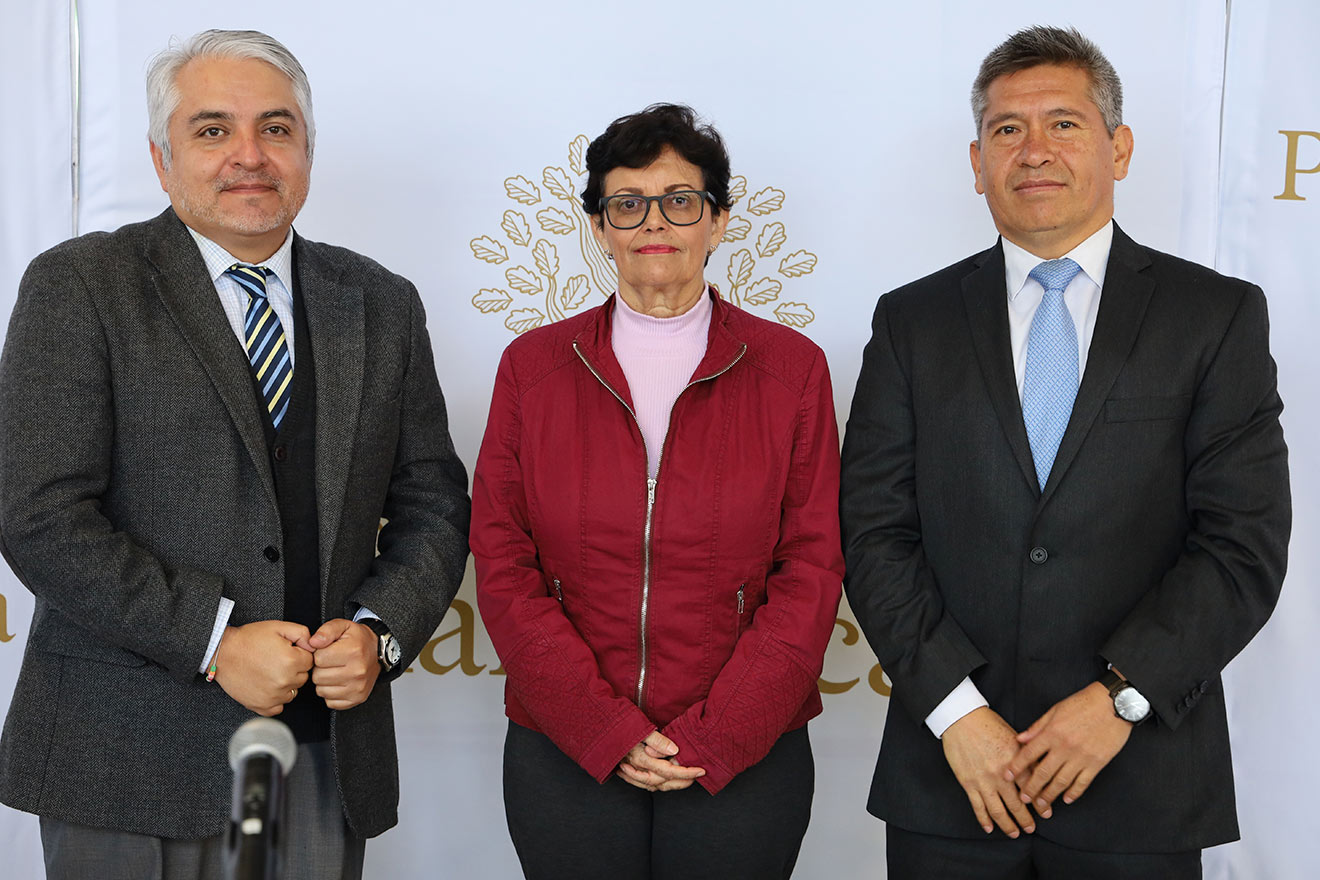
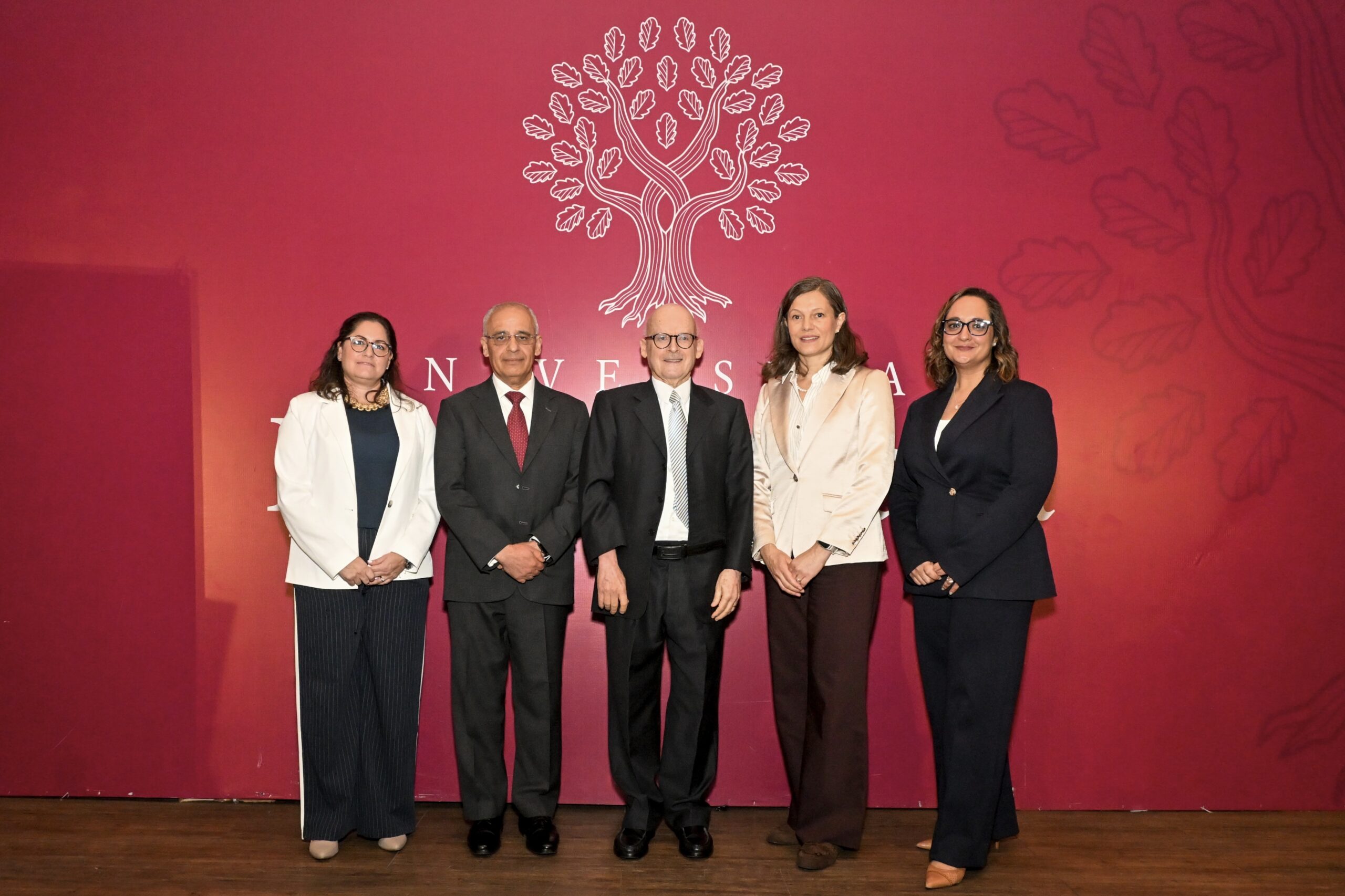
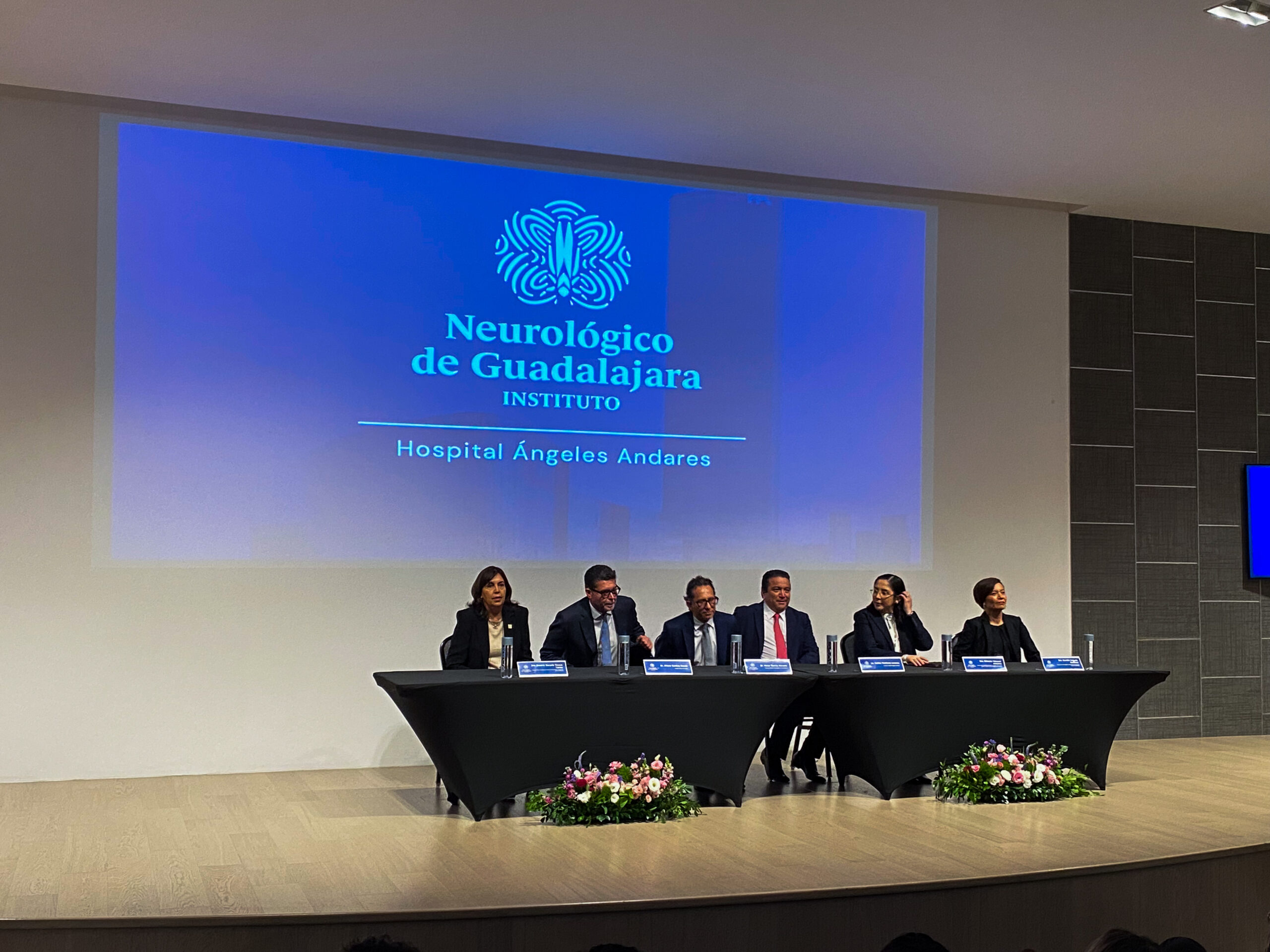
The ceremony was attended by Dr. Víctor García Navarro, director of the Institute; Carlos Martínez Loranca, director of Hospital Ángeles Andares; Dr. Daniela Salgado, director of research at the Guadalajara campus of the Universidad Panamericana ; Beatriz Rosario Tinoco Torres, dean of the School of Medicine at the Autonomous University of Guadalajara; and Dr. Gabriela Vázquez Armenta, dean of medicine at the Monterrey Institute of Technology and Higher Education.
During the ceremony, Dr. Víctor García Navarro emphasized that the Institute was founded with the mission of combining clinical and surgical care of the highest quality with teaching, research, and social commitment.
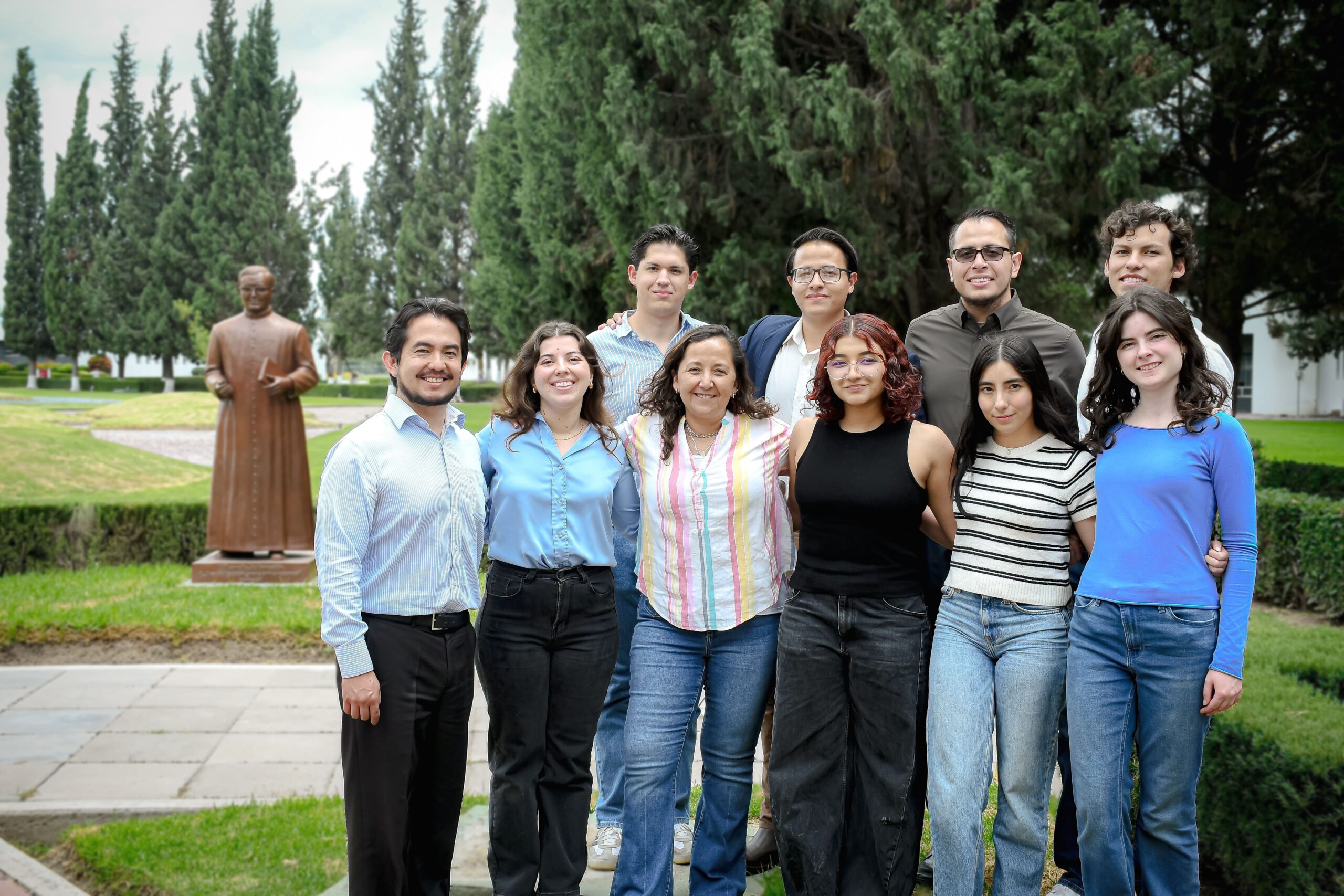
He proudly highlighted the partnership with the Universidad Panamericana, noting that the collaboration has already enabled dozens of students to become directly involved in clinical practice to work on joint innovation projects. The ceremony concluded with the traditional ribbon-cutting, marking the formal beginning of a new era for neuroinnovation in western Mexico.
Universidad Panamericana and medical innovation
The agreement between the Guadalajara campus of the National Autonomous University of Mexico ( Universidad Panamericana ) and the Guadalajara Neurological Institute establishes a framework for collaboration between clinical practice, engineering, and applied research.
Through initiatives such as Medical Innovation Journey – Neuro, professors, students, and healthcare professionals can work together to identify clinical needs and develop technological solutions.
In this way, the collaboration strengthens the connection between university education, research, and the challenges of medical practice, while also promoting the development of research and solutions for health care in the region and the country.