Mexico City, November 13, 2025.— The Mexican Institute of Industrial Property (IMPI) officially granted two new patents to the Universidad Panamericana, a recognition that attests to the inventive capacity of its researchers and the institution’s commitment to transferring knowledge to society to generate a tangible impact.
Patents for Projects Flexible agricultural weeder for short distances between rows and Artificial mother's bed for protecting puppies, reflect the potential for industrial application of university research, especially in strategic sectors such as agriculture and technology applied to animal welfare.
From Field Observation to Mechanical Innovation
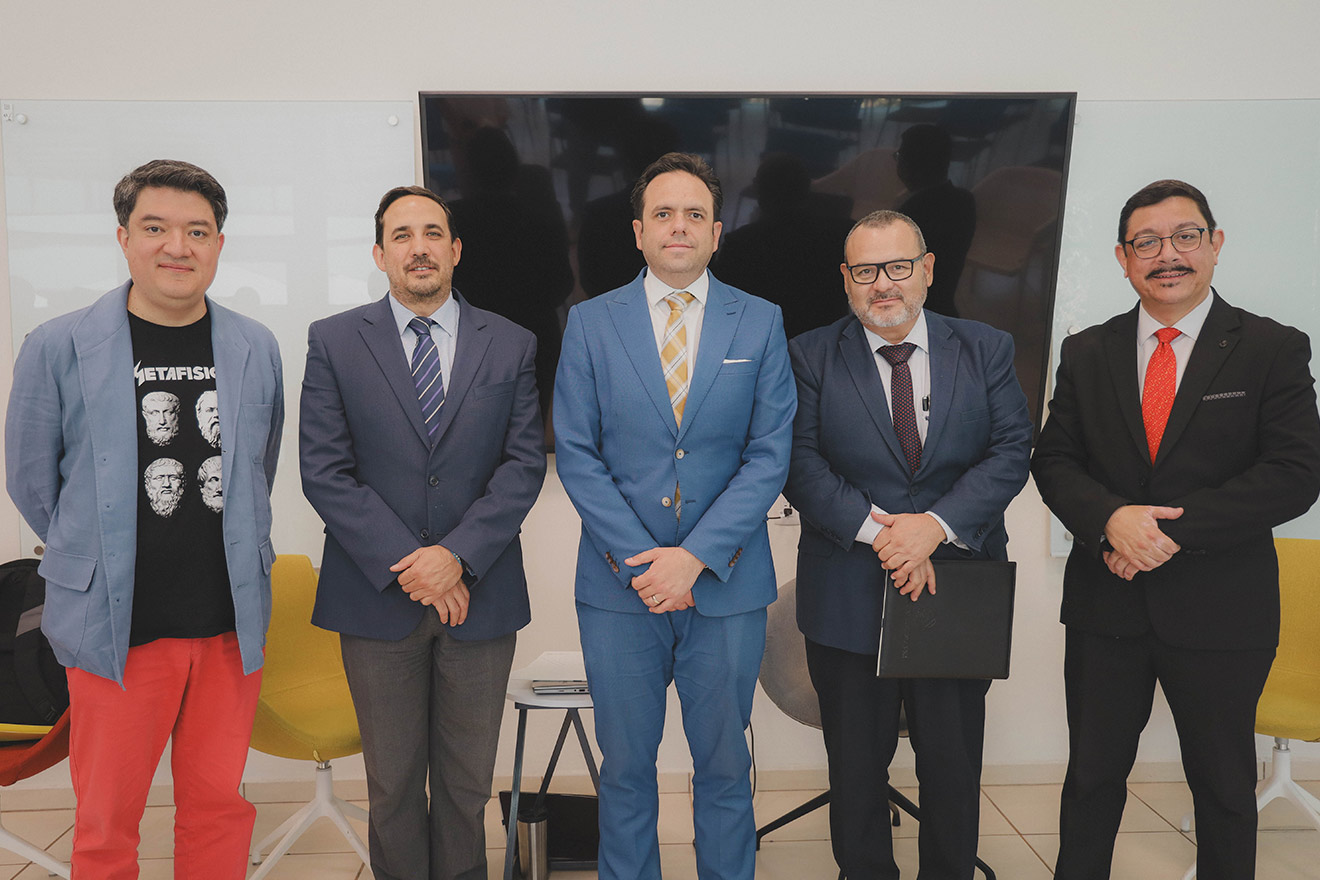
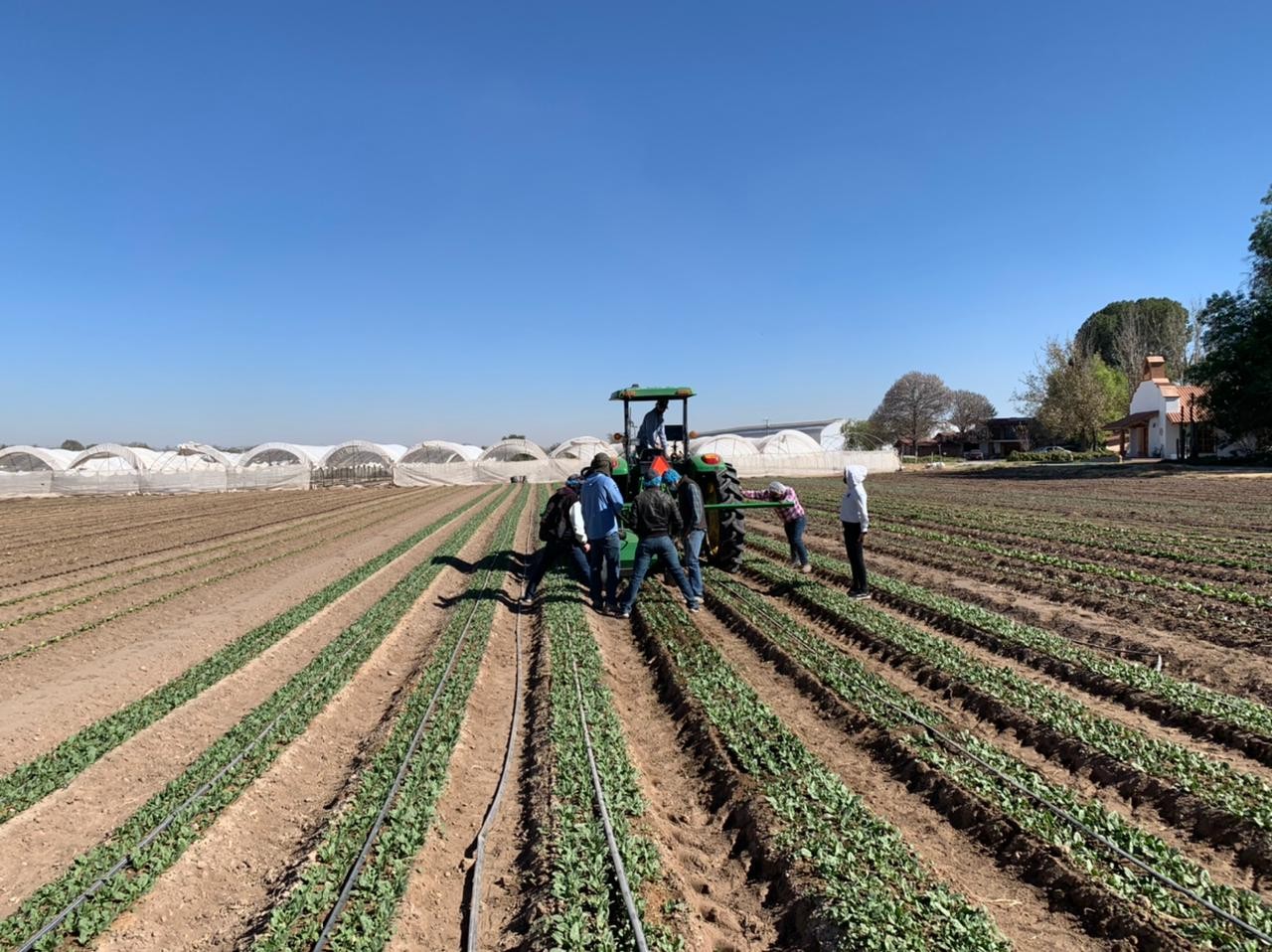
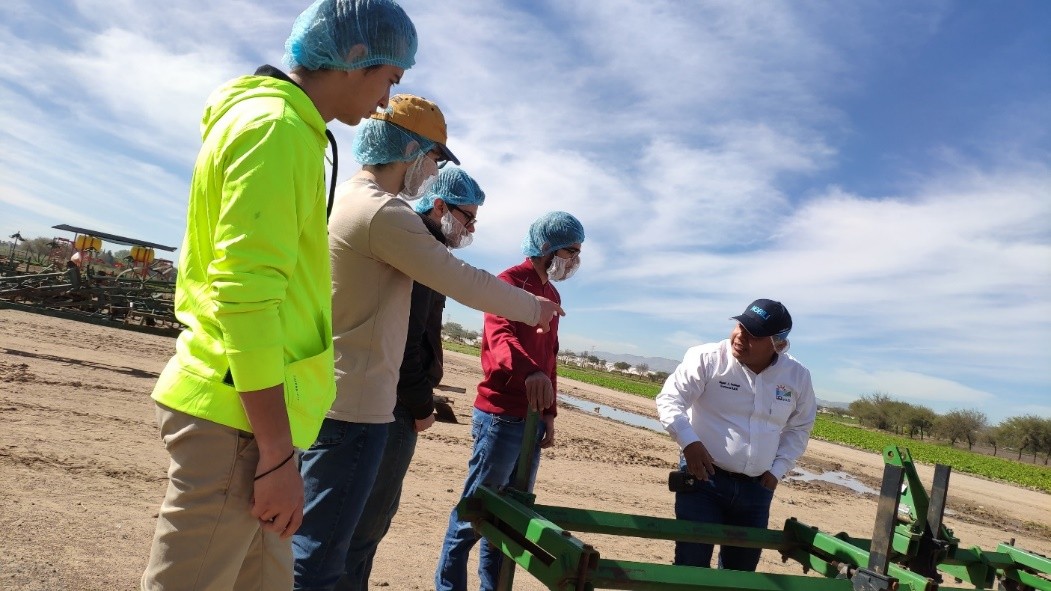
The Flexible Agricultural Weeder arose from a pressing need in the Mexican countryside. Its inventors—researchers Eduardo de la Vega Segura, Alfredo Pedroza Díaz, Edgar Jair Marín Calzada, and Miguel Ángel Santiago Martínez—identified a serious competitiveness issue.
“For crops such as spinach, carrots, and onions, domestic producers have opted for high-density planting—sowing seeds just 5 to 7 cm apart—to compete with the production volumes of countries like China and the United States,” the researchers explain.
However, this practice posed a major challenge: the weeds growing alongside the crop must be removed at a critical time, and conventional machinery, which requires at least 21 cm of clearance, cannot enter the field without damaging the plants.
“That is why, in our country, these crops are still being weeded (believe it or not) by hand. People spend their days bent over the furrows, using knives or spoons. In the spirit of the Universidad Panamericana, we believe this activity is inhumane,” they state with conviction.
Faced with this challenge, the team developed a machine whose core consists of a hydraulic system and cutting discs with unique “flexibility.” “The discs can adjust their position to accommodate the varying distances between crop rows, moving precisely to remove weeds without damaging the plants,”, they explain.
This adaptability was key to passing the IMPI’s substantive examination, during which it was successfully argued that, unlike previous patents, the invention was not obvious due to its adaptable cutting system and the ability to adjust the depth.
Validation in a real-world setting was crucial. “We received feedback on virtually every aspect: from switching from a belt drive to a chain drive, to optimizing the speed of the discs and the cutting depth, discovering that it’s not necessary to completely remove the grass, but rather to damage it so that it dies,” the team shared.
Technology that thinks and cares like a mother
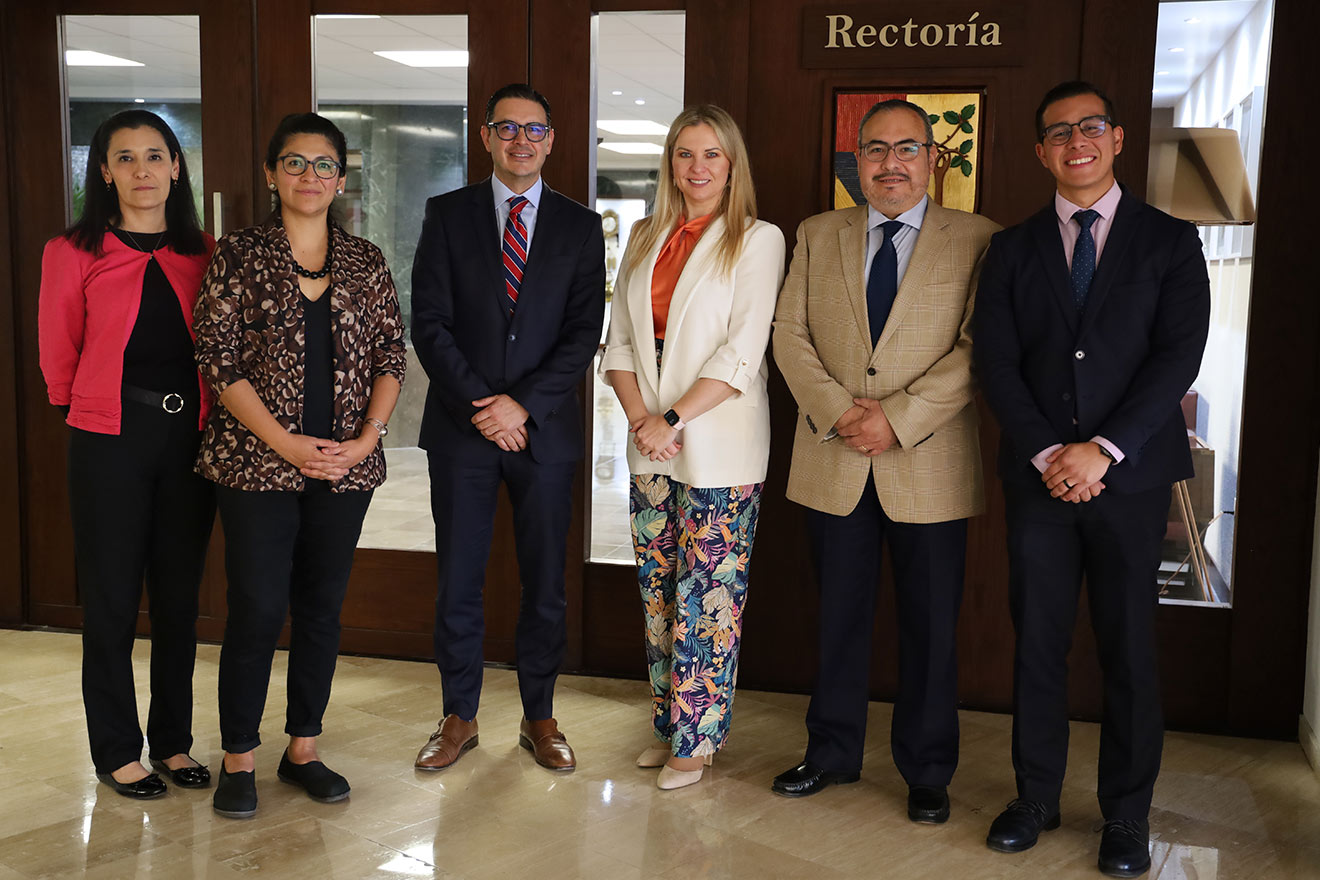
At the other end of the innovation spectrum is the Artificial Nest for Puppy Protection, a creation by Carolina del Valle Soto, Leonardo de Jesús Valdivia Parga, and Luis Alberto Rosa Sierra, researchers at the Guadalajara campus.
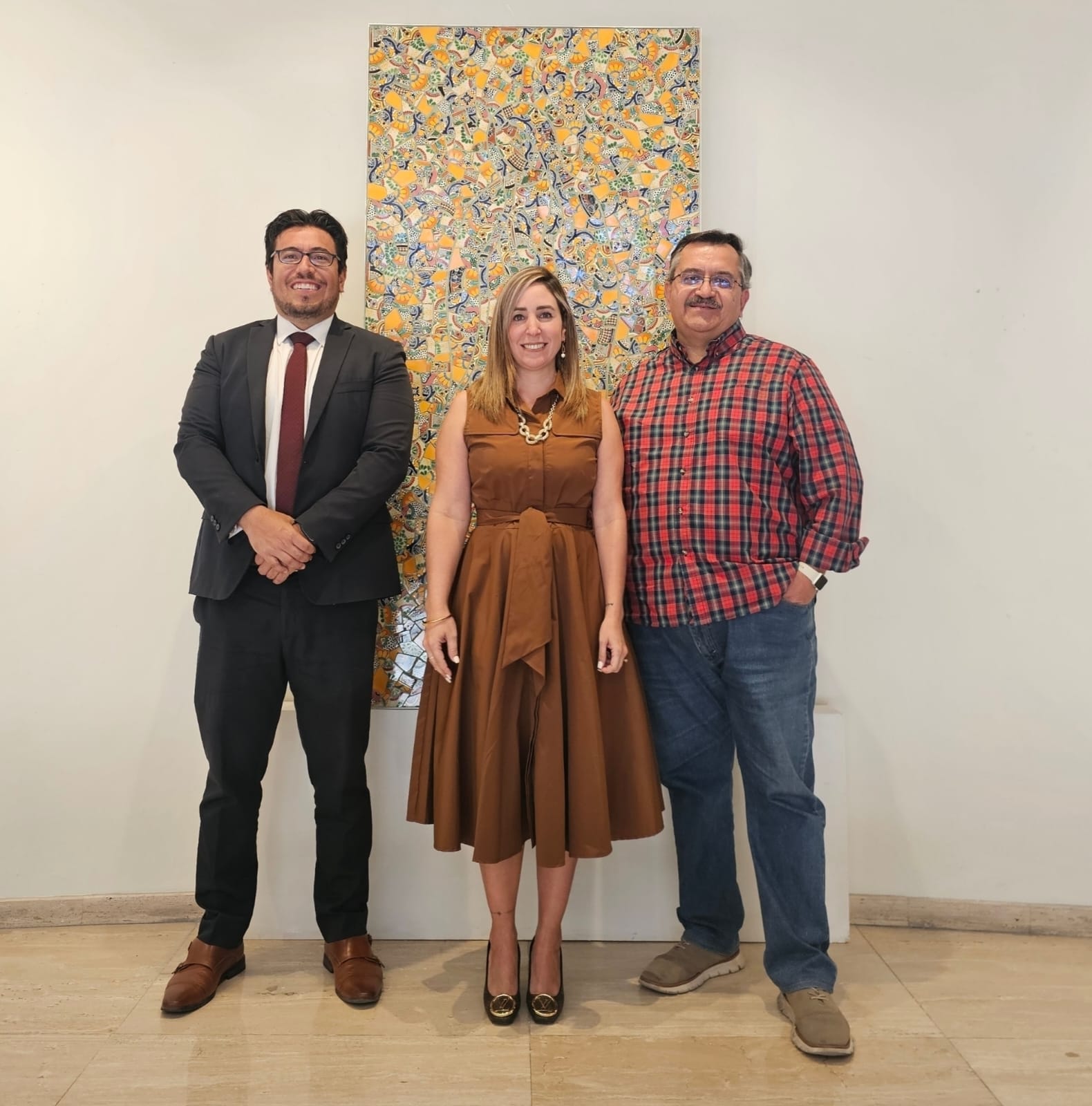
This device is much more than an incubator; it is a comprehensive neonatal care system that combines electronics, sensors, software and veterinary expertise. “This invention was born from the creative clash of minds from completely different worlds,”, say the inventors.
“The real challenge was to translate the languages of engineers, veterinarians, and designers into a single machine that would think and care like a dog mother,”, they add.
The system not only controls temperature with an accuracy of ±0.3 °C—comparable to professional medical equipment—but also automates feeding and hydration and, most innovatively, collects and analyzes data in real time.
“It tracks vital signs such as weight, body temperature, and feeding rate. If the puppy isn’t gaining weight as expected, the system can automatically adjust the amount or frequency of feeding, taking action before the puppy is at risk,” they explain.
The technical challenges were significant, ranging from ensuring the sensors’ reliability in the face of humidity and movement to designing a user interface that was as simple as it was robust. “We designed a sealed housing where the cables are protected inside hidden channels,” they say of their efforts to create a durable device.
Although it was designed for puppies, its creators envision a broader future. “The same principle of sensing, control, and automatic response could be applied to other species—from pigs to wild animals in rehabilitation—and even explored in other sectors, ” they say.
UP's Innovation Strategy: From the Lab to the Market
Through its Corporate Directorate of Innovation and Technology Transfer, led byDr. Juan Alberto Gonzales Piñón, the National Institute of Technology and Higher Education ( Universidad Panamericana ) is promoting a comprehensive model to bring its innovations to the productive sector.
“The scientific output of our researchers is continuously evaluated in light of opportunities in the industry to ensure that university research translates into innovation with a real impact,”, said Dr. Gonzales Piñón.
For both inventions, the specific steps include:
- Engagement with the industrial sector:establish partnerships with manufacturers interested in the prototype.
- Licensing:Design business models with exclusive or non-exclusive licensing arrangements.
- Training:Implement training programs for manufacturers and distributors.
- Scaling:Implement an industrial validation plan that includes cost analysis and return on investment.
These mechanisms, which also include technical assistance contracts and joint development agreements, are the way to foster more university-industry partnerships.
Innovation with a Purpose
The granting of these two patents solidifies the National Institute of Technology and Science ( Universidad Panamericana ) as a place where in-depth knowledge and creativity come together to provide innovative solutions to real-world problems, reaffirming its mission to be a source of economic and social progress for Mexico.
Learn more about the research projects at the Universidad Panamericana : https://www.up.edu.mx/investigacion-noticias/