Mexico City, September 10, 2025.— With the aim of fostering an ethical, transparent, and participatory dialogue on the contemporary challenges of political communication, the Communication and Government and Economics graduate programs at the Universidad Panamericana held the2025 Political Communication Forum.
The event brought together academics, experts, diplomats, and students, who discussed disinformation, polarization, civic engagement, and the impact of the international context on current politics.
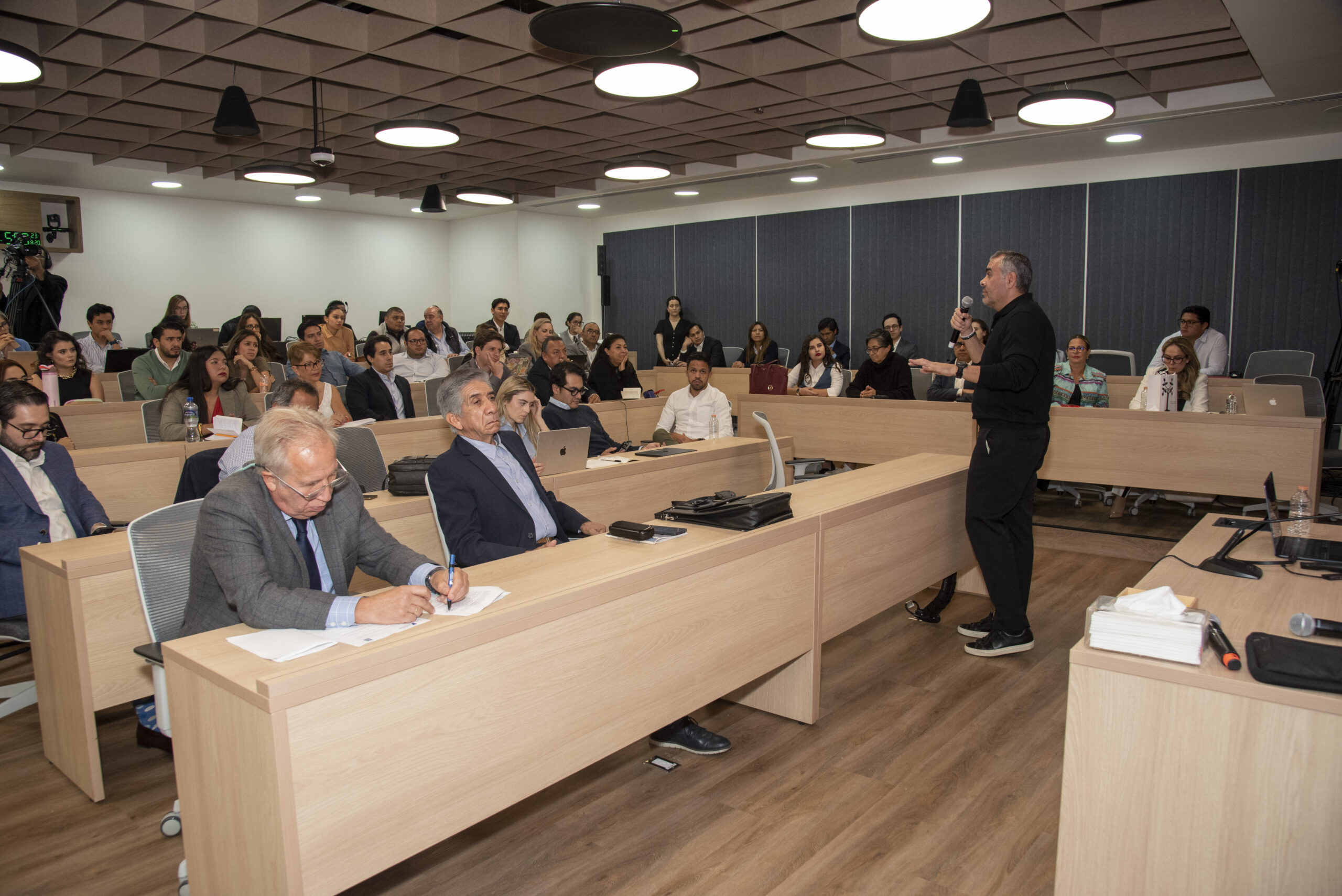
A forum featuring expert voices
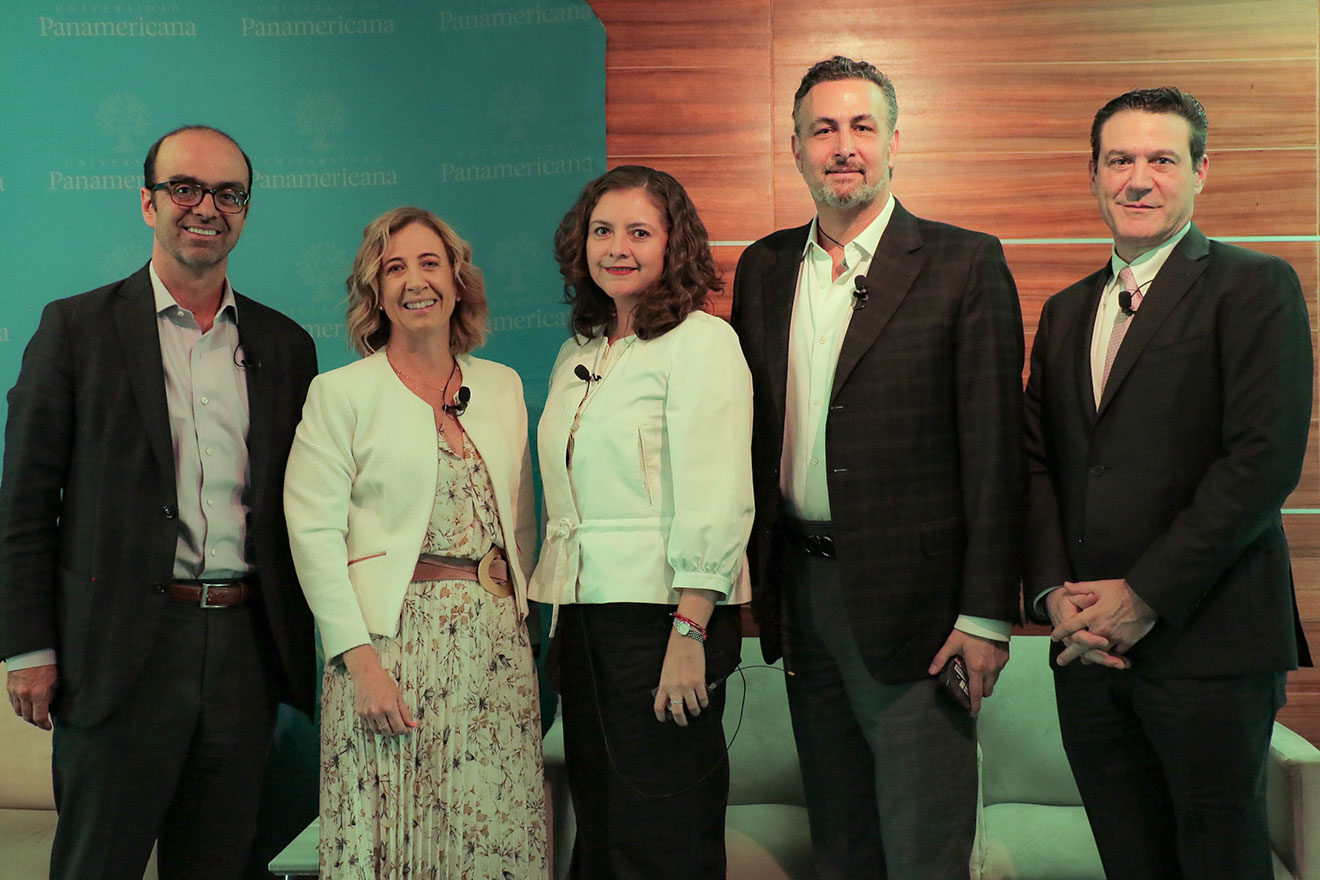
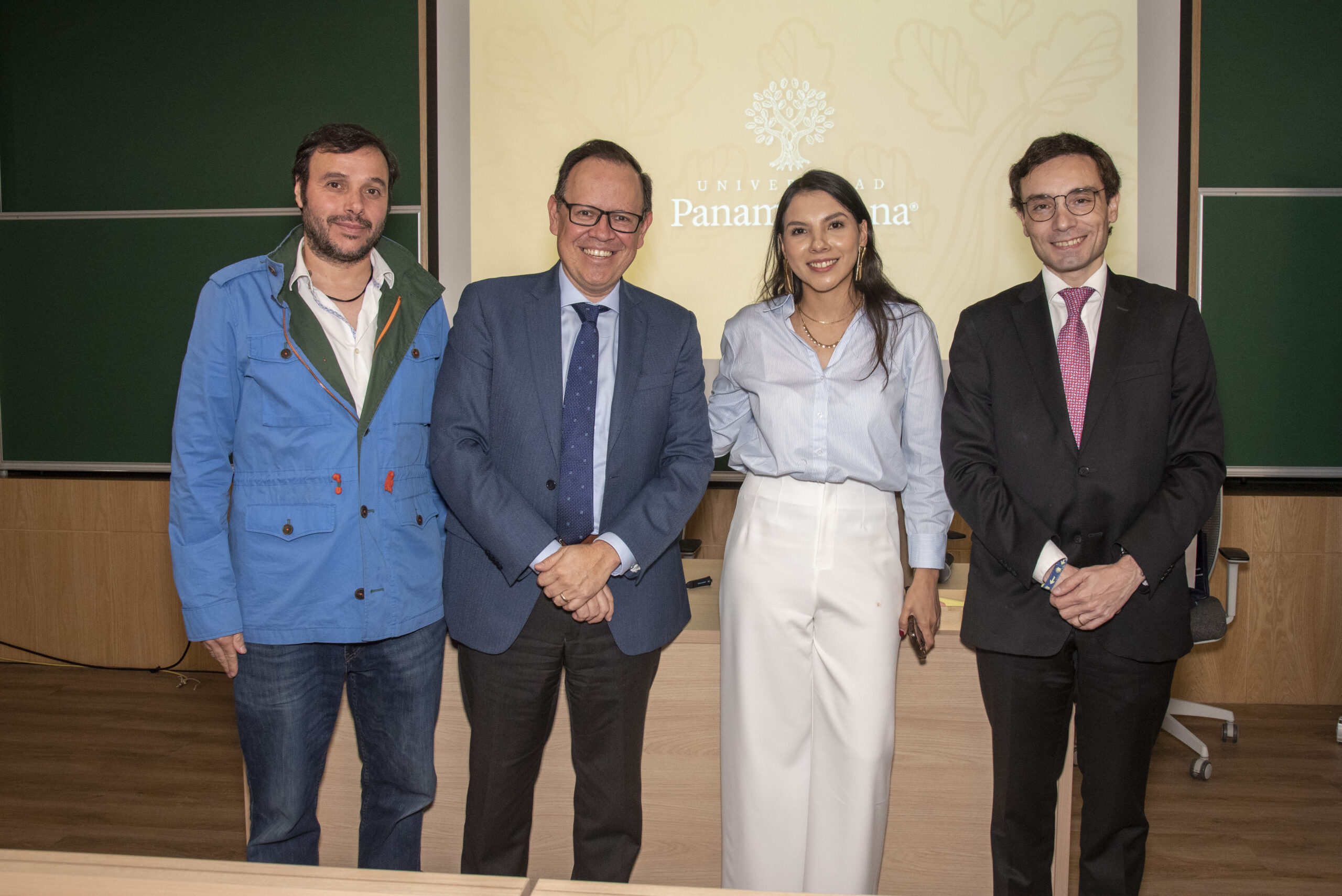
The event, held on the Mexico City campus, featured lectures, panel discussions, and opportunities for open dialogue. Notable speakers included Sergio Torres Ávila, a political communications strategist; Carlos Gutiérrez, a political scientist; María Fernanda Ochoa, a political scientist; Fernando Rodríguez Doval, a political scientist and politician; and José Ignacio Piña Rojas, who has served as Mexico’s ambassador to Brazil, Panama, the Dominican Republic, Cuba, Peru, and El Salvador.
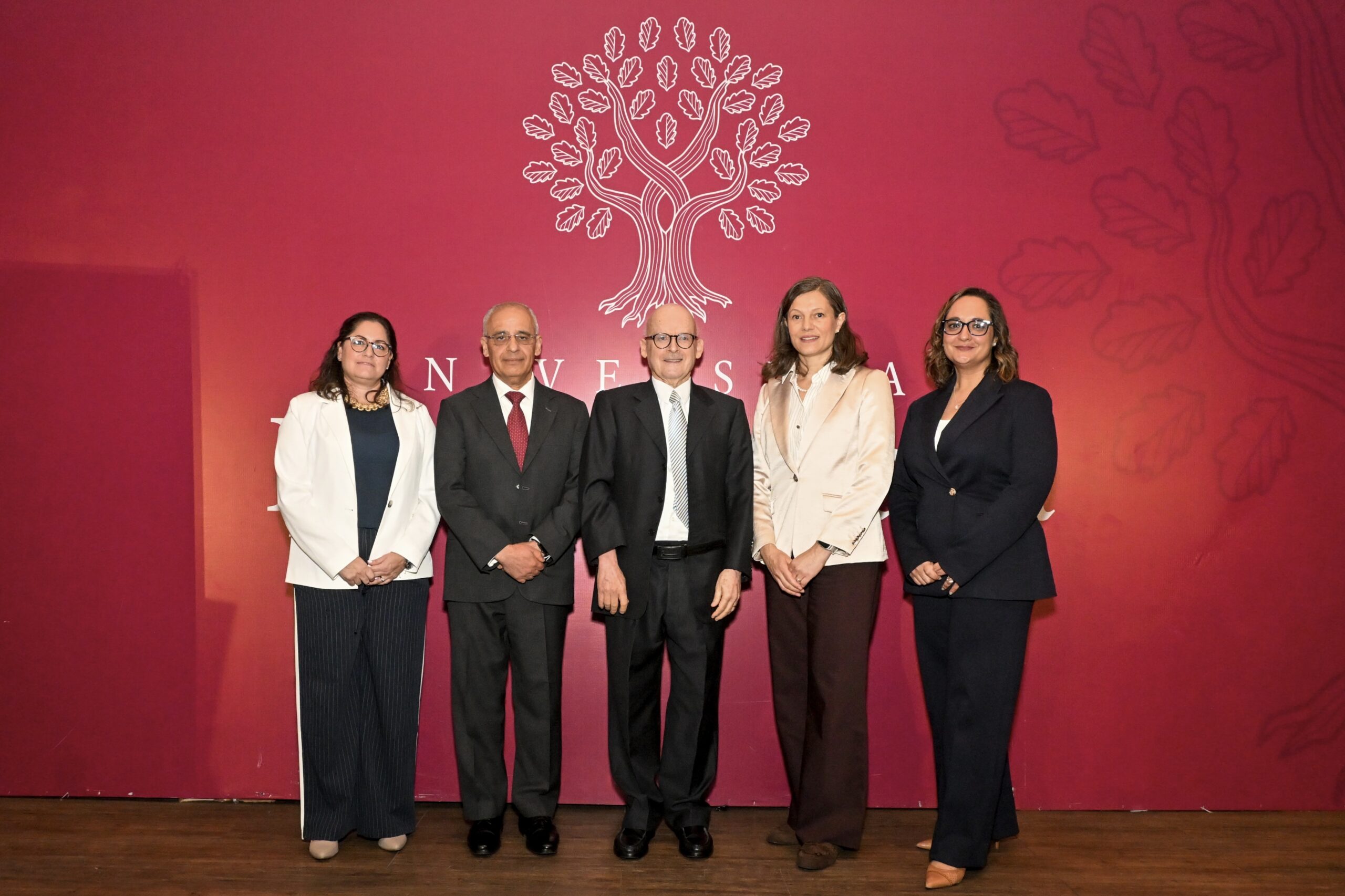
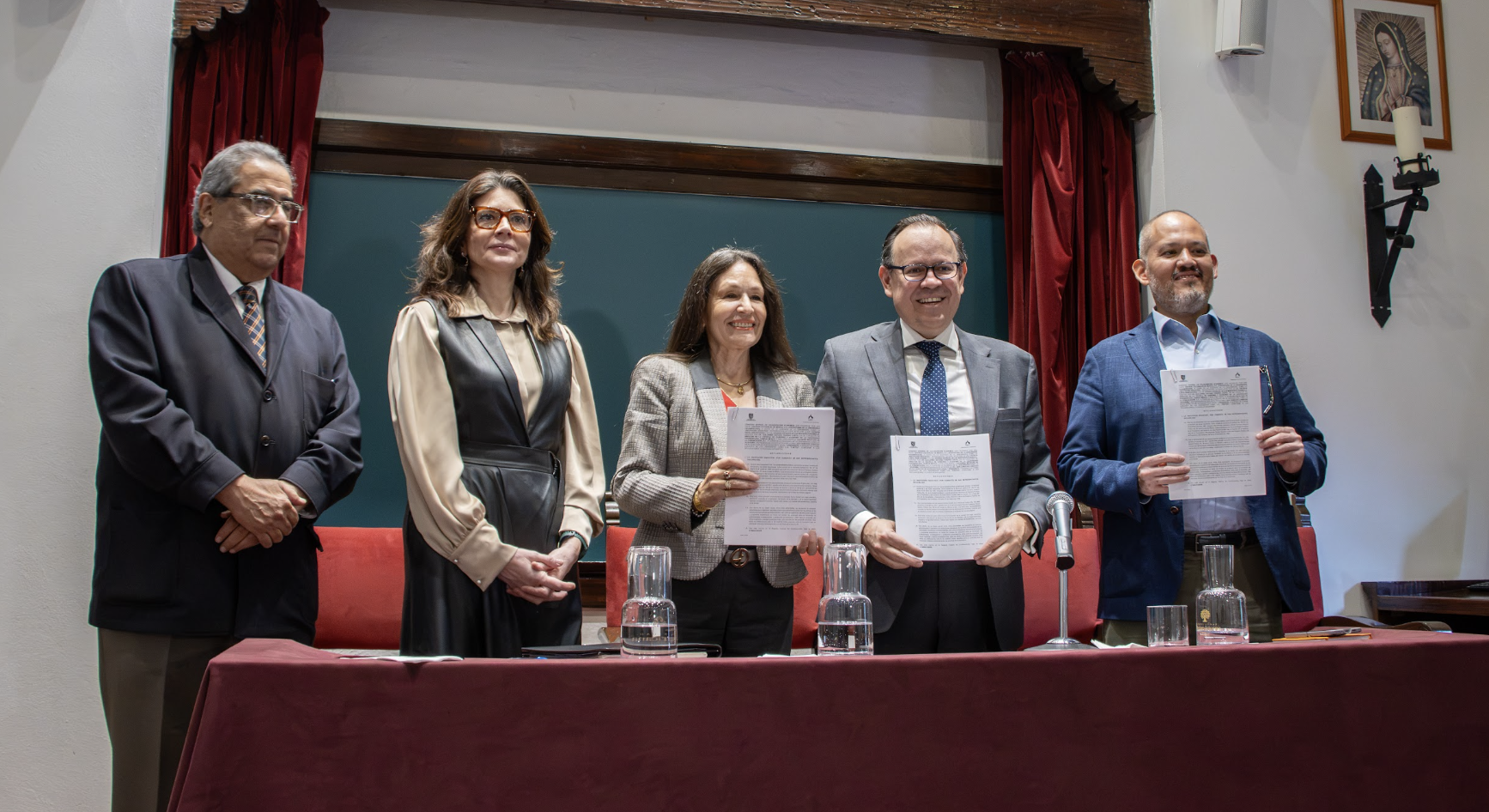
During the opening ceremony, led by representatives of the Konrad Adenauer Foundation (KAS Mexico) and officials from the National Institute for Democratic Governance ( Universidad Panamericana), the importance of creating spaces for critical reflection to strengthen democratic culture was highlighted.
Conference: Citizenship on Hold: How Can We Rebuild Civic Participation?
At the conference titled “Citizenship on Hold: How Can We Rebuild Civic Participation?” Sergio Torres Ávila opened the discussion on what he called the “digital mirage”. “We confuse visibility with impact, noise with power, ‘likes’ with commitment. We post our outrage; we share stories of injustice. This is what we’ve become. In other words, it’s a digital mirage, ” he said.
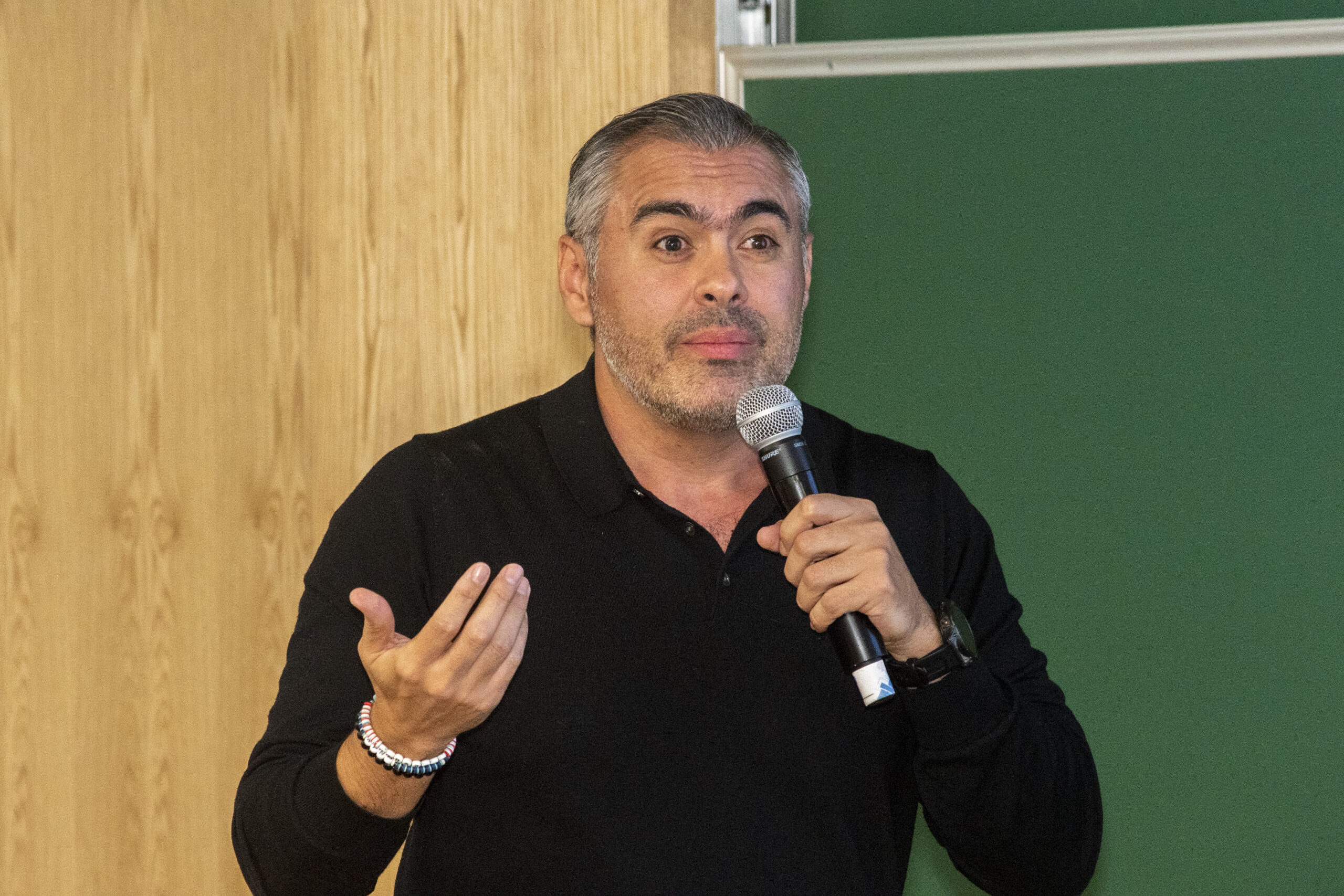
He warned about the paradox of hyperconnectivity:“In an era when we’re more connected than ever, we’ve become indifferent to suffering—to everything. People are dying here, people are dying there. Who’s committing the abuse? There’s other data on that. They say nothing’s happening. Are we outraged? It’s just another day-to-day occurrence.”
In light of this situation, Torres issued a strong call to action: “Getting involved is the only way to bring about change. It is human nature. If we don’t do something about it, no one is going to change it for us. These are the natural processes of humanity.”
He highlighted historical and current examples that demonstrate how organized participation can bring about real and meaningful change. He cited the global movement against systemic racism:“Multiple police laws were changed in the United States. Police officers are in jail. In other words, social pressure and community participation—what did they achieve? Radical changes in police behavior.”.
In the case of Mexico, she highlighted the vital role of the Madres Buscadoras:“They brought the problem to light and took the initiative to search for their children because the government was not doing so. They turned their pain into a movement that spurred citizen participation and, less than a month ago, secured the passage of the law on missing persons.”
Torres concluded his remarks with a clear message:“It’s not about saving the whole world. It’s about not giving in to indifference. So the next time you tell someone to do something, make sure it’s you.”
Are We Divided? Communication in Times of Polarization
This was followed by a discussion titled “Are We Divided? Communication in Times of Polarization, moderated by Dr. Guillermo Tenorio, dean of the School of Government and Economics.
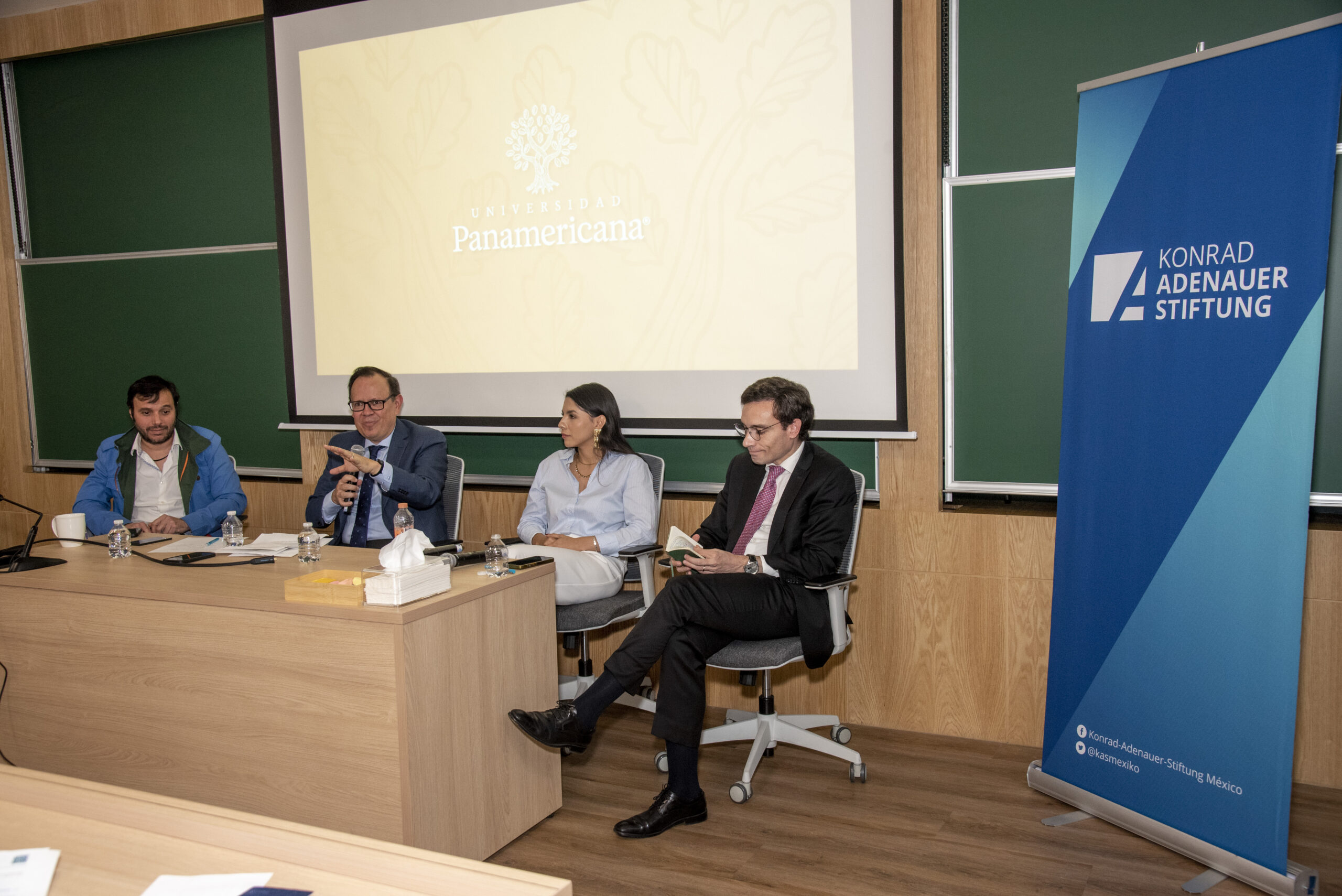
Carlos Gutiérrez, María Fernanda Ochoa, and Fernando Rodríguez Doval participated in this discussion, and they all agreed that polarization is one of the greatest challenges facing democracy today.
María Fernanda Ochoa described the situation in Mexico:“We’re living in a highly polarized climate, but I also want to make it clear that we’re an extremely diverse country, with vastly different ways of thinking (…) Perhaps the polarization we’re experiencing right now is much more intense, much more stark, because there are two main narratives.”
Fernando Rodríguez Doval added a global perspective:“Polarization is something that is happening all over the world; it is not a phenomenon exclusive to Mexico,” but he highlighted a particularly troubling factor in the Mexican case: “In Mexico, we have indeed experienced a very concrete and specific form of polarization stemming from the fact that, for seven years, the government has, every morning, drawn distinctions among Mexicans”.
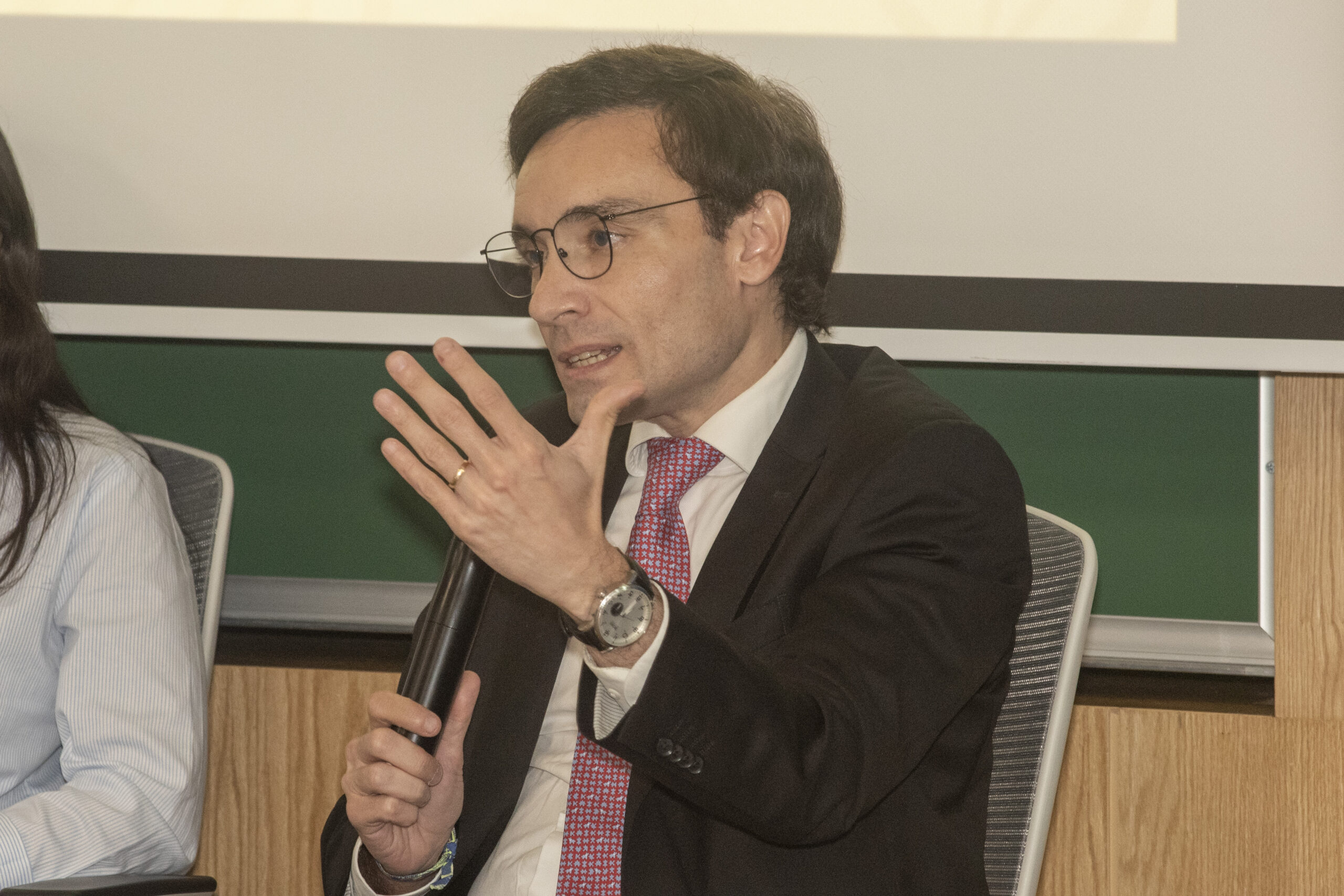
Carlos Gutiérrez analyzed the role of social media in this phenomenon: “The algorithms show you exactly what you want to see—the narrative you engage with. What the algorithm does is mold itself to your way of thinking, so of course that creates polarization”. He also warned about the mechanisms of these platforms:“What they’re after is user retention—not just likes. It’s about how long they can keep you engaged on their platforms.”
Regarding the consequences of polarization, Rodríguez Doval was unequivocal:“It undermines the quality of democracy (…) it breeds irresponsible politicians and populist politicians who resort to the easy way out and simplistic solutions.”
Faced with this situation, the experts proposed ways to rebuild dialogue. Ochoa emphasized:“What we can do is start building from a place of disagreement.” Gutiérrez called for digital literacy and concrete civic action:“Let’s educate people. Let’s teach them to truly understand that technology is a tool.”
How Can We Communicate in a Turbulent World?
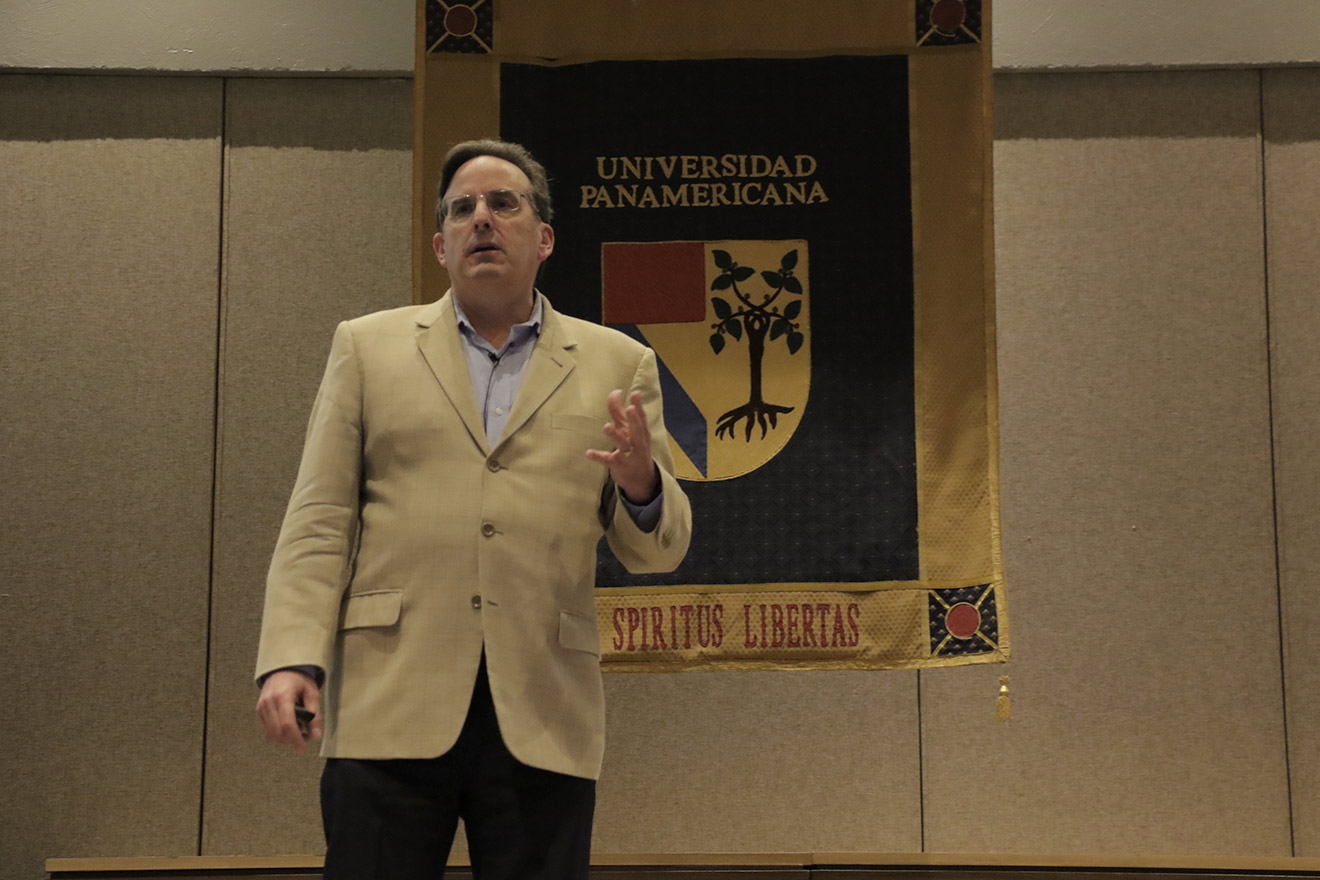
Ambassador José Ignacio Piña Rojas closed the forum with an in-depth lecture titled "How to Communicate in a Turbulent World?", in which he analyzed the current international landscape from a diplomatic perspective.
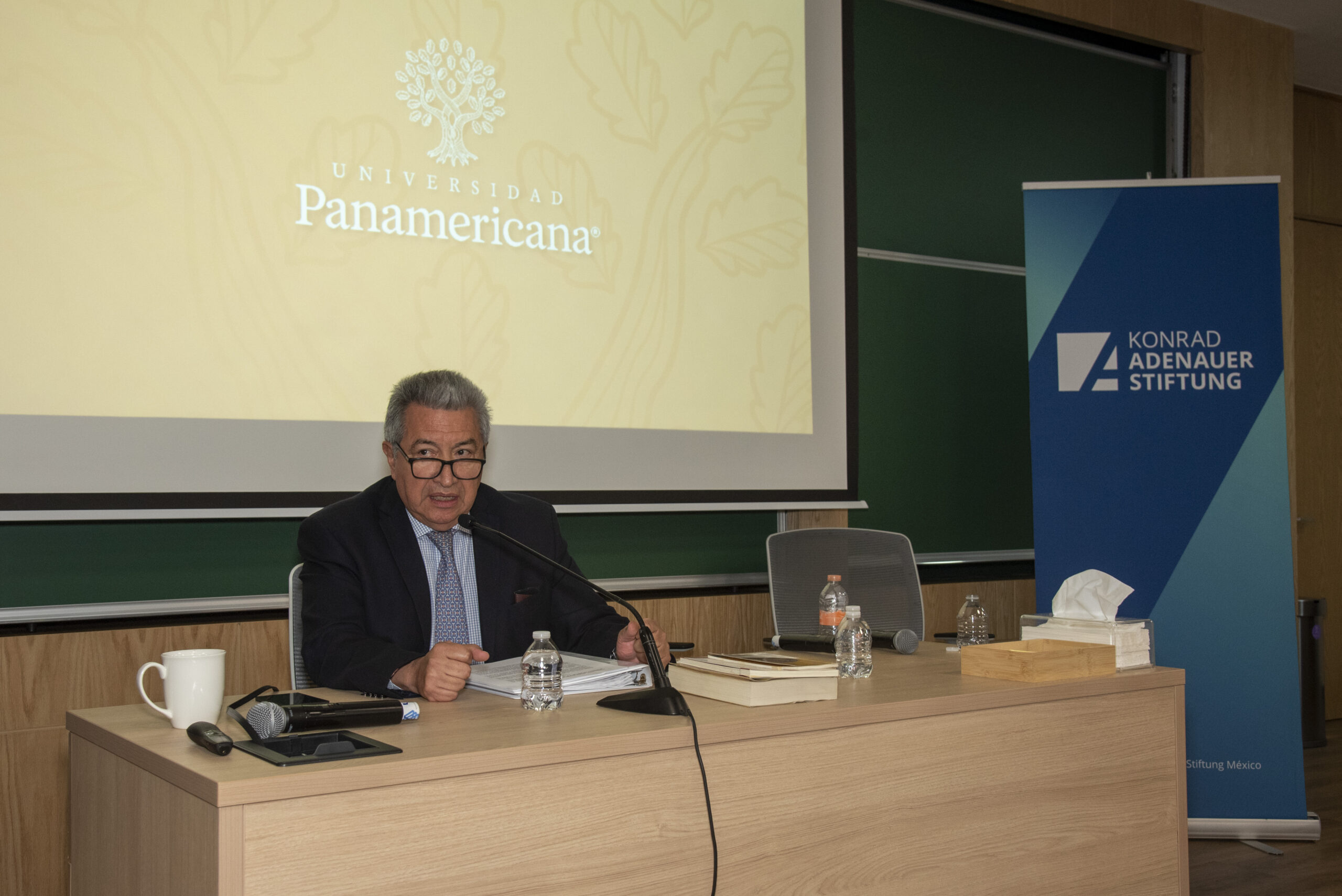
In it, he described a complex global landscape: “We are perhaps experiencing the most dangerous moment since 1945, at the end of World War II”. He specifically analyzed Donald Trump’s foreign policy and his “America First” agenda, noting that“The foreign policy Trump has pursued so far is blackmailing and coercive, based primarily on the arbitrary imposition of tariffs.”
For Latin America, the ambassador painted a troubling picture:“Unfortunately, Latin America continues to be characterized by three serious structural problems. First, its low economic growth. Second, high inequality and persistent poverty. And third, institutional fragility and weak governance.”
In light of these challenges, Piña Rojas highlighted the crucial role of diplomacy: “Diplomacy is an essential component of international relations and serves as the primary means through which states and other global actors interact peacefully and constructively”.
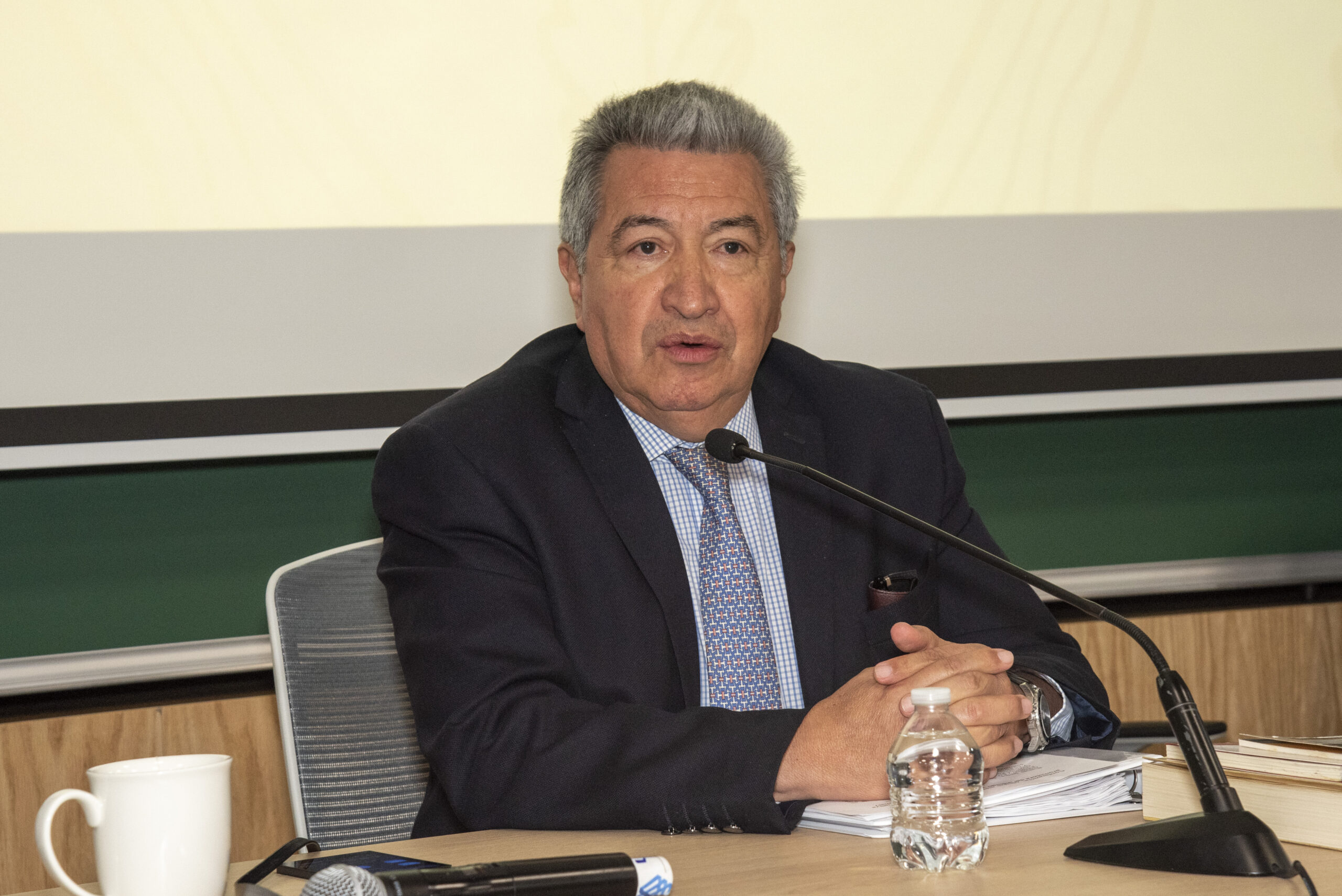
Finally, he emphasized the specific challenges facing our country: “Mexico is currently facing its greatest diplomatic challenge in recent decades”, particularly in its relations with the United States regarding trade, immigration, and security.
A Space for Critical Reflection
The 2025 Political Communication Forum reaffirmed the commitment of the National Institute of Political Communication ( Universidad Panamericana ) to critical analysis, citizen participation, and the development of ethical leaders.
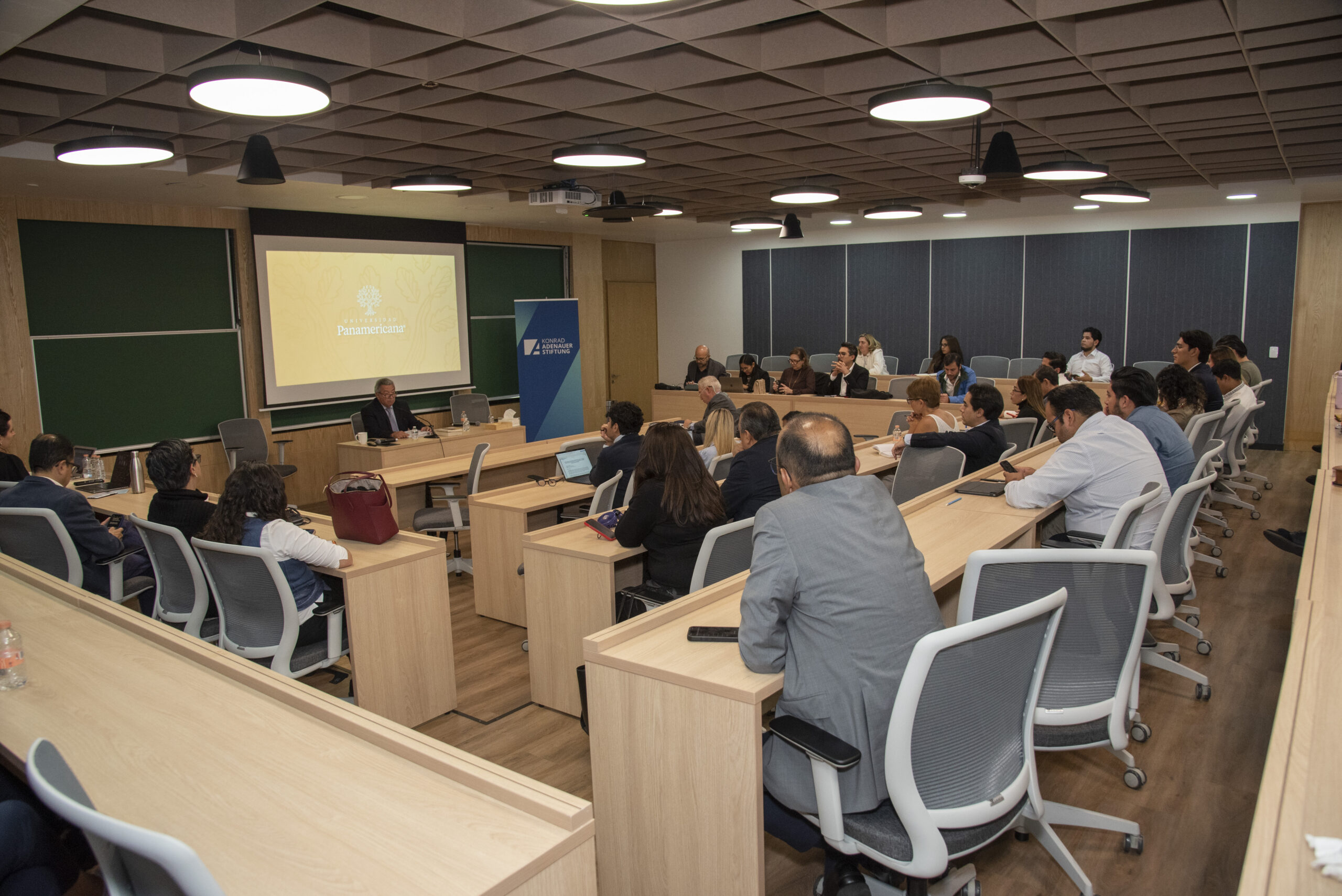
In a context marked by polarization and misinformation, the meeting demonstrated that informed and respectful dialogue is essential to strengthening democracy.
Learn more about Panamericana's graduate programs at: https://posgrados-panamericana.up.edu.mx/