Aguascalientes, Aguascalientes; June 24, 2026.— University sustainability is no longer limited to recycling or awareness campaigns. Today, universities with the greatest positive environmental impact incorporate strategies for the circular economy, energy efficiency, sustainable mobility, applied research, and academic programs aligned with the Sustainable Development Goals (SDGs).
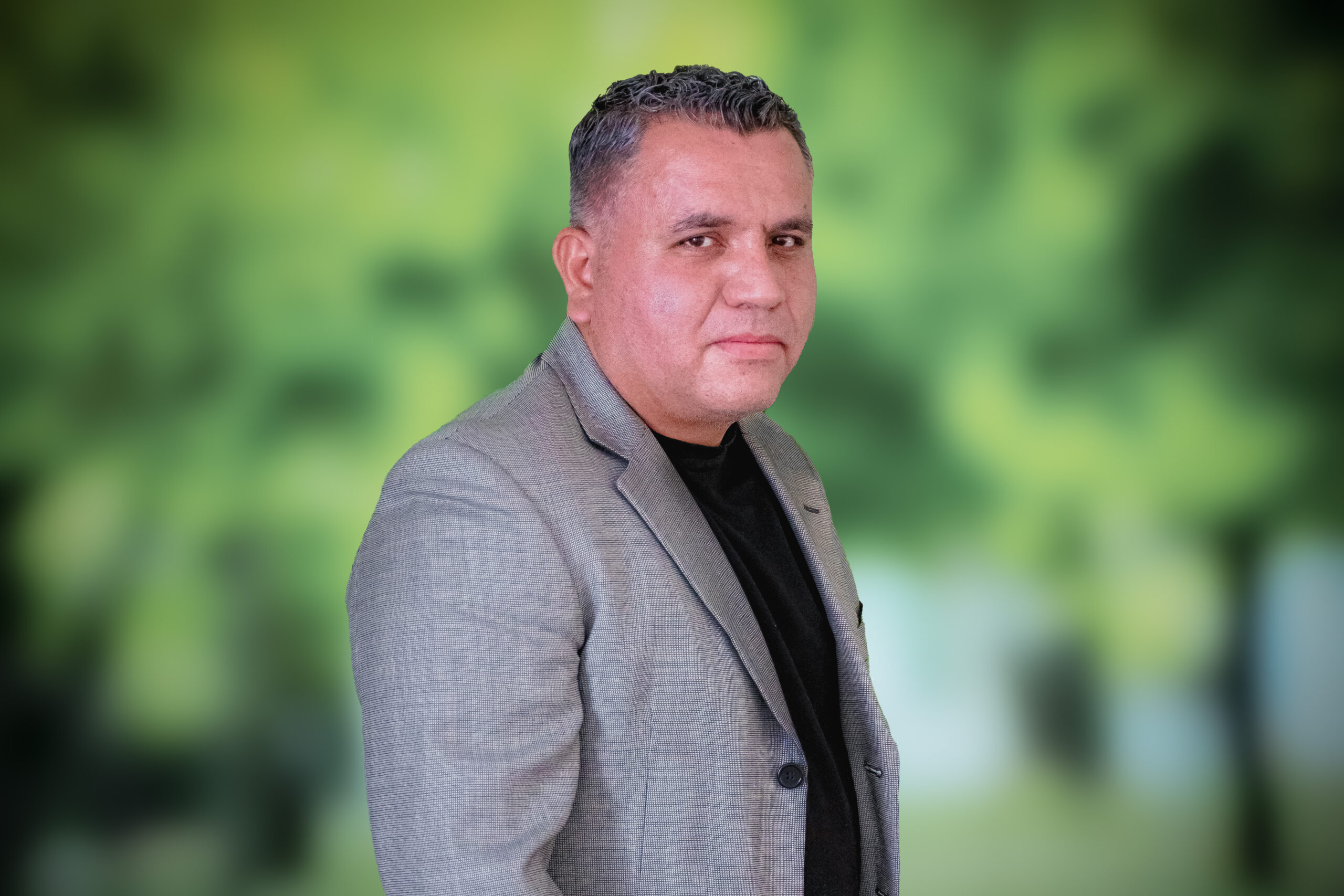
According to Marco Eliseo Rivera, M.A., a professor and researcher at the School of Economics and Business at the Universidad Panamericana ’s Aguascalientes campus, institutions of higher education play a strategic role in driving environmental change through the training of talent, the generation of knowledge, and collaboration with governments and industry.

What is university sustainability?
University sustainability involves incorporating environmental, social, and economic criteria into an educational institution’s operations, research, and academic programs.
Among the key initiatives are:
- Reduction in energy consumption.
- Efficient water management.
- Sustainable mobility.
- Circular economy.
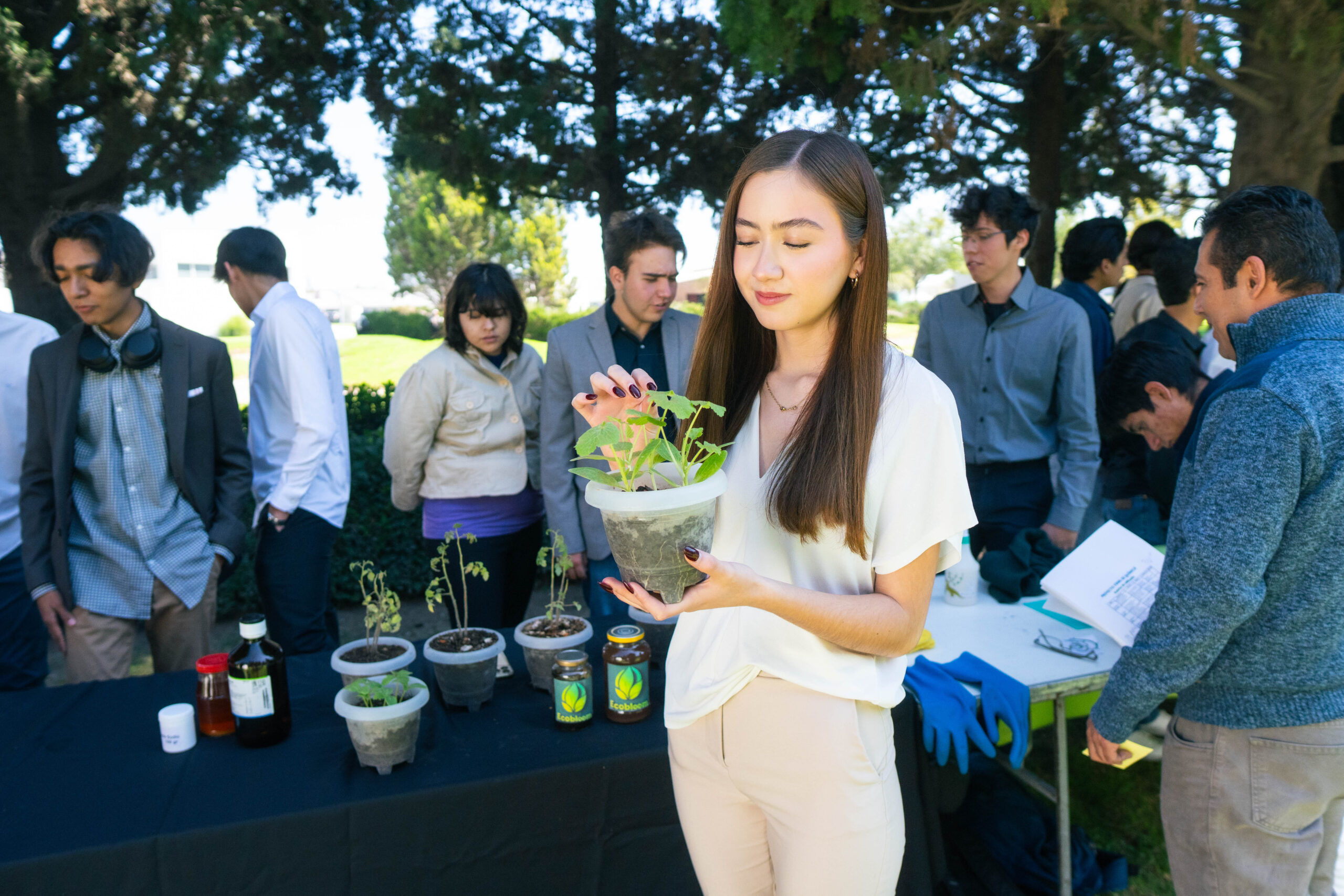
- Research aimed at solving environmental problems.
- Educating students with a focus on sustainability.
Why isn't recycling enough?
One of the most common misconceptions is that sustainability depends solely on recycling. According to a specialist from the Universidad Panamericana, the circular economy proposes a broader strategy based on actions such as:
- Rethinking processes.
- Reduce consumption.
- Reuse materials.
- Repair products.
- Remanufacture resources.
- Recycle only as a last resort.
This model helps reduce waste generation and make better use of available resources.
How does the " Universidad Panamericana " promote sustainability?
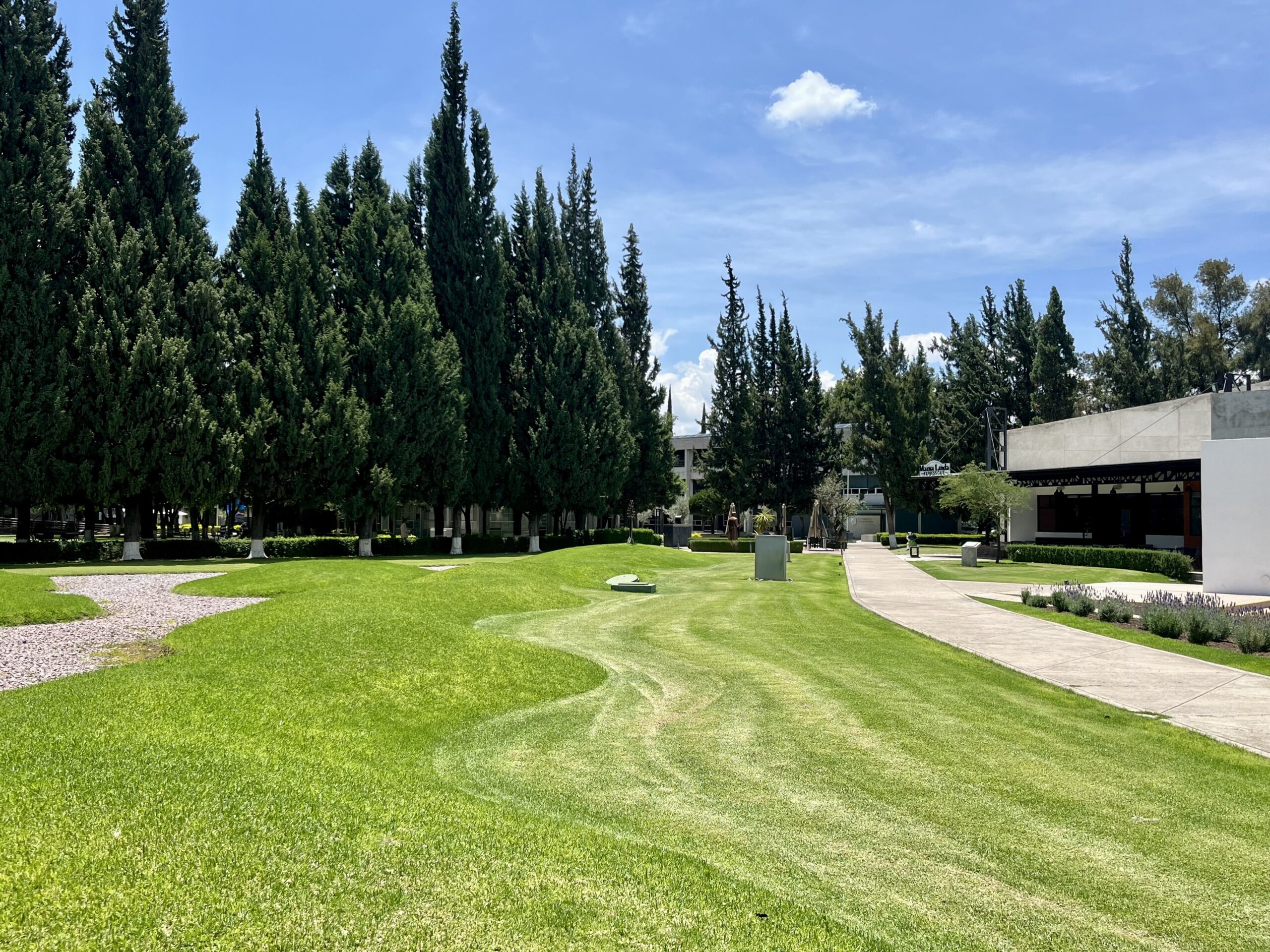
Universidad Panamericana promotes sustainability through concrete actions in infrastructure, energy efficiency, the circular economy, academic training, and applied research.
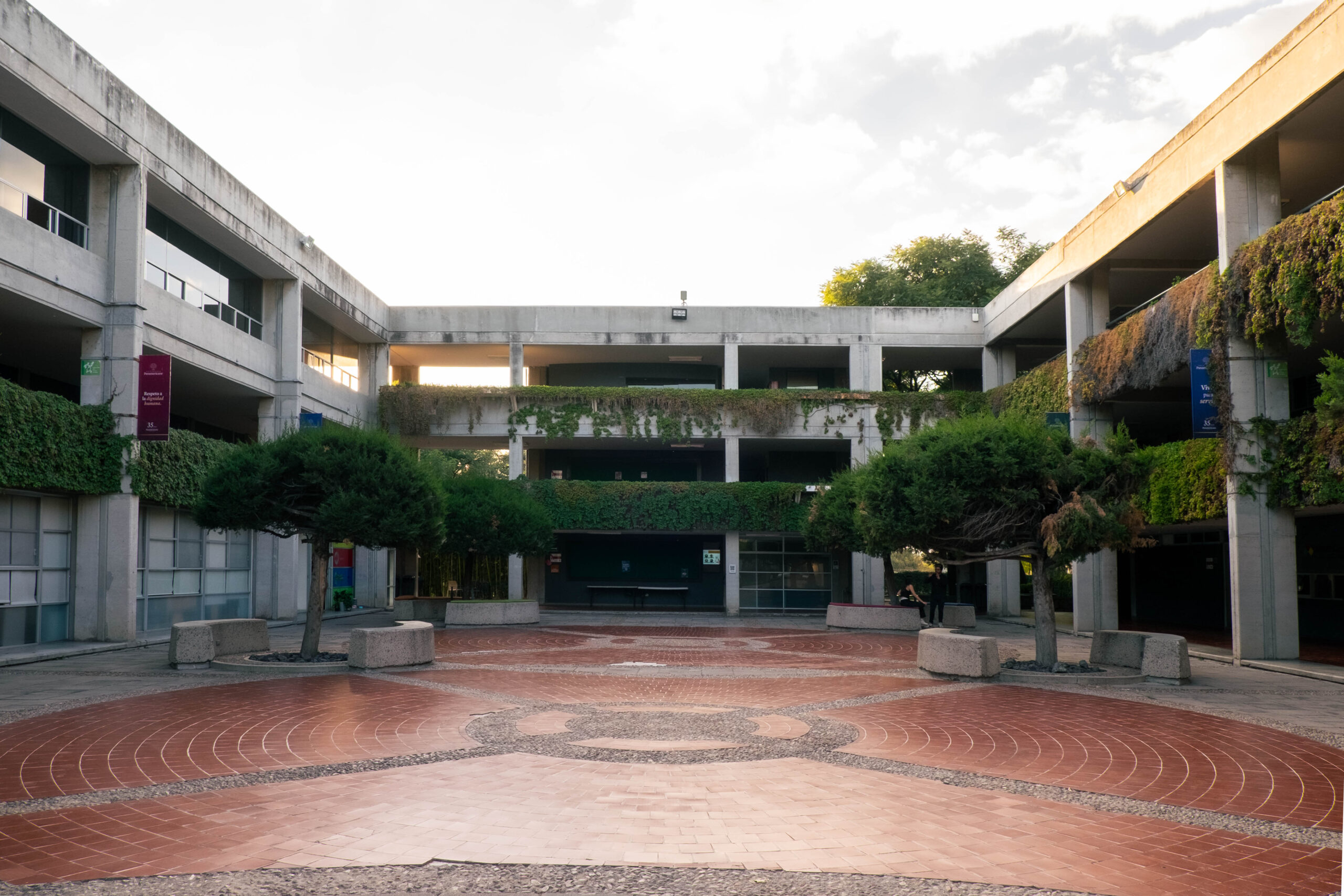
Currently, the Aguascalientes campus generates between 55% and 60% of its annual energy consumption through a system of 842 solar panels with a capacity of 352 kilowatts, as part of an institutional strategy to move toward a 100% clean energy supply.
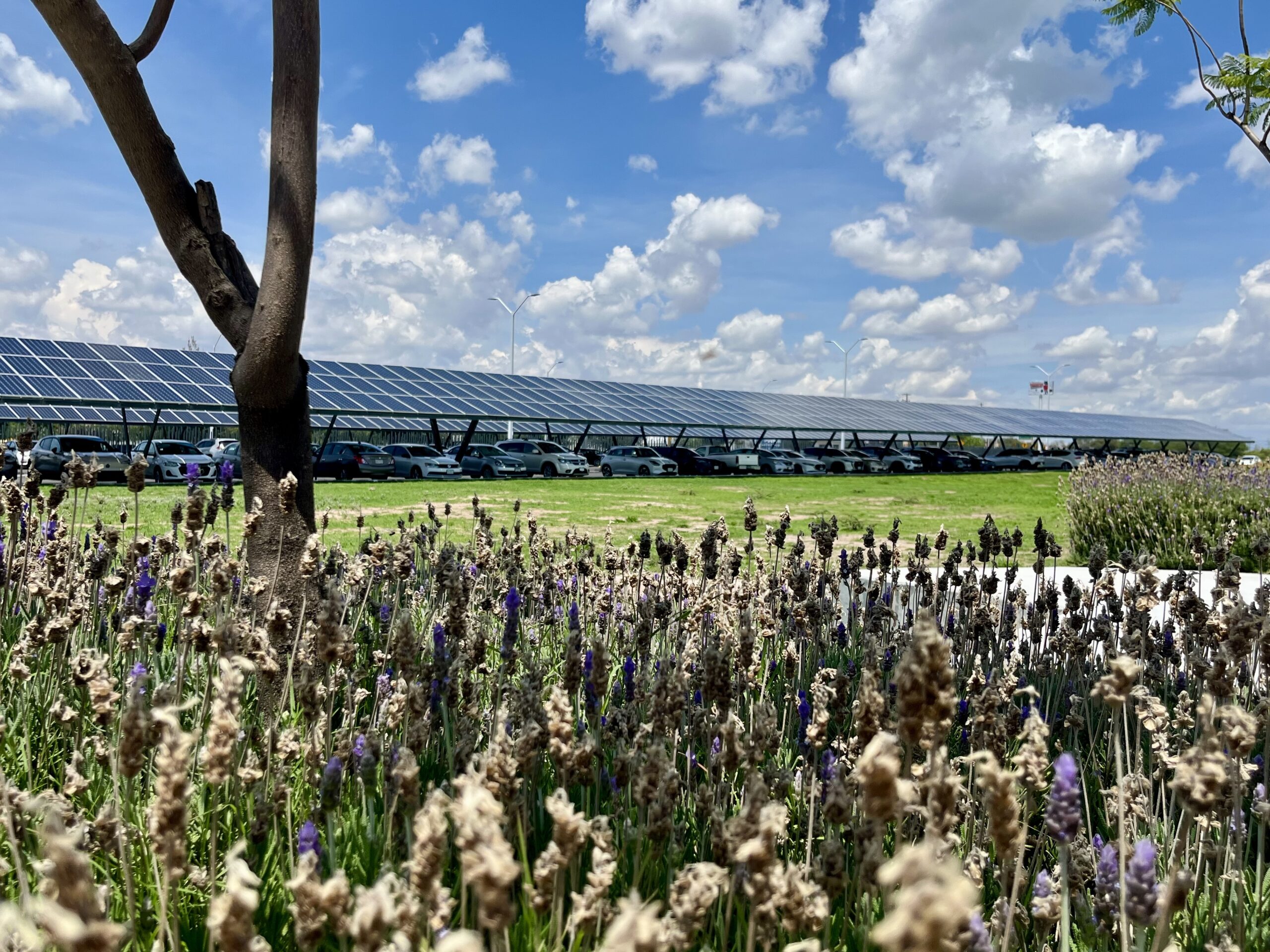
According to José Manuel Esparza Reyes, Director of Operations at the Aguascalientes campus, the university is working on a second phase that includes the installation of a new photovoltaic system on the roof of the Fundadores Building.
In addition, as part of its circular economy strategy, new specialized bins for waste separation have been installed at various locations across the campus.
Sustainability is also an integral part of academic education. According to Diego Larrondo Montalvo, M.A., director of Energy Technology Engineering, there are currently 113 courses and undergraduate and graduate programs that incorporate sustainability-related content across the campus’s six schools and colleges. This indicator reflects the extent to which the environmental agenda is integrated into students’ education.

Among the main initiatives carried out by the National Institute of Public Health ( Universidad Panamericana ) in the area of sustainability are the following:
- Optimizing Energy Consumption Through Renewable Infrastructure.
- Integrating sustainability content into academic programs.
- Support for research projects focused on sustainable development.
- Collaboration with public and private organizations to develop solutions that have a social and environmental impact.
How can universities influence public policy and sustainable mobility?
A university’s impact extends beyond its classrooms and campus. Through research, knowledge creation, and collaboration with various sectors, institutions of higher education can contribute to the development of public policies that help address environmental and urban challenges.
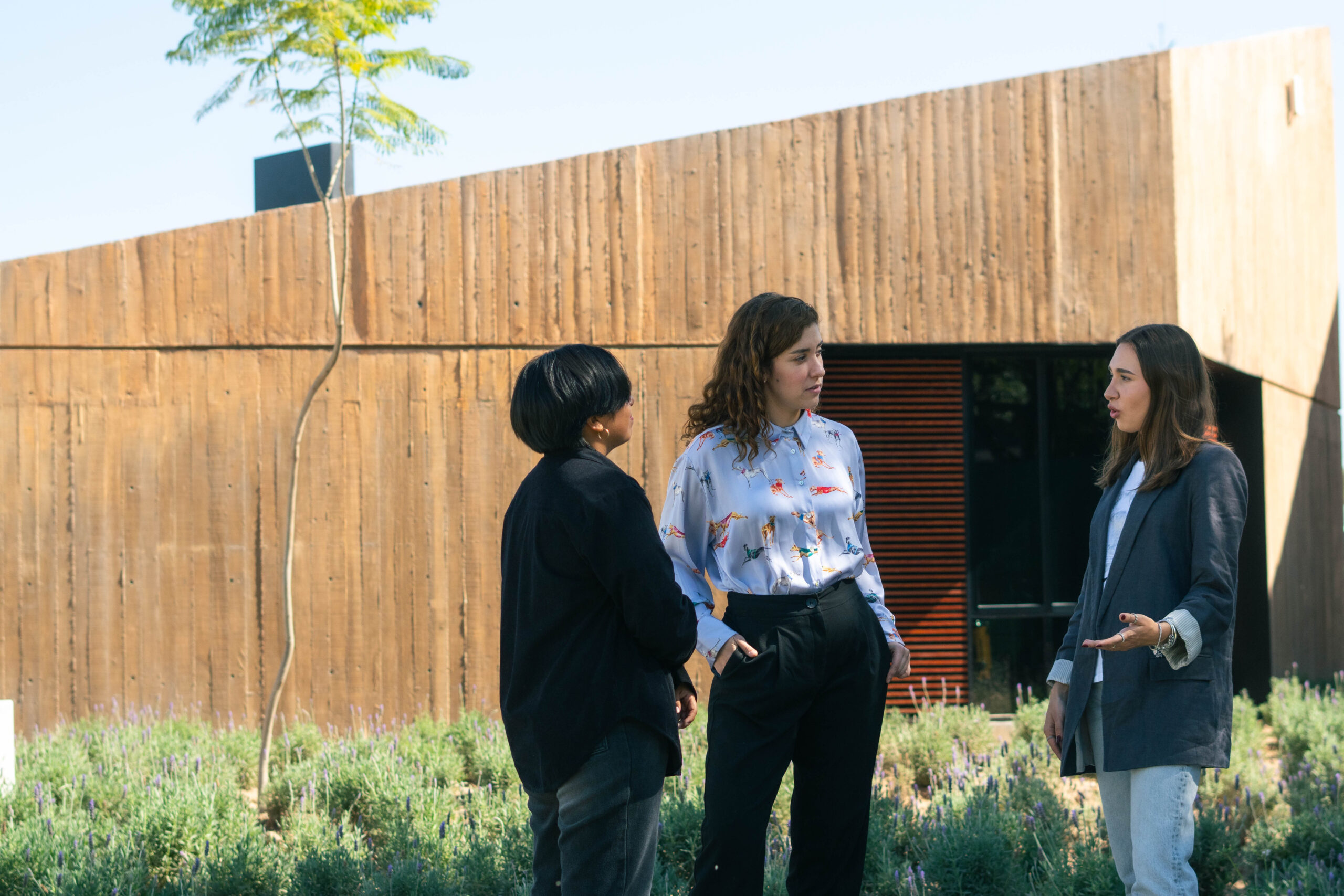
According to Marco Eliseo Rivera, universities have the capacity to generate scientific evidence that enables governments and industries to make more informed decisions on issues such as climate change, heat stress, green infrastructure, urban mobility, and sustainability.
Collaboration among academia, industry, and the public sector is key to developing solutions with social and environmental impact. In this model, universities not only train professionals but also serve as sources of knowledge and proposals to improve the quality of life in communities.
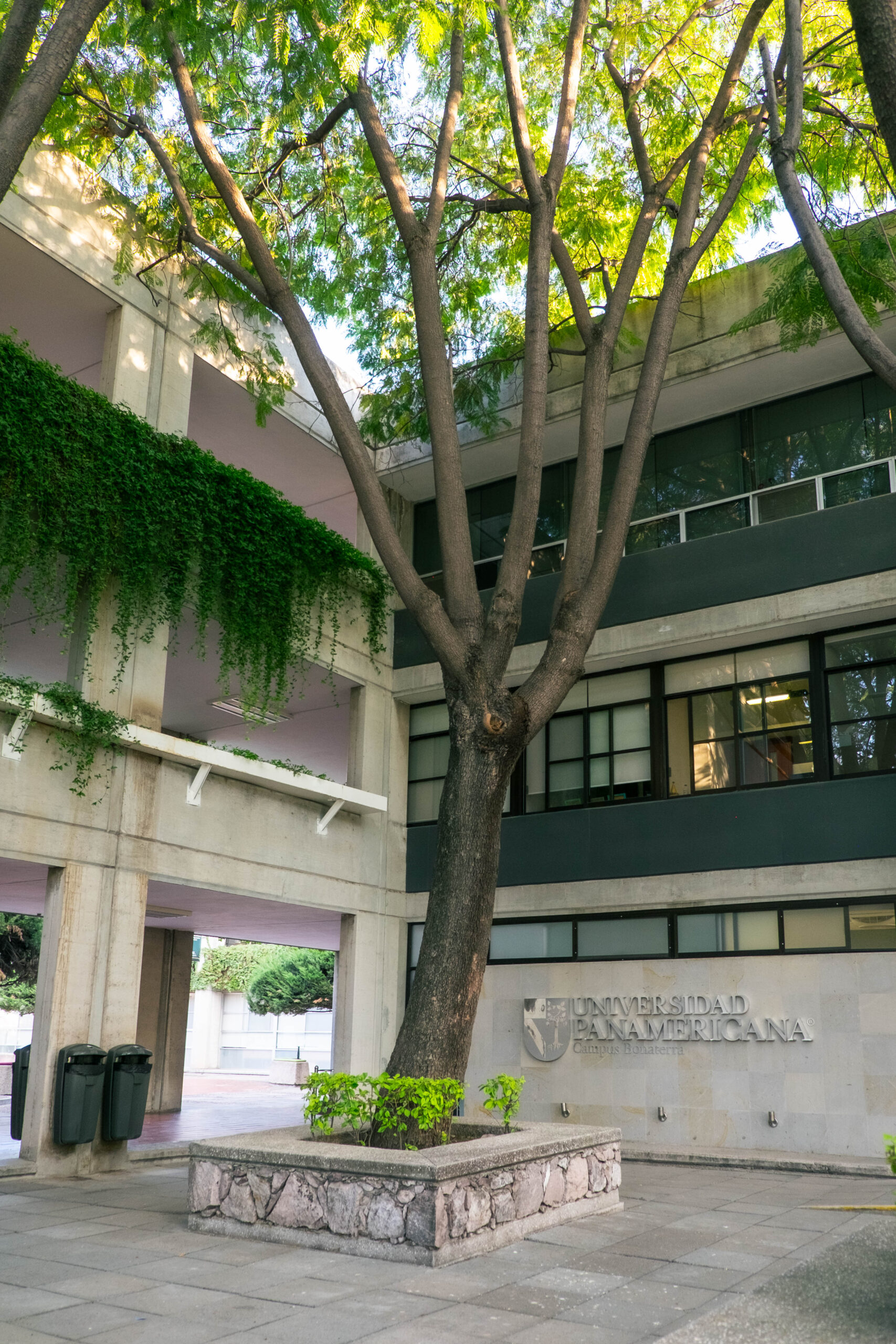
How is sustainability taught at the Universidad Panamericana?
Sustainability is an integral part of the professional curriculum in various undergraduate degree programs. One example is the Marketing & Data Strategy program at the Universidad Panamericana, which incorporates sustainable marketing content to prepare students for the new demands of companies, investors, and international organizations.
The shift from traditional marketing toward a sustainable approach is no longer a marketing option, but rather a necessity in terms of professional development and international alignment. Global companies are increasingly requiring new professionals to master these criteria in order to gain access to financing and competitive markets.
What is the most important factor in building a sustainable university?
According to the researcher, institutional leadership is one of the factors that most influence the adoption of sustainable practices.
When administrators, faculty, and academic leaders actively promote sustainability, these efforts often spread throughout the entire university community and bring about lasting changes in the organizational culture.
About the School of Economics and Business at the Universidad Panamericana
The School of Economics and Business at the Universidad Panamericana ’s Aguascalientes campus offers academic programs that combine business, innovation, sustainability, and data analytics. Its approach aims to prepare students to lead organizations in a global environment, respond to current economic challenges, and develop solutions with social and environmental impact.
Learn more about the School of Economics and Business: https://www.up.edu.mx/educacion-universidad-facultad-de-empresariales/