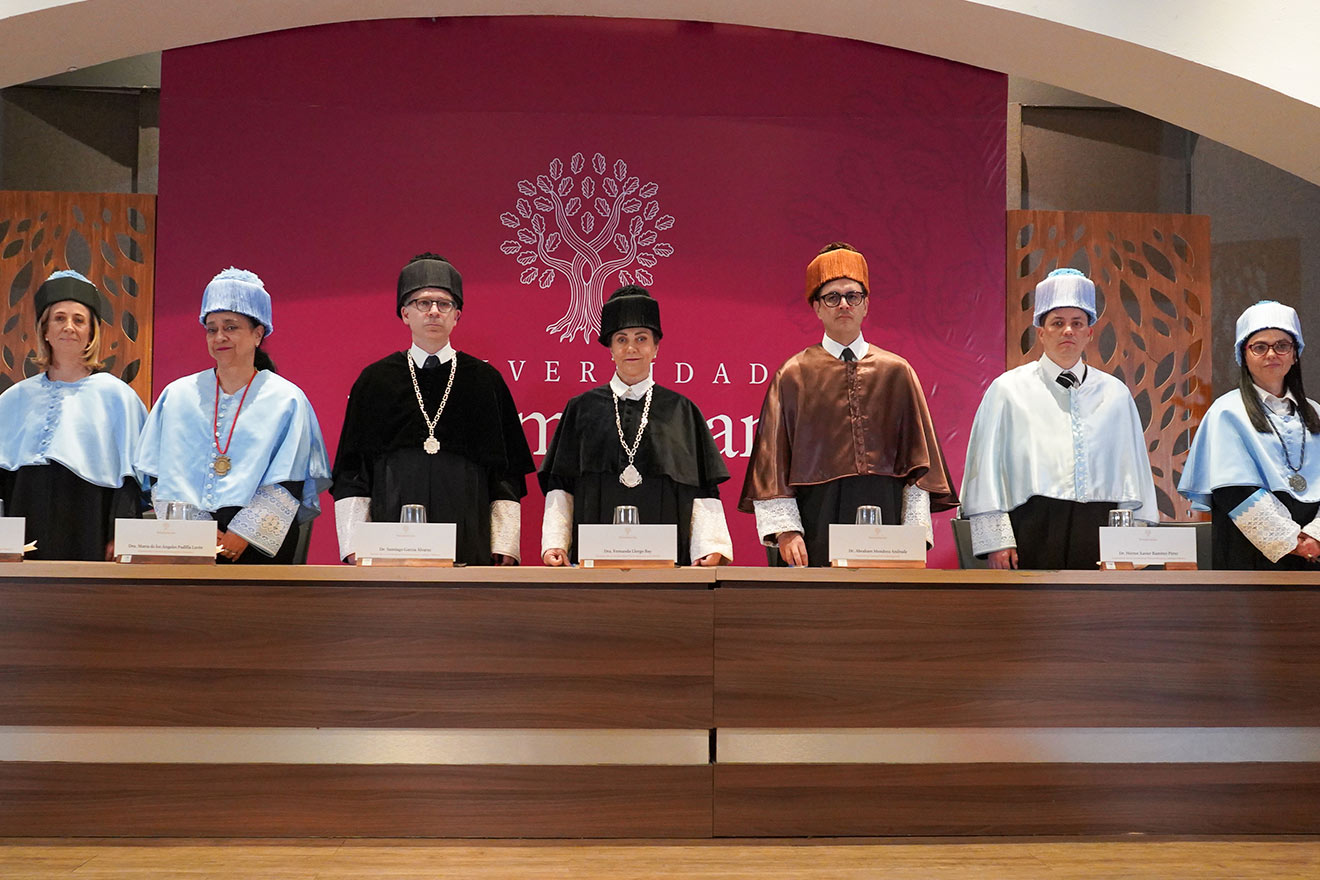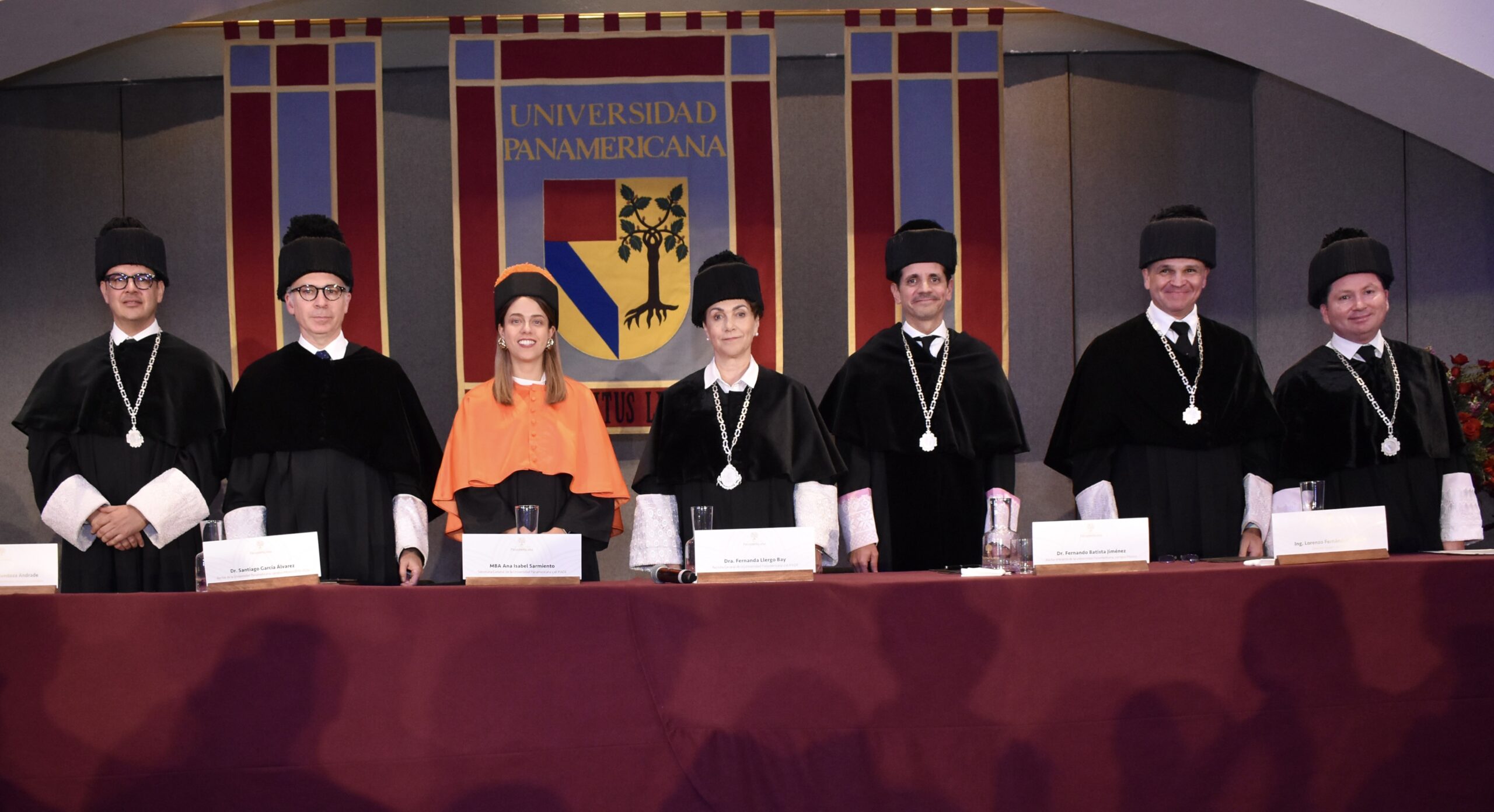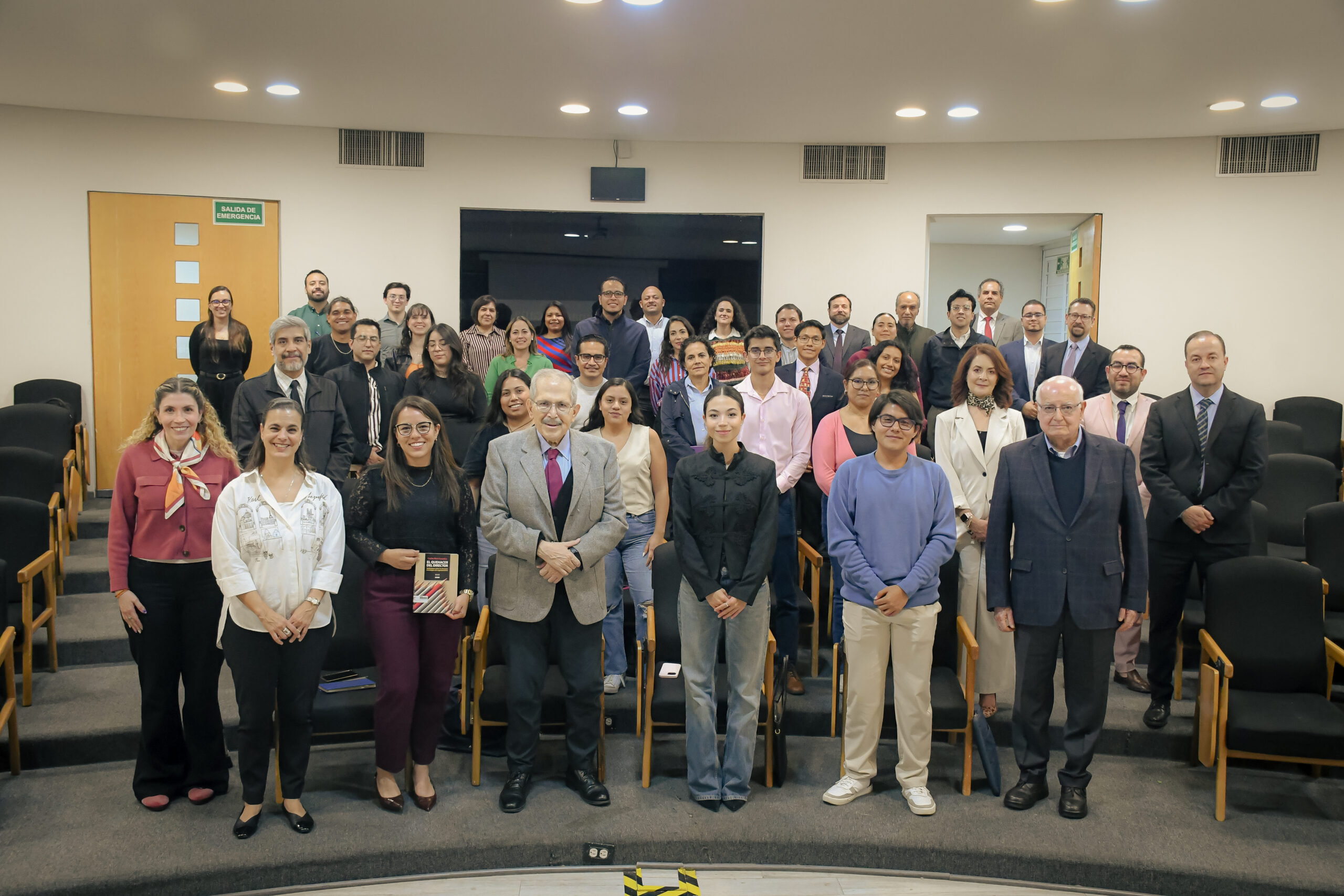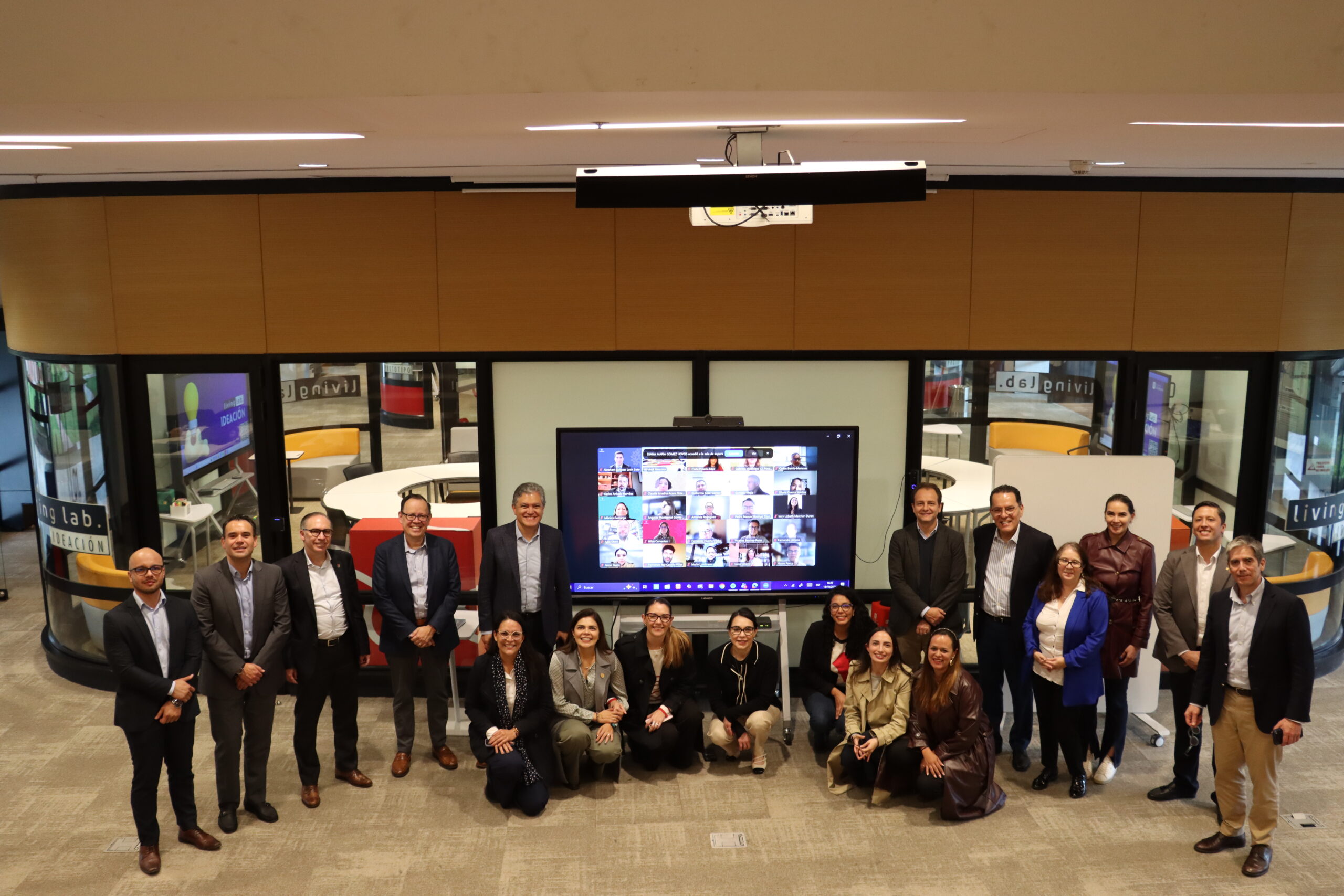
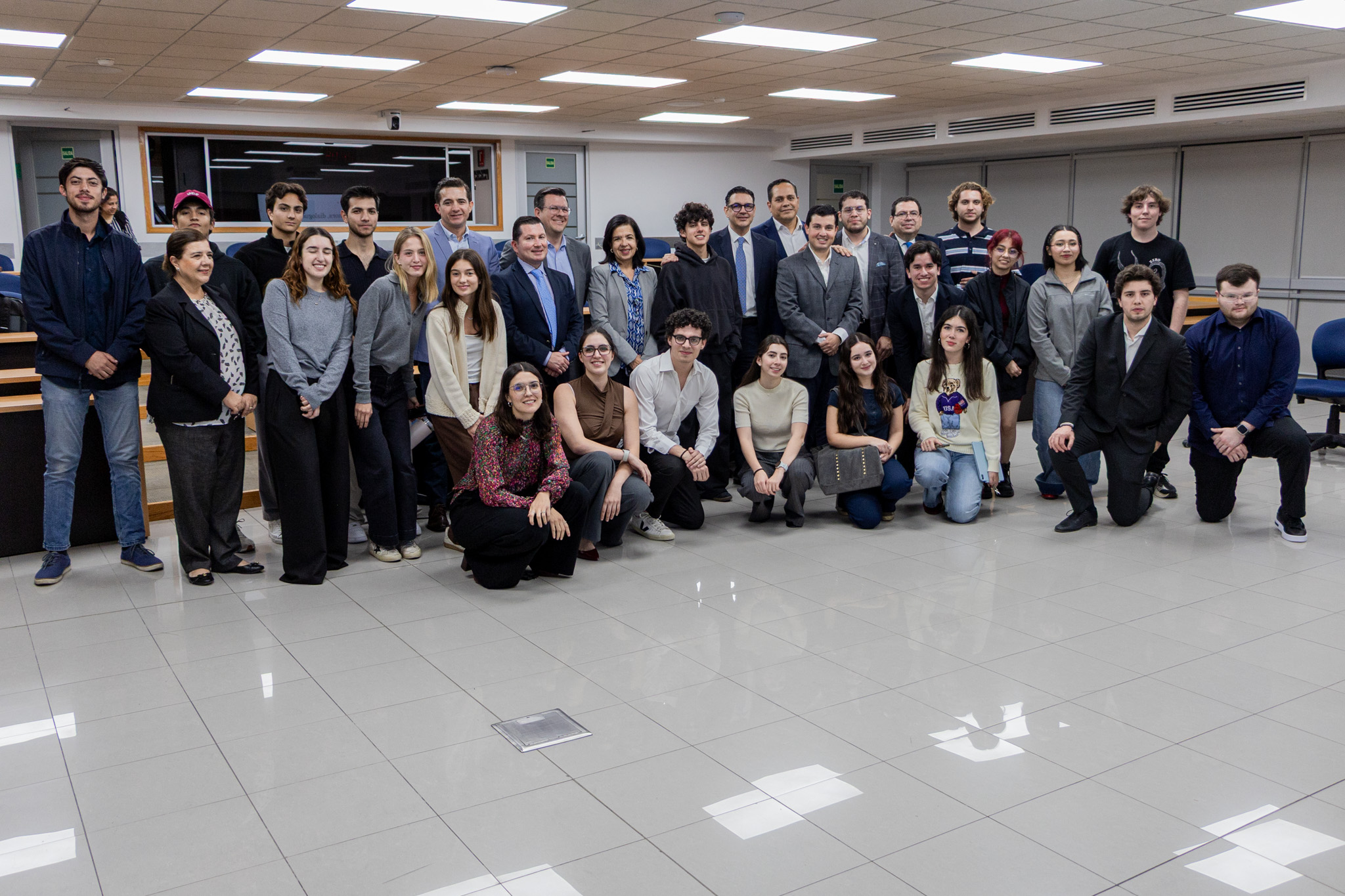
Zapopan, Jalisco, November 20.— Leadership in today’s environment demands much more than technical or managerial skills; it requires deep human sensitivity, the ability to listen, and a constant openness to dialogue. With this in mind, Dr. Abraham Mendoza Andrade, president of the Universidad Panamericana Guadalajara campus, spoke at Diálogos Universitarios a vision of leadership centered on people, integrity, and social commitment.
Members of the university community and Dr. Antonio de los Reyes, rector of the Aguascalientes campus, participated in the event. During the talk, Mendoza Andrade reflected on the meaning of leadership, the principles that guide his leadership philosophy, and the importance of building teams based on trust, diversity, and social commitment.
Listen to understand, not to respond
For Dr. Abraham Mendoza Andrade, true leadership begins with the humility to recognize that no one possesses the whole truth. There is a crucial difference between listening superficially and actively listening—which involves setting aside judgment so that the other person’s idea can fully take shape.
“It’s great to think outside the box; listening to a different point of view doesn’t mean stopping in my tracks—it means taking advantage of a perspective different from my own to perhaps make a better decision,” he said.
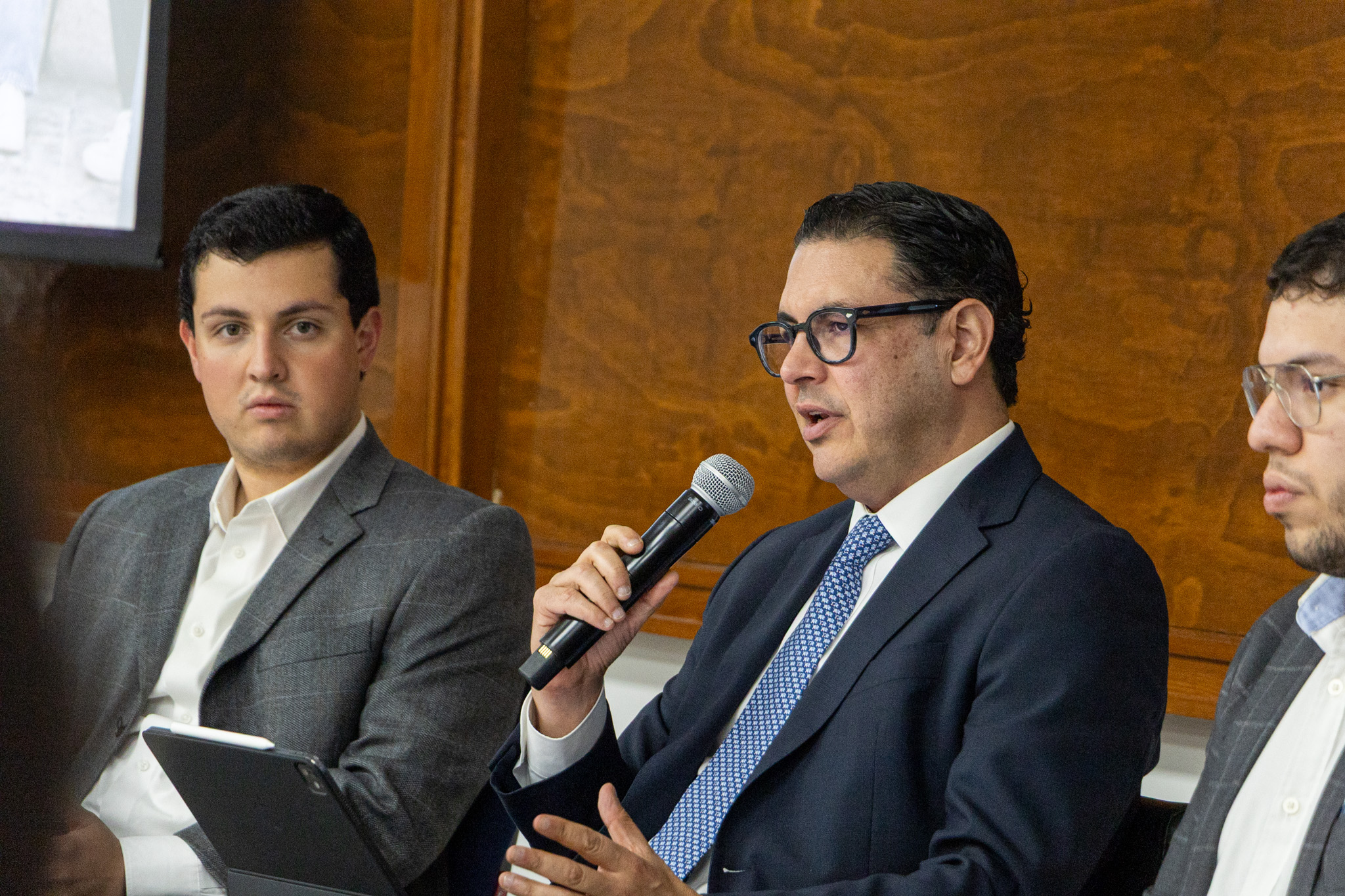
From this perspective, a leader who arrives with a fixed opinion runs the risk of seeking only validation of their own ideas. In contrast, genuine dialogue involves being willing to reconsider a position when there are arguments or evidence that allow for better decisions.
Consistency and Confidence in the Face of Mistakes
A team's trust does not depend on its leader being perfect, but rather on the leader acting with honesty and being able to acknowledge his or her mistakes. For Mendoza Andrade,authentic leadership is not about avoiding mistakes, but about creating an environment where people can acknowledge them and learn from them.
“Trust doesn’t depend on being perfect, but on being able to say, ‘I was wrong.’ That’s what builds trust. That’s why accepting mistakes as an integral part of being human—of what we do every day—is so important,” he pointed out.
This consistency is put to the test on a day-to-day basis: if a manager asks for opinions but is unable to take them into account when revising his or her decisions, the dialogue is reduced to a mere conversation with no real impact.
The Value of a Multidisciplinary Approach
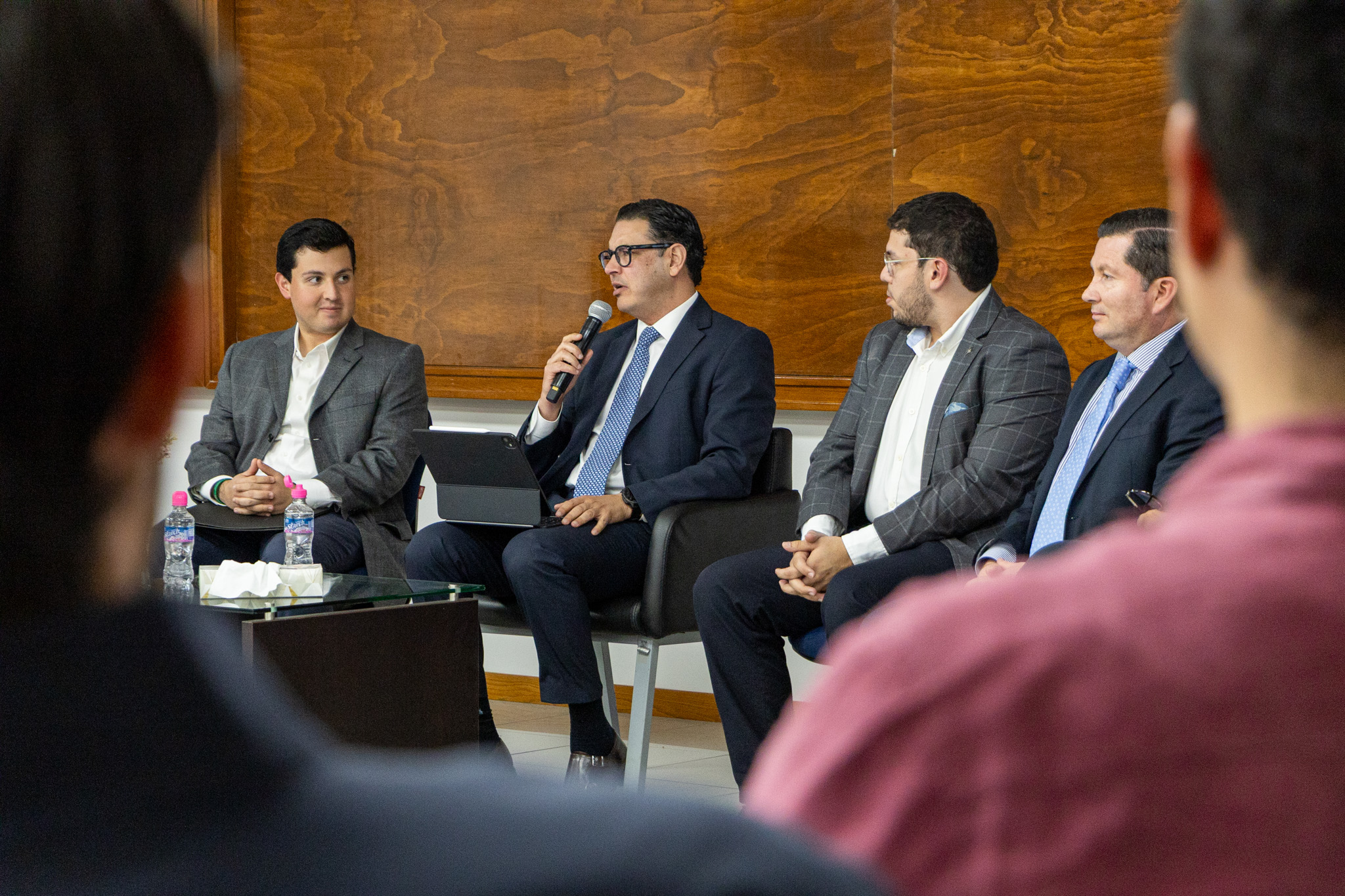
A leader does not need to build homogeneous teams. On the contrary, one of their responsibilities is to coordinate people with different perspectives, backgrounds, and ways of thinking.
As an example, the president cited the research projects at the National Institute of Technology ( Universidad Panamericana ) related to complex challenges, such as water and mobility. These issues require knowledge that goes beyond engineering and involves disciplines such as law, education, communication, and economics.
Diversity of approaches enriches decision-making, but it also requires leaders to learn how to manage the emotions and identity that underlie everyday events.
Social Commitment and Active Hope
Leadership must also extend beyond the academic and corporate spheres to translate into actions that benefit society. During the talk, Mendoza Andrade encouraged young people to remain hopeful—not as a passive attitude, but as a conviction that individual actions can bring about change.
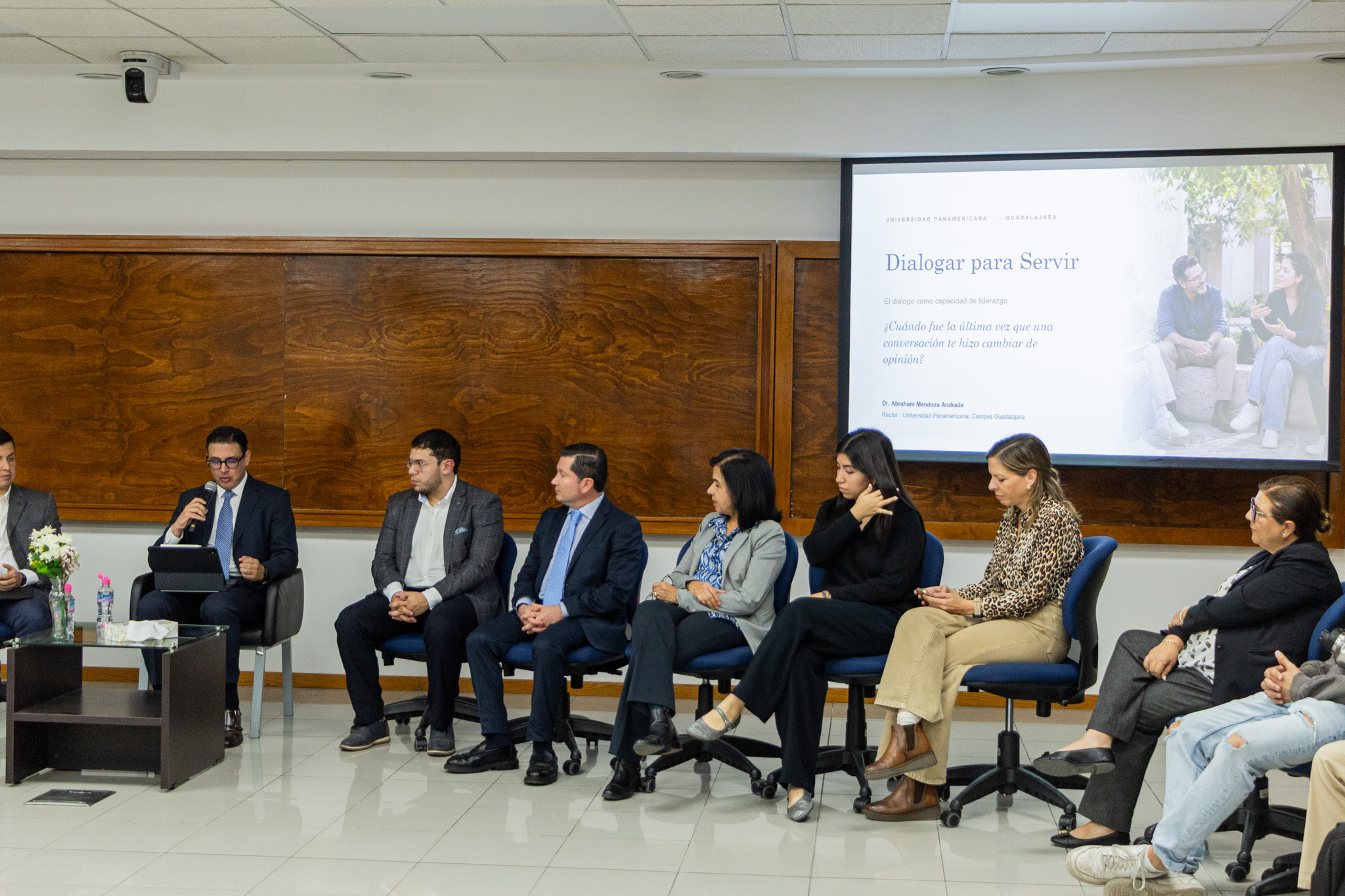
As a final recommendation for the education of future leaders, the university president issued a strong call for personal growth through reading and taking care of one's emotional well-being:
“Read. Because what you don’t learn in school, you learn in everyday life, through interactions with people, through work experience, and by reading a lot… You learn to be creative through reading, through imagination, through many things,” he emphasized.
Serving and Enhancing Value
Dr. Abraham Mendoza Andrade’s vision of leadership places human dignity at the heart of organizations. From this perspective, leading means serving and helping each employee develop and contribute their value.
By placing human dignity at the center, dialogue becomes the most powerful tool for transforming organizations and society.
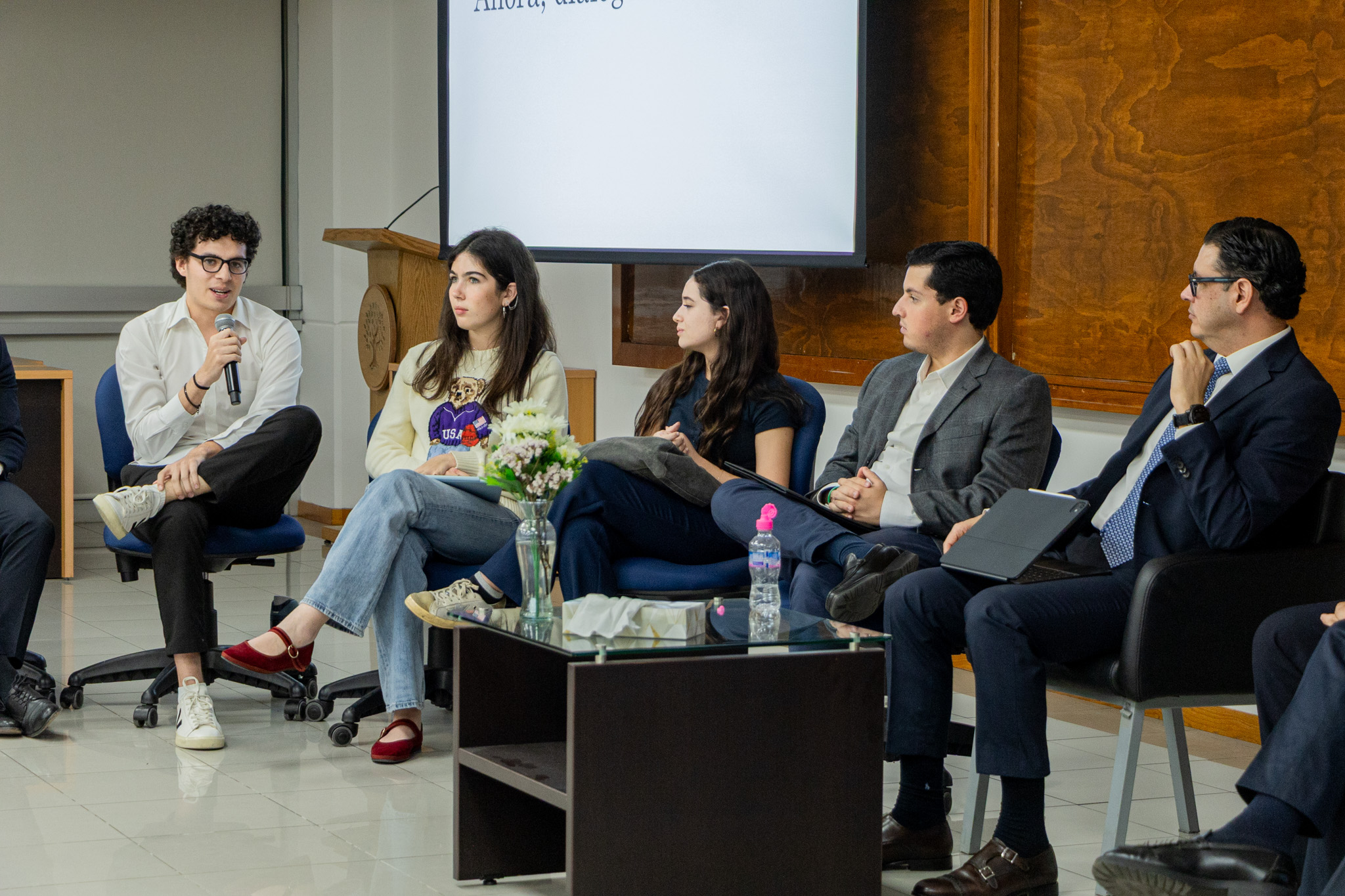
Through initiatives such as University Dialogues, the Universidad Panamericana, Guadalajara campus, fosters opportunities for gathering and reflection so that its community can explore topics such as leadership, active listening, and teamwork in greater depth.