UP Campus: Mexico City

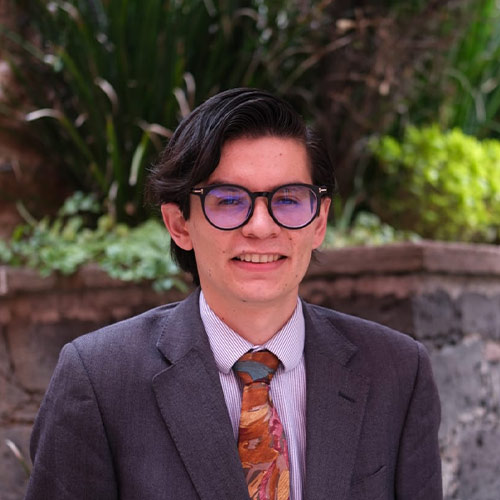
  • Gustavo González Pacheco Serrato

    Gustavo González Pacheco Serrato

    • Director of the Bachelor's Degree Program in Philosophy
    • Email: ggonzalep@up.edu.mx
    • Profile:

    He holds a bachelor’s degree in Philosophy from the University of the City of Mexico ( Universidad Panamericana ) (2018), where he wrote his thesis titled “Eudaimonia: The Path to Deification According to Plotinus’s Ethical System.” He also holds a master’s degree in Ancient Philosophy from the National Autonomous University of Mexico ( Universidad Panamericana), where he defended his thesis titled “Enneads VI.1-3: Genera of Sensible Being in Plotinus’s Derivative Ontology.” He has served as a teacher at the high school of the National Autonomous University of Mexico ( Universidad Panamericana), as an adjunct professor of the History of Ancient Philosophy, and as a professor of research methodology for undergraduate and graduate programs in the School of Philosophy. He served as Coordinator of Student Affairs and Academic Secretary of the School, and, since 2026, has been Director of the Bachelor’s Program in Philosophy.

    Research Areas:

    • Ancient Philosophy
    • Platonism in Late Antiquity
    • Plotinian Ethics and Metaphysics.
    • Theory of Action

    Research Projects:

    • “Xenophon’s Economic Thought and Its Influence”


  • Salvador Escalante Díaz Barreiro

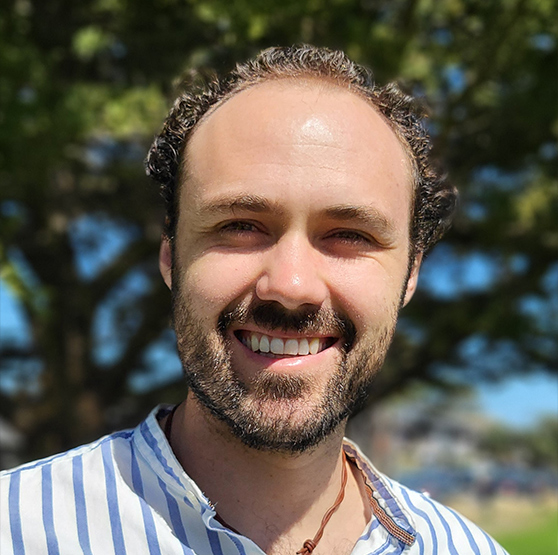
    Salvador Escalante Díaz Barreiro

    • Research Professor
    • Email: sescalante@up.edu.mx
    • Profile:

    Salvador Escalante-Lozano completed his doctoral studies at the University of California, Santa Barbara. He earned a Master’s degree in Ancient Philosophy and a Bachelor’s degree in Philosophy from the Universidad Panamericana. His doctoral dissertation is on personal identity in Plato. His research focuses on ancient theories of identity, the soul, and agency. He also studies the relationship between philosophy, culture, and literature in ancient poets such as Homer and Sappho.

    Research Areas:

    1. The Origins of Greek Thought
    2. Ancient Philosophy
    3. Ancient and Contemporary Theories of Personal Identity
    4. Moral Psychology

    Link to publications:


  • Fernando Cano Jorge

    Fernando Cano Jorge

    • Research Professor
    • Email: fcano@up.edu.mx
    • Profile:

    He holds a Ph.D. and a master’s degree in the philosophy of science from the National Autonomous University of Mexico (UNAM) and a bachelor’s degree in philosophy from the National Autonomous University of Mexico ( Universidad Panamericana). He has been a professor in the Department of Philosophy at the National Autonomous University of Mexico ( Universidad Panamericana ) since 2017, where he has taught courses and seminars on propositional logic, non-classical logics, contemporary analytic philosophy, philosophy of language, and pragmatism. He recently completed a three-year postdoctoral fellowship at the University of Otago in New Zealand (2023–2026) and was a visiting scholar at the Saul Kripke Graduate Center at the City University of New York (2025). He has been a member of the Lógica Mexa research group at the Institute for Philosophical Research at UNAM since 2023 and is a member of the Association for Symbolic Logic, the Australasian Association for Logic, and the Logicians Liberation League. Previously, he was a member of the editorial board of *Tópicos, Revista de Filosofía* (2013–2020) and served as head of the humanities department at the * Universidad Panamericana * Preparatory School (2016–2023). His main interests are logic and the philosophy of logic, particularly non-classical logics and their applications in philosophy and in the foundations of mathematics, computer science, and physics.

    Research Areas:

    1. Non-classical logics
    2. Philosophy of Science
    3. Philosophy of Mathematics

    Link to publications: 

    Research Projects

    • “Paraconsistent Computability Theory,” 2023–2026, at the University of Otago and the University of Canterbury, led by Dr. Zach Weber (University of Otago) in collaboration with Dr. Jack Copeland (University of Canterbury). 
    • CAs a member of the Lógica Mexa research group at the Institute for Philosophical Research at UNAM (https://sites.google.com/view/logica-mexa/home), I am currently participating in the CONAHCYT project CBF2023-2024-55, “Current Challenges to Logical Pluralism,” and in the PAPIIT project IN406225, “The Principles of Logic,” both directed by Dr. Luis Estrada González. Previously, I have participated in other PAPIIT projects, also directed by Dr. Luis Estrada González, such as IG400422 “Propositional Variables and Propositional Constants: Logical, Epistemic, and Metaphysical Aspects”; and IN403719 “Intensionality to the End: A New Plan for Logical Relevance.” 

  • Yovani Marrero Ponce

    Yovani Marrero Ponce

    Yovani Marrero-Ponce is a Full Research Professor and an internationally recognized researcher in the fields of chemoinformatics, bioinformatics, artificial intelligence applied to drug discovery, peptide science, and computational molecular design. He currently serves as a Professor-Researcher and Director of Research at the National Institute of Biotechnology ( Universidad Panamericana ) in Mexico and leads the Computer-Aided Molecular Discovery and Bioinformatics Research International Network (CAMD-BIR-IN), a multidisciplinary international network that brings together researchers from universities, research centers, healthcare institutions, and industry in various countries.

    He earned a Bachelor of Science in Pharmaceutical Sciences (summa cum laude) from the “Marta Abreu” Central University of Las Villas (Cuba) in 2001, a Master’s degree in Biochemistry in 2003, and a Ph.D. in Chemical Sciences from the University of Havana in 2005. He has completed numerous postdoctoral and research fellowships at internationally renowned institutions, including the University of Valencia (Spain), KU Leuven (Belgium), the Complutense University of Madrid (Spain), and the University of Cartagena (Colombia), among other universities and research centers in Europe and Latin America.

    He is a Level III National Researcher (SNI III) designated by the National Council for Humanities, Sciences, and Technologies of Mexico (Area II: Biology and Chemistry). He is the author of more than 210 international scientific publications, with nearly 5,000 citations and an H-index of 45 in Scopus (https://www.scopus.com/authid/detail.uri?authorId=55665599200). Approximately 94% of his publications have been produced through international collaboration, reflecting an extensive scientific network that includes more than 150 collaborators from Europe, North America, Latin America, Asia, and Oceania. According to SciVal indicators, 27.6% of his publications rank among the top 25% of the most-cited articles worldwide, while 56.6% have been published in journals in the top quartile of their respective disciplines according to CiteScore. Furthermore, he has been included in the World Ranking of the Top 2% of the World’s Most Influential Scientists, compiled by Stanford University and Elsevier, which identifies researchers with the greatest global scientific impact using standardized citation metrics
    (https://journals.plos.org/plosbiology/article?id=10.1371/journal.pbio.3000384).

    His research focuses on the development of advanced computational methods for molecular discovery and rational drug design, integrating cheminformatics, bioinformatics, quantitative structure-activity/property relationships (QSAR/QSPR), artificial intelligence, machine learning, network science, and molecular modeling. Throughout his career, he has proposed new mathematical and physicochemical theories, molecular and macromolecular descriptors, predictive models, and computational platforms aimed at identifying and optimizing bioactive compounds and therapeutic peptides. His contributions span the discovery of antimicrobial, anticancer, antiviral, antiparasitic, anti-inflammatory, and dermatological agents, as well as protein and peptide engineering.

    In recent years, he has been a pioneer in the integration of artificial intelligence, network science, and large-scale proteome mining for the discovery of multifunctional therapeutic peptides. Among his most recognized scientific contributions are the development of the TOMOCOMD platform and various computational ecosystems for cheminformatics, bioinformatics, molecular modeling, and the discovery of bioactive peptides. His research has contributed to the identification of numerous lead compounds and biomolecules with potential applications in infectious diseases, cancer, neglected tropical diseases, dermatological disorders, and precision medicine.
    He has proposed new theories of molecular coding and developed more than 15 computational platforms, programs, and bioinformatics resources widely used in chemical, pharmaceutical, and biomedical research, including TOMOCOMD, StarPep Toolbox, Dover Analyzer, and other resources available at http://tomocomd.com/software, http://mobiosd-hub.com/resources/, and https://github.com/Grupo-Medicina-Molecular-y-Traslacional/.

    He has successfully supervised 14 doctoral dissertations, 15 master’s theses, and more than 70 bachelor’s theses, in addition to participating in and/or leading more than 25 national and international research and development projects. He has also delivered more than 180 lectures and scientific presentations at national and international conferences.

    He serves on international editorial boards and has served as Guest Editor for various special issues in high-impact scientific journals, including *Antibiotics*, *Frontiers in Bioinformatics*, *Frontiers in Microbiology*, and *Toxins*. He has also edited international books and thematic collections and has participated as a Scientific Member and Session Chair in the MOL2NET international conference series. Example: https://www.mdpi.com/journal/antibiotics/special_issues/Peptides_Discovery.

    His scientific career has been recognized with numerous national and international awards, including the Award from the Royal National Academy of Pharmacy of Spain (2009), the TWAS Prize for Young Chemists, multiple National Awards from the Cuban Academy of Sciences, as well as various honors bestowed by the Cuban Ministry of Higher Education for his contributions to the development of computational, mathematical, and bioinformatics methods applied to the chemical, pharmaceutical, and biomedical sciences.

    • Drug Design
    • Medical and Pharmaceutical Chemistry
    • Chemoinformatics and Mathematical Chemistry
    • Bioinformatics and Computational Biology
    • Information Theory and Statistical Thermodynamics
    • Metaheristics
    • Molecular Markers and Trait Engineering
    • Personalized and Precision Medicine
    • Complex Networks and Graph Theory

  • Roberto González Ojeda

    Roberto González Ojeda

    Mechanical Engineer from the National Polytechnic School of the University of Chile ( Universidad Panamericana ) and Ph.D. in Materials Technology from the CEIT at the University of Navarra in Spain. More than 25 years of experience in research projects related to the automotive industry and in the development of academic programs in Mechanical Engineering, Mechatronics, and graduate programs in technical fields. Held leadership positions in the School of Engineering, including program director, graduate program director, and research secretary. Member of the SNII.

    • Materials
    • Simulation of Thermomechanical Deformation Processes
  • Sara Elena Villanueva Sáenz

    Sara Elena Villanueva Sáenz

    Law degree from the Escuela Libre de Derecho. Master’s degree in Bioethics from the Universidad Panamericana , with honors. Doctor of Science from the National Autonomous University of Mexico. Specialist in Philosophical Anthropology. Candidate for the National System of Researchers of the Mexican Ministry of Science, Humanities, Technology, and Innovation.

    He completed a research fellowship at the Institute of Bioethics at the Pontificia Universidad Javeriana in Bogotá, Colombia. He is a member of the Bioethics Committee for Health Care at FUCAM (Breast Cancer Foundation, AC) and of the Research Ethics Committee at the National Institute of Geriatrics in Mexico City.

    Adjunct Professor at the Mexico campus of the Universidad Panamericana , teaching in the Bachelor of Laws program, the Master of Legal Sciences program, and the Master’s and Doctoral programs in Bioethics in the School of Health Sciences. She teaches courses such as Justice and Human Rights, Selected Topics in Justice, Bioethics and Law, and Bioethical Dilemmas and Their Legal Resolution, among others.

    • Law and Bioethics
    • Human rights
    • End of Life: Dignified Death, Euthanasia, Assisted Suicide, Palliative Care, Advance Directive
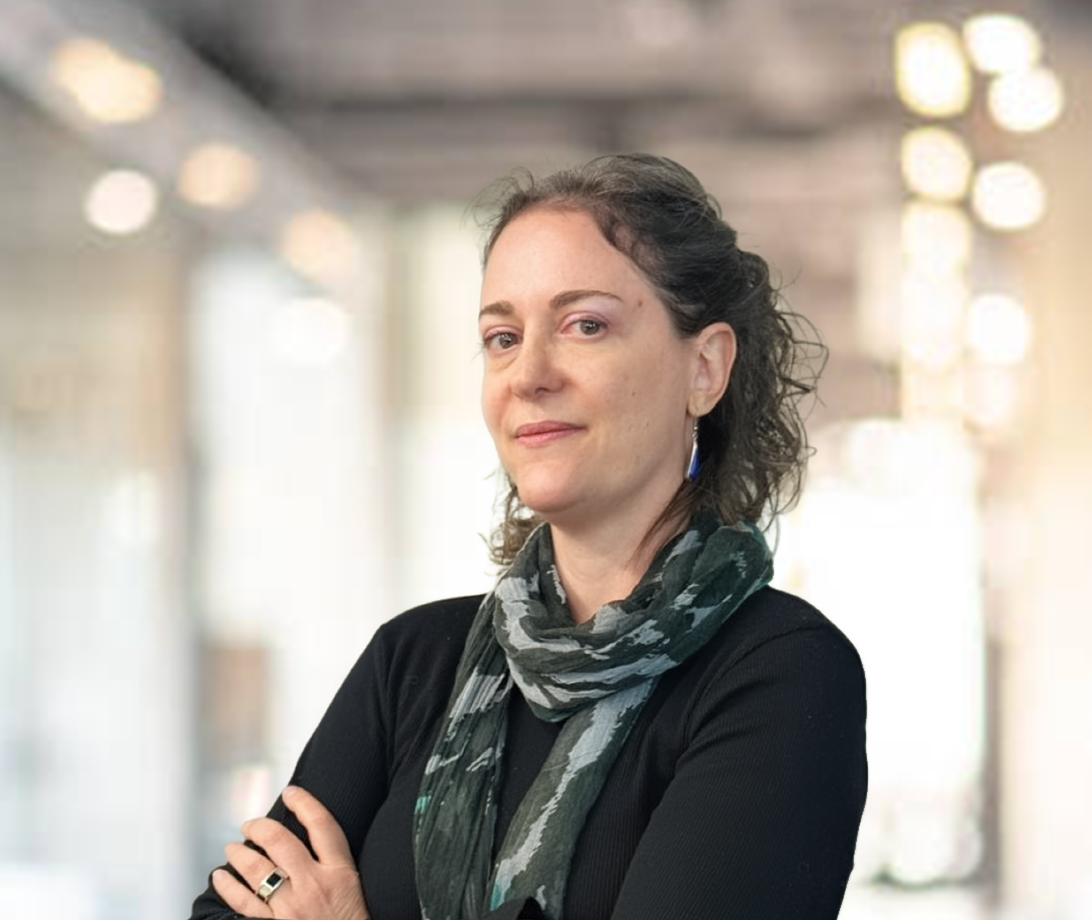
  • María Valeria Sonna

    María Valeria Sonna

    She holds a Ph.D. and a Master of Arts in Philosophy from the University of Buenos Aires and is a member of the SNIII (Mexico, SECIHTI). Born in Argentina and based in Mexico, she has extensive teaching experience at universities in both countries, where she has taught undergraduate and graduate courses in areas such as the History of Ancient Philosophy, Ethics and Philosophy, and Gender Studies.

    Her research focuses on the reception of ancient philosophy in contemporary thought and on the history of the philosophy of pregnancy and motherhood. She is the author of the book *Gilles Deleuze’s Plato* (2019) and *Women in Antiquity: Childbirth, Motherhood, and Birth* (2020) and has received various grants (CONICET, DGAPA-UNAM, U. Panamericana).

    His work encompasses teaching, research, and the dissemination of philosophical knowledge.

    • History of Ancient Philosophy
    • Gender Studies
    • Socratic Philosophies
    • French Theory
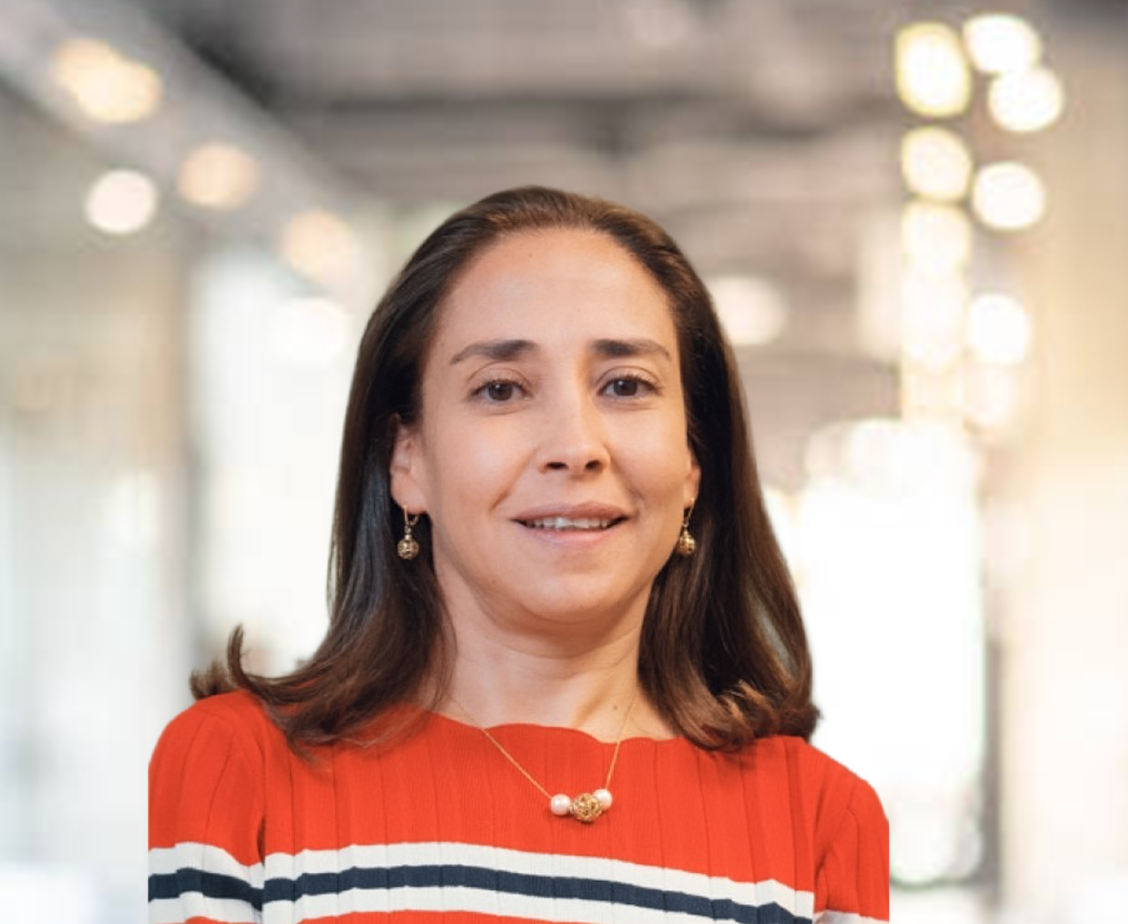
  • María Lorena De la Torre Díaz

    María Lorena De la Torre Díaz

    She holds a Ph.D. in Business Administration with honors from the National University of the Andes ( Universidad Panamericana ) (2023), a Master’s degree in Finance from the University of the Valley of Atemajac (Universidad del Valle de Atemajac) (2008), and a Bachelor’s degree in Business Administration and Finance from the University of the Andes ( Universidad Panamericana ) (2003). She has served as a research professor in the School of Business at the University of the Andes ( Universidad Panamericana ) since August 2023, where she also serves as academic secretary.

    Since 2006, he has taught courses in Financial Analysis, Financial Mathematics, Financial Information Systems, Financial Engineering, Technological Tools for Information Management, and Information Technology at various schools and faculties on the Guadalajara and Mexico City campuses. His research areas include inequality, social mobility, well-being, impact assessment, STEM, financial education, and small businesses.

    She was selected to participate in the 8th Lindau Nobel Laureate Meeting in Economic Sciences in Lindau, Germany (2025). She also participated in the project to assess the impact of a community center in the Santa Fe neighborhood of Mexico City, which continues to generate new research. In addition, she has contributed to studies related to the gender gap in science, technology, engineering, and mathematics (STEM).

    • Inequality
    • Social Mobility
    • Welfare
    • Impact Assessment
    • STEM
    • Financial Education
    • Small Businesses
  • Juan Carlos Carrillo Cal y Mayor

    Juan Carlos Carrillo Cal y Mayor

    Ph.D. in Communication from the Universidad de los Andes (Chile), with a dissertation on the representation of violence in Mexican cinema from the perspective of Aristotelian catharsis.

    He earned a master’s degree in Narrative and Digital Production from the National School of Cinematography and Television ( Universidad Panamericana ) in Mexico. He holds a bachelor’s degree in Hispanic Philology and Audiovisual Communication from the University of Navarra (Spain).

    An academic interested in screenwriting and research on aspects related to narrative and poetics in audiovisual fiction. He is a member of the National System of Researchers (SNII), the Screenwriting Research Network (currently on the Steering Committee), and the Ibero-American Network for Research on Audiovisual Narratives. He chairs the Film Committee of the Mexican section of SIGNIS, the International Association of Catholic Communicators. He has served on the jury at several international film festivals, including those in Guanajuato, Washington, Toulouse, Warsaw, and Berlin. He is a film critic for the website PalomitasCaramelizadas.com.

    Research professor at the School of Communication at the Universidad Panamericana, where he served as director of the bachelor’s degree program in Communication for 7 years. He teaches courses on Film and Audiovisual Narrative.

    • Audiovisual narrative
    • Screenplay
    • Mexican cinema
    • Depictions of Violence in the Media
  • André Laks

    André Laks

    André Laks holds a Ph.D. in Classical Literature from the University of Lille and a Ph.D. in Philosophy from
    the Sorbonne. He was a professor of ancient philosophy at the University of Lille (1989–1991) and at the
    (1994–2007); at Princeton University (1991–1994); at the Sorbonne (
    ); at the University of Mexico City (2007–2012); and at the Universidad Panamericana, Mexico City, since 2012 (formerly SNI Level 3).

    • Philosophy in Greece
    • Plato and Aristotle
    • Doxography
    • The Modern Reception of Ancient Philosophy and the History of Hermeneutics