
In a world shaped by artificial intelligence, technological innovation, and increasing professional specialization, the humanities are essential for training professionals capable of integrating technical knowledge with an ethical, critical, and holistic view of the human person.
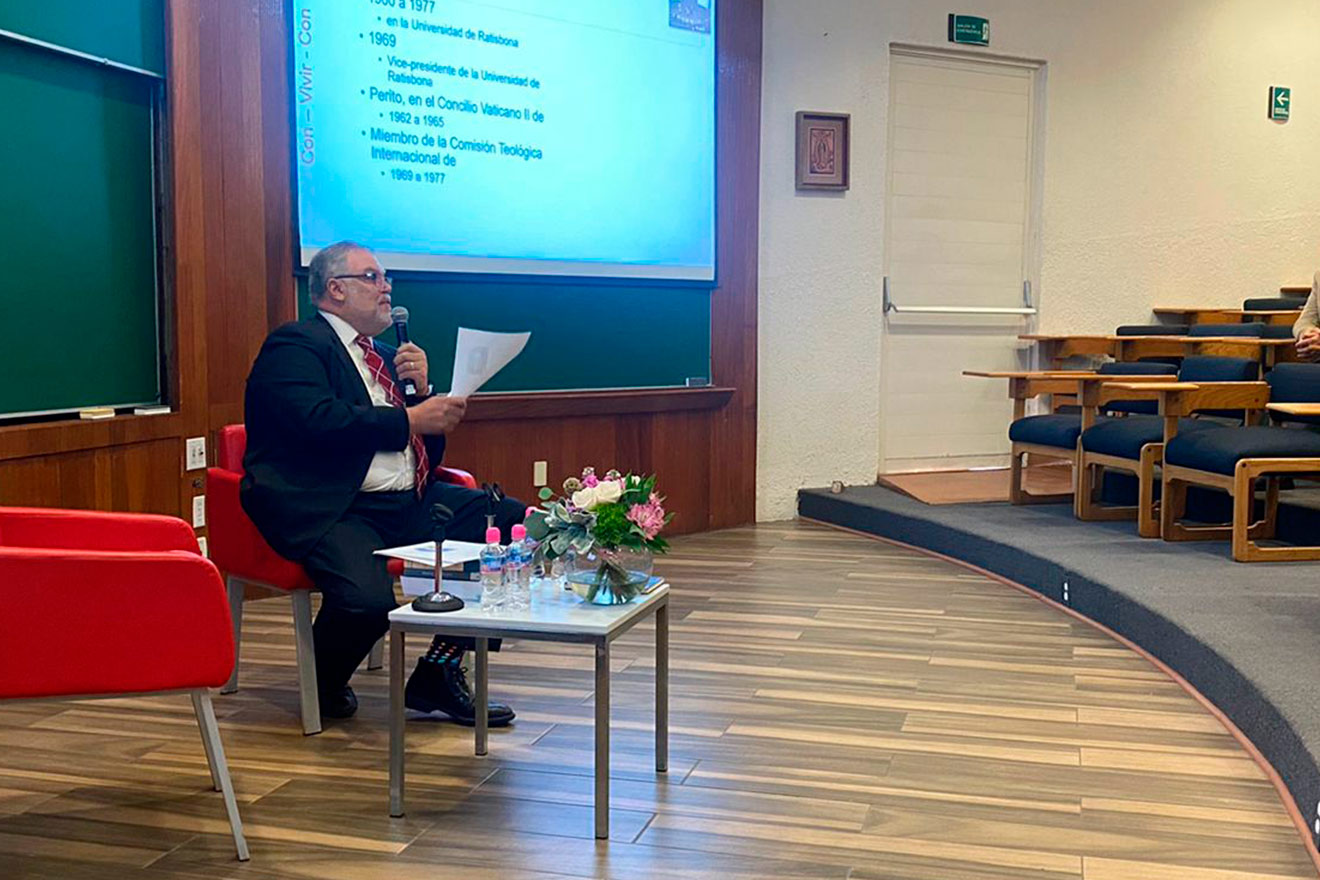
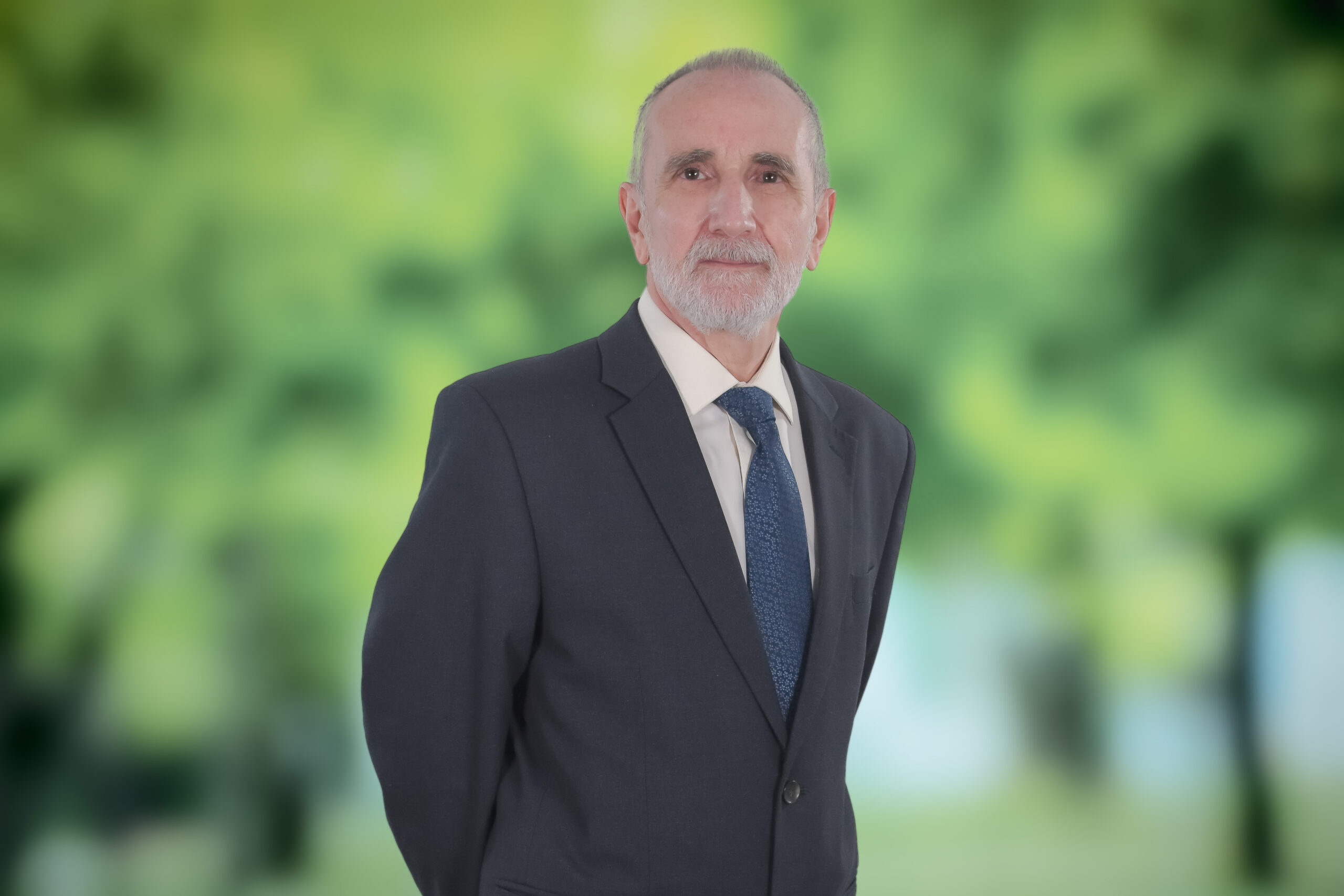
This is how Dr. Claudio César Calabrese, a research professor at the Institute of Humanities at the Aguascalientes campus of theUniversidad Panamericana , who points out that a humanities education is not a secondary complement to university degree programs, but rather an indispensable dimension for giving depth and meaning to specialized knowledge.
Beyond imparting technical skills, higher education faces the challenge of preparing individuals who are capable of making responsible decisions, understanding the consequences of their actions, and putting their knowledge to work for society.
Why Are the Humanities Still Essential in the 21st Century?
The scholar explains that a university education involves a continuous process of specialization. From the bachelor’s degree through master’s and doctoral studies, students progressively delve deeper into specific areas of knowledge. However, he cautions that this training requires a broader frame of reference so as not to lose sight of its purpose.
“The humanities are always relevant because of the questions they raise; these questions have persisted over the centuries, and people still need answers to those same questions,” he notes.
According to the specialist, fundamental questions about human nature, transcendence, and the meaning of existence make it possible to establish a dialogue between specific areas of knowledge and a comprehensive understanding of reality.
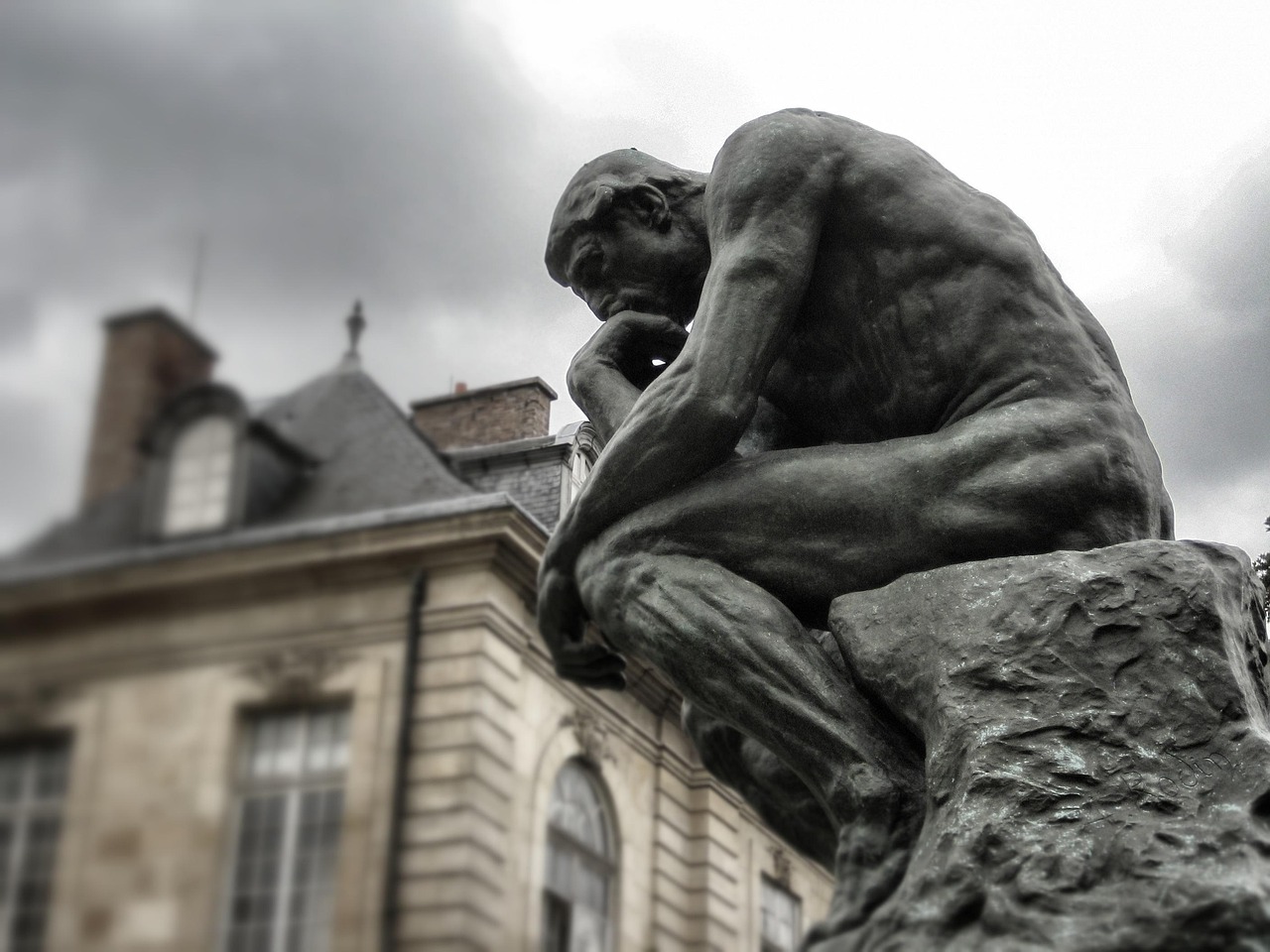
From this perspective, technical specialization and a liberal arts education are not opposing paths, but rather complementary dimensions of a truly comprehensive university education.
The Individual as the Focus of Vocational Training
At the Universidad Panamericana, a holistic education is based on one premise:the individual must be the beginning and the end of all social, scientific, and economic activity.
This means that professional development cannot be evaluated solely on the basis of economic results, technological advances, or levels of efficiency, but also on the basis of its contribution to human dignity and the well-being of society.
For example, in the business world, a decision must take into account not only its profitability but also its consequences for people. In technology, software development requires consideration of its social impact, while in medicine, treatments must take into account the patient’s dignity and overall well-being.
Dr. Calabrese explains that the humanities allow us to overcome what he calls “professional reductionism”—the tendency to train highly skilled specialists who, nevertheless, may lose sight of the broader implications of their decisions.
For this reason, a humanistic education seeks to establish a common ethical language among the various disciplines, fostering an interdisciplinary approach that integrates the cultural, social, and spiritual dimensions of knowledge.

How do the humanities help professionals develop ethical judgment?
One of the main benefits of a liberal arts education is that it strengthens critical thinking and judgment in order to tackle complex situations.
In a professional environment where decisions can have consequences that extend beyond the immediate moment, a humanities-based education provides a framework for reflecting on individual and collective responsibility.
From Panamericana’s educational perspective, this means training professionals who are capable of considering not only the immediate benefits of their actions, but also their long-term repercussions.
As a Christian-inspired university, the institution promotes a humanistic and theological education that encourages students to reflect on their beliefs, understand the meaning of faith, and develop a foundation for their personal and professional decisions.
Service is the purpose of a well-rounded education
For Dr. Calabrese, the ultimate goal of the Institute of Humanities is to contribute to the development of good people who, through the responsible practice of their professions, will participate in the positive transformation of society.
“Good, well-educated people are those who will be part of society, who will carry out their work in society, and who will act in accordance with certain values,” he says.
The researcher acknowledges that this transformation does not necessarily produce immediate results, as it is an educational process whose effects may unfold over generations.
From this perspective, Dr. Calabrese asserts that the humanities transform the meaning of a professional career. “A profession ceases to be merely a means of subsistence or individual success and becomes a vocation of service aimed at building a more just, humane, and compassionate society, ” he concluded.