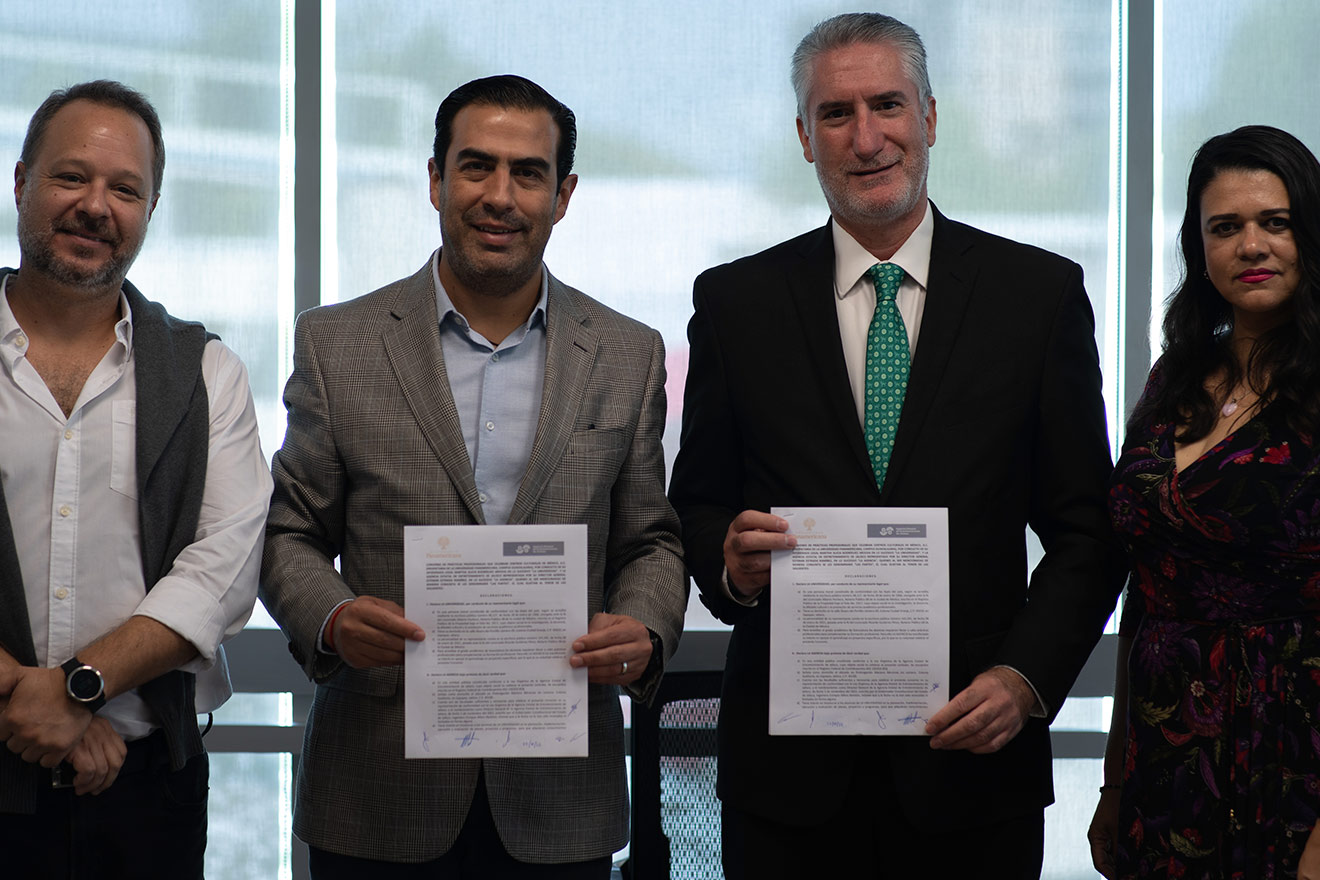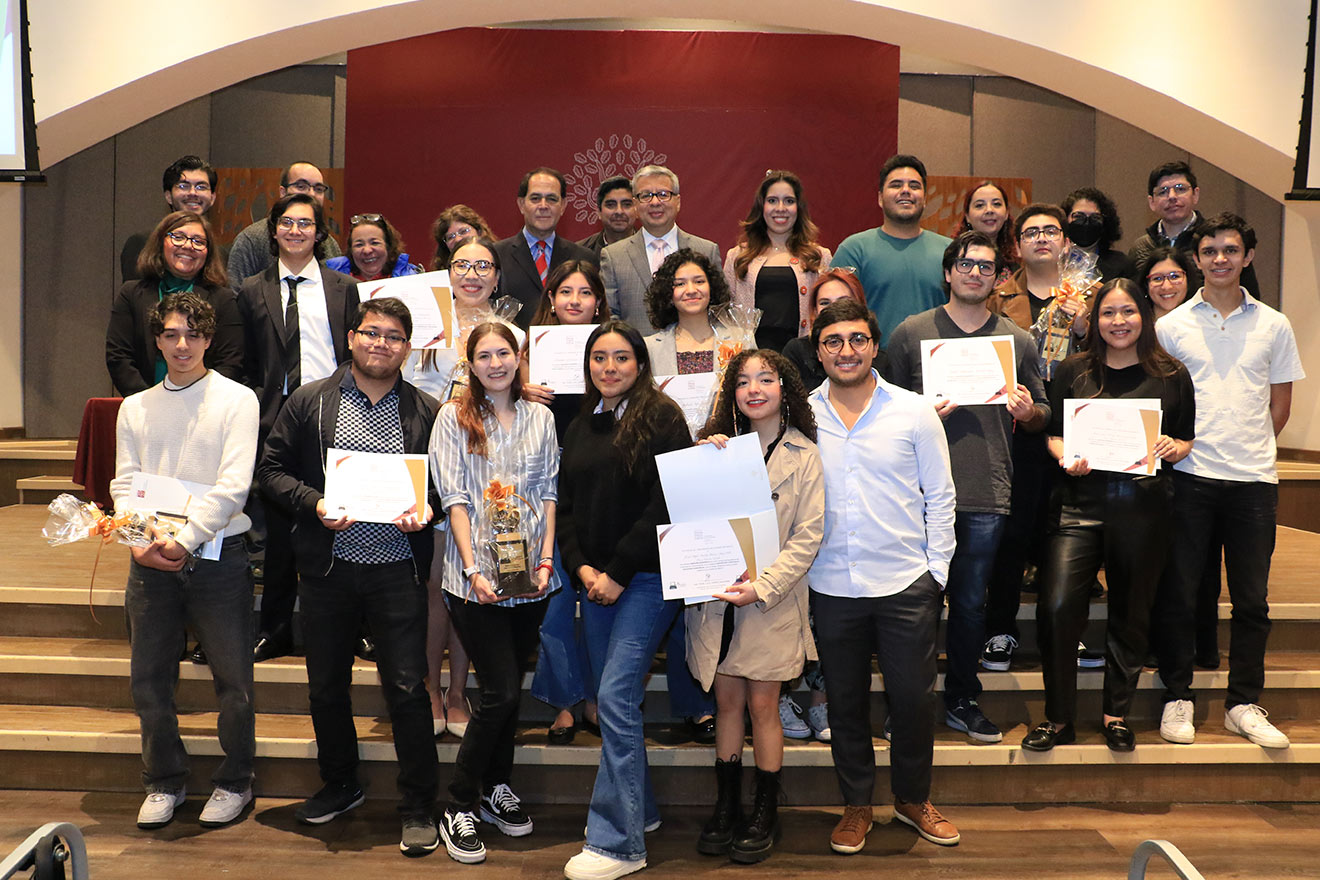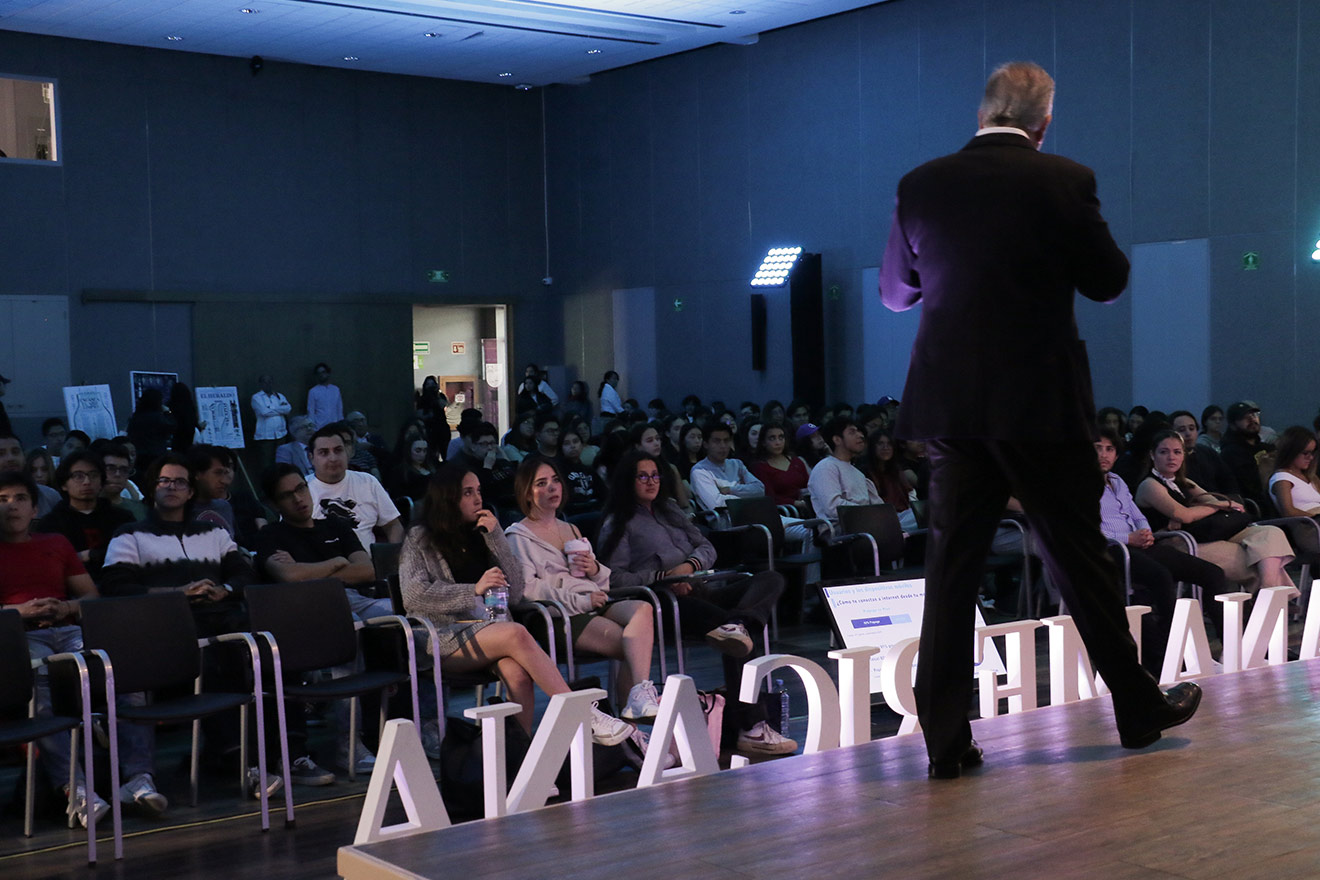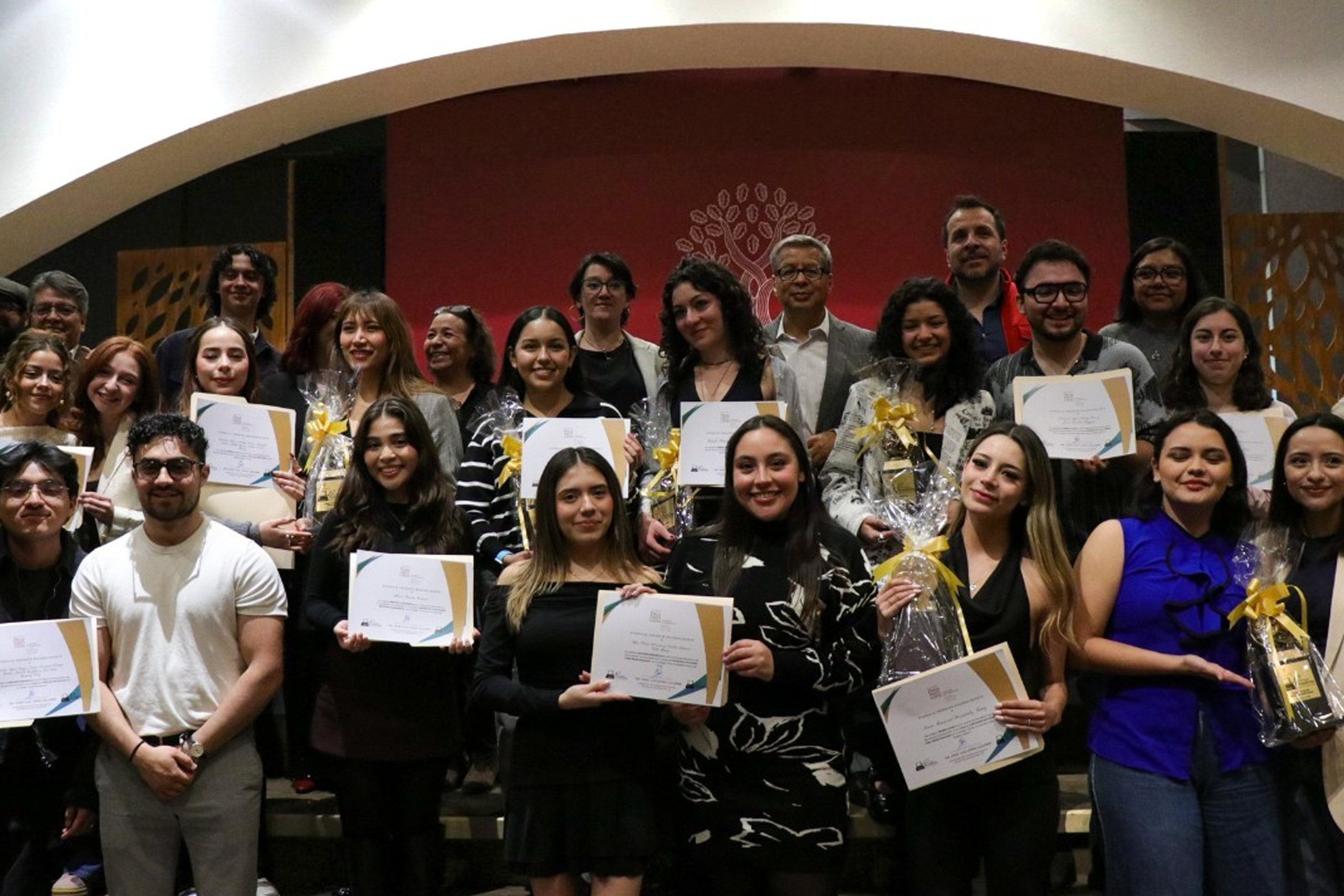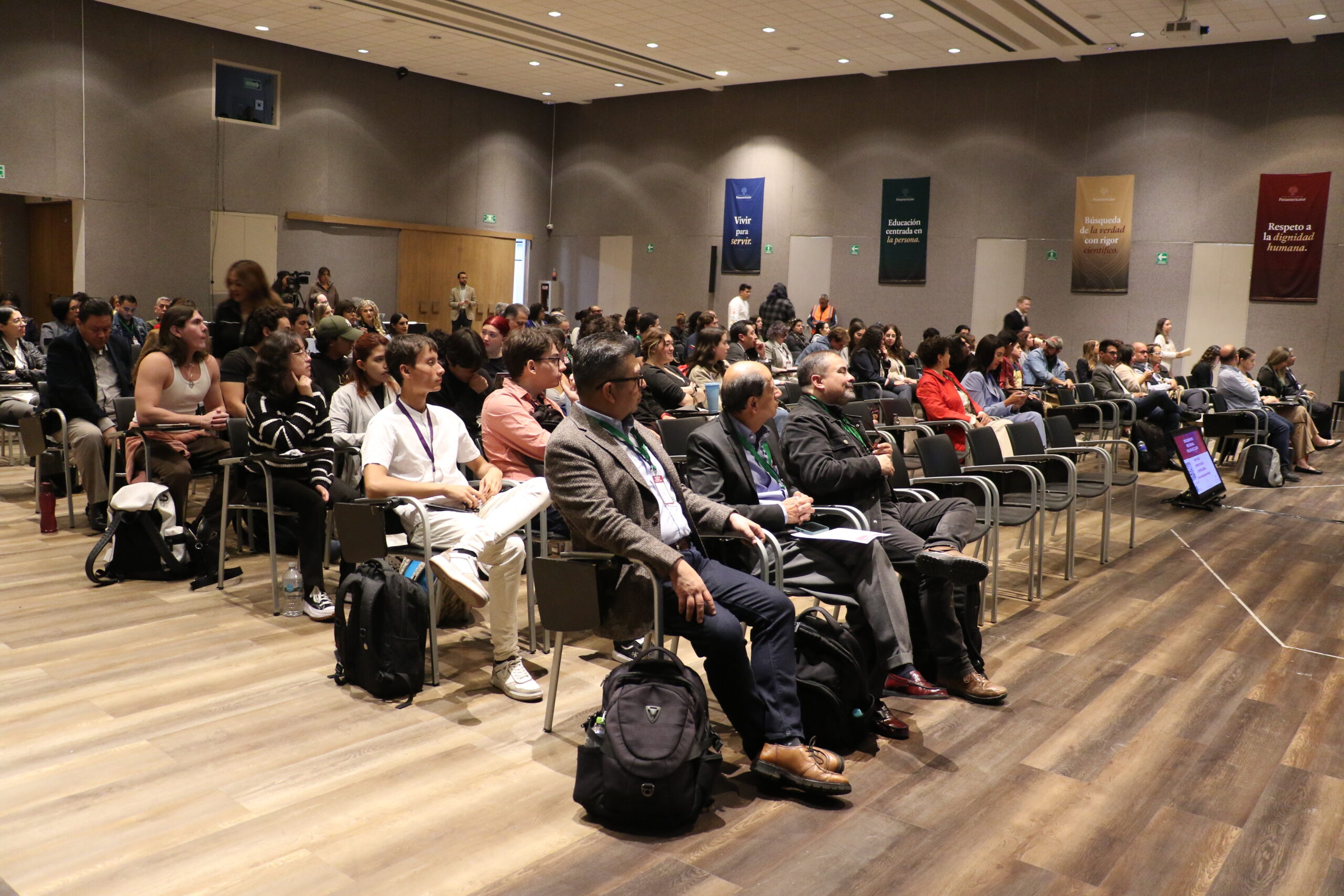
Mexico City, October 11, 2024. The Graduate School of the School of Communication at the Universidad PanamericanaMexico City, Mexico campus, hosted the Regional Meeting of the Latin American Federation of Faculties of Social Communication (FELAFACS) 2024, a key event for strengthening relations between academics and communication professionals in the region.This is a key event for strengthening relations between academics and communication professionals in the region.
Under the theme Generation, Dissemination and Impact of Social Communication Knowledge in the 21st Centurythe meeting focused on the scientific and practical challenges facing the sector in a world in constant transformation.
The event, held at the Panamericana, brought together experts and representatives of various social communication institutions from Argentina, Chile, Colombia, Costa Rica, Ecuador, Spain, the United States, Mexico, Peru and Puerto Rico.
This space for dialogue was an opportunity to opportunity to exchange experiences, discuss innovative advances and foster collaborative networks to promote the development of new research and practical approaches in the region.
Innovation and collaboration in Latin America
During the inauguration, Rafael González Pardopresident of FELAFACS, highlighted the symbolic and historical importance of holding the congress in Mexico, a country that has contributed significantly to Latin American communication thinking..
González Pardo highlighted five key areas: knowledge generation and dissemination, creation of collaborative networks, the incorporation of artificial intelligence in training, dynamization of local and global networks, and collaborative work with other academic networks..

He also expressed the need to use new platforms and formats to share research and emphasized the urgency of a critical reflection on artificial intelligence in education.
Finally, he stressed the importance of the students in these meetings, stating that the future of communication in the region will depend on their ability to adapt to current challenges and collaborate in social transformation..
Importance of communication and collaboration
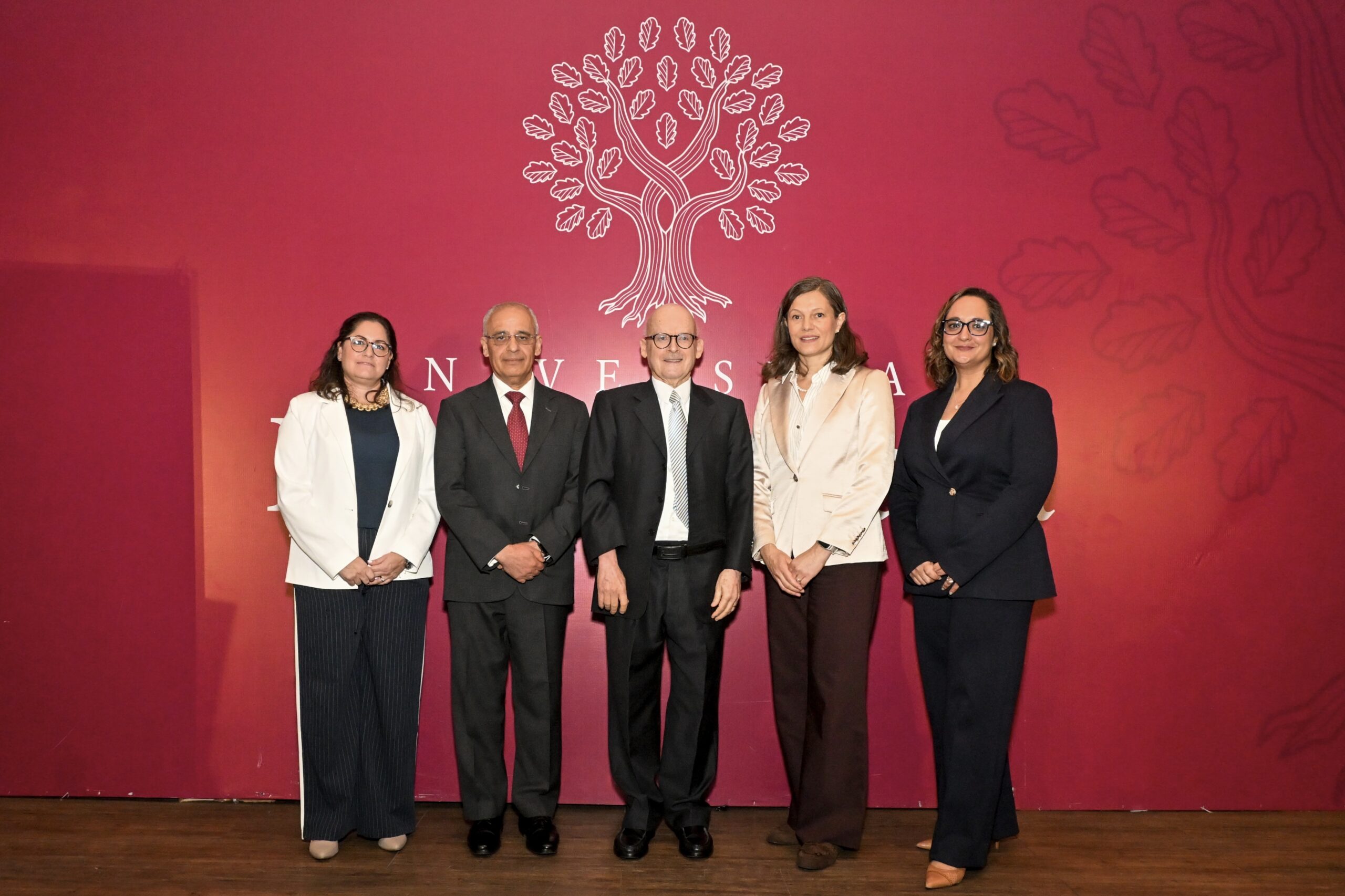
Subsequently, Dr. Mariano Navarro Dr. Mariano NavarroDean of the School of CommunicationUniversidad Panamericana in Mexico City campus and member of the Board of Directors of FELAFACS 2022-2024, emphasized the importance of establishing importance of establishing relationships and collaborate in projects that benefit the communities present.
He affirmed that FELAFACS represents a dream fulfilled to promote professionalization in the field of communication and the creation of academic communities.

Dr. Navarro made a distinction between two ways of understanding communication: As transmission of a message and as a ritual that holds communities together over time.. He highlighted the need for face-to-face interaction to strengthen these connections.
The dean underscored the importance of considering the particularities of the region in communicative research and practice, mentioning that there is much work to be done to adequately represent the experiences of Latin America in the global academic context.He mentioned that there is much work to be done to adequately represent the experiences of Latin America in the global academic context.
He also emphasized the impact of impact of technologies on communication and how these meetings can provide more effective responses to contemporary challenges.
He concluded by urging those present to expand their collaborative networks and maintain their commitment to the communities they serve, thus opening the event.
Latin American and subversive agenda
During the inaugural conference Futures: a Latin American and Subversive Agenda for Communication Studiesthe Dr. Edgar Gómez Cruzof University of Texas at Austinspoke about the need to rethink communication studies from a Latin American and critical perspective.
He mentioned that we are living in a moment of convergence of global crises, such as climatesuch as climate change, the rise of authoritarian governments and the forced displacement of people, which requires an urgent response from academia.

Dr. Gómez Cruz posed three key questions: What do we generate in communication studies?What do we generate in communication studies? How do we disseminate this knowledge?, y What is the impact of what we do? He pointed out that publications in Latin America are few and limited in scope, with a lack of empirical work and theorizing of our own.
He also criticized the influence of conceptual frameworks coming from the global north, advocating the work of researchers in the region to develop theories and practices based on their local context.

About FELAFACS
The Latin American Federation of Faculties of Social Communication (FELAFACS) plays a fundamental role in the development of collaborative work, research and academic networks in the field of communication. fundamental role in the development of collaborative work, research and academic networks in the field of communication.
Through regional meetings and organized activities, FELAFACS facilitates the exchange of knowledge and experiences among educational institutions, promoting interdisciplinary collaboration and the strengthening of the academic community.
Relive the FELAFACS 2024 meeting at: https://www.facebook.com/watch/live/?ref=watch_permalink&v=536923135414591