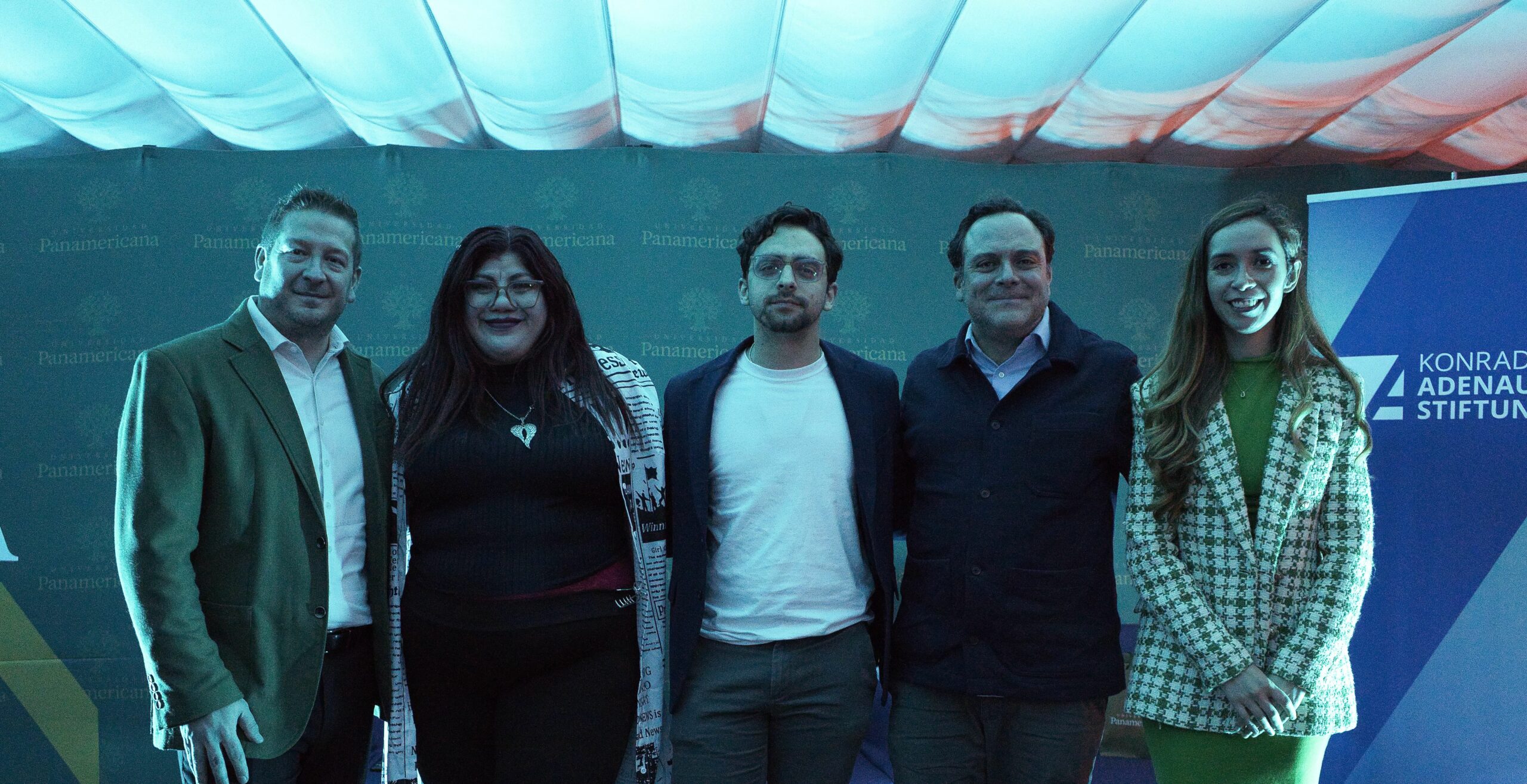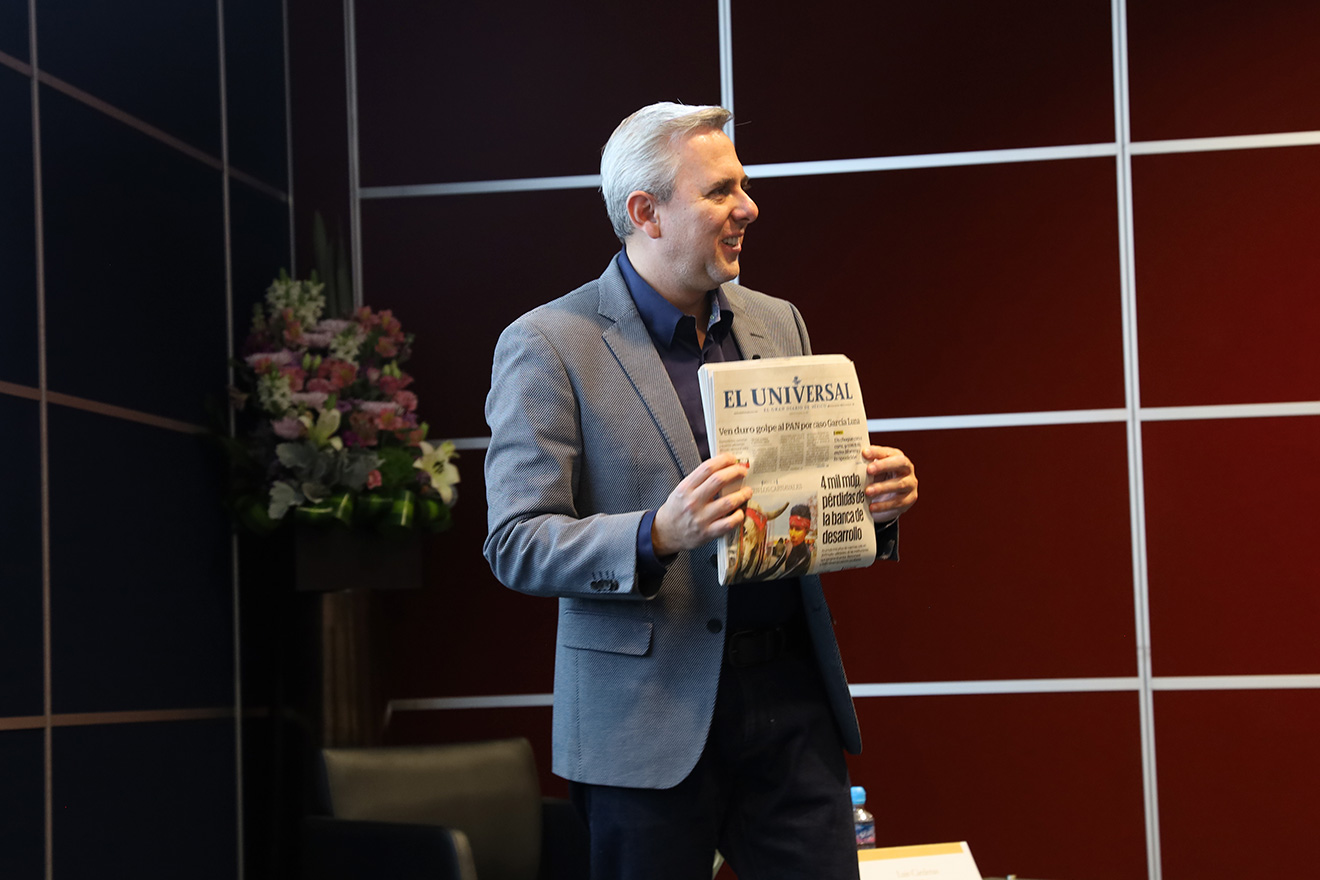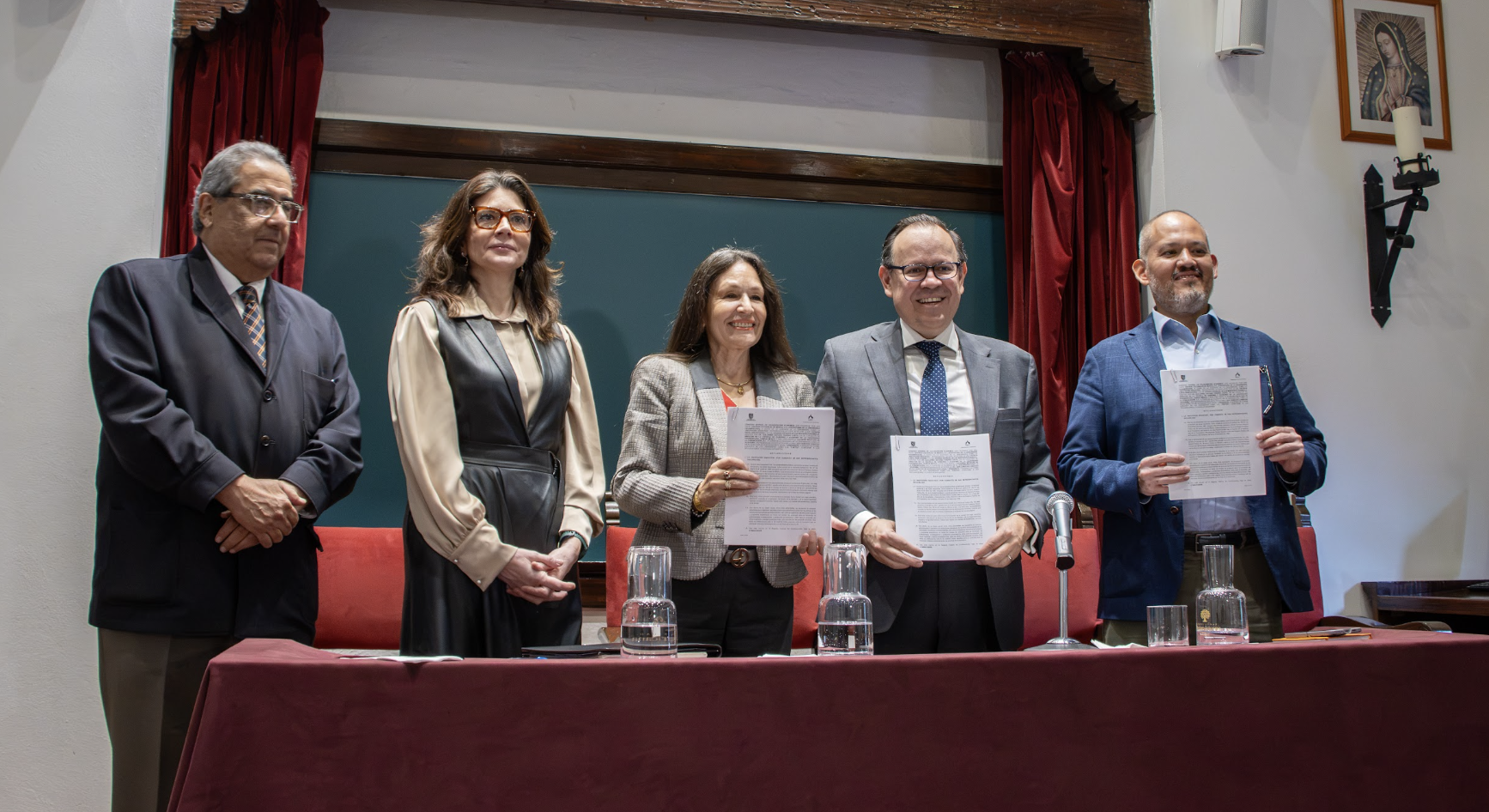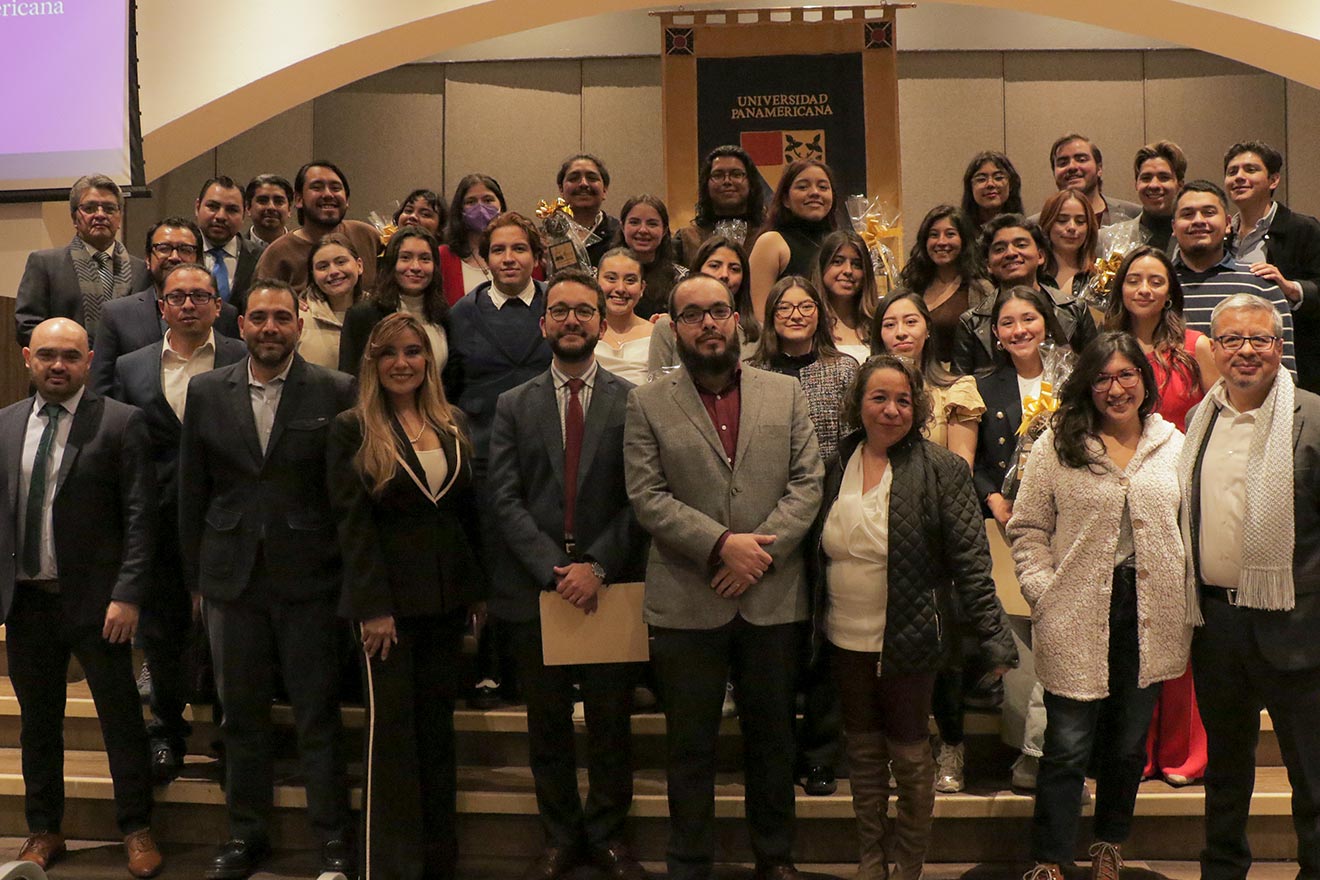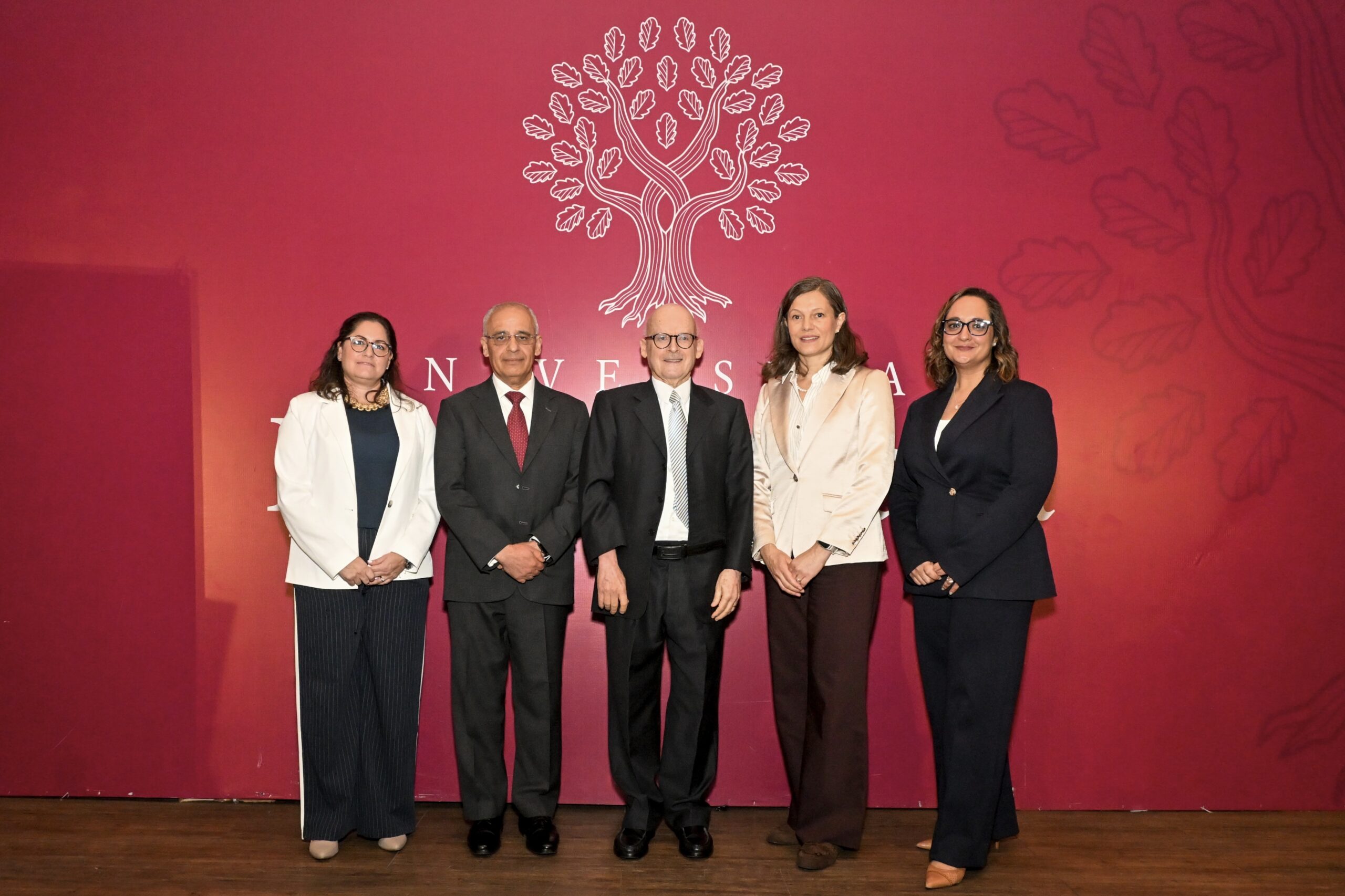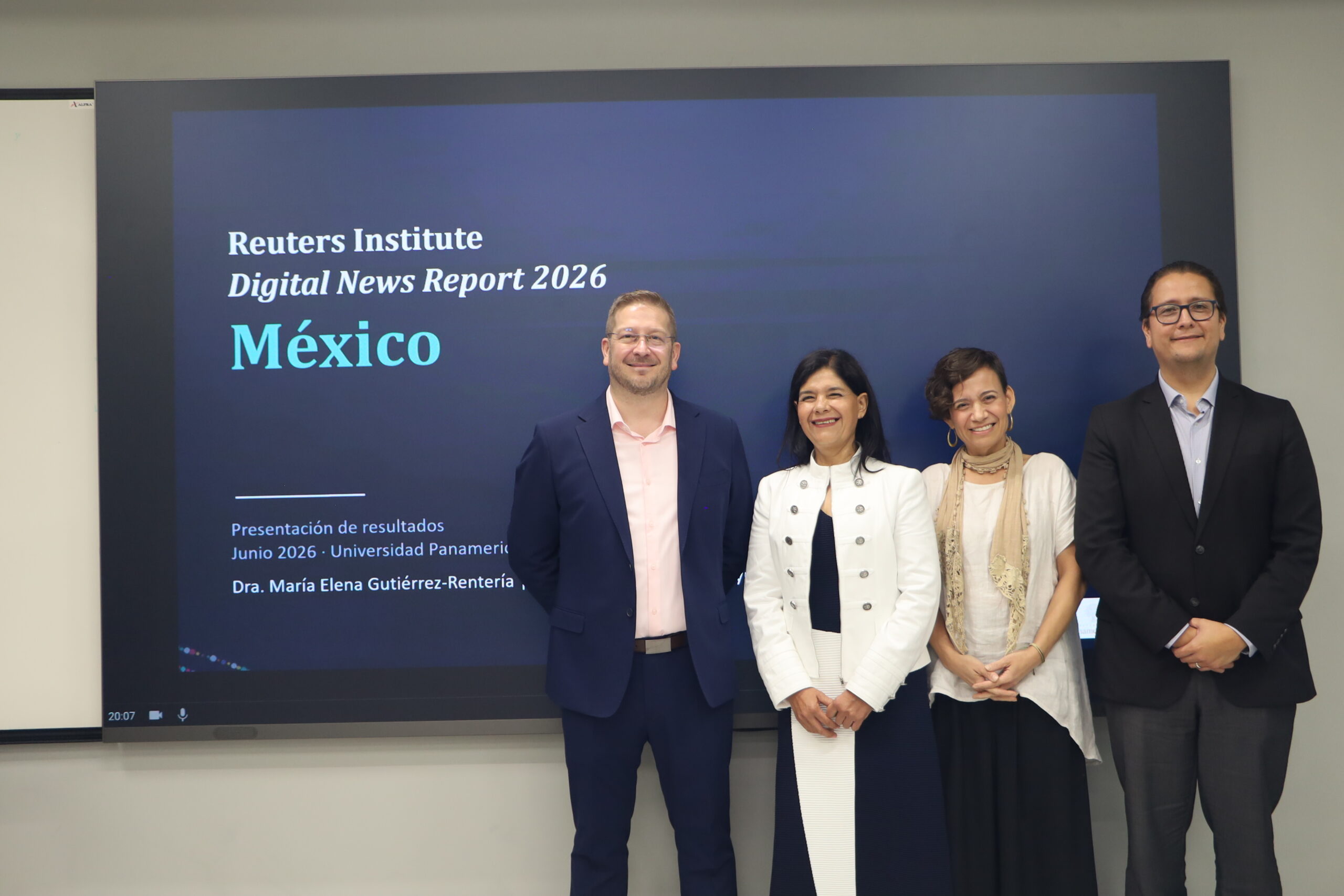
Zapopan, Jalisco; June 17, 2026.— Universidad Panamericana ’s Guadalajara campus hosted the presentation of the Reuters Institute Digital News Report 2026: Mexico, one of the most significant international studies on digital news consumption, trust in the media, news platforms, content creators, and artificial intelligence applied to news.
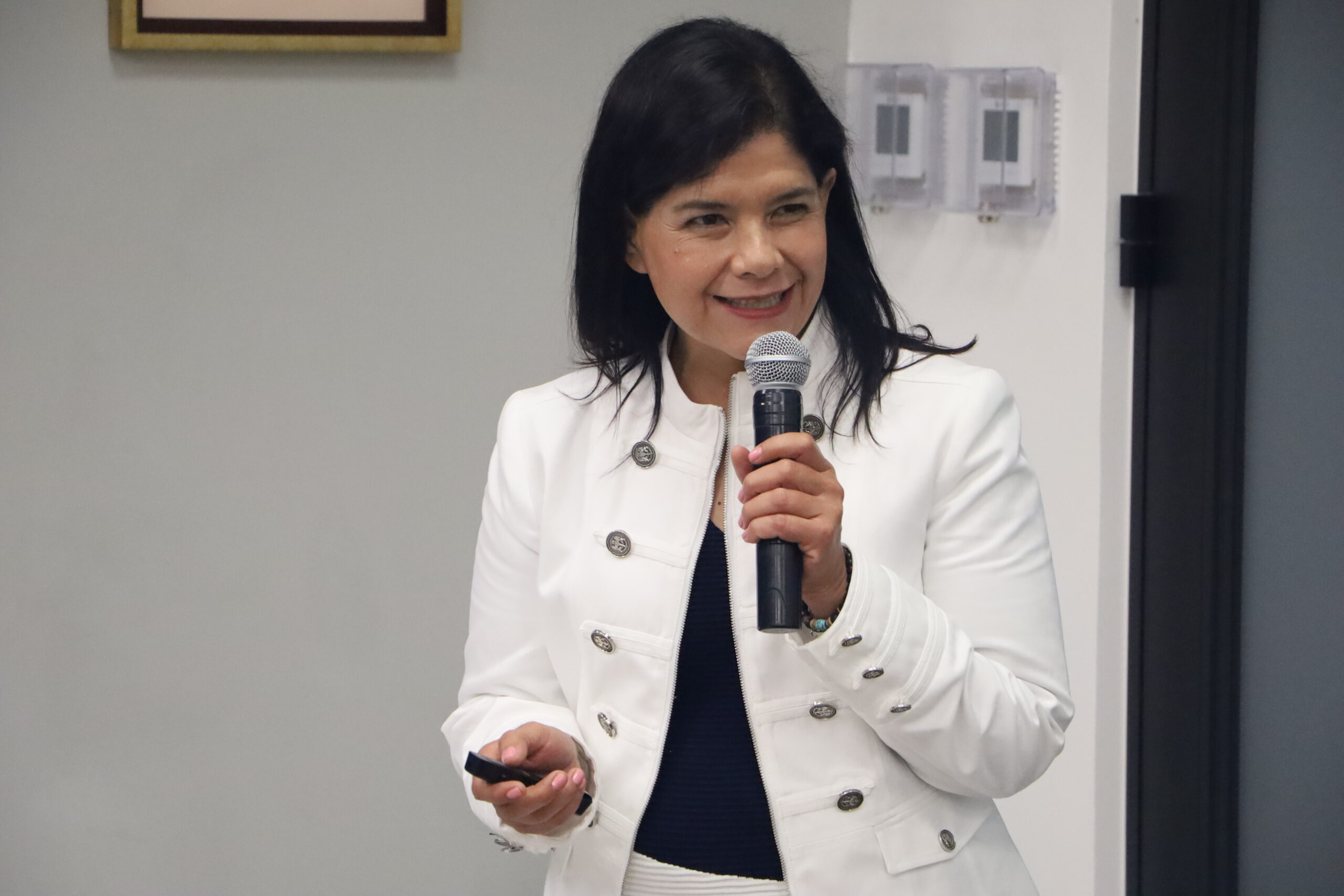
The presentation was given by Dr. María Elena Gutiérrez Rentería and Bernardo Flores-Heymann, M.A., faculty members at the National Autonomous University of Mexico ( Universidad Panamericana ) and authors of the chapter on Mexico in the report prepared by the Reuters Institute for the Study of Journalism at the University of Oxford.
What is the Digital News Report 2026?
This is an annual study that examines news consumption habits in various markets around the world. In the 2026 edition, the study covered 48 markets across six continents, with 97,520 respondents globally and 2,017 respondents in Mexico, through an online survey representative of the Mexican population with internet access.
The results provide insight into how information-seeking habits are evolving, which platforms dominate news access, and what the main challenges are for the journalism industry in an increasingly complex digital environment.

Trust in the news continues to decline in Mexico
One of the report’s key findings was the decline in trust in the news. In 2017, 49% of respondents in Mexico said they trusted the news in general; by 2026, that figure had dropped to 31%, representing a decline of 18 percentage points over the course of a decade.
However, the study also reveals encouraging signs for journalism. Although trust declined by five points compared to the previous year, the percentage of people who share news increased by three points, demonstrating that interest in staying informed remains strong.
“We’ve lost public trust; we’ve been on a downward trend—that’s a reality. Those five percentage points less than last year hurt—they hurt a lot. However, 83% of those surveyed are interested in the news. In other words, the interest is there—the trust isn’t,” explained Dr. María Elena Gutiérrez during the presentation
Three News Consumption Profiles in Mexico
To better understand the link between trust, interest, and news consumption, the authors divided Mexican audiences into three profiles:
News lovers: They consume news two or more times a day. This is the oldest group — 28% are 55 or older—with the highest income and the most politically engaged: 66% are very or extremely interested in politics.
Daily news consumers: They represent the core segment of the news market. They consume news frequently, and 49% say they are “somewhat interested” in politics.
Casual and passive voters: They make up the youngest group with the lowest income—50% belong to the low socioeconomic class. This segment exhibits the highest level of political disengagement: 69% have little or no interest in politics.
This segmentation shows that the challenge facing the journalism industry is not to speak to a single audience, but to understand how each group consumes, trusts, or disengages from the news.
New Ways to Consume Information
The study shows that digital platforms continue to transform access to news in Mexico. Unlike other countries where YouTube leads in news consumption, Facebook maintains its position as the primary platform for accessing news.

The presentation revealed that Facebook outpaces YouTube as a news platform, with 68% compared to 35%. Furthermore, Facebook leads in news video consumption across all age groups.
Mexico Ranks Among the World's Top 10 in News Consumption via Content Creators
Another key finding was the role of content creators. Mexico ranked seventh out of 48 markets in terms of news consumption via content creators or influencers.
The study showed that 59% of respondents consumed news from content creators during the past week, although 64% do not necessarily follow people who focus exclusively on news.
Research with Institutional Impact
With the release of the Reuters Institute Digital News Report 2026: Mexico, the Universidad Panamericana reaffirms its commitment to applied research, the analysis of digital media, and the training of professionals capable of understanding the changes that are transforming journalism and contemporary communication.
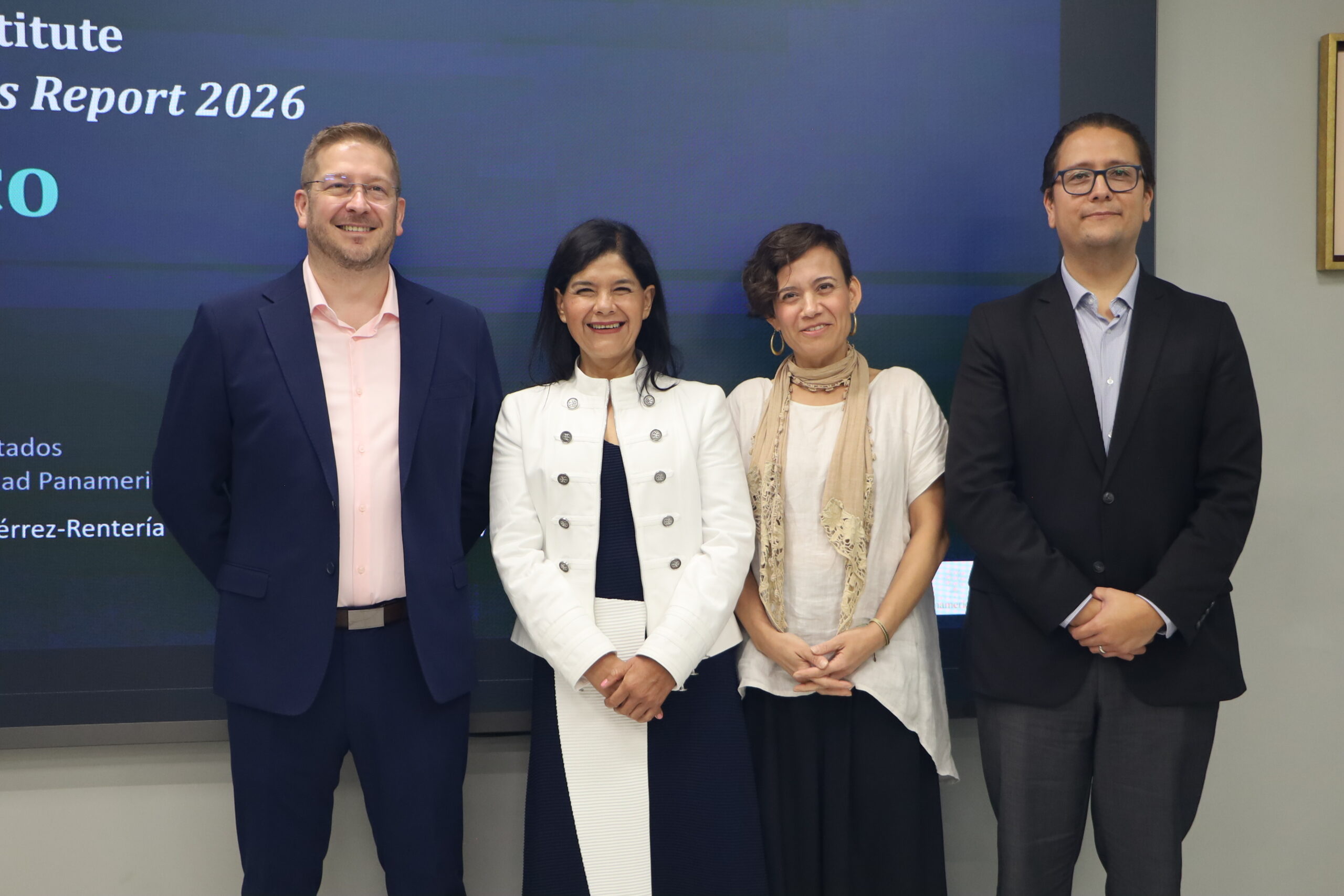
The contribution of Dr. María Elena Gutiérrez Rentería and Bernardo Flores-Heymann, M.A., to one of the world’s most influential reports strengthens the academic presence of the School of Journalism and Communication ( Universidad Panamericana ) in the international discourse on digital journalism, artificial intelligence, audiences, platforms, and trust in the news.
Their work helps generate strategic insights to understand the evolution of the Mexican information ecosystem and promote more ethical, rigorous, and socially relevant communication.
Check out the Digital News Report 2026: Mexico and discover the main trends regarding news consumption, trust in the media, social media, and artificial intelligence in the country: https://reutersinstitute.politics.ox.ac.uk/digital-news-report/2026/mexico