

The program combines the study of classical philosophical traditions with interdisciplinary methodologies and sources. With personalized tutorial support, each student will conduct original research on social, historical, and natural phenomena.


Ph.D. in Practical Philosophy and Applied Ethics
The Doctor of Philosophy in Practical Philosophy and Applied Ethics trains researchers to analyze contemporary moral, political, and social issues.
The program benefits from academic collaboration with the schools of law and medicine, which strengthens methodological training tailored to each project. Additionally, the doctoral program offers a dual-degree option withL’École des Hautes Études en Sciences Sociales(EHESS).
The doctoral program is designed to be compatible with professional work: in-person sessions are scheduled primarily in the evenings and at night, and the last two years are focused mainly on thesis work.
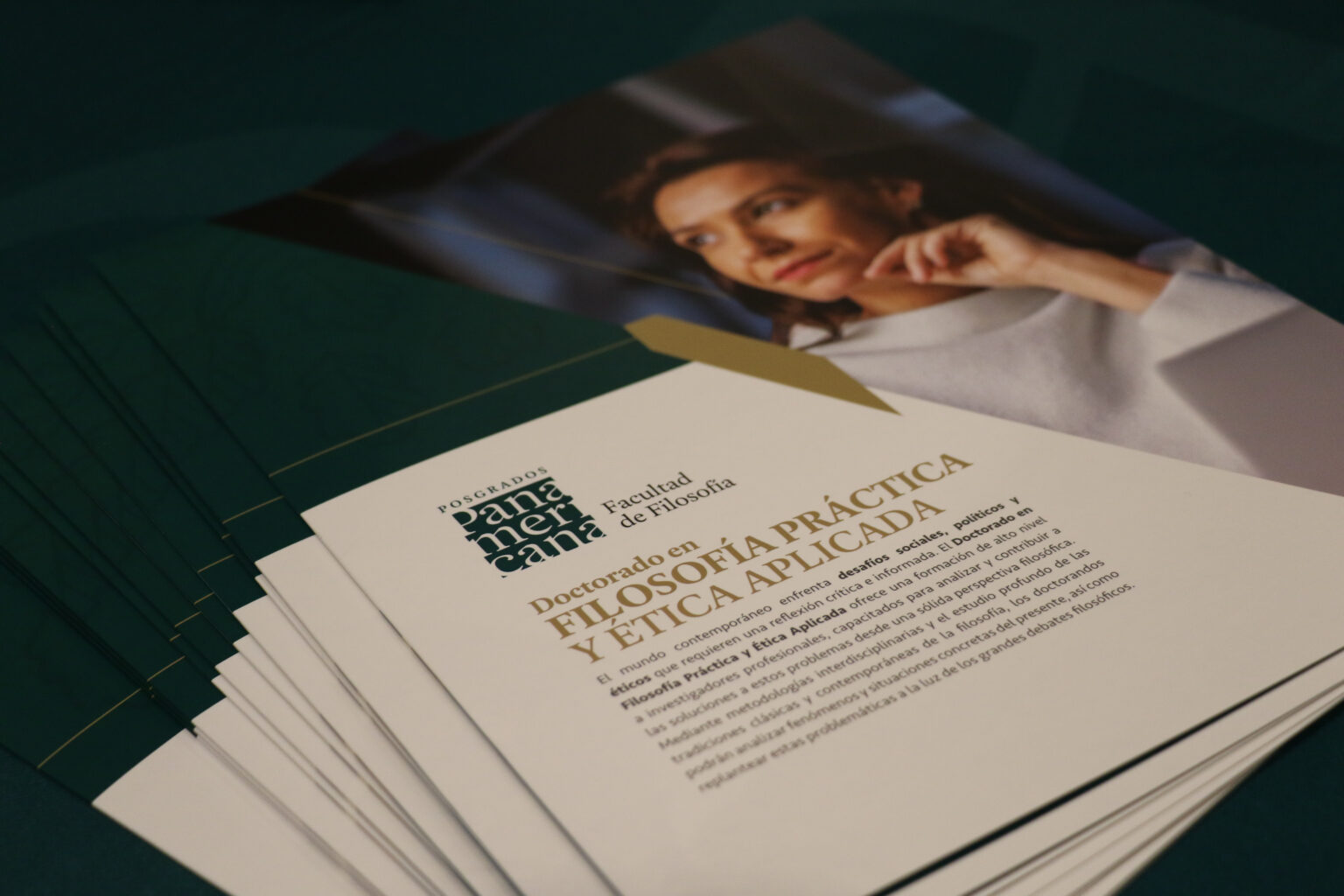
Universidad Panamericana launches new Ph.D. in practical philosophy and applied ethics
Learn morePh.D. in Practical Philosophy and Applied Ethics

Academic Program
The curriculum for the Doctor of Philosophy in Practical Philosophy and Applied Ethics consists of fourteen courses, divided into five areas of study.
- First, it includes two methodology courses focused on developing interdisciplinary research techniques.
- Second, it consists of six research seminars, the purpose of which is to guide, evaluate, and strengthen the progress of each student's doctoral work.
- Third, it includes two seminars on ethics, devoted to the systematic study of the main sources, issues, and doctrines of the ethical tradition.
- Fourth, it includes two seminars on political and social philosophy, focused on the analysis of key sources and major schools of political thought.
- Finally, it includes two seminars on Applied Ethics, organized into four modules, which examine various ways of applying philosophy to the study of specific problems and historical realities.
Curriculum

First Semester
- Methodology Techniques I
- Ethics I
Second Semester
- Methodology Techniques II
- Ethics II
Third Semester
- Research Seminar I
- Applied Ethics I
Fourth Semester
- Research Seminar II
- Applied Ethics II
Fifth Semester
- Research Seminar III
- Political and Social Philosophy I
Sixth Semester
- Research Seminar IV
- Political and Social Philosophy II
Seventh Semester
- Research Seminar V
Eighth Semester
- VI Research Seminar
PROFILES

INCOME
Applicants to the Doctor of Philosophy program in Practical Philosophy and Applied Ethics must possess the following competencies:
Knowledge
- Graduate-level education (master’s degree) in philosophy, law, medicine, or the sciences; knowledge of the general aspects of philosophy and of the human and social issues of the contemporary world.
Skills
- Ability to conduct research with methodological rigor; critical and reflective thinking; advanced reading comprehension in Spanish and English; ability to analyze information from an interdisciplinary perspective; experience in specialized academic settings, such as conferences or publications.
Attitudes
- A sense of responsibility toward social issues; a genuine interest in the study of classical and contemporary sources; and intellectual humility in the face of arduous and sustained study.

EXIT
Upon completion of the Doctor of Philosophy in Practical Philosophy and Applied Ethics at the Universidad Panamericana, graduates will possess the following competencies:
Knowledge
- Mastery of the fundamental methodological aspects required to conduct original research with academic rigor and significant impact within the discipline; proficiency in the conceptual tools necessary to identify and formulate responses to the various ethical, social, and political issues facing contemporary society.
Skills
- Ability to explain practical problems—social, ethical, political, and aesthetic—using linguistic, methodological, and philosophical tools, thereby contributing to the advancement of knowledge through an interdisciplinary approach; ability to engage in dialogue with other disciplines regarding the best conceptual tools for developing actions aimed at addressing public issues; ability to synthesize historical perspectives on practical phenomena and evaluate their relevance in the current context; the ability to analyze complex problems and identify their patterns or constituent elements.
Attitudes
- Scientific rigor in the philosophical study of social issues; responsibility and commitment to research; a willingness to publicize and discuss social issues and their possible solutions not only within specialized academic circles but also through public media.
Admissions Announcement
The admissions process consists of 4 steps:
1
2
3
4

Information Session
The applicant will have an initial informational session with the Graduate Admissions Coordinator.

Submission of a Research Project
The applicant will prepare their research proposal, which they may submit for review prior to final submission (step 3), in order to refine relevant details.

Administrative Application
Applicants must submit their application for admission, administrative records, academic transcripts, and research proposal in accordance with the guidelines provided in the call for applications. These documents will be thoroughly reviewed by the Doctoral Program’s Academic Committee.

Ruling
Finally, after reviewing the projects, the board will notify the selected applicants. Once this is done, the registration process will be carried out.
Generation Lines
Practical Philosophy / History of Ethics
- It employs philosophical methodology to address the most far-reaching normative problems in ethical and political issues, linking the classical tradition and the history of ethics with the moral challenges of the present from a systematic and critical perspective.
Applied Ethics
- It addresses specific issues that require an interdisciplinary approach, drawing on both qualitative and quantitative methods. It covers fields such as bioethics, environmentalism, human rights, technology, migration, education, and the philosophy of economics.
Philosophy and Law
- It examines the philosophical foundations of the legal system from a humanistic perspective. It is divided into two fields: Legal Sciences, which focuses on the methodology and principles of natural and positive law; and Human Rights, which focuses on the interpretation, argumentation, and development of fundamental rights in the Mexican and international contexts.
Students
Generation
Students
2026–2029
4
Generation
Thesis Student
Thesis Title
Director
2026–2029
José Ignacio Gallo López Santibañez
Animality and the Ethics of Language: The Construction of Race, Gender, and Class Through Zoomorphic Metaphors
María Elena García Peláez
2026–2029
Víctor Antonio Hernández Ojeda
The War on Narco-Terrorism: On the Concept of National Security
Luis Xavier López Farjeat
2026–2029
Sebastián Montes Izunza
Contemporary Art and Human Rights: A Review from the Perspective of Moral Philosophy
Héctor Jesús Zagal Arreguín
2026–2029
Andrés Antonio Torres Scott
Populism: An Interpretation Based on Friedrich Nietzsche's Political Theory
Eduardo Oscar Charpenel Elorduy

Scholarships
All applicants admitted to the program receive a scholarship covering 100% of tuition and fees for the entire duration of their studies (excluding degree conferral fees). Additionally, a competition is held among admitted applicants for a living stipend equivalent to 6 UMAs for the duration of the program.

Link
The Doctorate in Practical Philosophy and Applied Ethics has a dual-degree agreement with the École des Hautes Études en Sciences Sociales (EHESS) in Paris, France, one of the world’s most prestigious research institutions in the social sciences and humanities. Under this international co-supervision model for dissertations, doctoral students have a dissertation advisor at each institution, conduct research stays at both campuses, and, upon completing and defending their dissertation, receive a doctoral degree awarded simultaneously by the Universidad Panamericana and the EHESS, with explicit mention of the interinstitutional collaboration on each diploma. This agreement strengthens the program’s international reach, enriches students’ education by providing access to two high-level academic communities, and consolidates the Faculty of Philosophy’s ties with global research networks.
Faculty





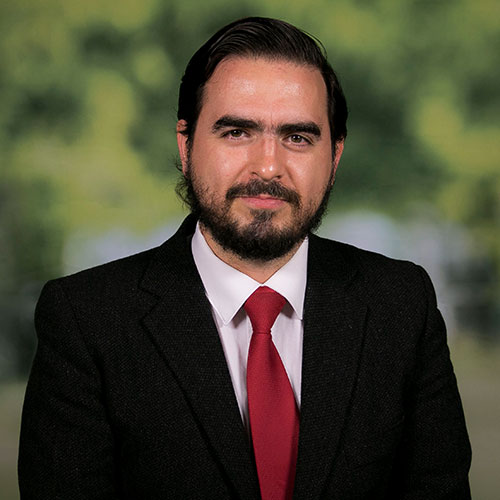

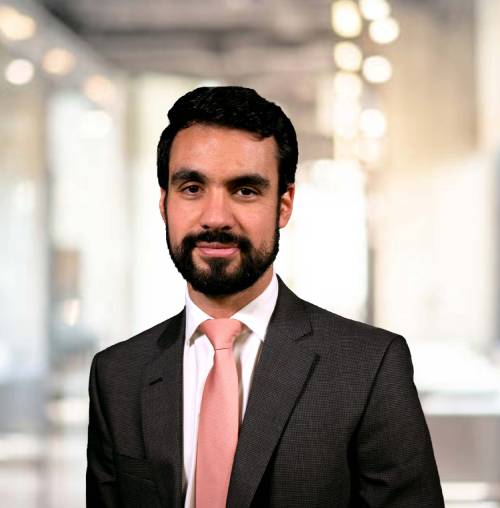
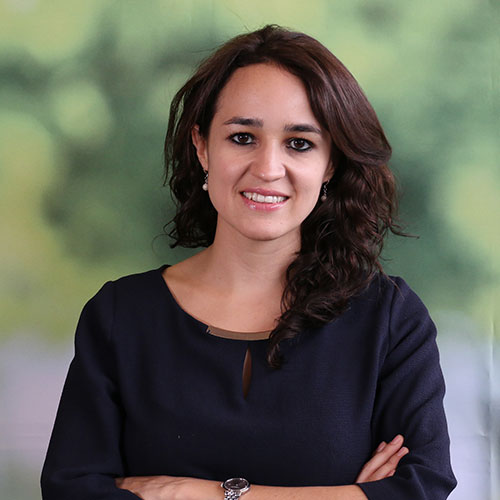


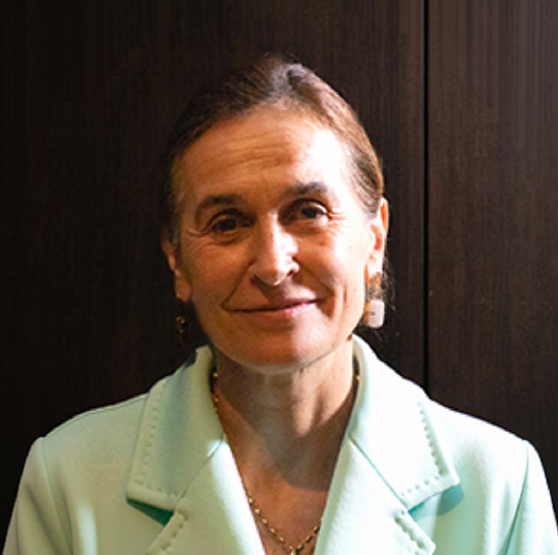

International Visitors
- Leopoldo Iribarren (EHESS—École des hautes études en sciences sociales)
- Michael Chase (Centre Jean Pépin) (UMR 8230-École normale supérieure) of the CNRS (National Center for Scientific Research)
FREQUENTLY ASKED QUESTIONS
No. Experience in writing academic papers is an essential requirement, as this is a research-intensive program that requires prior knowledge of research techniques and methodologies.
Yes. Prior academic training in philosophy is not required. Any professional background in the fields of education, social sciences, law, business, natural sciences, mathematics, the arts, communication sciences, health sciences, or psychology is an appropriate academic background for the program.
Yes, classes are in person and are held twice a week, on Tuesdays and Thursdays, from 7:00 p.m. to 10:00 p.m.
Although the doctoral faculty is listed above, if a student’s research requires it (because it is interdisciplinary in nature), it is possible to attend seminars led by professors of medicine or law and learn the methodologies specific to those fields.
RVOE AND DATE OF AGREEMENT
RVOE SEP 20240615, dated March 19, 2024; 2011 Plan. In-person learning format
CONTACT
Talib Zamudio Neme, M.A.
Graduate Admissions Coordinator
Email — jtzamudio@up.edu.mx
WA —
+521 55 4193 8748